How To Season Cast Iron Cookware: Easy Step-By-Step Guide

Season cast iron cookware by applying thin oil layers and heating until the surface bonds.
Cast iron seasoning is one of those kitchen skills that pays off every time you cook. I’ve seen a well-seasoned skillet go from sticky and dull to smooth, dark, and naturally nonstick with just a little care and patience. If you want a pan that lasts for years, cooks evenly, and gets better with age, learning how to season cast iron cookware is the place to start.
What Seasoning Really Means
Seasoning is not just leftover oil on the pan. It is a thin, baked-on layer of fat that bonds to the metal through heat. That layer helps protect the cast iron from rust and gives it a smoother cooking surface.
When people talk about how to season cast iron cookware, they usually mean building and maintaining this protective coating. It is part chemistry, part habit, and part patience. The good news is that it is much easier than it sounds.
:max_bytes(150000):strip_icc()/How-to-Season-Cast-Iron-Skillet-3x2-1-bcd280f1703e47e0a59bb62e86a0d53a.png)
Why Cast Iron Needs Seasoning
Bare cast iron can rust fast if it stays wet. It can also cling to food if the surface is rough or dry. Seasoning solves both problems at once.
Here is why it matters:
• It helps prevent rust by sealing the metal from moisture
• It makes food release more easily
• It improves with use when cared for the right way
• It adds a darker, smoother finish over time
• It extends the life of the pan
I once rescued an old skillet that looked hopeless. After a few rounds of cleaning, oiling, and heating, it turned into one of my best pans. That is the power of learning how to season cast iron cookware the right way.

What You Need Before You Start
You do not need fancy tools. A few basic items are enough.
• Cast iron cookware
• Mild dish soap or a scraper for cleaning
• Lint-free cloth or paper towels
• Cooking oil with a high smoke point, such as canola, grapeseed, or vegetable oil
• Oven
• Aluminum foil or a baking sheet to catch drips
A small amount of oil goes a long way. One of the biggest mistakes I see is using too much. Thick oil leaves sticky spots instead of a hard, smooth coating.
:max_bytes(150000):strip_icc()/__opt__aboutcom__coeus__resources__content_migration__serious_eats__seriouseats.com__images__2016__09__20160817-cast-iron-pan-vicky-wasik-collage-1500x1125-a15711a84a054cca9268b8ddda1e5dd2.jpg)
How to Season Cast Iron Cookware Step by Step
1. Clean the Pan Well
Start with a clean surface. Wash the pan with warm water and a small amount of soap if needed. Modern dish soap is fine for this step, even though old kitchen myths say otherwise.
If the pan has rust, food bits, or old sticky buildup, remove that first. Seasoning works best when the metal is clean and dry.
2. Dry It Completely
Water is the enemy here. After washing, dry the pan with a towel, then heat it briefly on the stove or in the oven to remove all moisture.
Even a little water can lead to rust. I always do a quick heat-dry because it gives me peace of mind before I add oil.
3. Apply a Very Thin Coat of Oil
Put a small amount of oil on the pan, inside and out. Then wipe it off until the surface looks almost dry. This is the key step in how to season cast iron cookware.
The pan should not look wet or greasy. If you can see oil pooling, there is too much. Think of it like polishing wood, not painting a wall.
4. Heat the Pan
Place the pan upside down in a preheated oven at about 450°F to 500°F. Put foil or a tray on the lower rack to catch any drips.
Bake it for about one hour. The heat helps the oil bond to the metal and form that protective layer.
5. Let It Cool Slowly
Turn off the oven and let the pan cool inside. Slow cooling helps the seasoning settle evenly.
Once it is cool, the surface should look darker and a little shinier. If it still feels sticky, that usually means too much oil was used, or the heat time was not long enough.
6. Repeat If Needed
One round of seasoning is good. Several rounds are even better, especially for a new or stripped pan.
For a strong base, repeat the process two to three times. This creates a better foundation for everyday cooking.
:max_bytes(150000):strip_icc()/GettyImages-614986450-2000-f7ac499e535845c2903ff48843e0b142.jpg)
Best Oils for Seasoning Cast Iron
Not every oil works the same way. You want an oil that can handle high heat and form a durable layer.
Good choices include:
• Canola oil
• Grapeseed oil
• Vegetable oil
• Avocado oil
• Flaxseed oil, used carefully because it can be brittle for some cooks
In my experience, canola and grapeseed are the most forgiving. They are easy to find, budget friendly, and reliable for regular home use. When people ask how to season cast iron cookware without overcomplicating it, I usually point them to one of those.
Common Mistakes to Avoid
Seasoning is simple, but a few small mistakes can slow you down.
• Using too much oil, which causes a sticky finish
• Forgetting to dry the pan fully before oiling
• Skipping enough heat time
• Storing the pan while it is damp
• Scrubbing off the seasoning with harsh tools too often
I have made the too much oil mistake myself. The pan looked shiny at first, but it felt tacky after cooling. Once I stripped that layer down and started over with a thinner coat, the results improved fast.
How to Maintain Seasoned Cast Iron
Knowing how to season cast iron cookware is only half the story. Keeping it seasoned is what makes it last.
After each use:
• Wash with warm water and a soft sponge
• Dry immediately
• Rub on a tiny amount of oil if the surface looks dry
• Store it in a dry place
• Avoid soaking it in water
For stubborn food residue, use a scraper or a little coarse salt with water. Then dry and oil the pan again. Regular use also helps build seasoning over time, especially when you cook foods like eggs, cornbread, potatoes, and seared meats.
When to Re-Season Your Cookware
You do not need to season cast iron every time you cook. But you should re-season it if you notice:
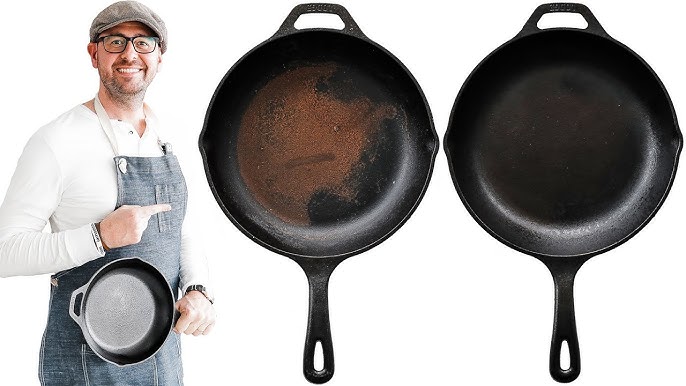
• Rust spots
• Dull gray patches
• Sticky or blotchy areas
• Food starting to stick more than usual
• A rough or uneven surface
If the pan looks tired, do not panic. Cast iron is very forgiving. In most cases, a good cleaning and one or two seasoning rounds bring it back.
Why Some Pans Feel Better Over Time
Cast iron often improves with use because each cooking session can add to the seasoning layer. Fat from food, heat, and cleaning all work together to build a more stable surface.
That said, not every recipe helps equally. Wet, acidic foods like tomato sauce can wear seasoning down if cooked too often in a newer pan. Still, an older, well-seasoned skillet can handle much more.
This is why how to season cast iron cookware is part technique and part routine. The goal is not perfection. It is steady care.
Frequently Asked Questions of How to Season Cast Iron Cookware
How often should I season cast iron cookware?
You only need a full seasoning when the pan is new, stripped, rusty, or losing its finish. For daily care, a light oil rub after drying is usually enough.
Can I use soap on seasoned cast iron?
Yes, you can use mild soap. A small amount will not ruin proper seasoning, especially if you dry the pan well afterward.
What temperature is best for seasoning cast iron cookware?
Most home cooks use 450°F to 500°F. That range helps the oil bond properly without leaving the pan greasy.
Why is my cast iron sticky after seasoning?
Sticky seasoning usually means too much oil was left on the surface or the pan did not bake long enough. Wipe off excess oil and repeat the process with a thinner coat.
How do I fix rust on cast iron cookware?
Scrub off the rust with a pad, steel wool, or a stiff brush, then wash, dry, and re-season the pan. Once the rust is gone, rebuild the protective layer right away so moisture does not return.
Conclusion
Learning how to season cast iron cookware is really about building a habit that protects your pan and improves every meal. Clean it well, use a very thin coat of oil, heat it long enough, and keep moisture away. Do that, and your cast iron can become one of the most reliable tools in your kitchen.
If you have a skillet that needs help, start today with one careful seasoning round and see the difference for yourself. For more practical kitchen tips, keep exploring, share your own cast iron results, or leave a comment with the pan you are working on.