How To Cook With All-Clad Cookware: Easy Pro Tips

All-Clad cookware works best when you match the pan to the food, preheat it at the right speed, and control the heat as you cook. For most stainless steel All-Clad pans, that means using medium heat, adding oil after the pan warms, and waiting for food to release before turning it.
This guide applies to common All-Clad collections sold in the United States, including D3, D5, Copper Core, G5, HA1, and Essentials. Cooking surfaces and oven limits can differ, so check the care guide for your exact pan before using high heat, an oven, a broiler, or a dishwasher.
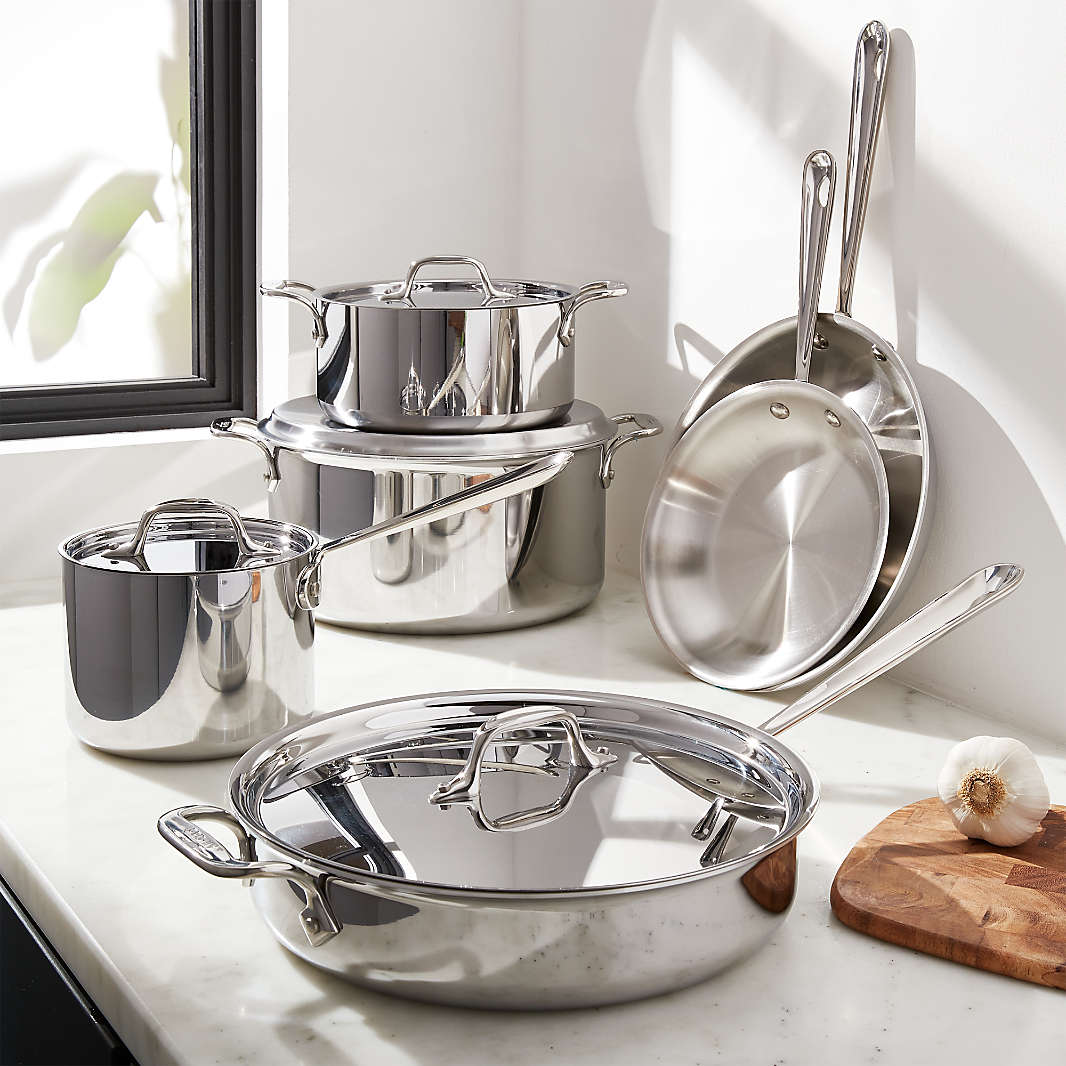
Know Which All-Clad Pan You Have
The cooking method depends on the pan’s surface. All-Clad makes both stainless steel and coated cookware, and they do not behave in the same way.
Stainless steel cookware
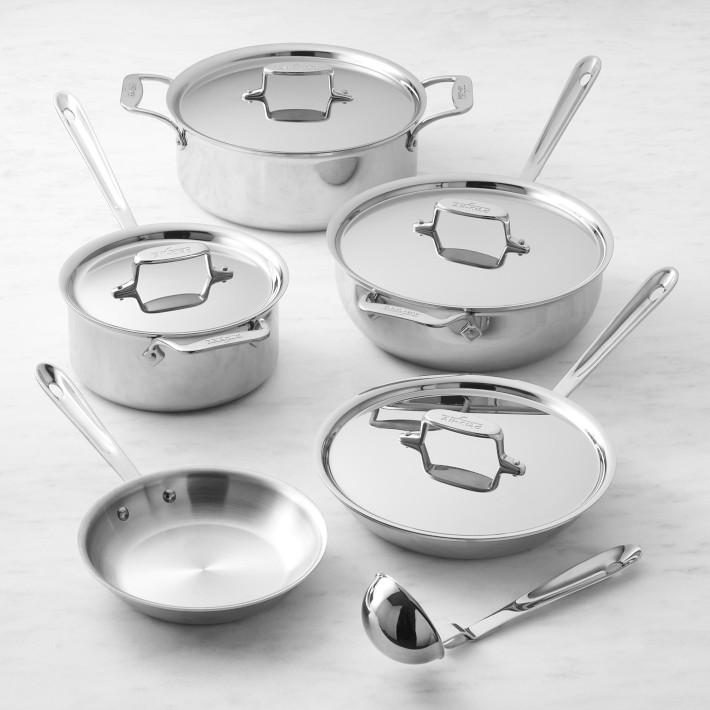
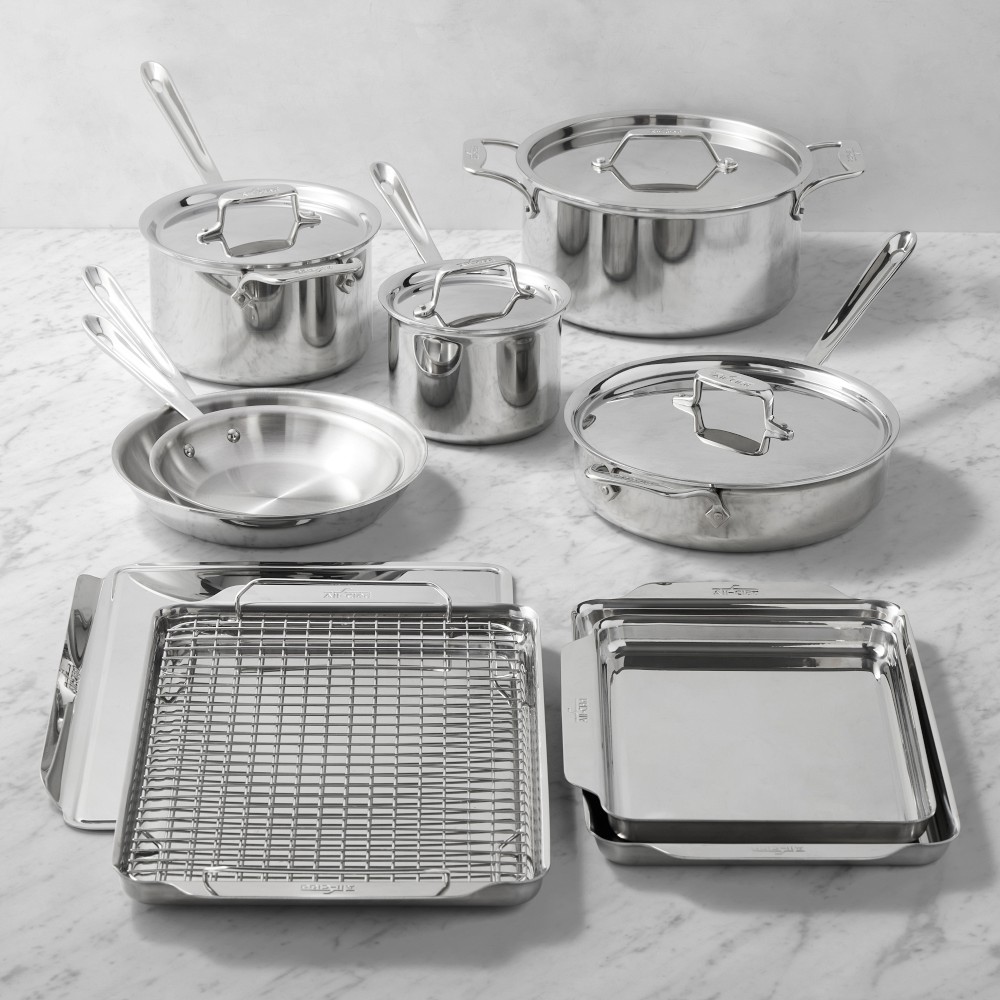
Collections such as D3, D5, Copper Core, and G5 use bonded metal construction. Stainless steel provides the cooking surface, while aluminum or copper layers help spread heat.
Stainless steel pans are useful for:
- Searing meat
- Browning vegetables
- Making pan sauces
- Deglazing with wine or stock
- Cooking acidic foods
- Boiling, simmering, and braising
Stainless steel is not naturally nonstick. Food may stick when the pan is too cool, too hot, too dry, or moved too soon.
Nonstick cookware
All-Clad nonstick collections, such as HA1 and Essentials, have a coated cooking surface. They are useful for:
- Eggs
- Fish
- Pancakes
- Delicate vegetables
- Foods that tend to tear or stick
Use low to medium heat for most nonstick cooking. Very high heat can shorten the life of the coating. Use wood, silicone, or plastic utensils approved for nonstick cookware.
Induction compatibility
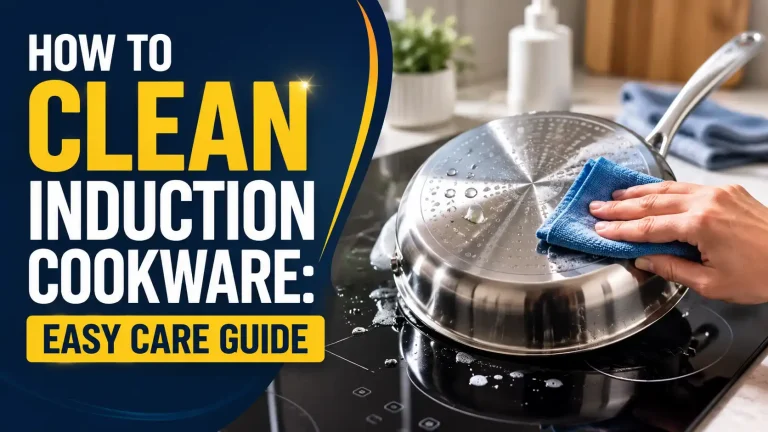
Many All-Clad pans work on induction cooktops, but not every model has the same base. A magnet can provide a quick check: if a magnet sticks firmly to the bottom, the pan is usually suitable for induction.
The product label or official care guide remains the better source. Induction burners can heat pans quickly, so start below the heat level you might use on a gas or electric burner.
Pan size matters
Choose a pan that gives food room to spread in one layer. Crowding lowers the pan’s temperature and can cause steaming instead of browning.
As a simple guide:
| Cooking task | Useful pan size |
|---|---|
| One or two eggs | 8-inch skillet |
| Two chicken breasts | 10-inch skillet |
| Family-size stir-fry or sauté | 12-inch skillet |
| Soup, pasta, or stew | 3- to 8-quart pot |
| Large roast or braise | Dutch oven or large sauté pan |
These are general starting points. The amount of food, burner size, and recipe also affect the best choice.

How to Preheat an All-Clad Stainless Steel Pan
Preheat stainless steel cookware gradually over medium or medium-low heat. The goal is a hot cooking surface, not a smoking pan.
Follow these steps:
- Place the empty pan on the burner.
- Set the heat to medium or medium-low.
- Warm the pan for about 2 to 3 minutes.
- Add a small amount of cooking oil.
- Swirl the oil across the base.
- Add the food when the oil looks thin and moves easily.
Do not heat an empty nonstick pan for long. Nonstick cookware needs less preheating and usually works best when oil or food is added soon after the pan warms.
Use the water-drop test with care
For stainless steel, a few drops of water can help show whether the surface is warm. If the water sits still, the pan is likely cool. If it breaks into small drops and slides around, the pan has reached a higher temperature.
If the water instantly evaporates, the pan may be too hot for delicate food. Let it cool briefly before adding oil.
Dry the pan before adding oil. Water and hot oil can splatter and cause burns.
Why food sticks
Food often sticks for one of four reasons:
- The pan was not warm enough.
- The food surface was wet.
- The pan had too little fat for the recipe.
- The food was moved before a crust formed.
Sticking does not always mean something went wrong. Meat may first cling to the surface and then release once it browns. If you force it, the crust can tear.
How to Cook Meat and Fish in All-Clad Stainless Steel
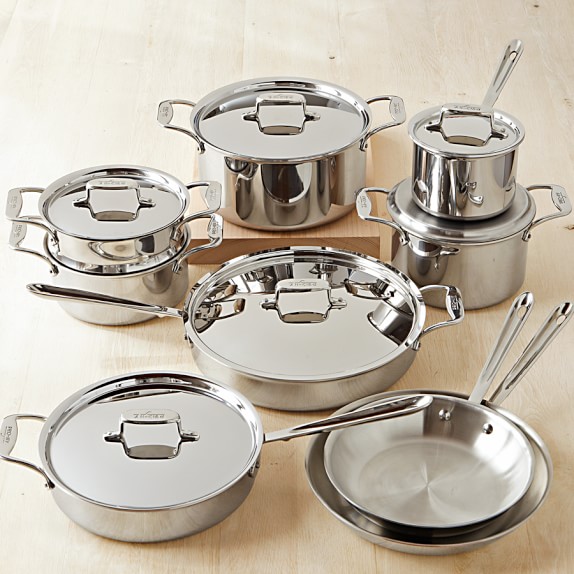
Use a hot, lightly oiled stainless steel skillet for browning. Pat the food dry, season it, and give it enough space.
Searing steak
- Remove excess moisture with paper towels.
- Season the steak.
- Preheat the skillet over medium to medium-high heat.
- Add a high-heat cooking oil, such as refined avocado, canola, or grapeseed oil.
- Place the steak in the pan.
- Leave it still until it releases and develops a brown crust.
- Turn it and finish cooking to your preferred internal temperature.
- Rest the steak before slicing.
A very hot pan is not always better. If the oil smokes heavily, reduce the heat and allow the pan to cool before continuing.
For food safety, use a reliable instant-read thermometer. The USDA lists 145°F for whole cuts of beef, pork, lamb, and veal, followed by a three-minute rest. Ground meats should reach 160°F. Use the current USDA safe minimum internal temperature chart for more details.
Cooking chicken
For boneless chicken breasts:
- Pound thick areas gently so the meat cooks evenly.
- Pat the chicken dry.
- Heat the pan over medium heat.
- Add oil, then place the chicken smooth-side down.
- Cook until browned.
- Turn the chicken and lower the heat if the exterior darkens too quickly.
- Cover briefly if needed to finish the center.
- Check the thickest part with a thermometer.
Chicken should reach 165°F, according to the USDA. Do not judge doneness by color alone.
Cooking fish
Fish benefits from moderate heat and a well-dried surface.
Use a thin layer of oil, then place the fish skin-side down when applicable. Press gently for the first few seconds so the skin stays flat. Let the fish cook until it releases naturally. Turn it only once when possible.
A stainless steel pan can work well for fish, but a nonstick All-Clad skillet may be easier for fragile fillets. Choose the pan based on the fish’s texture, not on the cookware’s price or size.

How to Sauté Vegetables and Cook One-Pan Meals
All-Clad sauté pans and skillets hold heat well, so add ingredients in stages. Start with foods that need the longest cooking time.
A basic sauté method looks like this:
- Cut ingredients into similar sizes.
- Preheat the pan over medium heat.
- Add oil.
- Add firm foods such as onions, carrots, or broccoli.
- Stir only when the food begins to brown.
- Add softer ingredients later.
- Lower the heat if the food browns before it becomes tender.
- Add a small amount of water, stock, or sauce if the pan becomes too dry.
Avoid filling the pan so much that food sits in a thick pile. Cook in batches when necessary.
Building flavor with fond
The brown bits left in a stainless steel pan are called fond. They contain concentrated flavor and can form the base of a sauce.
After removing the food:
- Lower the burner.
- Add a small amount of liquid, such as stock, wine, water, or citrus juice.
- Scrape the pan with a wooden or silicone utensil.
- Simmer the liquid until it reduces.
- Finish with butter, herbs, mustard, or another suitable ingredient.
Never add liquid to a pan filled with smoking oil. Remove the pan from the heat first and let it cool slightly.
Cooking acidic foods
Stainless steel is a practical choice for tomato sauce, wine-based sauces, and other acidic foods. The surface is less reactive than uncoated aluminum or cast iron.
Do not store food in the pan for long periods. Transfer leftovers to a food-safe storage container after cooking. This protects the cookware and helps preserve the food’s flavor and quality.
How to Cook Eggs, Pancakes, and Other Delicate Foods
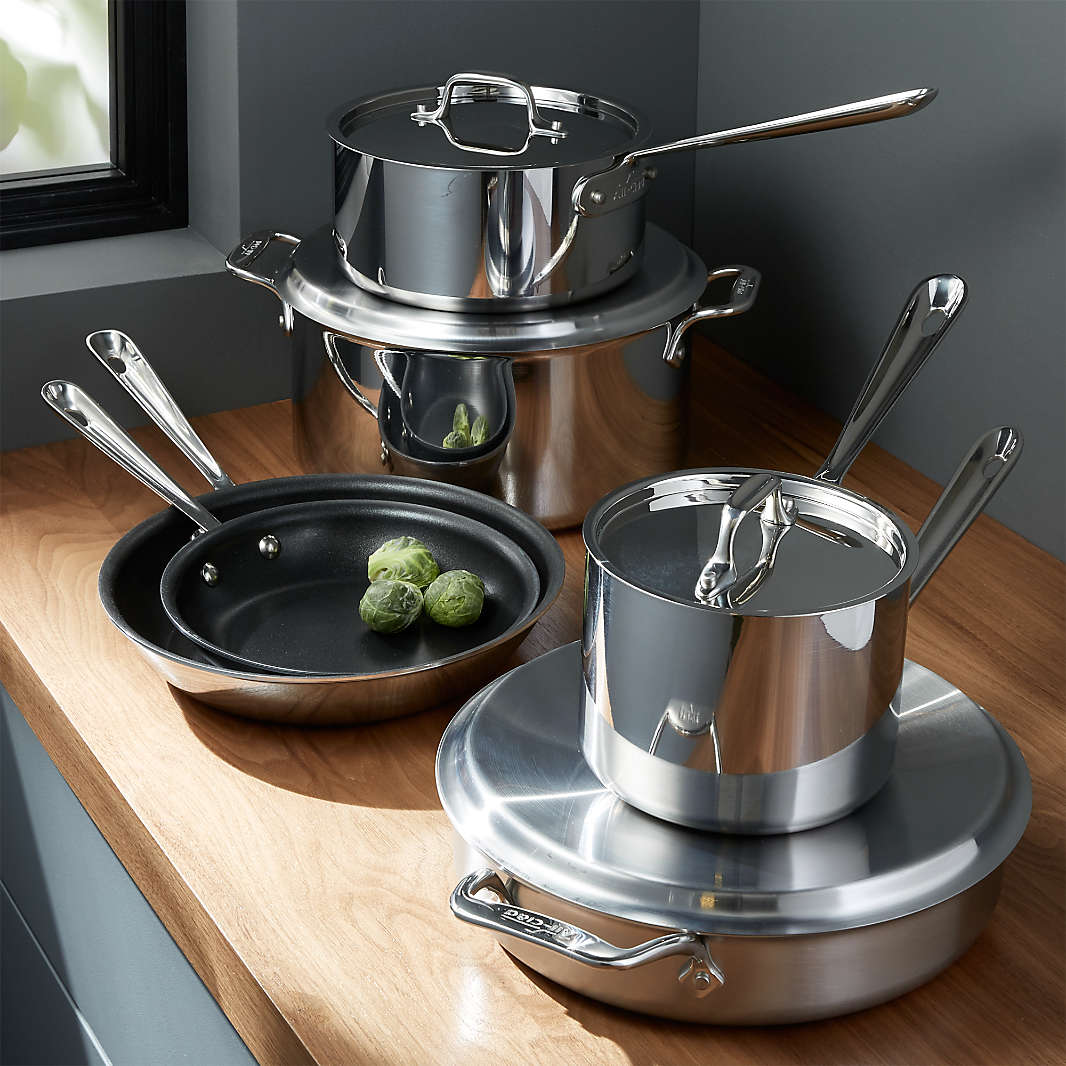
Delicate foods need lower heat and more patience. Nonstick All-Clad cookware is often the easiest option for eggs, pancakes, and fragile fish.
For stainless steel, use this approach:
- Preheat the pan over low to medium heat.
- Add butter or oil.
- Add the food only after the fat melts or spreads.
- Keep the heat moderate.
- Move the food gently.
- Remove the pan from the burner when the food is almost done.
Eggs may continue cooking from the pan’s retained heat. Removing them a little early can prevent dry edges.
Pancakes
Use medium-low heat. The first pancake often serves as a heat check. If it browns before bubbles form, lower the heat. If it stays pale and absorbs fat, raise the heat slightly.
For nonstick cookware, avoid aerosol cooking sprays unless the product instructions allow them. Some sprays can leave a sticky film when repeatedly heated.
Scrambled eggs
Add butter to a cool or gently warmed pan. Keep the heat low and stir often. High heat can make the eggs seize and leave a cooked layer on the pan.
For stainless steel, a little more fat and careful temperature control may be needed. For frequent egg cooking, a quality nonstick skillet can reduce sticking and cleanup.
How to Use All-Clad Cookware in the Oven
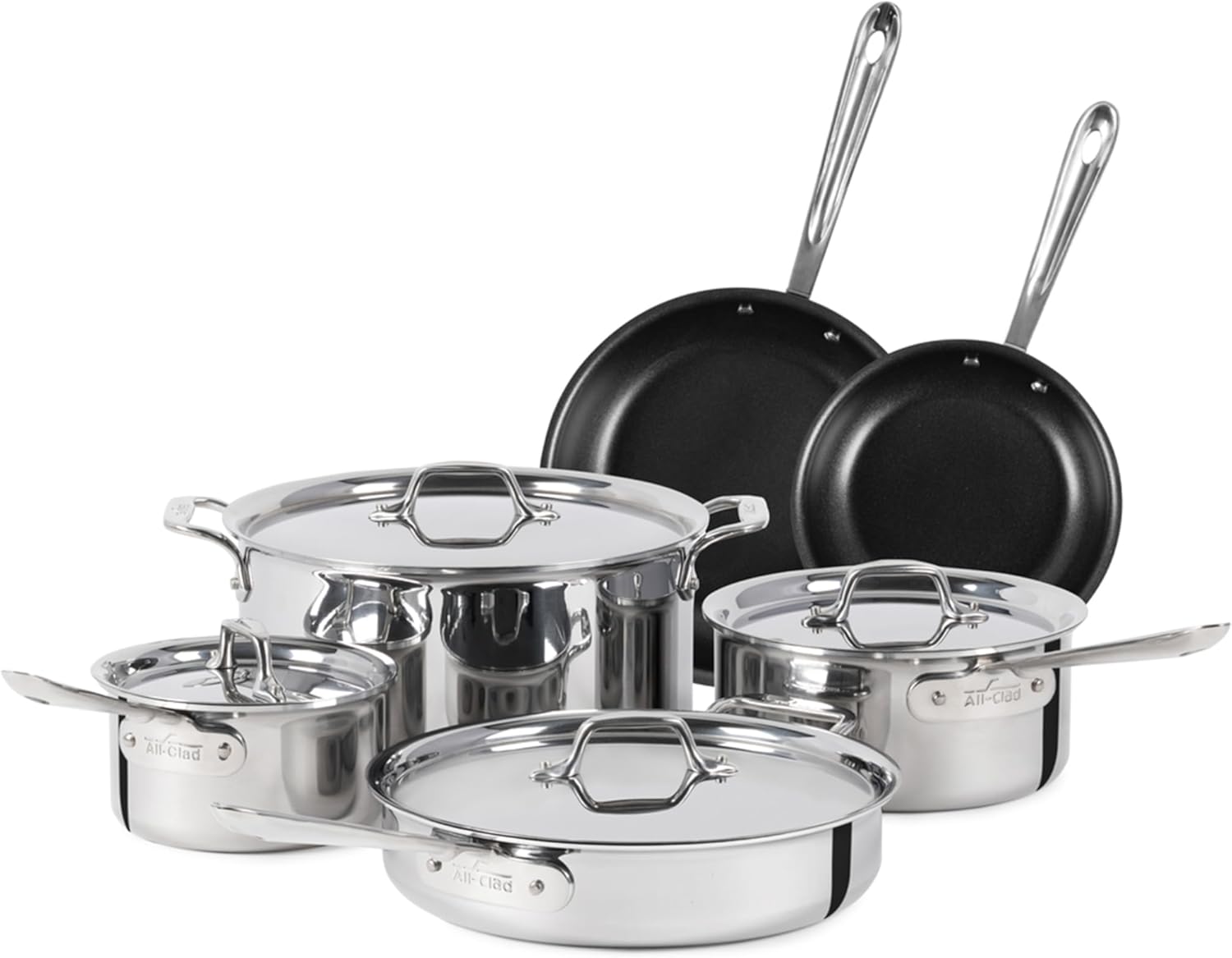
Many All-Clad pans can go from the stovetop to the oven, but the safe temperature depends on the collection, handles, lids, and nonstick coating.
Before using an All-Clad pan in the oven:
- Check the exact model’s instructions.
- Confirm the maximum oven temperature.
- Check whether the lid has a different temperature limit.
- Remember that stainless steel handles become hot.
- Use dry oven mitts when moving the pan.
- Do not place a hot pan on a cold, wet, or delicate surface.
Some cookware may be broiler-safe while another model is not. Treat the broiler as a separate, higher-risk setting and verify it in the product instructions.
Stovetop-to-oven cooking
A common method is to brown food on the stovetop, add sauce or vegetables, and finish in the oven. This works well for chicken, pork, frittatas, casseroles, and braises.
Do not assume that a pan safe at 350°F is safe at every higher temperature. Nonstick cookware often has stricter limits than bare stainless steel.
How to Clean and Care for All-Clad Cookware
Clean the pan after it has cooled enough to handle. Avoid pouring cold water into a very hot pan because sudden temperature changes can stress the metal and cause warping.
Stainless steel cleaning
For routine cleaning:
- Let the pan cool.
- Wash it with warm water, dish soap, and a soft sponge.
- Rinse away all soap.
- Dry it fully to reduce water spots.
For stuck food, fill the pan with warm water and let it soak. You can also simmer water in the pan for a short time to loosen residue. Use a nonabrasive cleaner made for stainless steel if discoloration remains, and follow the cleaner’s directions.
Blue, gold, or rainbow-colored marks can appear after heating. They are usually heat discoloration, not a sign that the pan has failed. A stainless steel cleaner can often remove them.
Nonstick cleaning
Wash nonstick pans by hand with mild dish soap and a soft sponge unless the manufacturer’s instructions state otherwise. Avoid steel wool, harsh scouring pads, and abrasive powders.
Do not use metal utensils if the care guide says to avoid them. Small scratches can reduce the usefulness of the coating. Replace a nonstick pan if the coating is peeling, flaking, or badly damaged.
Dishwasher use
Some All-Clad cookware is labeled dishwasher-safe, while other pieces may have care limits. Dishwasher detergent can dull stainless steel and may affect exterior finishes or handles over time.
The exact product instructions control. If appearance and long service life matter, hand-washing is often the gentler choice.
Common All-Clad Cooking Problems and Fixes
Use the symptom first, then check the likely cause.
| Problem | Likely cause | Practical fix |
|---|---|---|
| Food sticks to stainless steel | Pan or food was too cool, or food moved too soon | Preheat, dry the food, add oil, and wait for release |
| Food burns on the outside | Heat is too high | Lower the burner and use the pan’s retained heat |
| Food steams instead of browns | Pan is crowded or wet | Dry ingredients and cook in batches |
| Eggs stick badly | Heat is too high or fat is insufficient | Use lower heat, more butter, or nonstick cookware |
| Oil smokes | Pan is overheated or oil has a low smoke point | Remove from heat and let the pan cool |
| Pan has brown or black residue | Fond or burned food remains | Soak, simmer water, and use a suitable cleaner |
| Stainless steel has rainbow marks | Heat discoloration | Use a stainless steel cleaner if desired |
| Pan rocks on the burner | Base may be warped or the cooktop may be uneven | Stop using it on unstable surfaces and contact the manufacturer if needed |
| Nonstick surface is peeling | Coating is damaged | Replace the pan rather than scraping or continuing to use it |
If oil catches fire, turn off the heat if you can do so safely and cover the pan with a metal lid. Never pour water onto a grease fire. Leave the pan covered and call 911 if the fire does not go out quickly or you cannot control it safely.

Key Takeaways
- Use medium heat for most All-Clad stainless steel cooking.
- Preheat stainless steel, then add oil and dry food.
- Let browned food release before turning it.
- Use lower heat for eggs, pancakes, and nonstick cookware.
- Avoid crowding the pan.
- Check the exact model before using an oven, broiler, induction burner, or dishwasher.
- Use a food thermometer for meat and poultry.
- Clean cookware after it cools, and avoid thermal shock.
Frequently Asked Questions
Do you need to season All-Clad stainless steel cookware?
No. Stainless steel All-Clad pans do not need seasoning like cast iron. A clean surface, proper preheating, enough cooking fat, and moderate heat help reduce sticking.
Why does food stick to my All-Clad pan even when I use oil?
The pan may be too cool, the food may be wet, or the food may have been moved too soon. Preheat the pan, dry the ingredients, use enough oil for the recipe, and wait for browned food to release.
Can you use metal utensils with All-Clad cookware?
Metal utensils are generally suitable for bare stainless steel surfaces, but they can scratch nonstick coatings and some finished surfaces. Use silicone or wood when the product instructions call for gentler tools.
Can All-Clad cookware go in the dishwasher?
Some All-Clad products are dishwasher-safe, but instructions vary by collection and component. Check the exact model. Hand-washing is usually gentler on finishes and nonstick coatings.
Is All-Clad good for induction cooking?
Many All-Clad collections are induction-compatible, but compatibility depends on the model and base. Check the product specifications or test the base with a magnet as a quick indication.
What is the best All-Clad pan for eggs?
A nonstick All-Clad skillet is usually the simplest choice for eggs. Stainless steel can also work, but it requires lower heat, careful preheating, and enough butter or oil.
Final Recommendation
Start with medium heat, not high heat. Give stainless steel time to warm, keep food dry, and let browning happen before you move it. For delicate foods, choose lower heat or a nonstick pan. When in doubt about oven temperature, dishwasher use, or induction compatibility, follow the instructions for your exact All-Clad model.