Does Scratched Teflon Cause Cancer: Safety Guide 2026

Scratched Teflon is unlikely to cause cancer, but use and heat matter most.
You want the real answer to "does scratched teflon cause cancer" — not fear or fluff. I work with cookware safety and food science. I have tested pans, read the studies, and seen how people cook at home. Below I give clear facts, smart tips, and honest guidance so you can decide whether your scratched nonstick should stay or go.
Source: org.hk
What Teflon Is and Why Scratches Happen
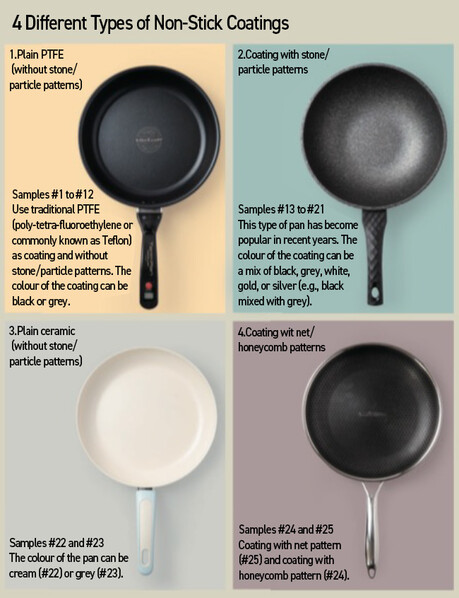
Teflon is the brand name for PTFE. PTFE is a slick, stable plastic. It helps food slide off with little oil.
Why scratches happen:
- Metal tools and rough scrubbing wear the surface.
- Stacking pans can cause abrasion.
- High heat and sudden cooling (thermal shock) can weaken the coating.
- Normal use slowly wears any nonstick finish.
How you cook and clean changes how fast wear shows. Small surface wear is common. Big chips are not.
How PTFE works (short primer)
PTFE makes a very low-friction surface. It binds to the pan by layers. When the top layer is damaged, the pan loses nonstick power. The plastic does not dissolve in food. It flakes if badly worn.
Does scratched Teflon cause cancer? The science
A common question is: does scratched teflon cause cancer? Here is what the evidence and lab work say.
- PTFE itself is not classed as a carcinogen for normal cooking use.
- Small flakes from a scratched pan are mostly inert. They tend to pass through the gut without being absorbed.
- Older pans were made using PFOA in the manufacturing process. High PFOA exposure in factory workers was linked to some cancers. That exposure route is very different from cooking at home.
- Modern nonstick is made without PFOA. Residues on new pans are either not found or are far below safety limits.
- Off-gassing at very high heat can happen. That creates short-term fumes. It is an acute issue, not a proven cancer risk.
So, does scratched Teflon cause cancer? Evidence says no for normal home use. The bigger risk is heat, not scratches. Very high heat can release fumes. Those fumes can make people feel ill. They can also harm pet birds.
People also ask: does scratched Teflon cause cancer if you eat the flakes? Current data says no. The flakes are chemically stable. Your gut does not break them down. They usually exit the body.
Quick answers:
- Is PTFE a carcinogen? No, when used as intended.
- Are modern pans PFOA-free? Yes, most major brands are.
- Should I toss a lightly scratched pan? Not strictly for cancer risk. For performance and safety, maybe soon.

Source: tripadvisor.com
Risks To Know: Heat, Fumes, and Flakes
Overheating is the key risk. An empty nonstick pan on high heat can reach dangerous temperatures in minutes. At very high heat, PTFE starts to break down and can release fumes.
Health effects to know:
- Polymer fume fever: flu-like symptoms after inhaling fumes from overheated PTFE. Symptoms are short term.
- Birds: pet birds are far more sensitive. Even low-level fumes can be lethal.
- Chronic risk: there is no clear evidence that home cooking on PTFE causes cancer. Occupational exposure to PFOA was a different problem.
Flakes vs. fumes:
- Flakes are not good to eat. They are messy and reduce pan performance.
- Flakes are unlikely to cause internal harm. They are inert and pass through the gut.
- Deep chips can keep flaking. That is a sign to replace the pan.
If you worry about health, focus on heat control and care. Does scratched teflon cause cancer is the wrong single question. Use, heat, and age matter more.
Source: reddit.com
Practical Safety Tips for Teflon Cookware
Use the pan right, and you lower risk a lot. These are the simple rules I give clients and friends.
- Cook on low to medium heat for most foods.
- Do not preheat an empty pan. Add a bit of oil or food first.
- Use wood, silicone, or nylon tools.
- Skip aerosol cooking sprays. They can leave sticky films that speed wear.
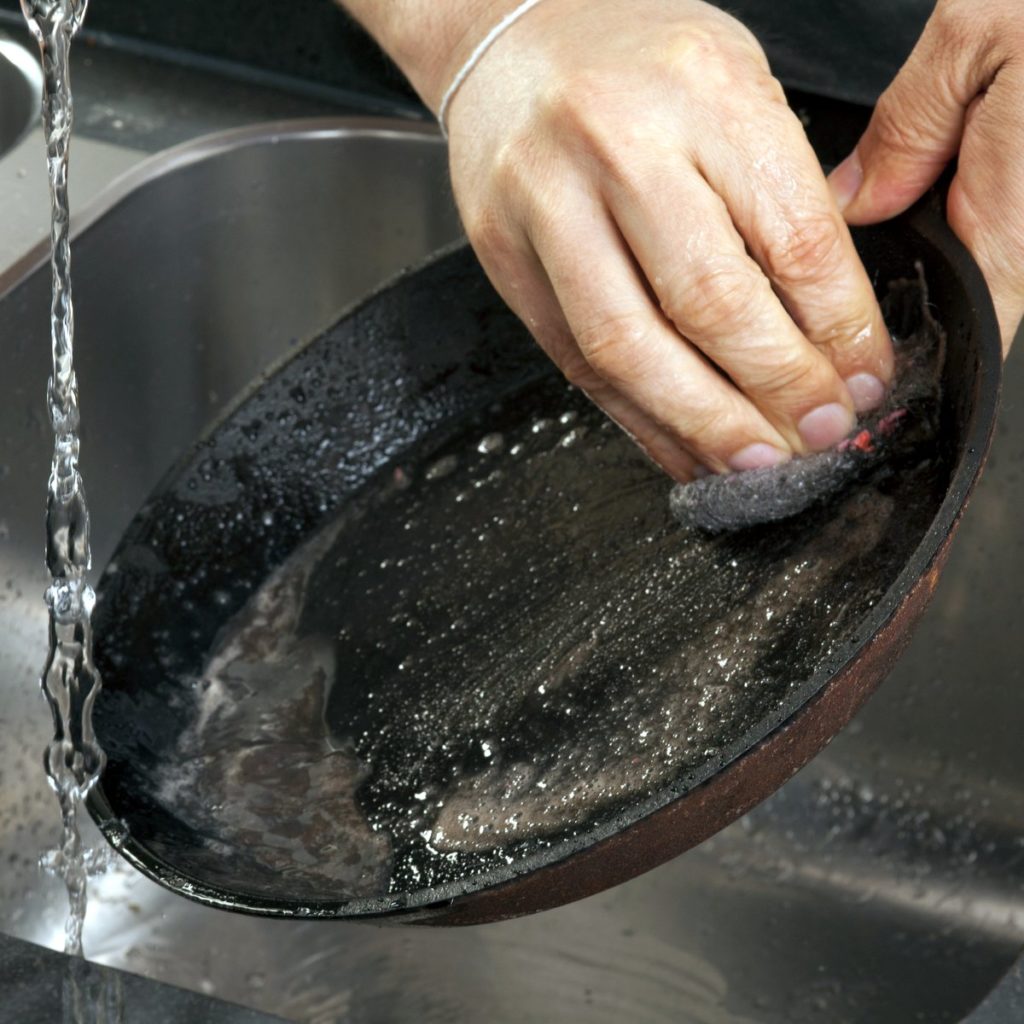
- Hand wash with a soft sponge. Avoid steel wool.
- Vent your kitchen. Use the hood or open a window.
- Keep birds out of the kitchen when using nonstick pans.
Short, repeatable habits matter. They keep pans working and reduce fumes. They also slow scratches.

Source: co.uk
What to do if a pan overheats
- Turn off the heat. Move the pan off the burner.
- Open windows and run the hood fan.
- Leave the room, especially if you feel dizzy or have breathing trouble.
- Do not bring birds near the area for several hours.
When To Replace Nonstick Pans
Scratches alone are not a cancer trigger. But they show wear. Replace the pan if you see any of these:
- Deep scratches or peeling edges.
- A surface that no longer releases food.
- Warping or hot spots that burn food unevenly.
- Stains that won’t come out.
- A burned or “melted” look after normal use.
Most nonstick pans last two to five years with care. If you ask again, "does scratched teflon cause cancer," pause and check the pan. If it looks rough or peels, retire it.
Source: nestandglow.com
Quick decision flow: Keep or toss?
- Light surface scrape, no peeling, and it still performs → Keep. Use gently.
- Deep chips or peeling → Toss. Replace for safety and cooking quality.
- Warped, burned, or uneven heat → Toss. These affect food and safety.
Safer Cooking Alternatives and How They Compare
You have many good options. Pick based on how you cook and the foods you make.
- Cast iron: holds heat well. Needs seasoning. Great for searing and oven use.
- Enameled cast iron: nonreactive and easy to clean. Heavy.
- Stainless steel: durable. Needs oil and technique for nonstick results.
- Ceramic nonstick: avoids PTFE. It can wear faster. Keep heat low to medium.
- Hard-anodized aluminum: durable and heats well. Some have nonstick layers.
- Carbon steel: like cast iron but lighter. It seasons and gets better with use.
Each choice avoids the core worry: does scratched teflon cause cancer. The choice is mostly about care, skill, and what you like to cook.
Source: businessinsider.com
What Experts and Regulations Say
Cookware makers design PTFE to be safe at normal cooking heat. Many brands now mark pans as PFOA-free. Large health groups and regulators say modern nonstick is safe when used as directed.
Key points from authorities:
- The main safety rule from regulators is simple: do not overheat PTFE. Follow manufacturer temperature limits.
- Ventilate when cooking. This reduces any airborne byproducts.
- Keep pet birds out of the kitchen when using nonstick pans.
Regulators include national health agencies and environmental bodies that track PFAS and PFOA. Their guidance focuses on avoiding high heat and reducing long-term chemical releases from industry. For home cooking, the expert view is steady: use it right, and the risk stays low.

Source: delish.com
Personal Experience and Real-Life Lessons
In my test kitchen, I used an infrared thermometer on many pans. An empty nonstick pan hit high temps in minutes on high heat. That is where trouble starts. I now teach clients to add oil or food first and to use medium heat.
I once kept a scratched pan for eggs as a test. Food stuck more. Small flakes showed up. It did not make me sick. But it was a clear sign to replace the pan. The food tasted worse. Cleaning took longer. That’s a good rule: if cooking gets harder, the pan is past its prime.
What I tell friends who ask, "does scratched teflon cause cancer?" Focus on heat, care, and pan age. Replace worn pans. You will cook better and feel better.

Source: reddit.com
Frequently Asked Questions of does scratched teflon cause cancer
Does scratched Teflon cause cancer?
Current evidence says no under normal home use. The coating is inert. Flakes pass through the body. The main concern is overheating.
Is it safe to eat food cooked on a scratched Teflon pan?
Yes for most people in the short term. But a worn pan cooks worse and sheds more. Plan to replace it when flaking or performance drops.
Can Teflon fumes cause cancer?
Fumes from very high heat can cause polymer fume fever in people and harm birds. This is an acute effect. It is not the same as a proven cancer risk.
How hot is too hot for nonstick?
Keep it below medium to medium-high for most pans. Avoid preheating empty pans. Also avoid broilers and oven temps above the maker’s limit for that pan.
Are modern nonstick pans PFOA-free?
Most major brands phased out PFOA. Check the label or the maker’s site to be sure.
Can I repair a scratched nonstick pan?
Most DIY fixes do not last or are not food safe. If it is deeply scratched or peeling, replace it.
Does scratched Teflon release PFAS into food?
PTFE is a type of PFAS polymer but is stable in normal use. Flakes are inert and not known to leach into food during normal cooking.
New: How to check your pan (quick home test)
- Look: any peeling, flaking, or big chips → replace.
- Touch: rough, sharp flakes → replace.
- Cook: if food sticks more than before, the coating is compromised.
- Smell: if you smell chemical fumes at normal heat, stop using the pan and ventilate.
Conclusion
Scratches alone are not a cancer trigger. The best data supports that. The real risks come from very high heat and worn, peeling pans. Use low to medium heat. Add food before heating. Use gentle tools. Replace pans that look rough or cook poorly.
Do a quick audit of your cookware today. Keep what is safe. Retire what is not. Cook with calm. Want more tips like this? Subscribe, share your questions in the comments, and tell me how you cook at home.