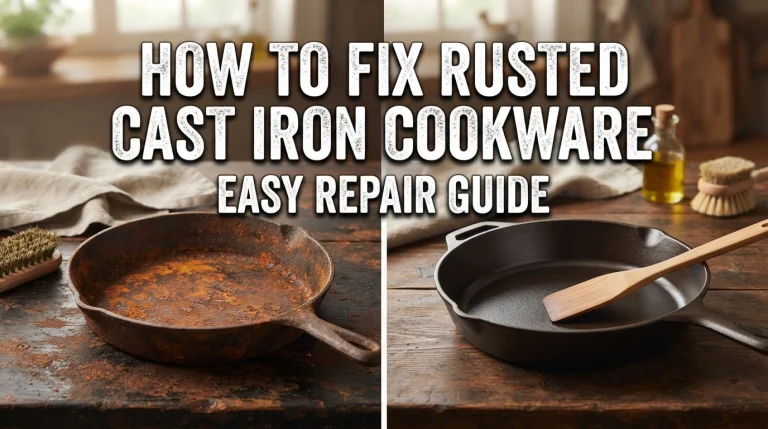
How to Keep Cast Iron Cookware from Rusting: A Complete Guide

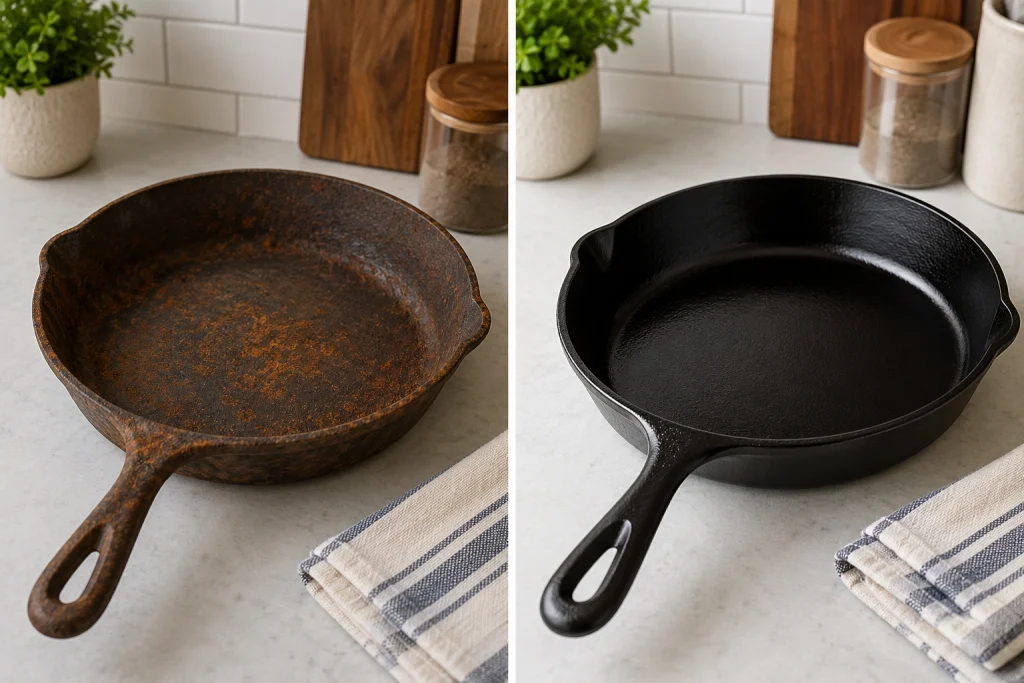
I know the feeling. You just bought a beautiful cast iron skillet. You cooked a great meal for your family. You washed the pan, set it on the counter to dry, and went to bed. The next morning, you woke up to find orange rust spots all over your new cookware. It is incredibly frustrating.
I hear this story from new home cooks all the time. Here is the thing: cast iron is one of the toughest materials in your kitchen. It can last for generations. But water is its absolute worst enemy. Bare iron mixed with water and air creates rust very quickly. If you are tired of scrubbing rust off your favorite pan, you are in the right place.
My name is Daniel Cross. I spend my time researching kitchen tools, testing cookware care methods, and helping everyday people set up practical kitchens. Today, we are going to fix your rust problem. I will show you exactly how to clean, dry, and protect your cast iron so you can get back to cooking great food without the stress.
Quick Answer
How do you keep cast iron cookware from rusting? The secret is keeping water completely away from the metal and keeping a protective layer of oil on the surface. Always hand wash your cast iron pan and dry it completely with a towel right away. Next, place the pan on the stove over medium heat for a few minutes to evaporate any hidden moisture. Finally, rub a very light layer of cooking oil all over the inside of the pan and let it cool before storing it in a dry place.
What Home Cooks Should Know About Cast Iron Rust
To stop rust, you need to know why it happens. Cast iron is very different from stainless steel cookware or nonstick pans. It does not have a chemical coating built into it. Instead, it relies on something called “seasoning.”
Seasoning is just layers of baked-on oil. When you heat oil to a high temperature on cast iron, it bonds to the metal. This hard, slick layer protects the iron underneath. When your pan rusts, it means the seasoning layer was broken or missing, and water reached the bare metal.
Here are a few things that break down your protective seasoning:
- Soaking in water: Leaving water in the pan overnight eats through the oil layer.
- Acidic foods: Simmering tomatoes, vinegar, or citrus for a long time can strip the seasoning on a newer pan.
- Harsh scrubbing: Using metal scouring pads on a daily basis scrapes the protective layer off.
- Air drying: Letting water sit on the pan while it air dries is the fastest way to invite rust.
The good news is that cast iron is almost impossible to ruin completely. Unless the pan is cracked, you can always clean off the rust and build that protective oil layer back up.
Signs You Should Adjust Your Cleaning Routine
Sometimes your pan gives you warning signs before it turns completely orange. If you know what to look for, you can fix the problem early. Pay attention to how your pan looks and feels after you wash it.
If your pan looks dry, gray, or dull, it is crying out for oil. If it feels sticky, you might be using too much oil or not heating it enough. Let’s break down the signs of a healthy pan versus a struggling pan.
| Sign on Your Cast Iron | What It Means | What You Should Do |
|---|---|---|
| Jet black, smooth, and slightly shiny | Perfect seasoning. The pan is well protected. | Keep up your normal washing and oiling routine. |
| Dull, dry, or gray patches | The seasoning is wearing thin in those spots. | Rub a light layer of oil on the pan and heat it on the stove. |
| Sticky or gummy surface | Too much oil was left on the pan, or it wasn’t heated enough. | Bake the pan upside down in the oven at 400°F for an hour to harden the oil. |
| Tiny orange specks or a metallic smell | Flash rust is starting to form from moisture. | Wash, scrub the spots, dry completely, and apply oil immediately. |
| Flaking black chips | Old seasoning or burnt food is peeling off. | Scrub well with coarse salt or a stiff brush, then re-season. |
Kitchen Safety Note: When heating a pan on the stove to dry it, never walk away. An empty cast iron pan can get incredibly hot very quickly. Always use thick, dry oven mitts when moving a hot pan to avoid severe burns.
How to Keep Cast Iron Cookware from Rusting Step by Step
The best way to prevent rust is to build a habit. When you follow these steps every single time you cook, rust will never be a problem. You only need basic kitchen tools: warm water, a sponge or gentle brush, a dry towel, and your favorite cooking oil.
- Wash the pan while it is warm. Let the pan cool down slightly after cooking, but wash it while it is still warm. Use warm water and a sponge. If food is stuck, use a pan scraper or a stiff nylon brush.
- Use mild soap if needed. Yes, you can use a few drops of mild dish soap! Modern dish soap does not destroy seasoning. Just avoid harsh degreasers or bleach.
- Towel dry immediately. As soon as you rinse the pan, take a clean, dry microfiber cloth or paper towel and dry the entire pan. Do not forget to dry the handle and the bottom.
- Heat dry on the stove. Towels cannot get every tiny drop of water. Place the pan on your stove over medium-low heat for 3 to 5 minutes. Watch it closely. This evaporates any invisible moisture trapped in the iron pores.
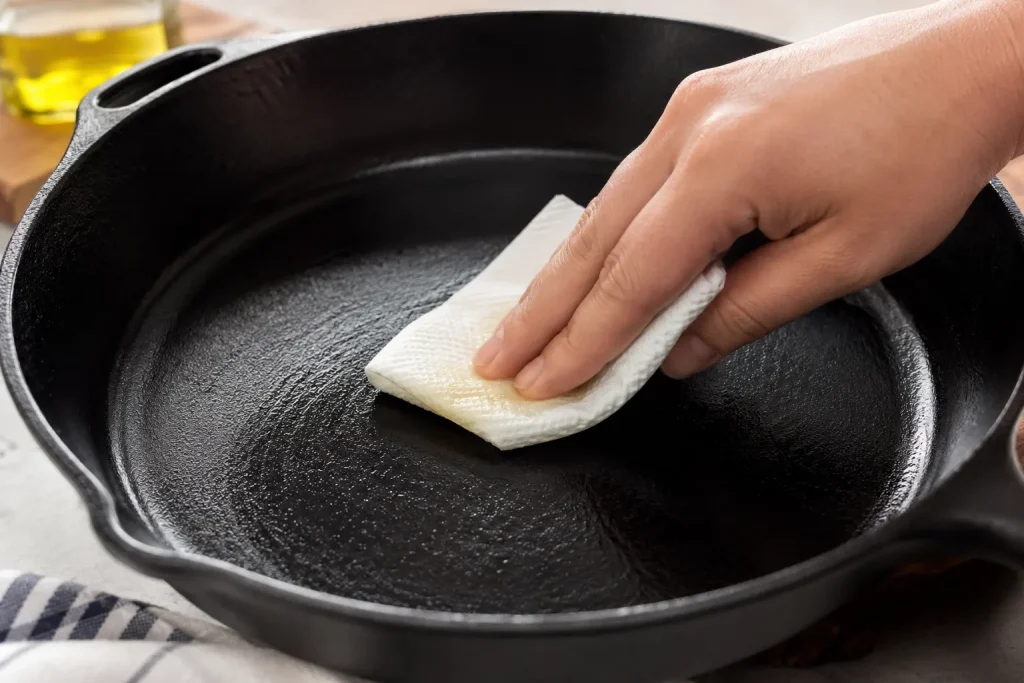
- Apply a protective oil layer. Turn off the burner. While the pan is still warm (but safe to touch with an oven mitt), pour a drop of canola oil, vegetable oil, or grapeseed oil into the pan. Use a paper towel to rub the oil all over the inside, outside, and handle.
- Wipe off the excess oil. This is a crucial step. Take a clean, dry paper towel and wipe the pan out as if you made a mistake and want to remove all the oil. The pan should look dry, not wet. If you leave a pool of oil, it will turn sticky.
- Store in a dry place. Let the pan cool completely before putting it away. Store it in a dry cabinet away from steam.
Common Mistakes to Avoid
Many home cooks accidentally ruin their cast iron seasoning simply because they treat it like a regular stainless steel pot. Avoid these common traps to keep your cookware safe from rust.
- Putting cast iron in the dishwasher: Never do this. The harsh detergents and long water cycles will strip your seasoning and cover the pan in thick rust. Always check your Consumer Product Safety Commission or manufacturer guidelines if you are unsure if a pan is dishwasher safe, but assume bare cast iron never is.
- Letting the pan air dry on the drying rack: Leaving water on bare iron for even 20 minutes can cause “flash rust.” Always dry it actively.
- Leaving food sitting in the pan overnight: Food contains moisture. If you leave your dinner leftovers sitting in the skillet, the moisture will eat through the seasoning by morning. Transfer leftovers to food storage containers.
- Using the wrong oil for daily care: Avoid butter or extra virgin olive oil for storing the pan, as they can go rancid or burn at low temperatures. Stick to neutral cooking oils like canola or grapeseed.
- Storing pans while wet: If you stack a wet pot on top of your cast iron, moisture gets trapped. Make sure everything in your cabinet is bone dry.
Practical Tips from Daniel
Over the years of organizing kitchens and helping people with meal prep, I have picked up a few easy tricks to make cast iron care feel like less of a chore.

Daniel’s Kitchen Tip: Use Paper Towels for Storage
If you stack your pots and pans in a small apartment kitchen, place a dry paper towel inside the cast iron skillet before you put another pan on top of it. The paper towel absorbs any hidden moisture in the air and protects the seasoning from getting scratched by the pan above it.
Daniel’s Kitchen Tip: The Salt Scrub Trick
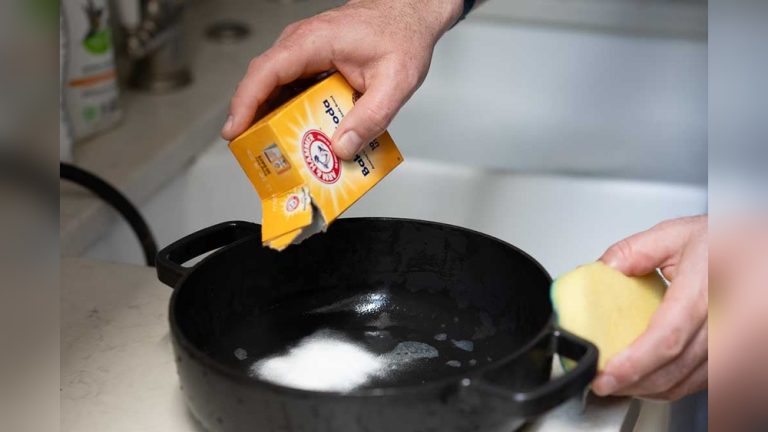
If you cook something stubborn that sticks to the bottom, don’t soak the pan. Instead, pour a handful of coarse kosher salt into the warm pan. Grab a folded paper towel and rub the salt around. The salt acts like gentle sandpaper. It scrubs the stuck food away without scratching your seasoning or introducing excess water. Dump the dirty salt, rinse quickly, and dry.
Warning on Food Safety:
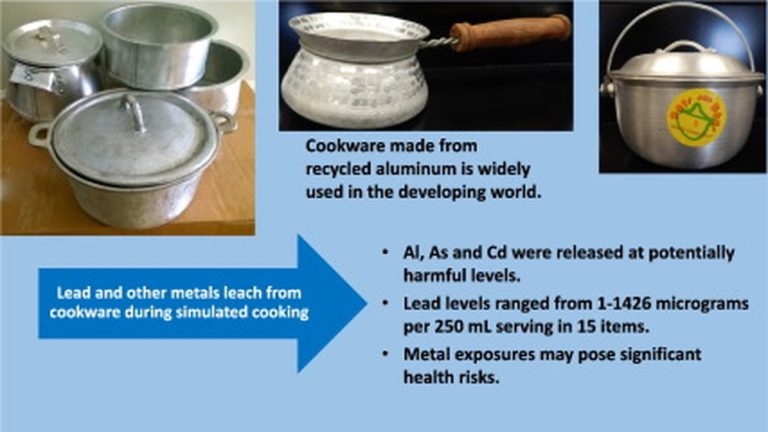
If your pan develops thick, heavy, flaky rust, do not cook food in it. While minor rust is not highly toxic, heavily rusted cookware can add an unpleasant metallic taste to your food and ruin your meals. According to basic food safety practices, your cooking surfaces should be clean and smooth. Strip the heavy rust with steel wool, wash thoroughly, and re-season the pan in the oven before cooking again. If you have concerns about old, vintage cookware and potential lead contamination, consult a qualified professional or use testing kits.
Key Takeaways
- Water and air cause cast iron to rust. You must keep moisture away from the metal.
- Always hand wash your cast iron; never put it in the dishwasher.
- Towel dry immediately, then heat the pan on the stove to evaporate hidden moisture.
- Rub a very thin layer of neutral cooking oil on the warm pan before putting it away.
- Wipe out excess oil so the pan does not become sticky in the cabinet.
Frequently Asked Questions
Can I use dish soap on cast iron?
Yes, you can use mild dish soap on cast iron cookware. Modern dish soaps are gentle and will not destroy a good layer of baked-on seasoning. Just avoid using harsh degreasers or letting the pan soak in soapy water for a long time.
Is a little bit of rust on cast iron dangerous?
A small amount of surface rust on a pan is not generally harmful, but it will make your food taste metallic and bad. It is best to scrub the rust off with a stiff brush or coarse salt, wash the pan, and rub it with oil before cooking again.
What is the best oil to stop cast iron from rusting?
The best oils for everyday rust prevention are neutral oils with high smoke points, such as canola oil, vegetable oil, or grapeseed oil. Avoid extra virgin olive oil or butter, as they can spoil or burn easily.
Why does my pan rust even when I oil it?
If your pan rusts after you oil it, you likely trapped water underneath the oil. This happens if you do not dry the pan completely before applying the oil. Always heat the pan on the stove for a few minutes to evaporate all moisture before adding oil.
Can I put cast iron in the dishwasher?
No, you should never put cast iron in the dishwasher. The intense water heat and harsh detergents will strip the protective oil layer and cause the bare iron to rust very quickly. Always wash it by hand.
How do I remove minor rust from my cast iron skillet?
To remove minor surface rust, scrub the affected area with coarse salt or a piece of fine steel wool. Once the rust is gone, wash the pan with warm water, dry it completely on the stove, and apply a fresh layer of cooking oil.
Conclusion
Keeping your cast iron cookware from rusting does not have to be a stressful chore. It all comes down to a simple routine: wash gently, dry completely with heat, and protect the surface with a thin layer of oil. Once you build this habit, caring for your cast iron will only take a few extra minutes after dinner.
Remember, cast iron is incredibly forgiving. If you make a mistake and spot some rust, don’t panic. You can always scrub it clean and start over. Treat your cookware well, and it will reward you with perfectly seared steaks, nonstick eggs, and great family meals for decades to come.
If you are looking to upgrade your kitchen setup or want to see how cast iron compares to other materials, check out our beginner cookware buying guides for more practical advice. Happy cooking, and keep those pans dry!