What Is A Halogen Cooktop: Benefits And Safety Tips

A halogen cooktop uses radiant heat from halogen lamps beneath glass to cook food quickly.
A halogen cooktop is a fast, smooth electric cooking surface that produces heat through bright infrared lamps under a glass-ceramic panel. It looks similar to a standard ceramic cooktop, but its heating method, response time, energy use, and safety needs are different. This guide explains how halogen cooktops work, what they do well, where they fall short, and how to use one safely.

What Is a Halogen Cooktop?
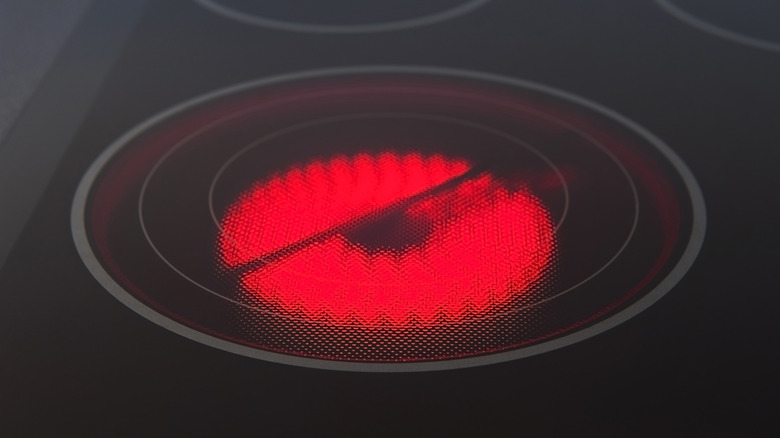
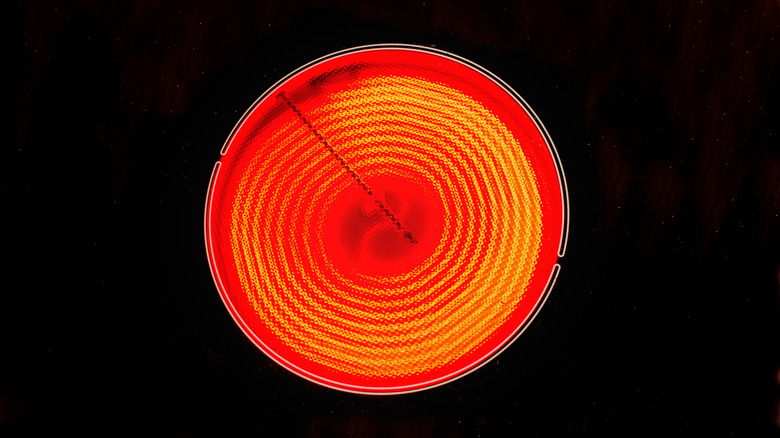
A halogen cooktop is an electric cooktop that uses halogen heating elements to transfer radiant heat to cookware. The elements sit below a flat glass-ceramic surface. When switched on, they glow red or orange and send infrared energy through the glass to the pan.
The word “halogen” refers to the type of lamp used in the heating element. Halogen lamps contain a halogen gas, which lets the lamp operate at a high temperature and produce strong radiant heat.
A halogen cooktop usually has:
• A smooth glass-ceramic cooking surface
• One or more halogen heating zones
• Power controls for each zone
• A residual-heat indicator
• A temperature limiter to reduce overheating
• A metal frame or sealed edge around the glass
Unlike an induction cooktop, a halogen cooktop does not use a magnetic field. It heats the cooking zone first, then the zone transfers heat to the pan.
A useful way to picture it is to compare the cooktop to a small sun under the glass. The lamp sends out radiant energy, and the pan absorbs that energy. The cookware then spreads the heat into the food.

How Does a Halogen Cooktop Work?
When you turn on a halogen cooktop, electricity flows into a heating element beneath the glass. The halogen lamp quickly reaches a high temperature and emits infrared radiation.
That radiation passes through the glass-ceramic surface and reaches the base of the cookware. The pan absorbs the energy, becomes hot, and cooks the food.
The process has four main steps:
- You select a cooking zone and heat level.
- The halogen lamp heats within seconds.
- Infrared energy passes through the glass.
- The cookware transfers heat to the food.
Most halogen cooktops cycle the heating element on and off to maintain the selected temperature. This is normal. You may see the red glow fade and return as the thermostat controls the heat.
The glass surface itself also becomes hot because the pan transfers heat back to it. This is one of the biggest differences between a halogen cooktop and an induction model. With induction, the pan heats directly through magnetism, while the glass usually stays cooler.
In my experience testing smooth electric cooking surfaces, many users mistake the cycling glow for a fault. It is usually a normal control feature. The key is to judge performance by the food and pan temperature, not only by whether the lamp stays bright.

Halogen Cooktop vs. Induction Cooktop
Halogen and induction cooktops can look almost identical, but their technology is very different.
A halogen cooktop creates radiant heat. An induction cooktop creates an electromagnetic field that heats compatible cookware directly.
| Feature | Halogen cooktop | Induction cooktop |
|---|---|---|
| Heat source | Infrared halogen element | Electromagnetic field |
| Pan requirement | Most flat-bottom cookware works | Magnetic cookware is required |
| Heating speed | Fast | Usually very fast |
| Glass surface | Gets very hot | Often stays cooler |
| Heat response | Slower than induction | Very quick |
| Noise | Usually quiet | May produce a light hum |
| Control | Smooth and familiar | Precise and highly responsive |
| Cost | Often lower | Often higher |
| Energy use | Moderate | Often more efficient |
A halogen cooktop is usually easier to use if you already own stainless steel, aluminum, copper, or ceramic cookware. However, pans should have a flat, stable base for good contact.
Induction is often the better choice for speed, efficiency, and safety. A halogen cooktop may be the better choice for shoppers who want a smooth surface without replacing their cookware.
The right option depends on your priorities. A home cook who values fast boiling and low surface heat may prefer induction. Someone who wants simple electric cooking and broad cookware compatibility may prefer halogen.
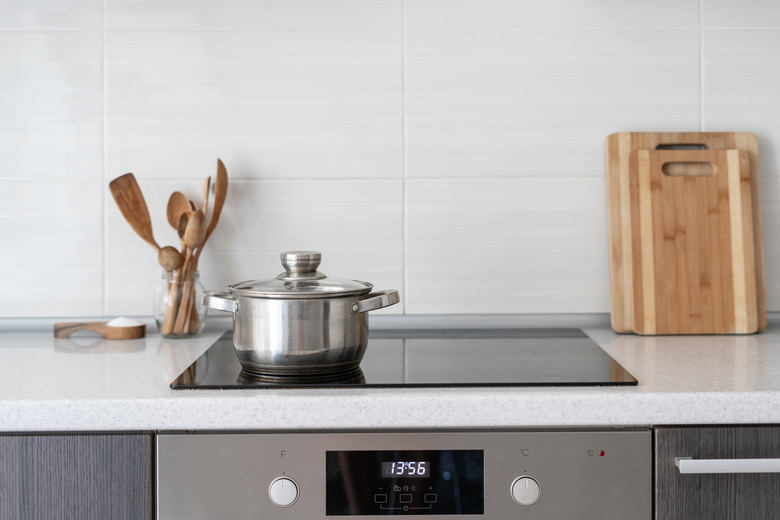
Benefits of a Halogen Cooktop
A halogen cooktop offers several practical advantages for everyday cooking.
Fast heat
Halogen elements heat much faster than traditional electric coil burners. They can move from low heat to high heat quickly, which helps when boiling water, searing meat, or bringing soup to a simmer.
The heat is not always as instant as induction, but it is fast enough for most home meals.
Smooth, modern design
The flat glass surface gives a kitchen a clean appearance. It also removes the raised coils and deep gaps found on older electric cookers.
This design can make the cooktop easier to wipe after cooking. Spills have fewer places to hide.
Easy cookware compatibility
A halogen cooktop can work with many common types of cookware, including:
• Stainless steel
• Cast iron
• Aluminum with a suitable base
• Copper with a suitable base
• Glass cookware approved for stovetop use
• Ceramic cookware made for direct heat
The pan should sit flat and have a base that matches the cooking zone. A warped pan may heat unevenly and can scratch the glass.
Precise heat control
A halogen cooktop gives you a wide range of heat settings. You can use high heat for boiling and low heat for melting chocolate or keeping a sauce warm.
It does retain heat after the lamp switches off, so you may need to lower the setting earlier than expected.
Quiet operation
Most halogen cooktops operate quietly. They do not usually have the fan noise that some induction cooktops produce.
This can be helpful in open-plan kitchens where appliance noise carries into the living area.
Often lower purchase cost than induction
Prices vary by brand, size, controls, and installation requirements. Still, halogen cooktops are often less expensive than comparable induction models.
Remember to compare total value, not only the purchase price. Energy use, cookware needs, installation, and expected service life also matter.
Limitations of a Halogen Cooktop
A halogen cooktop is not perfect for every kitchen. Understanding its limits can prevent disappointment.
The surface stays hot
The glass remains hot after you remove the pan. Some models have a residual-heat light, but the surface can still look safe before it has cooled fully.
Keep children away from the cooktop after use. Do not place plastic containers, towels, or other heat-sensitive items on the surface.
It can use more energy than induction
Radiant heat must pass through the glass before it reaches the pan. This creates more heat loss than direct induction heating.
Energy performance depends on pan size, cookware quality, cooking habits, and the model itself. A halogen cooktop may still be more efficient than an old electric coil appliance, but induction generally transfers heat more directly.
Glass can scratch or crack
Glass-ceramic surfaces are strong, but they are not indestructible. Sliding a heavy cast-iron pan across the surface can cause scratches. A hard impact from a dropped pot may cause a crack.
Never use a cracked cooktop. Disconnect power if it is safe to do so and arrange professional service.
Heat control is not completely instant
The halogen lamp responds quickly, but the glass and pan hold heat. When you lower the setting, the temperature does not fall as immediately as it does on induction or gas.
For delicate foods, move the pan to a cool zone when you need an immediate temperature change.
Uneven heating is possible
A pan with a small or warped base may not receive heat evenly. The center of the pan can become much hotter than the edges.
Use cookware with a thick, flat base. Match the pan diameter to the marked cooking zone whenever possible.
Cleaning requires care
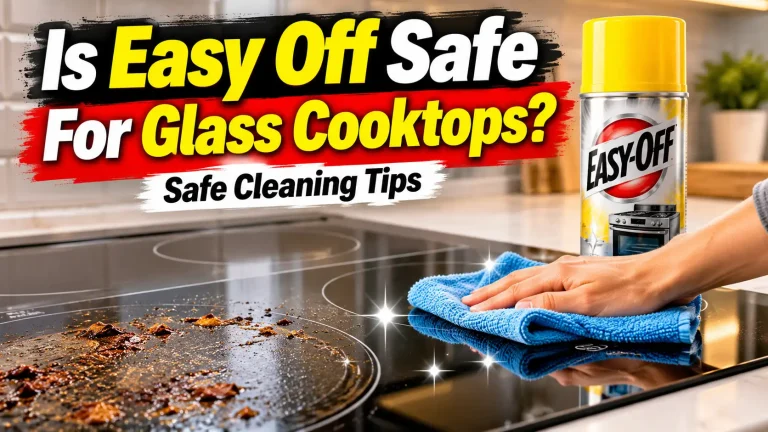
A halogen cooktop is easy to wipe, but cooked-on sugar, melted plastic, and grease need prompt attention. Rough scouring pads can damage the surface.
Use a cleaner made for glass-ceramic cooktops and follow the appliance instructions.

What Cookware Works Best on a Halogen Cooktop?
The best cookware for a halogen cooktop has a flat, smooth, heavy base. Good contact helps transfer radiant heat evenly from the glass to the pan.
Recommended features include:
• A flat bottom with no rocking
• A base that is close to the size of the cooking zone
• A clean, dry underside
• A thick base that spreads heat
• Handles that stay stable during cooking
Cast iron can work on a halogen cooktop, but use caution. It is heavy and may scratch the glass if dragged. Lift it instead of sliding it.
Copper and aluminum heat well, but some pans may leave marks on glass-ceramic surfaces. Check the cookware instructions before use.
Avoid using a pan that is badly warped. Also avoid oversized cookware that extends far beyond the marked zone. It can transfer too much heat to the surrounding glass.
A simple test is to place the empty pan on the cold surface. If it rocks, spins, or leaves a visible gap, it may not be suitable.
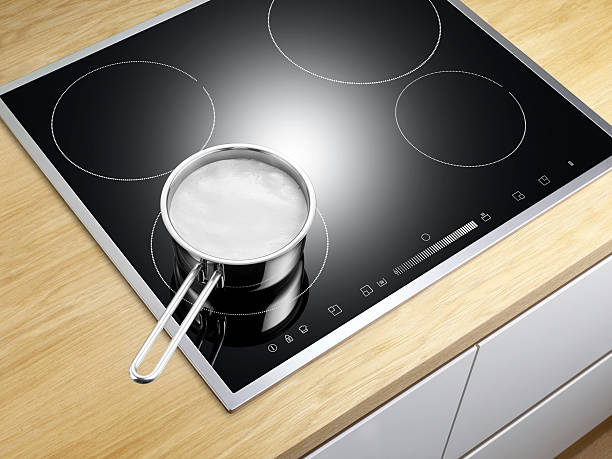
How to Use a Halogen Cooktop Safely
Safe use starts with the cookware and continues until the surface has fully cooled.
- Place the cooktop on a stable, properly installed electrical circuit.
- Check that the glass surface is clean and dry.
- Use a flat-bottom pan that matches the cooking zone.
- Keep pan handles away from the front edge.
- Start with the recommended heat level.
- Lower the heat when the food reaches a boil.
- Turn the zone off before cooking is fully complete.
- Use residual heat only when the recipe allows it.
- Wait for the heat indicator to turn off before cleaning.
- Keep flammable items away from the cooking surface.
Do not place wet lids, foil, plastic, or paper directly on an active zone. Aluminum foil can reflect heat or melt onto the surface, depending on the design of the appliance.
Never leave hot oil unattended. A halogen cooktop can bring oil to a dangerous temperature, even if the lamp cycles off and on.
If a pan boils over, turn off the zone and allow the surface to cool enough for safe cleaning. Avoid wiping a very hot glass surface with a wet cloth because sudden temperature changes can damage the glass.
How to Clean a Halogen Cooktop
Clean the surface after each use, but wait until it is safe to touch. Small spills are easier to remove before they harden.
Follow these steps:
- Turn off all cooking zones.
- Let the surface cool.
- Wipe loose crumbs with a soft cloth.
- Apply a cooktop-approved cleaner.
- Remove residue with a nonabrasive pad.
- Dry and polish with a clean microfiber cloth.
For burned-on food, use a scraper designed for glass-ceramic cooktops. Hold it at the angle recommended by the manufacturer and move it gently.
Sugar is especially important. Spilled sugar can bond to hot glass and cause damage as it cools. Carefully remove sugary spills as soon as possible, while following the appliance safety instructions.
Do not use steel wool, abrasive powder, oven cleaner, or harsh scouring pads unless the manufacturer specifically approves them.
One mistake I often see is wiping a cooktop with a rough kitchen sponge that has trapped grit. The sponge may look soft, but grit can leave fine scratches. Keep one clean microfiber cloth only for the cooktop.
Common Problems With Halogen Cooktops
Most halogen cooktop problems have a simple cause, but electrical faults need professional attention.
The heating zone does not glow
The zone may not glow if the control is locked, the pan is not relevant to the model, the power supply is interrupted, or the lamp has failed.
Unlike induction, many halogen zones can heat without detecting a pan. Check the controls, circuit breaker, and user manual before arranging service.
The zone cycles on and off
This is usually normal. A temperature limiter cycles the element to control heat and protect the appliance.
If food cooks very slowly even on the highest setting, the pan may be too small, warped, or poorly matched to the zone.
Food cooks unevenly
Uneven cooking often results from a thin pan, a warped base, or a pan that is much smaller than the heated area.
Use a heavy, flat pan and stir food when appropriate.
The surface shows marks
Metal marks can come from sliding cookware across the glass. Some marks can be removed with a cooktop cleaner, but deep scratches may remain.
Do not use damaged cookware on a new halogen cooktop. Replacing a rough pan is cheaper than replacing a glass surface.
The cooktop makes a noise
The glass itself is usually quiet, but some models may have cooling fans, relays, or control sounds. A new loud buzz, burning smell, error code, or repeated power failure should be checked by a qualified technician.
Do not open the appliance yourself unless you are trained and authorized to work on mains electricity.
Is a Halogen Cooktop Right for Your Kitchen?
A halogen cooktop may suit you if you want a sleek electric appliance, fast heating, and flexible cookware options. It can be a practical upgrade from old coil burners.
It may not be the best fit if you want the lowest possible energy use, instant temperature changes, or the coolest cooking surface. In those cases, induction is worth comparing.
Before buying, consider:
• The number and size of cooking zones
• The electrical supply needed
• Touch controls or knobs
• Residual-heat indicators
• Child-lock features
• The location of the controls
• Warranty coverage
• Availability of replacement parts
• Cleaning and installation requirements
Measure the counter opening if you are replacing an existing cooktop. Even similar-looking appliances can have different cutout sizes.
Read the manual before installation. A halogen cooktop is a high-power electrical appliance, so installation should follow local electrical rules and the manufacturer’s instructions.
Frequently Asked Questions About Halogen Cooktops
Is a halogen cooktop the same as a ceramic cooktop?
Not exactly. Ceramic describes the smooth glass-ceramic surface, while halogen describes the heating technology beneath it. Some ceramic cooktops use radiant coils or other electric elements instead of halogen lamps.
Does a halogen cooktop need special pans?
No special magnetic pans are required. Most flat-bottom cookware works, but the best results come from clean, heavy cookware that matches the size of the cooking zone.
Is a halogen cooktop better than induction?
Neither is best for every user. Induction usually offers faster response, lower surface heat, and better energy transfer, while a halogen cooktop often costs less and works with a wider range of cookware.
How long does a halogen cooktop stay hot?
The surface can remain hot for several minutes after the cooking zone is turned off. The exact cooling time depends on the heat level, pan size, cookware material, and model.
Can you use cast iron on a halogen cooktop?
Yes, but lift cast-iron cookware instead of sliding it. Cast iron is heavy and can scratch or damage the glass if handled roughly.
Why does a halogen cooktop turn red and then go dark?
The heating element cycles to control temperature and prevent overheating. The red glow may disappear even though the zone continues to provide heat in short cycles.
Are halogen cooktops energy efficient?
They can be more efficient than older electric coil appliances, but induction usually transfers energy to cookware more directly. Using a correctly sized pan and a lid can reduce wasted heat.
Conclusion
A halogen cooktop uses radiant infrared heat from halogen lamps beneath a smooth glass-ceramic surface. It heats quickly, works with many types of cookware, and offers a clean look for modern kitchens.
Its main drawbacks are the hot glass surface, slower cooling, possible energy losses, and the need to protect the ceramic panel from scratches and impacts. With flat cookware, careful heat control, and proper cleaning, a halogen cooktop can provide reliable everyday cooking.
Compare halogen and induction models based on your cookware, budget, kitchen wiring, and safety preferences. Explore trusted appliance guides, check manufacturer specifications, and share your own cooktop experience in the comments.