Is Easy Off Safe For Glass Cooktops: Safe Cleaning Tips

Easy Off is not the best choice for glass cooktops and can damage the surface.
If you have ever stared at a greasy stovetop and wondered whether Easy Off could save the day, you are not alone. Glass cooktops need a gentler touch than many people expect, and using the wrong cleaner can leave behind dull spots, scratches, or even permanent damage. In this guide, I’ll break down what happens when Easy Off meets a glass cooktop, what safer cleaning methods work better, and how to clean burned-on messes without risking the finish.
What Easy Off Is and Why People Use It
Easy Off is a heavy-duty oven cleaner made to cut through baked-on grease, carbon buildup, and stubborn food residue. It is strong by design, which is exactly why many people reach for it when a cooktop looks rough after cooking. On ovens and some metal surfaces, it can work well.
But a glass cooktop is a different story. The smooth top may look tough, yet it is more delicate than it seems. The coating, finish, and seals on a glass top can react badly to harsh chemicals, which is why Easy Off is usually not recommended.
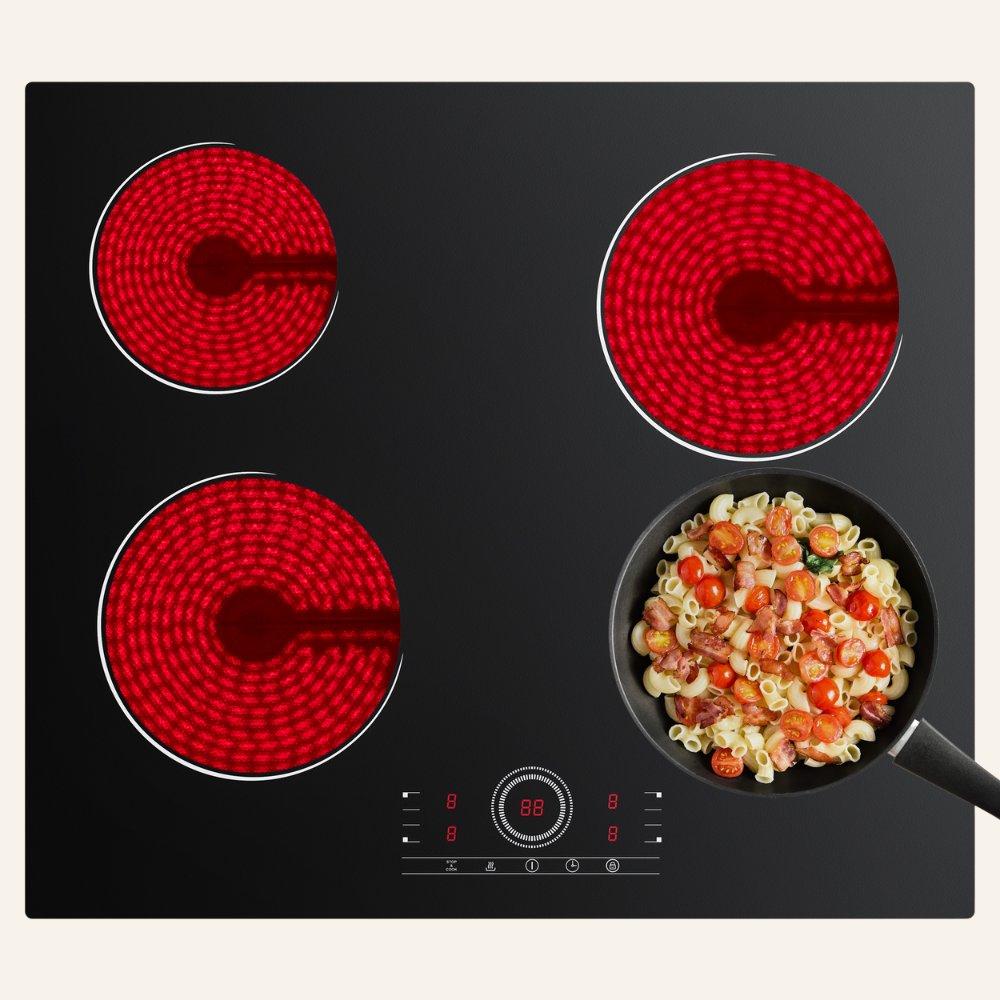
Is Easy Off Safe for Glass Cooktops?
The short answer is no, Easy Off is generally not safe for glass cooktops. It is too harsh for the delicate surface and may cause damage, cloudiness, or streaking. In some cases, it can also leave behind a residue that is hard to remove.
I’ve seen this mistake more than once when helping people clean kitchen surfaces. A person sees burned-on grease and thinks a powerful cleaner will solve the problem fast. Instead, the finish ends up looking worse, not better.
Glass cooktops are made to be cleaned with nonabrasive tools and mild cleaners. That means the best approach is usually the safest one, even if it takes a few extra minutes.
Why Easy Off Can Damage Glass Cooktops
Easy Off is formulated for oven interiors, where the surfaces are built to handle stronger cleaners. Glass cooktops are not made the same way. The top layer can be sensitive to caustic ingredients, heat, and repeated exposure.
Here are the main risks:
- Surface dulling: Harsh chemicals can leave the glass looking cloudy or hazy.
- Finish damage: Some cooktops have coatings that can break down after chemical exposure.
- Streaking and residue: Strong cleaners can leave a film that is hard to polish off.
- Seal issues: Liquid cleaner can seep into edges or around burners and weaken the trim.
One important thing to remember is that damage is not always instant. Sometimes the cooktop looks fine at first, then becomes dull after a few uses. That delayed effect is what makes harsh cleaners tricky.
What Manufacturers Usually Recommend Instead
Most glass cooktop brands recommend mild, nonabrasive cleaning methods. That usually means a soft cloth, warm water, dish soap, baking soda paste, or a cleaner made specifically for glass cooktops. These products are designed to lift grease without harming the surface.
Common safe options include:
- A microfiber cloth
- Warm water and a drop of dish soap
- A cooktop-safe cream cleaner
– A razor scraper made for glass cooktops, used carefully - Baking soda mixed with a small amount of water for stubborn spots
When I clean a glass top, I treat it like a camera lens, not a skillet. The goal is to remove dirt without scratching or stripping anything. Gentle tools almost always give a better long-term result.
How to Clean a Glass Cooktop the Safe Way
If your cooktop has everyday spills, skip the heavy chemical products. A simple routine works better and keeps the surface looking clear.
Try this:
- Turn the cooktop off and let it cool fully.
- Wipe away loose crumbs with a dry microfiber cloth.
- Apply a small amount of warm soapy water or cooktop cleaner.
- Use a soft cloth to clean the area in circles.
- For stuck-on spots, use a cooktop razor scraper at a low angle.
- Dry the surface with a clean towel to prevent streaks.
For greasy buildup, baking soda paste can help. Spread it on the stain, let it sit for a few minutes, then wipe it gently. This method is slower than Easy Off, but it is much safer for the finish.
What to Avoid on Glass Cooktops
A lot of damage happens because people use the wrong tool, not just the wrong cleaner. Glass cooktops need a careful hand.
Avoid these:
- Steel wool
- Abrasive pads
- Powdered scrub cleaners
- Knife blades or rough scrapers
- Oven cleaner like Easy Off
- Bleach or harsh chemical sprays
- Vinegar on hot glass, since sudden temperature changes are not worth the risk
Even one hard scrub can leave fine scratches that catch light every time you cook. Those marks can be hard to hide. That is why gentle cleaning is so important.

When Burned-On Stains Need More Than Soap
Sometimes a spill bakes onto the cooktop and feels impossible to remove. This is where people get tempted to reach for Easy Off. But there are safer ways to handle stubborn residue.
Try this approach first:
- Let the surface cool completely
- Soften the stain with a damp cloth for a few minutes
- Apply a baking soda paste
- Use a cooktop-safe scraper if needed
- Repeat rather than scrubbing harder
If the mark is actually mineral buildup or old cleaner residue, not food, a cooktop-specific cleaner may work best. I have found that patience matters more than power here. A second round of gentle cleaning is better than one aggressive round that ruins the shine.
How to Tell If Your Cooktop Has Been Damaged
If Easy Off has already been used, check for signs of harm. Some issues show up right away, while others appear later.
Look for:
- Cloudy patches
- Dull spots
- Tiny scratches
- Sticky residue
- Color changes around the burners
- Rough areas that were once smooth
If the surface is only streaky, it may still be salvageable with a proper cooktop polish. If the glass looks etched or permanently cloudy, the damage may be permanent. In that case, contact the manufacturer for advice before trying more products.
Safer Alternatives to Easy Off
If your goal is a clean, shiny stove, you do have better options than Easy Off. In my experience, the right cleaner depends on the type of mess.
Good alternatives include:
- Cooktop cleaner cream for routine care
- Microfiber cloths for daily wiping
- Baking soda paste for stuck-on food
- A cooktop razor scraper for burnt spills
- Nonabrasive polish for restoring shine
These options are slower than a heavy-duty oven cleaner, but they protect the surface. That tradeoff is worth it when you want the cooktop to last.
Frequently Asked Questions of Is Easy Off Safe for Glass Cooktops
Can Easy Off be used on a glass stove top at all?
It is not recommended for glass cooktops. The formula is too strong and can damage the surface, leave streaks, or dull the finish.
What should I use instead of Easy Off on a glass cooktop?
Use a cooktop cleaner, mild dish soap, baking soda paste, or a soft microfiber cloth. For stuck-on messes, a glass cooktop scraper is usually a safer choice than harsh chemicals.
Will Easy Off scratch a glass cooktop?
Easy Off itself may not scratch the glass, but it can weaken the finish and leave residue. If you also scrub hard or use the wrong pad, the chance of visible damage goes up.
How do I remove burnt-on food from a glass cooktop?
Let the surface cool, soften the stain with a damp cloth, then use a baking soda paste or a cooktop-safe scraper. Gentle repetition works better than a harsh cleaner.
What if I already used Easy Off on my glass cooktop?
Wipe it off right away with plenty of clean water and a soft cloth, then dry the surface. If the cooktop looks cloudy, dull, or damaged, check the manufacturer’s care guide for next steps.
Conclusion
Easy Off is not a safe cleaner for glass cooktops, and using it can create more problems than it solves. A glass surface needs gentle cleaners, soft cloths, and careful scraping when needed. That simple routine protects the finish and keeps the cooktop looking clear for years.
If you want your cooktop to stay in good shape, choose the mild route and save the heavy-duty oven cleaner for the oven. Try one of the safer methods above the next time a spill bakes on, and you will likely get better results with less risk. If this guide helped, explore more cooktop care tips and share your own cleaning experience in the comments.