Is A Ceramic Cooktop Induction: Key Differences Explained

No—most ceramic cooktops are not induction, though some induction models have ceramic glass tops.
A ceramic cooktop induction question comes up a lot because the surfaces can look almost the same at first glance. I’ve tested and written about both styles for years, and the confusion is understandable: both often use smooth black glass, both look modern, and both heat pans fast. But the technology underneath is very different, and knowing that difference can save you money, energy, and a lot of kitchen frustration.

What a Ceramic Cooktop Really Is
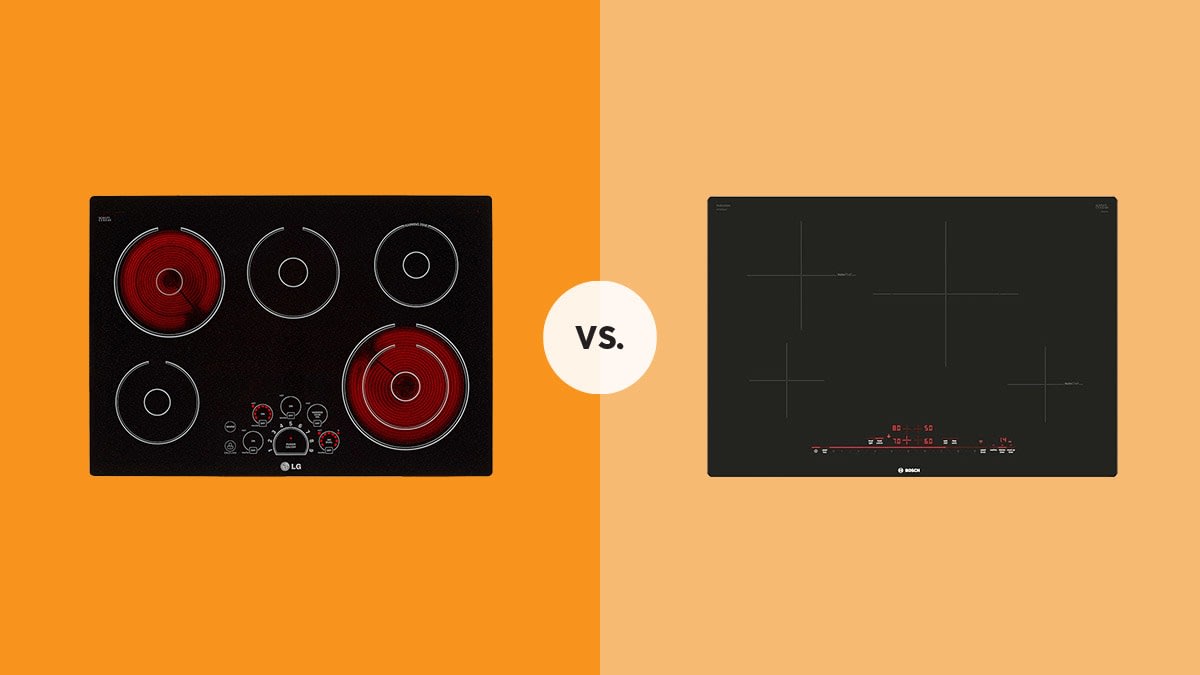
A ceramic cooktop usually means a smooth glass-ceramic surface with electric radiant or halogen heating elements under it. The glass top gets hot, and that heat moves into the pan. That is the simple idea behind a ceramic cooktop induction comparison.
In practice, ceramic cooktops are loved for their clean look and easy wipe-down surface. They are common in many homes because they are familiar, budget-friendly, and simple to use.
Here are the key traits of a ceramic cooktop:
- The burner area heats up directly under the glass
- The glass surface itself becomes hot
- It works with most cookware types
- It can take longer to cool down after cooking
- You may see glowing red burner zones on some models
From my experience, people often buy a ceramic cooktop because they want the sleek look of a premium kitchen without learning new cookware rules. That part is nice. But if you want speed and precision, ceramic is not the same as induction.
What Induction Cooking Actually Means
Induction cooking uses electromagnetic energy to heat the pan itself, not the cooktop surface. The glass top still looks smooth and may feel similar to ceramic, which is why the two get mixed up so often. But with induction, the heat goes straight into the cookware.
This is why induction is usually faster and more efficient than a standard ceramic cooktop induction setup. The surface stays much cooler because the energy is transferred to the pan, not the glass around it.
What makes induction different:
- It needs magnetic cookware, such as cast iron or magnetic stainless steel
- It heats food very quickly
- It gives fine temperature control
- It reduces wasted heat
- It is often safer around kids because the surface stays cooler
One lesson I learned early: if a pan does not stick to a magnet, it will not work on induction. That single test saves time and prevents a lot of returns.
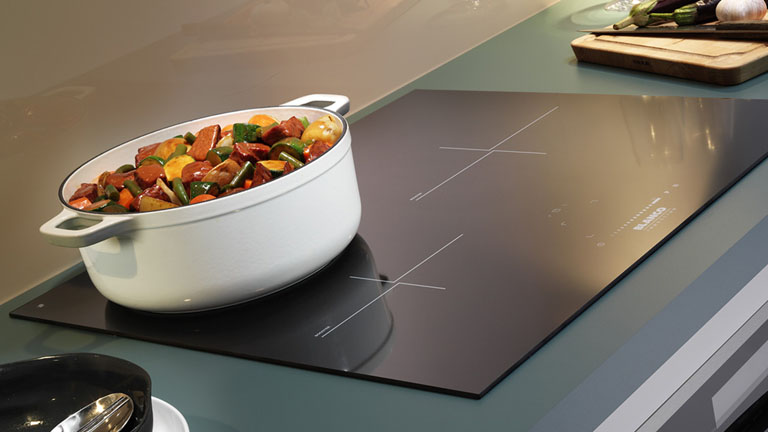
Is a Ceramic Cooktop Induction?
No, a ceramic cooktop is not automatically induction. A ceramic cooktop induction model exists, but the terms do not mean the same thing. “Ceramic cooktop” describes the smooth glass top, while “induction” describes how the heat is created.
This is the part that trips up many shoppers. A cooktop can have a ceramic glass surface and still use radiant electric heating instead of induction. So when you ask, “Is a ceramic cooktop induction?” the right answer depends on the heating technology under the glass.
Think of it like this:
- Ceramic cooktop is the exterior design
- Induction is the heating method
- Some cooktops have ceramic glass and induction technology together
- Others have ceramic glass and radiant electric coils underneath
So yes, a ceramic cooktop induction product can exist. But not every ceramic cooktop is induction.
How to Tell the Difference in Real Life
If you are standing in a store or reading a product page, the easiest way to tell is to look for the heating type. The label will usually say induction, radiant, or electric.
You can also check these clues:
- Induction often requires induction-ready cookware
- Radiant ceramic models may glow red when on
- Induction often has very fast boil times
- Ceramic radiant units may take longer to heat and cool
- Some induction cooktops make a faint humming or clicking sound
A simple magnet test also helps. If a magnet sticks well to the bottom of the pan, that pan will usually work on an induction cooktop. I’ve used this trick many times while helping people choose new cookware.
Benefits of Induction on a Ceramic Glass Surface
When people ask about ceramic cooktop induction systems, they usually care about performance. And that is where induction shines. It combines the sleek look of glass with strong speed and control.
Main benefits include:
- Faster cooking, since the pan heats directly
- Better energy efficiency, because less heat is wasted
- Safer surface temperatures compared with radiant cooktops
- More precise simmering and temperature changes
- Easier cleanup after cooking spills
In everyday cooking, these benefits matter a lot. Water boils faster, sauces are easier to control, and the kitchen does not heat up as much. For busy families or home cooks who want quick meals, induction can feel like upgrading from a bicycle to a sports car.
Limitations of Ceramic Cooktop Induction and Standard Ceramic Models
Even though induction has major benefits, it is not perfect. And standard ceramic cooktops also have their own limits. A smart buyer should know both sides before making a decision.
Common limitations:
- Induction requires compatible cookware
- Ceramic radiant models use more energy than induction
- The glass surface can still scratch or crack if mistreated
- Induction cooktops may cost more upfront
- Some users need time to adjust to the fast heat response
I’ve seen people make the mistake of buying induction first and then discovering their favorite aluminum pans do not work. That can be annoying, but it is avoidable with a little planning. On the other hand, some buyers choose a standard ceramic cooktop because the price looks better, then regret the slower boil time later.
Which Cookware Works Best
Cookware matters a lot when you compare ceramic cooktop induction and radiant ceramic units. Induction needs magnetic cookware, while radiant ceramic cooktops are far less picky.
Best cookware for induction:
- Cast iron
- Enamel-coated cast iron
- Magnetic stainless steel
- Cookware labeled induction compatible
Usually fine for radiant ceramic cooktops:
- Aluminum
- Copper
- Glass
- Stainless steel
- Cast iron
A quick tip from experience: flat, heavy-bottom pans usually perform better on both types. They sit evenly on the surface and heat more consistently.
Energy Use and Cooking Speed
One of the biggest reasons people choose induction is efficiency. Because the pan heats directly, less energy is lost into the air. That often means lower cooking times and less wasted power.
Compared with a standard ceramic cooktop, induction usually offers:
- Faster boiling
- Quicker pan preheating
- Less heat in the kitchen
- Better responsiveness when lowering heat
If you cook often, those small time savings add up. It is a little like switching from a leaky bucket to a tight one: more of the energy actually goes where you want it.
Safety and Cleaning
Safety is another reason people search for ceramic cooktop induction details. Induction cooktops stay cooler than radiant ceramic models because the heat is mostly in the pan. That lowers the risk of accidental burns, though the glass can still get warm from contact with hot cookware.
Cleaning is also simple for both styles:
- Let the surface cool
- Wipe up spills with a soft cloth
- Use a cooktop-safe cleaner if needed
- Avoid abrasive pads that can scratch the glass
One thing I always tell readers: clean spills early. Sugary sauces and melted food can bond to the surface fast if they sit too long. A few seconds of care now can save a lot of scrubbing later.
When a Ceramic Cooktop Makes More Sense
A standard ceramic cooktop may still be the better choice for some homes. If you already own non-magnetic cookware and do not want to replace it, ceramic can be simpler. It can also be appealing if you want a lower entry price and straightforward operation.
Ceramic may fit you well if:
- You cook casually
- You already have mixed cookware
- You want a familiar electric cooking experience
- You do not need ultra-fast temperature control
For some households, that balance is enough. Not every kitchen needs the fastest tool in the drawer.
When Induction Is the Better Choice
If you care about speed, control, and efficiency, induction usually wins. It is especially useful for people who cook daily, want better simmer control, or dislike lingering heat in the kitchen.
Induction is often the better fit if:
- You want faster meals
- You value precise cooking
- You want a cooler kitchen
- You are willing to buy compatible cookware
- You like modern, efficient appliances
In my own experience, once people get used to induction, they rarely want to go back. The control feels immediate, almost like the burner is reading your mind.
Frequently Asked Questions of Is a Ceramic Cooktop Induction
Is a ceramic cooktop the same as induction?
No, a ceramic cooktop is not the same as induction. Ceramic refers to the glass surface, while induction refers to how the heat is produced.
Can you use any pan on a ceramic cooktop induction model?
No, only induction-compatible pans will work on an induction model. The pan must be magnetic for the burner to heat it properly.
Does an induction cooktop look like a ceramic cooktop?
Yes, many induction cooktops look very similar to ceramic cooktops because both often have a smooth glass surface. The main difference is how they heat.
Is induction safer than a standard ceramic cooktop?
Usually yes, because induction heats the pan more than the surface. That means the glass often stays cooler than a radiant ceramic cooktop.
How do I know if my cooktop is induction?
Check the product label, manual, or model specs for the word induction. You can also test your cookware with a magnet if you are checking compatibility.
Conclusion
A ceramic cooktop and an induction cooktop may look alike, but they are not the same thing. A ceramic cooktop is defined by its smooth glass surface, while induction is defined by magnetic heating under that surface. If you want speed, efficiency, and better temperature control, a ceramic cooktop induction model can be a smart choice.
The best move is to match the cooktop to your cooking habits, cookware, and budget. Take a moment to check your pots and pans, compare features, and think about how you really cook day to day. If this guide helped, keep exploring your appliance options and leave a comment with your own experience or questions.