Is HexClad Compatible With Induction Cooktop: Full Guide

Yes, HexClad works on induction cooktops and is made for that kind of heat source.
If you’re shopping for cookware that can move from gas to glass-top to induction without drama, HexClad is one of the names that comes up fast. I’ve tested enough cookware to know that not every “induction-safe” pan truly performs well on a magnetic cooktop, but HexClad is built with induction use in mind. In this guide, I’ll walk you through how it works, what to expect in real use, and the small details that matter before you buy.
How HexClad Works on an Induction Cooktop
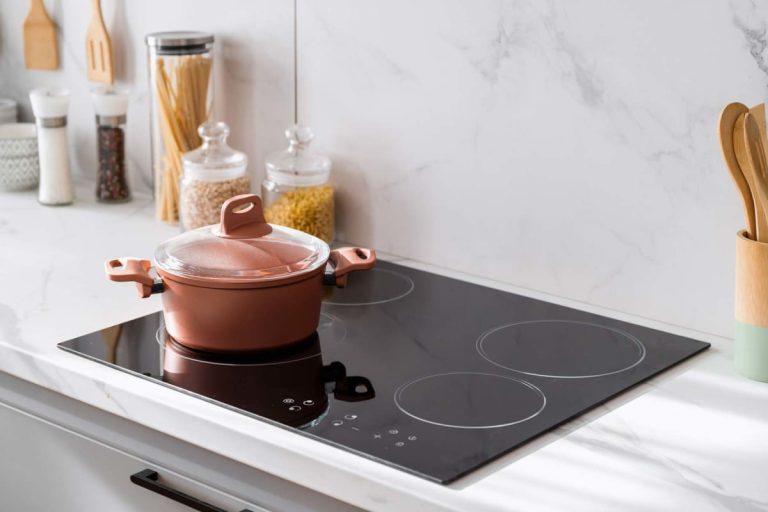
HexClad is compatible with induction because it uses a magnetic stainless steel base. Induction cooktops do not heat the pan directly with a flame or electric coil. Instead, they create a magnetic field that heats cookware with a ferromagnetic bottom.
That means the cookware has to “connect” with the cooktop. HexClad does this well. Its construction is designed to respond to induction, so it heats up fast and works on most modern induction ranges and portable induction burners.
From my experience, the first thing people notice is how quickly the pan reacts. On induction, HexClad often feels more responsive than many older stainless pans. That fast response is a big plus if you like precise control.
What Makes HexClad Induction-Friendly
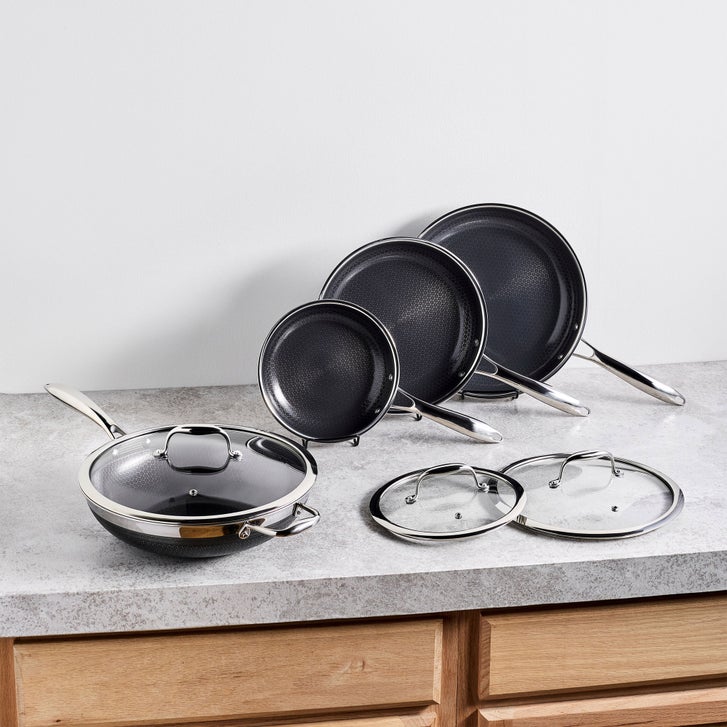
HexClad’s design blends stainless steel, aluminum, and a nonstick surface. The key part for induction is the stainless steel layer that can react to magnetic energy. Without that magnetic base, the pan would not work on an induction cooktop.
Here’s what matters most:
- Magnetic stainless steel base helps the pan work with induction heat
- Aluminum core improves heat spread across the cooking surface
- Hybrid construction supports both searing and easy release
- Flat, stable bottom helps with full contact on the cooktop
That combination makes HexClad a strong option if you want one pan that can handle eggs, fish, vegetables, and steak without switching between different cookware. It is a practical setup, especially for people who cook often and want fewer pans taking up space.
Real-World Performance on Induction
In real cooking, compatibility is only half the story. The other half is performance. HexClad tends to heat quickly on induction, and that can be a good thing or a bad thing depending on your habits.
If you are used to slower cookware, HexClad may feel aggressive at first. I learned this the hard way once while making a simple sauce. The pan got hot faster than expected, and I had to lower the heat sooner than I would with thicker stainless cookware.
A few practical things I’ve noticed:
- Preheating is fast, so medium heat is often enough
- Food can brown well if you let the pan warm properly
- Sudden heat changes are easy to manage on induction
- Thin sauces and sugars can scorch if you are not watching closely
This is why induction users often love HexClad, but they still need a little practice. The pan rewards attention. It is like driving a car with sensitive brakes; once you get the feel, it becomes easy.
benefits of Using HexClad on Induction
HexClad has several advantages for induction cooking. The biggest one is speed. Induction already heats fast, and HexClad responds quickly, which can make weeknight cooking much easier.
Some of the main benefits include:
- Fast heat-up time
- Even heating across the pan
- Works with searing, sautéing, and frying
- Easier cleanup than fully traditional stainless steel
- One pan can replace several types of cookware
For busy households, this can be a real win. If you want a pan that can go from omelets to chicken cutlets without much fuss, HexClad fits that style well. It also helps that the hybrid surface gives you more forgiveness than bare stainless steel.
Limitations to Know Before You Buy
Even though HexClad is compatible with induction cooktops, it is not perfect for every cook. No pan is. Some people expect nonstick performance to feel exactly like a Teflon-only skillet, and that is not always the case.
Here are a few limits to keep in mind:
- It still needs oil or butter for best results
- Extremely high heat can shorten the life of the cooking surface
- Not every dish behaves the same on hybrid cookware
- Some users may need time to adjust their cooking style
I also want to be honest here: if you cook mostly delicate foods and want a true slide-off nonstick feel every time, HexClad may not be the best match for you. It is more of a hybrid performer than a pure nonstick pan. That is a strength in some kitchens and a drawback in others.

How to Get the Best Results on an Induction Cooktop
If you already own HexClad or plan to buy it, a few habits can make a big difference. I always tell people that good cookware still needs good technique. The pan can help, but it cannot fix every mistake.
Try these tips:
-
Preheat on medium rather than high
Induction heats fast, so you often do not need max power. -
Add a little oil before food
This helps with release and browning. -
Let proteins sear before moving them
If you move food too soon, it may stick. -
Use cookware that matches the burner size
A better fit means better contact and better heat transfer. -
Avoid harsh metal scraping
Use tools that protect the surface and help it last longer.
These small steps can make HexClad feel much better on induction. They also help prevent the most common complaints, like sticking, uneven browning, or overheating.
Is HexClad Better Than Other Induction-Compatible Pans
That depends on what you want. HexClad is not the only induction-compatible cookware out there, but it does offer a mix of features that many home cooks like. It sits somewhere between stainless steel and nonstick, which gives it a unique spot in the kitchen.
Compared with other options:
- Better release than plain stainless steel
- More durable feel than many soft nonstick pans
- More browning ability than standard nonstick
- Less “perfect nonstick” than some dedicated coated pans
If you want one pan that handles a wide range of tasks, HexClad is compelling. If you want the easiest possible cleanup above all else, a traditional nonstick pan may still feel simpler. It really comes down to how you cook.
What to Check Before Using HexClad on Induction
Before you start cooking, make sure your cooktop and pan are a good match. Most HexClad cookware works with induction, but it helps to confirm the details for your specific piece.
Check these points:
- The pan is labeled induction-compatible
- The bottom sits flat on the cooktop
- The burner size matches the pan size well
- Your induction unit detects the pan properly
- The pan is clean and dry before use
A quick test is usually enough. If the cooktop recognizes the pan and starts heating, you are good to go. If not, the issue is often with pan size, placement, or a cooktop detection limit rather than the HexClad pan itself.
Common Mistakes People Make with HexClad on Induction
A lot of complaints come from technique, not the pan. I have seen this many times with home cooks who expect the pan to work like magic on day one. Induction is powerful, and HexClad responds quickly, so small mistakes can show up fast.
Common mistakes include:
- Using heat that is too high
- Cooking without enough preheating
- Crowding the pan with too much food
- Scrubbing too hard after cooking
- Assuming it is a set-it-and-forget-it nonstick pan
If you avoid those habits, the pan usually performs much better. The learning curve is short, but it is real. Once you get the rhythm, the results are usually solid.
Frequently Asked Questions
Is HexClad compatible with all induction cooktops?
HexClad is compatible with most induction cooktops because it has a magnetic base. Still, some portable or smaller units may have pan size limits, so it is smart to check your cooktop’s specifications.
Does HexClad heat evenly on induction?
Yes, HexClad generally heats evenly on induction thanks to its hybrid construction and aluminum core. Like any cookware, performance depends on burner size, pan size, and how long you preheat it.
Can HexClad scratch induction cooktops?
HexClad should not scratch a cooktop when used normally, especially if the bottom is clean and flat. To stay safe, avoid dragging the pan across the glass and keep both surfaces free of grit.
Does HexClad need special care on induction?
HexClad does not need special care just because it is used on induction, but gentle cooking habits help a lot. Use moderate heat, avoid metal tools when possible, and clean it properly to protect the surface.
Is HexClad better than stainless steel for induction cooking?
HexClad is easier to use than plain stainless steel for many foods because it has a nonstick-style surface. Stainless steel may offer stronger searing for some cooks, but HexClad gives you more forgiveness and easier cleanup.
Conclusion
HexClad is compatible with induction cooktops, and it does a good job in that setting for most home cooks. It heats quickly, responds well to temperature changes, and offers a useful blend of searing power and easier cleanup. If you want cookware that can handle everyday meals without making the kitchen feel complicated, it is worth a close look.
The biggest takeaway is simple: HexClad works well on induction, but the best results come from using the right heat level and a little patience. If you are considering it for your kitchen, think about how you cook most often and whether you value speed, versatility, and easy care. Explore more cookware guides, compare your options carefully, and leave a comment if you want help choosing the right pan for your setup.