What Is A Cooktop Range: Complete Kitchen Guide

A cooktop range is a cooking surface with burners or zones built into a kitchen counter.
What is a Cooktop Range? It is a modern cooking appliance designed to heat pots and pans from a flat surface. Some people use the term for a built-in cooktop, while others mean a full range with both a cooktop and oven. Knowing the difference can help you choose the right appliance for your kitchen, cooking style, space, and budget.
What Is a Cooktop Range?
What is a Cooktop Range in simple terms? It is the top cooking section of an appliance. It may use gas flames, electric heating coils, radiant glass, or induction technology.
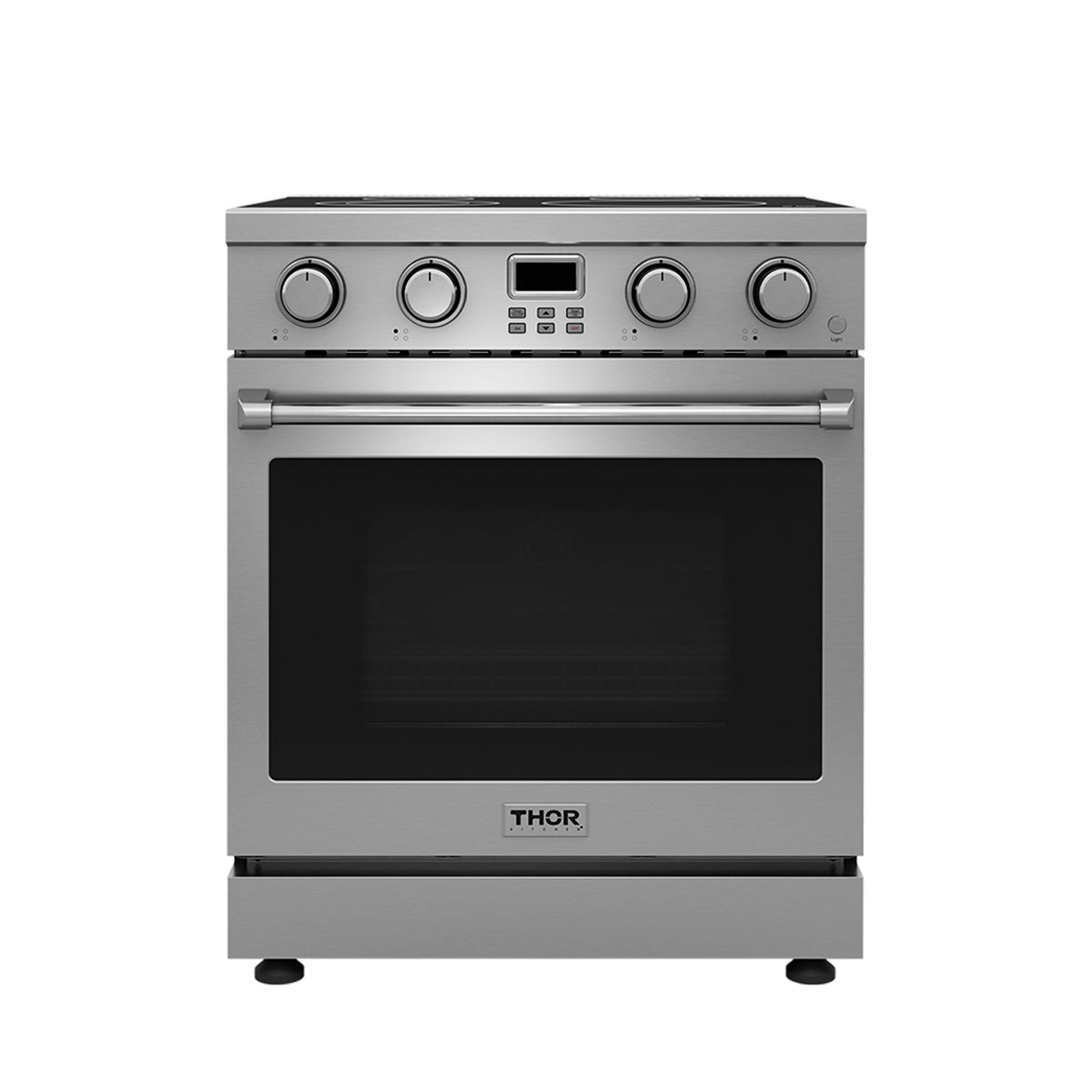
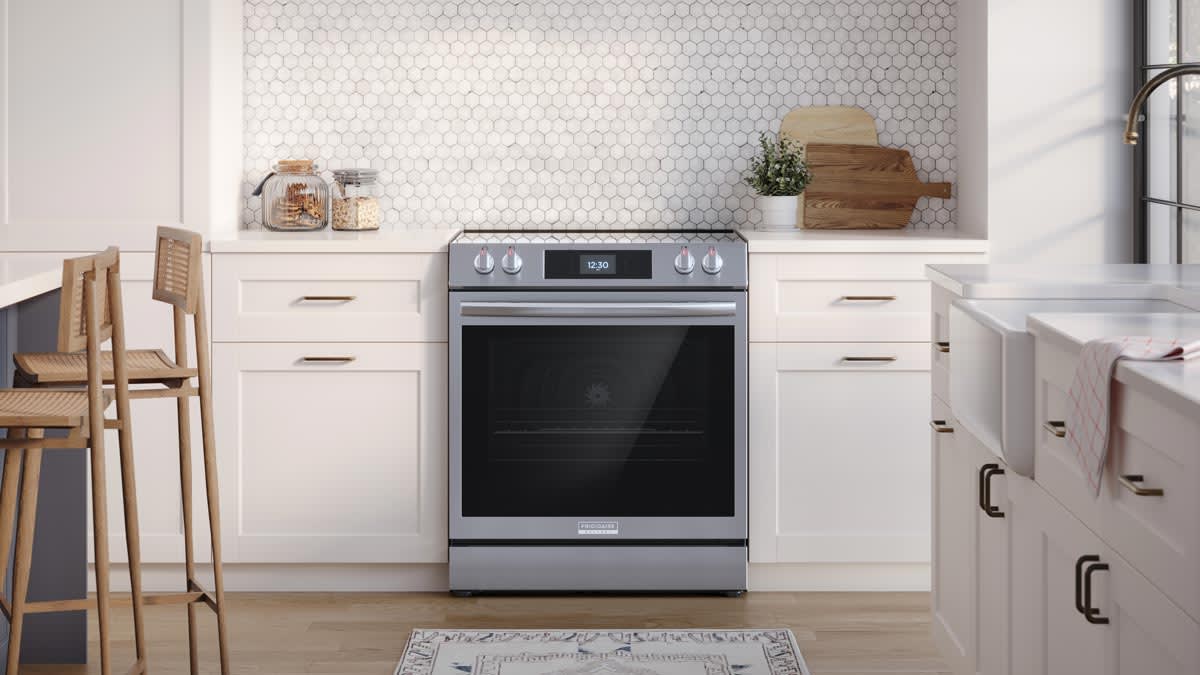
A built-in cooktop sits inside the countertop. It does not include an oven. A traditional range, by contrast, combines a cooktop and an oven in one freestanding or slide-in unit.
The phrase “cooktop range” can cause confusion because cooktops and ranges are different appliances. Many stores and homeowners still use the words loosely. Always check whether the product includes an oven before you buy it.
A cooktop range usually includes:
• Two to six burners or cooking zones
• Heat controls placed on the front or top
• A flat or raised cooking surface
• Support for pots and pans
• Safety features such as hot-surface lights or automatic shutoff
The best choice depends on how you cook. A person who bakes often may prefer a full range. Someone who wants a clean counter design may prefer a separate cooktop and wall oven.
Cooktop vs. Range: What Is the Difference?
The main difference is simple. A cooktop provides surface burners only. A range includes a cooktop and an oven in one appliance.
Cooktop
A cooktop is installed into a countertop. The oven may sit below it or in another part of the kitchen. This setup gives you more freedom when planning your kitchen layout.
Cooktops can be:
• Gas
• Electric
• Radiant electric
A cooktop works well in kitchens with wall ovens. It also suits people who want the oven placed at waist level instead of below the burners.
Range
A range combines both cooking functions. You can boil water on top and bake food below. Ranges are available as freestanding, slide-in, and drop-in models.
A range may be a better fit when:
• You want one appliance for cooking and baking
• Your kitchen has limited space
• You want a simpler installation
• You prefer a lower purchase cost
So, what is a Cooktop Range when a product listing uses that phrase? Read the specifications carefully. The listing may describe a cooktop, a complete range, or a range-style appliance with advanced cooking features.
How Does a Cooktop Range Work?
A cooktop range works by transferring heat to a pan. The method depends on the fuel or technology used.
Gas Cooktops
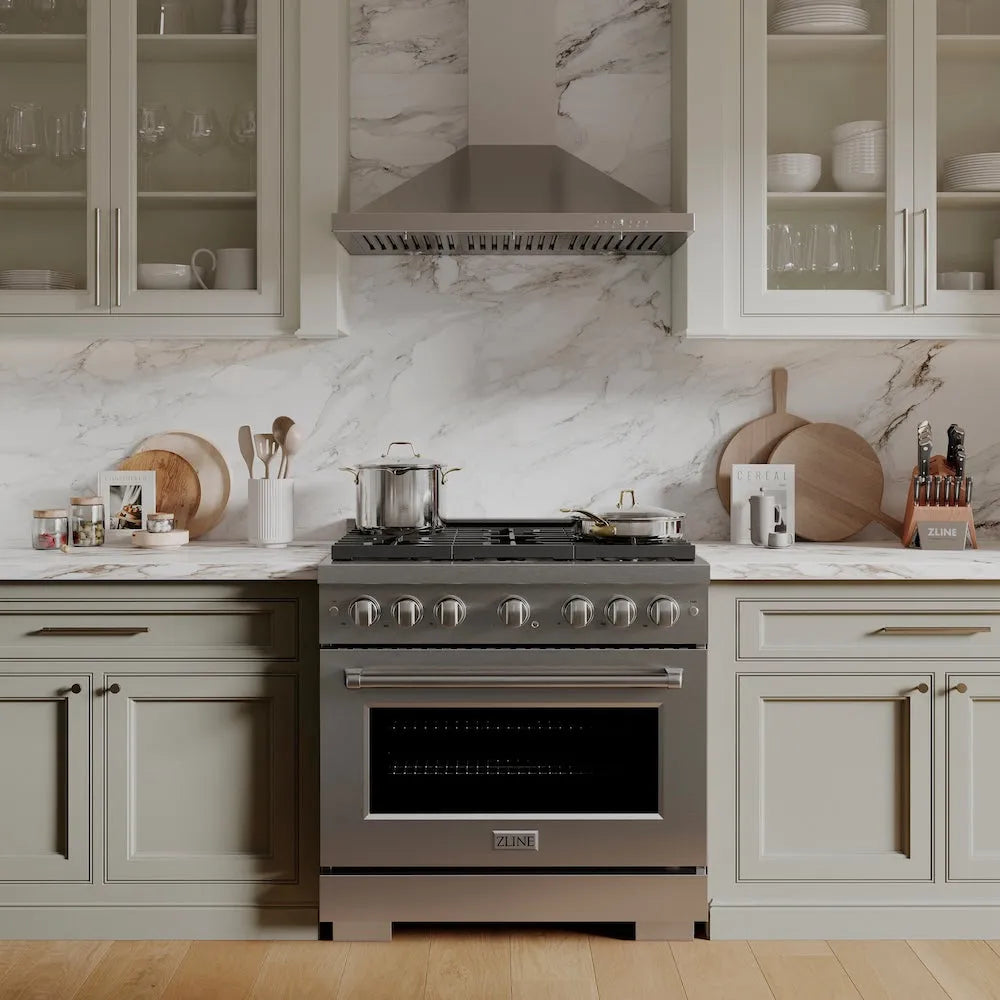
Gas cooktops create a flame under the pan. The flame gives you quick visual control. You can see the heat change as you turn the knob.
Gas models are popular with many home cooks because they respond quickly. They also work during some power outages, although the igniter may not work without electricity.
Gas cooking has a few limits. It can add heat and moisture to the room. It also needs a gas connection and good ventilation. A qualified professional should install the gas line and check for leaks.
Electric Cooktops
Electric cooktops use heating elements under a surface or inside exposed coils. The elements heat the pan through direct contact.
Radiant electric cooktops often have a smooth glass surface. They are easy to wipe clean, but the surface stays hot after you turn off the control.
Electric cooktops are often simple to install in homes with the correct electrical circuit. They may also offer steady heat for long cooking tasks, such as simmering soup.
Induction Cooktops
Induction cooktops use magnetic energy to heat compatible cookware. The cooktop surface itself does not create heat in the same way as a standard electric element.
The pan becomes the main heat source. This allows induction cooking to heat food quickly and often gives precise temperature control.
For induction cooking, your cookware must contain magnetic material. A simple magnet test can help. If a magnet sticks firmly to the bottom of the pan, it will usually work.
Induction cooktops are efficient and easy to clean. However, they often cost more, and some models may make a soft humming sound during use.
Main Types of Cooktop Ranges
Understanding the main types makes it easier to answer, “What is a Cooktop Range for my kitchen?” Each design has a different mix of cost, performance, cleaning needs, and installation requirements.
Freestanding Ranges
A freestanding range has finished sides. You can place it between cabinets or at the end of a counter.
It usually has rear controls and a raised back panel. This design is common in apartments, rental homes, and standard kitchen layouts.
Slide-In Ranges
A slide-in range fits between cabinets. Its controls are usually on the front, which creates a more built-in look.
The front control design can be safer for some homes because you do not need to reach over hot pans. It may also be easier to clean around the sides.
Drop-In Ranges
A drop-in range sits on a cabinet base. It may require custom cabinetry and careful measurements.
This style gives a fitted appearance but is less common than freestanding and slide-in models. Replacement options may also be more limited.
Built-In Cooktops
A built-in cooktop sits directly in the counter. You can pair it with a wall oven, warming drawer, or separate appliance.
This choice offers a flexible layout. It can also make the kitchen look more open and polished.
Portable Cooktops
A portable cooktop sits on the counter and plugs into an outlet. It may have one or two burners.
Portable units are useful for small homes, dorm rooms, outdoor cooking areas, and extra cooking space during holidays. They are not always a replacement for a full kitchen appliance.
Benefits of a Cooktop Range
A cooktop range can make daily cooking more comfortable and efficient. The benefits depend on the model and your kitchen design.
Flexible Kitchen Design
A separate cooktop and oven lets you place each appliance where it works best. For example, you can install the oven at chest height to reduce bending.
This layout can help people with back pain, mobility limits, or busy cooking routines. It also allows two people to use the cooktop and oven with less crowding.
Better Surface Space
Many cooktops provide a wide, flat cooking area. Large models may fit several pans at once.
This can help when preparing a family meal. You might simmer sauce, boil pasta, and sauté vegetables at the same time.
Easy Cleaning
Smooth electric and induction surfaces have fewer gaps than traditional coil burners. Spills are often easier to wipe away once the surface cools.
Gas cooktops may need more cleaning because food can fall under the grates. Removable grates and burner caps make the task easier.
Strong Temperature Control
Gas offers visual heat control. Induction often responds very quickly. Electric cooktops can provide stable heat for long cooking tasks.
The right choice depends on your habits. A baker may value steady low heat, while a stir-fry cook may prefer fast heat changes.
Modern Appearance
A built-in cooktop can create a clean, streamlined look. It may blend with stone, quartz, or solid-surface countertops.
Still, appearance should not be the only factor. Countertop cutouts, ventilation, electrical needs, and repair access matter just as much.
Limitations of a Cooktop Range
No cooking appliance is perfect. Knowing the limits can prevent costly surprises.
Installation Requirements
Gas models need a safe gas connection. Electric and induction models may need a dedicated high-voltage circuit.
A countertop cooktop also needs a precise cutout. The wrong size can delay installation or require a countertop change.
Higher Cost for Separate Appliances
A cooktop and wall oven may cost more than one standard range. Installation can also be more complex.
The higher price may be worthwhile if you value layout flexibility. It may not make sense for a small kitchen or a limited renovation budget.
Cookware Limits
Induction cooktops require compatible pans. Very rough or uneven cookware can scratch some smooth surfaces.
For gas and electric cooking, pan size still matters. A pan that is much smaller or larger than the heating zone may cook unevenly.
Surface Damage
Glass cooktops can crack if a heavy pan falls on them. Sugar spills may bond to a hot glass surface and leave difficult marks.
Use flat cookware and follow the care instructions. Avoid sliding cast iron across glass unless the manufacturer says it is safe.
Heat and Ventilation
Gas cooking releases combustion products and adds heat to the room. Proper ventilation is important.
A range hood that vents outdoors is often the most effective option. Recirculating hoods can reduce odors but may not remove heat and moisture as well.
Cooktop Range Safety Tips
Safe use starts with correct installation and simple daily habits. The U.S. Consumer Product Safety Commission and fire-safety groups advise keeping cooking areas clear and watching active cooking closely.
Use these tips:
• Keep towels, paper, and packaging away from hot burners.
• Turn pot handles inward so they do not get bumped.
• Match the pan size to the heating zone.
• Keep children and pets away from controls.
• Clean grease before it builds up.
• Never use water on a grease fire.
• Turn off burners and controls after cooking.
• Use a lid or baking sheet to cover a small pan fire, if safe to do so.
• Leave the lid in place and turn off the heat.
• Call emergency services if the fire grows or you feel unsafe.
For gas appliances, pay attention to unusual smells, yellow flames, or repeated ignition problems. Stop using the appliance and contact a qualified technician if something seems wrong.
My practical rule is simple: never treat a cooktop as a place to store items. A cutting board or towel can look harmless on a cool surface but become dangerous within seconds.
How to Choose the Right Cooktop Range
The answer to “What is a Cooktop Range that fits my home?” starts with your space and cooking habits.
1. Measure the Space
Measure the width, depth, and height of the opening. Check the manufacturer’s installation guide, not just the product headline.
Also measure:
• Countertop thickness
• Cabinet depth
• Distance from nearby walls
• Space above the cooktop
• Door and drawer clearance
A small measurement error can create a major installation problem.
2. Select the Fuel Type
Choose gas if you want a visible flame and already have a safe gas connection. Choose electric if you want a simple surface with broad cookware compatibility.
Choose induction if you want fast heating, precise control, and easy cleanup. First, confirm that your cookware and electrical service are compatible.
3. Count the Cooking Zones
Two zones may suit a small apartment. Four zones work well for many families. Five or six zones can help serious cooks prepare large meals.
More burners do not always mean better cooking. Check the spacing. Four crowded burners may be less useful than three well-spaced ones.
4. Check the Controls
Front controls can reduce the need to reach over hot pans. Touch controls create a smooth look but may be harder to use with wet fingers.
Look for clear markings and responsive settings. If possible, test the controls in a showroom.
5. Review Safety Features
Helpful features may include:
• Automatic shutoff
• Child locks
• Hot-surface indicators
• Flame failure protection
• Pan detection
• Overheat protection
Features vary by model. Read the product manual before assuming a function is included.
Cooktop Range Maintenance and Cleaning
Regular care keeps a cooktop range safe and attractive. It can also protect heating performance.
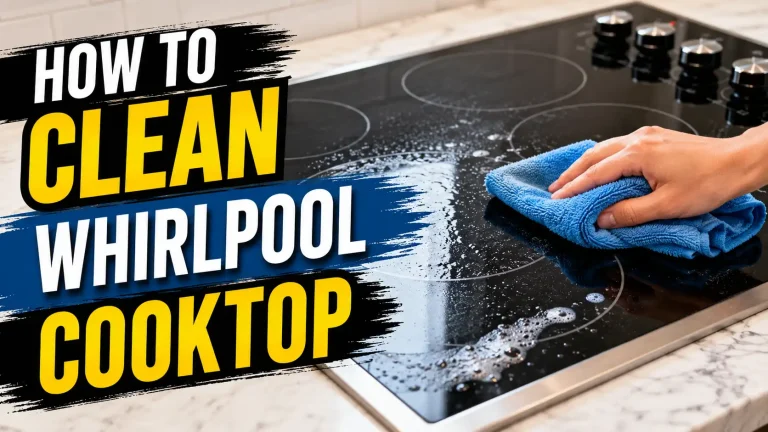
For a smooth glass or induction surface:
-
Turn off the controls and let the surface cool.
-
Remove loose crumbs with a soft cloth.
-
Apply a cleaner made for the surface.
-
Wipe with a nonabrasive pad or cloth.
-
Dry the area to prevent streaks.
For gas cooktops:
-
Remove grates and burner caps when cool.
-
Wash removable parts with warm, soapy water.
-
Clear burner holes with the method listed in the manual.
-
Wipe the surface without soaking the igniters.
-
Reassemble every part correctly before lighting the burner.
Avoid steel wool, harsh powders, and rough scrapers. They can damage finishes and leave scratches.
One mistake I often see is cleaning a hot glass cooktop with a wet cloth. That can spread burnt food and may damage the cloth or create steam burns. Waiting a few minutes is safer and usually makes the mess easier to remove.
Common Mistakes to Avoid
Choosing or using a cooktop range without enough planning can lead to poor results. These mistakes are common and easy to prevent.
• Buying by appearance alone: A beautiful cooktop may not match your cookware, wiring, or cooking needs.
• Ignoring ventilation: Heat, grease, and moisture can damage cabinets and make the kitchen uncomfortable.
• Skipping the measurements: A listed width may not equal the exact cutout size.
• Using the wrong cleaner: Abrasive products can scratch glass and remove surface markings.
• Overcrowding the burners: Large pans may block heat from nearby zones.
• Forgetting repair access: A built-in unit should remain reachable for service when possible.
• Assuming all induction pans work: Check each pan with a magnet before buying an induction model.
• Installing gas equipment without help: Gas connections should be handled and inspected by qualified professionals.
These small details often matter more than extra cooking modes. A reliable appliance that fits your kitchen is usually better than a feature-rich model that creates daily frustration.
Is a Cooktop Range Energy Efficient?
Energy efficiency depends on the cooking method, cookware, pan size, heat setting, and cooking time.
Induction cooking transfers energy directly to compatible cookware. This often reduces wasted heat around the pan. Electric cooktops can also perform well, while gas cooking sends more heat into the surrounding air.
Efficiency is not the same as operating cost. Electricity and gas prices vary by location. A highly efficient appliance may still cost more to run if local energy rates are high.
You can reduce energy use by:
• Covering pots with lids
• Using the correct pan size
• Matching the burner to the pan base
• Turning heat down after food reaches a boil
• Using residual heat when safe
• Avoiding preheating longer than needed
The most accurate comparison comes from the model’s energy information, your local utility rates, and your cooking habits.
Frequently Asked Questions About What Is a Cooktop Range
Is a cooktop range the same as a stove?
Not always. A cooktop usually means the surface burners only, while a stove or range often includes burners and an oven. Product names vary, so check the specifications before purchasing.
Can a cooktop range have an oven?
A built-in cooktop does not have an oven. A traditional range combines a cooktop and oven in one appliance.
Which is better, gas or induction?
Gas gives visible flame control and works with most cookware. Induction heats quickly and offers easy cleaning, but it needs compatible pans and the correct electrical service.
Do all pans work on a cooktop range?
Most cookware works on gas and standard electric cooktops. Induction models need magnetic cookware, such as many cast iron and magnetic stainless steel pans.
How long does a cooktop range last?
Lifespan depends on the brand, construction, use, and maintenance. Many quality cooktops and ranges can last about 10 to 15 years, but heating elements, controls, and igniters may need service sooner.
Does a cooktop range need a vent hood?
Ventilation is strongly recommended, especially for gas cooking. A properly sized hood can remove smoke, grease, odors, heat, and moisture from the kitchen.
Can you install a cooktop range yourself?
Some portable electric cooktops need only a suitable outlet. Built-in electric, induction, and gas models often require professional installation to meet local electrical, building, and safety rules.
Conclusion
A cooktop range is the cooking surface that heats pots and pans, but the term can describe different appliance designs. A cooktop stands alone, while a range combines surface burners with an oven. Gas, electric, radiant, and induction models each offer different strengths.
Start by measuring your space, checking your power or gas supply, reviewing ventilation, and matching the appliance to your cooking habits. With those steps, you can choose a cooktop range that feels safe, practical, and comfortable for years. Explore reliable appliance guides, compare models carefully, and share your cooking experience in the comments.