Teflon flu long term effects: you need to know 2026

Teflon flu, also known as polymer fume fever, occurs when inhaling fumes from overheated non-stick cookware. While symptoms are usually short-lived, repeated exposure may lead to lasting health concerns. This article explores the long term effects of Teflon flu and how to stay safe in the kitchen.
If you’ve ever heated a non-stick pan on high heat and noticed a strange smell—maybe even felt a little dizzy or nauseous afterward—you might have experienced what’s commonly called “Teflon flu.” It’s not a real flu virus, but a temporary illness caused by breathing in fumes from overheated non-stick cookware. While most people recover quickly, repeated exposure raises concerns about the long term effects of Teflon flu.
Teflon, a brand name for the chemical polytetrafluoroethylene (PTFE), is widely used in non-stick pans because it prevents food from sticking. But when these pans get too hot—usually above 500°F (260°C)—the coating begins to break down and release toxic gases. These fumes can cause flu-like symptoms in humans and can be deadly to birds, who are extremely sensitive to airborne chemicals.
Key Takeaways
- Teflon flu is caused by inhaling fumes from overheated non-stick pans: Heating Teflon-coated cookware above 500°F (260°C) releases toxic gases.
- Short-term symptoms mimic the flu: Fever, chills, headache, and coughing usually appear within hours of exposure.
- Long term effects are rare but possible: Repeated exposure may impact lung function and immune response over time.
- Children and pets are more vulnerable: Their developing systems are more sensitive to chemical fumes.
- Proper ventilation and cooking practices reduce risk: Use exhaust fans and avoid high-heat cooking with non-stick pans.
- Safer cookware alternatives exist: Consider stainless steel, cast iron, or ceramic options for high-heat cooking.
Quick Answers to Common Questions
Can Teflon flu cause permanent lung damage?
It’s unlikely from a single exposure, but repeated high-level exposure may contribute to long-term respiratory issues, especially in sensitive individuals.
How hot does a pan have to get to release toxic fumes?
Non-stick coatings like Teflon begin breaking down around 500°F (260°C), releasing harmful gases.
Is it safe to use non-stick pans every day?
Yes, as long as you use them at low to medium heat, keep them in good condition, and ensure proper ventilation.
Can Teflon flu affect pets?
Yes, especially birds. PTFE fumes can be fatal to birds even in small amounts.
Should I throw away my scratched non-stick pans?
Yes. Damaged coatings can release particles and fumes more easily, increasing health risks.
📑 Table of Contents
What Is Teflon Flu?
Teflon flu, also known as polymer fume fever, is a temporary condition caused by inhaling pyrolysis products—gases released when PTFE coatings overheat. The symptoms usually start 4 to 10 hours after exposure and can last up to 24–48 hours.
Common Symptoms
Most people experience a sudden onset of flu-like symptoms, including:
- Fever and chills
- Headache and fatigue
- Coughing and sore throat
- Shortness of breath or chest tightness
- Nausea or dizziness
These symptoms often resolve on their own with rest and fresh air. However, if you’ve been exposed multiple times or have underlying respiratory conditions, the effects may be more severe.
Can Teflon Flu Cause Long Term Health Effects?
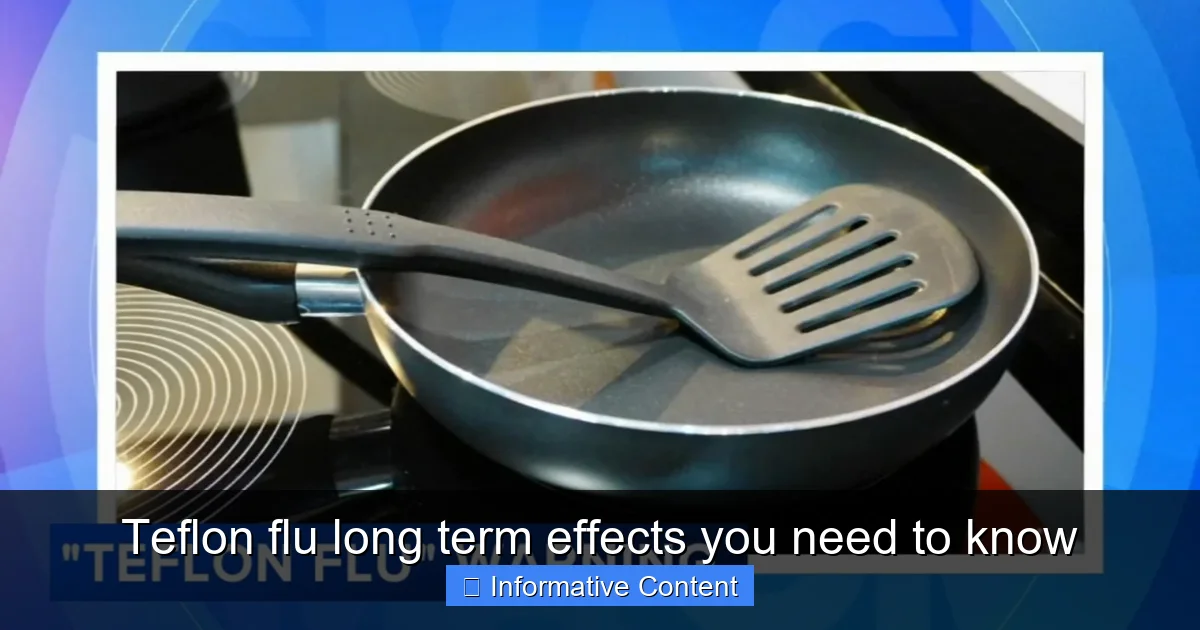
Visual guide about Teflon flu long term effects you need to know
Image source: cdn.abcotvs.com
The good news is that most cases of Teflon flu are mild and don’t lead to lasting damage. But what about repeated exposure? Research on the long term effects of Teflon flu is limited, but some studies suggest that chronic inhalation of PTFE fumes may contribute to respiratory issues over time.
Potential Long Term Risks
While severe long term effects are rare, repeated exposure to high levels of PTFE fumes could potentially lead to:
- Reduced lung function: Some animal studies show that prolonged exposure to PTFE fumes can cause lung inflammation and scarring.
- Increased sensitivity to chemicals: People who’ve had multiple episodes of Teflon flu may become more reactive to airborne irritants.
- Immune system changes: Limited evidence suggests that certain fluorochemicals may affect immune response, though more research is needed.
It’s important to note that these risks are mostly associated with occupational exposure—such as factory workers handling PTFE at high temperatures—not typical home cooking. Still, minimizing unnecessary exposure is a smart precaution.
Who Is Most at Risk?
While anyone can develop Teflon flu from a single overheating incident, certain groups are more vulnerable to both short- and long-term effects.
Children and Infants
Young children have developing lungs and immune systems, making them more sensitive to airborne toxins. Even low levels of exposure could have a bigger impact on their health.
Pets, Especially Birds
Birds are extremely sensitive to PTFE fumes. In fact, a single overheated non-stick pan can kill pet birds within minutes due to respiratory failure. If you own birds, it’s best to avoid non-stick cookware altogether.
People with Respiratory Conditions
Individuals with asthma, COPD, or other lung diseases may experience worsened symptoms after exposure. Even brief exposure can trigger coughing, wheezing, or shortness of breath.
How to Prevent Teflon Flu and Reduce Long Term Risks
The best way to avoid the long term effects of Teflon flu is to prevent exposure in the first place. Here are some practical tips to keep your kitchen safe:
Use Proper Cooking Temperatures
Never heat an empty non-stick pan, and avoid using high heat settings. Most non-stick pans are designed for low to medium heat. If you need to sear or fry at high temperatures, switch to a different type of cookware.
Ensure Good Ventilation
Always use an exhaust fan or open a window when cooking. This helps disperse any fumes that may be released, even at lower temperatures.
Replace Damaged Cookware
Scratched or peeling non-stick pans are more likely to release harmful particles when heated. If your Teflon pan is damaged, it’s time to replace it. For more on this, check out our guide on is Teflon toxic when scratched.
Choose Safer Alternatives
Consider using stainless steel, cast iron, or ceramic cookware for high-heat cooking. These materials don’t release toxic fumes when heated and are more durable over time.
What to Do If You’re Exposed
If you suspect you’ve been exposed to Teflon fumes, take these steps right away:
- Move to fresh air immediately.
- Drink plenty of water to stay hydrated.
- Rest and monitor your symptoms.
- Seek medical attention if symptoms worsen or last longer than 48 hours.
Most people recover fully within a day or two. However, if you experience difficulty breathing, chest pain, or persistent coughing, see a doctor promptly. For a full list of warning signs, visit our article on symptoms of Teflon poisoning in humans.
Final Thoughts
While the long term effects of Teflon flu are not fully understood, the evidence suggests that occasional exposure is unlikely to cause serious harm. However, repeated or high-level exposure—especially in poorly ventilated spaces—could pose health risks over time.
The key is awareness and prevention. By using non-stick cookware responsibly, maintaining good kitchen ventilation, and switching to safer alternatives when needed, you can enjoy cooking without worrying about toxic fumes. And if you’ve had symptoms in the past, it’s worth reviewing your cookware habits to avoid future exposure.
For more information on recognizing the signs of exposure, read our detailed breakdown of Teflon pan poisoning symptoms. Staying informed is the first step toward a healthier, safer kitchen.
Frequently Asked Questions
What causes Teflon flu?
Teflon flu is caused by inhaling fumes released when non-stick cookware is overheated. The gases come from the breakdown of PTFE, the chemical used in Teflon coatings.
How long do Teflon flu symptoms last?
Most symptoms appear within 4 to 10 hours of exposure and resolve within 24 to 48 hours with rest and fresh air.
Can you die from Teflon flu?
Death from Teflon flu in humans is extremely rare. However, it can be fatal to birds and small pets due to their high sensitivity to airborne toxins.
Is Teflon safe when used correctly?
Yes, when used at recommended temperatures and not damaged, Teflon-coated cookware is considered safe for everyday cooking.
What are the best alternatives to Teflon pans?
Stainless steel, cast iron, and ceramic cookware are excellent alternatives, especially for high-heat cooking, as they don’t release toxic fumes.
Can Teflon flu lead to chronic illness?
There’s no strong evidence linking occasional Teflon flu to chronic disease, but repeated exposure in industrial settings may pose long-term respiratory risks.