Is A Vent Required For An Electric Cooktop: Expert Guide

Usually, an electric cooktop does not require a vent, but good ventilation is still smart.
A lot depends on how you cook, how your kitchen is built, and how much heat, steam, and odor you want to manage. Electric cooktops do not burn gas, so they do not create combustion byproducts like carbon monoxide in the same way gas ranges do. Still, I’ve seen plenty of kitchens where skipping ventilation led to sticky cabinets, lingering smells, and a hotter room than anyone wanted. If you want a kitchen that feels cleaner, cooler, and more comfortable, it helps to understand when a vent is optional, when it is strongly recommended, and what kind of setup makes the most sense for your space.
What an Electric Cooktop Actually Produces
An electric cooktop is cleaner at the source than a gas cooktop. It does not release an open flame, and it does not produce the same combustion gases. That is one reason many homeowners wonder if a vent is required for an electric cooktop at all.
But “cleaner” does not mean “zero mess in the air.” Cooking still creates heat, moisture, grease particles, smoke, and odor. Frying bacon, searing vegetables, boiling pasta, or simmering sauces can send all of that into the room.
From real kitchen jobs, the biggest surprise for many people is not safety. It is comfort. A cooktop can make a kitchen feel muggy fast, especially in smaller homes or open floor plans.
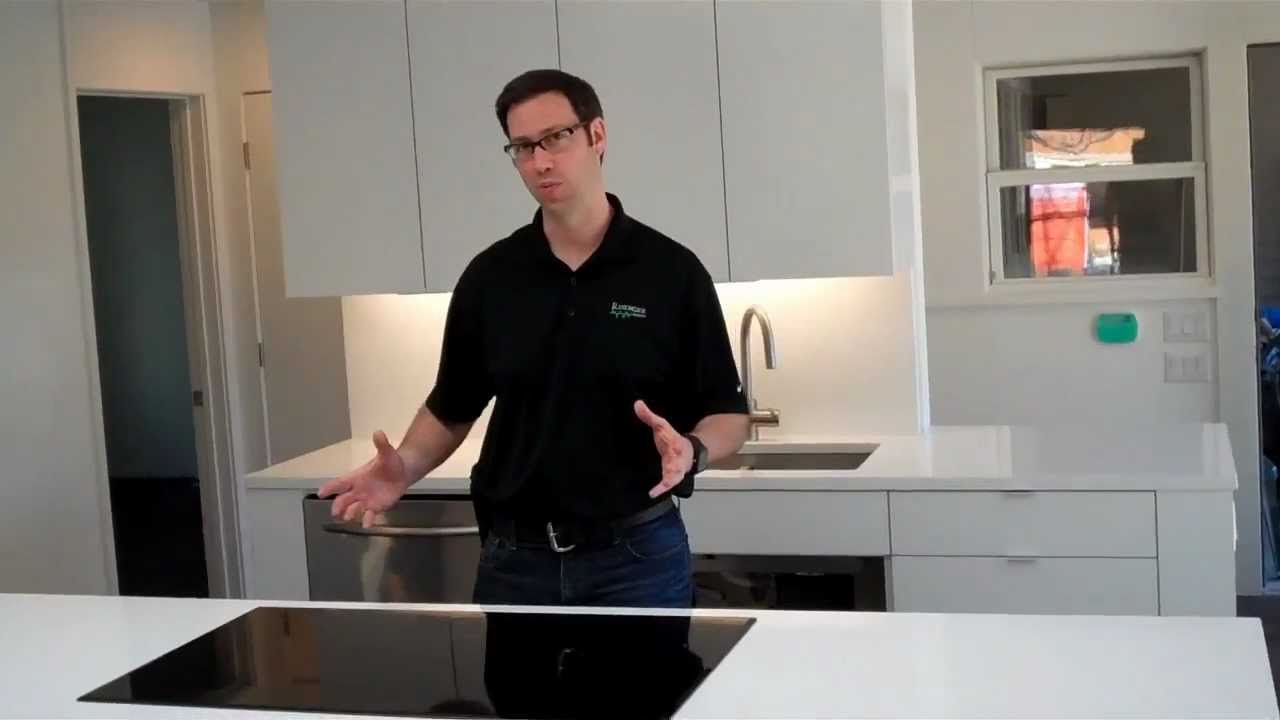
Is a Vent Required for an Electric Cooktop?
In most homes, a vent is not legally required just because the cooktop is electric. Building rules often focus more on local code, kitchen layout, and appliance installation than on the fuel type alone. In plain language, an electric cooktop usually can be installed without a dedicated range hood in some places, but that does not always mean it is the best choice.
The real answer is: check your local code, the manufacturer’s instructions, and your home’s ventilation needs. Some areas require mechanical ventilation for new construction or major remodels. Others leave more flexibility, especially in older homes.
Here is the practical truth I always share with homeowners:
• If you cook often, a vent is very helpful.
• If you sauté, fry, or sear, a vent is even more useful.
• If your kitchen is small or has weak airflow, a vent can make a big difference.
• If your cooktop sits on an island, ventilation becomes more important for comfort and air control.
So while an electric cooktop does not usually demand a vent the way people expect, a vent is still a strong recommendation in most real kitchens.

Why Ventilation Still Matters with an Electric Cooktop
Even without gas fumes, cooking changes indoor air quality. Steam can raise humidity. Grease can travel through the air and settle on cabinets. Smoke from high-heat cooking can trigger alarms and leave odors behind for hours.
I once helped a homeowner who was convinced their electric cooktop made their kitchen “dirty” because everything nearby felt tacky. The cooktop was fine. The problem was the lack of airflow. Once a proper hood was added, the room felt cooler and cleanup got much easier.
Good ventilation helps with:
• Heat control, so your kitchen does not feel like an oven
• Odor removal, especially from fish, onions, garlic, and fried foods
• Grease capture, which can protect cabinets and walls
• Moisture control, which helps reduce fogging and damp surfaces
• Comfort, especially in open-concept homes where kitchen air spreads quickly
Think of a vent like a kitchen safety net. It catches the stuff you do not want hanging around.
When an Electric Cooktop Should Have a Vent
A vent becomes much more valuable in certain setups. I would strongly recommend one if any of these apply:
• You cook daily or use high heat often
• You do a lot of frying, searing, broiling, or wok cooking
• Your kitchen is small or closed off
• Your cooktop is on an island or peninsula
• You have poor windows, weak HVAC airflow, or no nearby exhaust fan
• You want to protect cabinets from grease buildup over time
• You have allergies, asthma, or sensitivity to smoke and odors
In these situations, asking “Is a vent required for an electric cooktop?” is only part of the question. A better question is, “Do I want to live with extra heat, grease, and smell?” For most people, the answer is no.
Types of Ventilation That Work Well
Not every ventilation setup is the same. Some systems pull air more effectively than others. The right choice depends on your layout, budget, and how much cooking you do.
Range Hood
A range hood is one of the most common and effective options. It sits above the cooktop and captures smoke, steam, and grease right at the source.
Good for:
• Wall-mounted cooktops
• Frequent cooking
• Strong odor and smoke capture
Things to know:
• Ducted hoods vent air outside and usually perform best
• Ductless hoods filter air and recirculate it, but they are less powerful
Downdraft Ventilation
Downdraft systems pull air down or behind the cooktop. These are often used when overhead hoods are not practical, such as on islands or in minimalist kitchens.
Good for:
• Open layouts
• Island cooktops
• Low-profile design preferences
Things to know:
• They are often less effective than overhead hoods for smoke capture
• They work best for lighter cooking, not heavy frying
Exhaust Fans and Whole-Room Ventilation
Sometimes a cooktop area benefits from a stronger bathroom-style exhaust fan, window fan, or HVAC support. These do not replace a proper hood in many cases, but they can help.
Good for:
• Light cooking
• Small kitchens
• Supplemental airflow
Things to know:
• They may not capture grease at the source
• They work best as backup support, not the main solution
What Building Codes and Manufacturers Usually Expect
This is one area where people get tripped up. A cooktop might be allowed without a vent in one place and require ventilation in another. Local code often depends on the type of project, not just the appliance.
Manufacturers also matter. If the installation guide says ventilation is required or strongly recommended, that instruction should be followed. Ignoring it can affect safety, performance, and warranty protection.
When I review installations, I always tell people to check three things:
• Local building code
• Appliance installation manual
• Homeowner association or property rules, if applicable
That simple checklist prevents a lot of headaches later.
Benefits of Installing a Vent Over an Electric Cooktop
Even if a vent is not required, it can still be one of the smartest upgrades in a kitchen. The benefits are easy to notice once you live with it.
• Better air quality, because smoke and grease are removed faster
• Less lingering odor, especially after cooking fish, curry, or onions
• Cleaner surfaces, since less grease settles on cabinets and walls
• Lower heat buildup, which makes cooking more comfortable
• A more finished kitchen, since the space feels complete and functional
• Better resale appeal, because many buyers expect proper ventilation
A good vent is like a windshield wiper for your kitchen air. You do not always notice it when it works, but you definitely miss it when it is gone.
Drawbacks of Skipping a Vent
Not every home needs a big hood, but skipping ventilation can cause real problems over time.
• Smoke can set off alarms more often
• Grease can build up on cabinets, lights, and walls
• Moisture can make the kitchen feel sticky or humid
• Cooking smells may spread through the home
• The room may feel hotter, especially in summer
I have seen homeowners save money upfront and pay for it later in repainting, deep cleaning, or replacing sticky cabinet finishes. A vent is often cheaper than fixing those issues afterward.
Choosing the Right Vent for Your Kitchen
If you decide to add ventilation, the best choice depends on your layout and cooking habits.
For Frequent Home Cooks
A ducted range hood is usually the best long-term option. It removes heat, smoke, and grease more effectively than a recirculating unit.
For Apartments or Tight Spaces
A ductless hood may be more realistic if exterior venting is not possible. It is not as strong, but it can still help reduce odor and some grease.
For Island Cooktops
A downdraft system or ceiling-mounted hood may work well, depending on the design. Island cooktops often need extra planning because there is no wall behind them to help guide airflow.
For Light Cooking
If you mostly boil, steam, and reheat, you may not need the most powerful system. Still, some form of ventilation can improve comfort and keep the kitchen fresher.
Common Mistakes People Make
This topic comes up a lot during remodels. A few mistakes repeat again and again.
• Assuming electric means no ventilation is needed
• Choosing a hood that is too weak for the cooktop
• Installing a ductless hood but expecting it to work like a ducted one
• Forgetting about island layouts, where capture is harder
• Ignoring local code until the final inspection
A lesson I learned early on: the cheapest setup is rarely the best value if you cook often. It is better to match the vent to your real habits than to your ideal ones.
Practical Tips for Homeowners
If you are deciding whether a vent is required for an electric cooktop, use these simple tips to guide the choice:
• Cook a lot of high-heat meals? Choose a vent.
• Small kitchen? Choose a vent.
• Open floor plan? Choose a vent.
• Rarely cook and mostly warm food? You may have more flexibility.
• Unsure about code? Ask your local building office before installation.
• Want fewer smells and easier cleanup? Choose a vent.
If you are already remodeling, it is usually wise to plan for ventilation now instead of trying to add it later. Retrofitting can be costly and messy.
Frequently Asked Questions
Is a vent required for an electric cooktop in every home?
No, not in every home. Many electric cooktops can be installed without a vent depending on local building codes and the kitchen setup. That said, a vent is still often recommended for comfort and air quality.
Do electric cooktops produce smoke?
They do not create combustion smoke like gas appliances, but cooking can still produce smoke from oils, food, and high heat. That is why ventilation still helps. It removes what the cooktop itself does not create but the cooking process does.
Can I use an electric cooktop without a range hood?
Yes, you can in some homes, but it may lead to more heat, odor, and grease buildup. If you cook often, a range hood is usually worth it. It also makes the kitchen feel cleaner and more comfortable.
What is better for an electric cooktop, ducted or ductless ventilation?
Ducted ventilation is usually better because it sends air outside. Ductless systems recirculate filtered air, which helps some, but they are generally less effective for heavy cooking. If possible, ducted is the stronger choice.
Does an island electric cooktop need a vent?
It often does, or at least benefits greatly from one. Island cooktops are harder to ventilate because there is no wall behind them, so smoke and steam can spread more easily. A ceiling hood or downdraft system is often considered for these layouts.
Will a vent help with kitchen grease buildup?
Yes, a good vent can reduce grease buildup on cabinets, walls, and nearby surfaces. It catches airborne particles before they settle. That can save time on cleaning and help keep the kitchen looking newer longer.
Conclusion
So, is a vent required for an electric cooktop? In many homes, the answer is no, but that does not mean ventilation should be ignored. The better question is whether you want a kitchen that stays cooler, cleaner, and more comfortable over time.
If you cook often, live in a smaller space, or want to reduce odor and grease buildup, a vent is a smart investment. Check your local code, follow the manufacturer’s instructions, and choose the setup that fits your real cooking habits. If this guide helped, take a closer look at your kitchen layout and explore the ventilation option that will work best for your home.