Is A Glass Cooktop Induction: What To Know

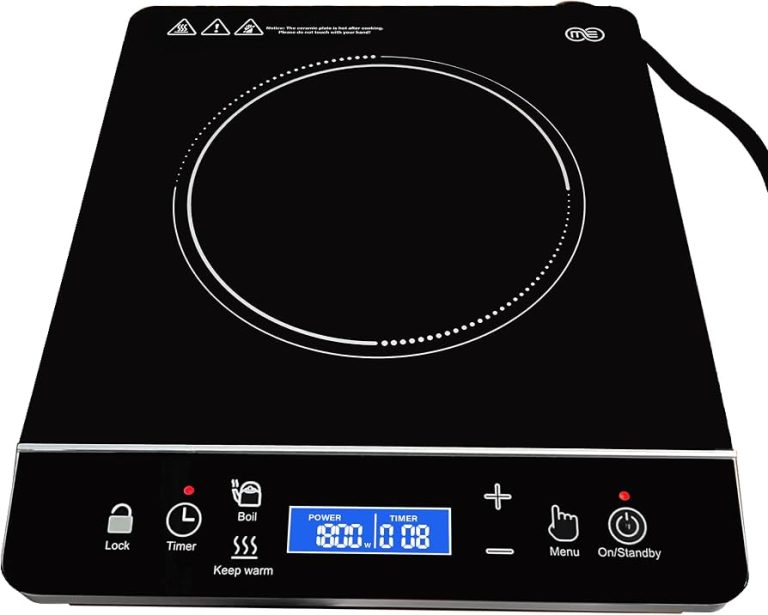
A glass cooktop can be induction, but not every glass cooktop is induction.
A lot of people mix up glass, smooth-top, radiant, and induction ranges because they look almost the same at a glance. I’ve seen that confusion many times in appliance guides and kitchen remodel conversations, and it makes sense. If you want to know whether a glass cooktop induction setup is the right fit, this article breaks down how it works, how to tell what you have, and what to expect in real life.

What a Glass Cooktop Induction Really Means
A glass cooktop induction stove has a smooth glass surface, but the heat works in a very different way from a standard electric top. Instead of heating the surface first, induction uses magnetic energy to heat the pan directly. That means the glass itself does not create heat the way a coil or radiant burner does.
This is why the phrase glass cooktop induction can be confusing. The glass is the top layer, but induction is the cooking technology underneath it. In my experience, this is one of the easiest kitchen features to misread in a store display because every smooth cooktop looks sleek and modern.
Here’s the simple rule:
- Glass cooktop means the surface is made of glass or glass-ceramic.
- Induction means the burner uses electromagnetic energy.
- A cooktop can be both at the same time.

How Induction on a Glass Cooktop Works
Induction cooking relies on a magnetic field. When you place a compatible pan on the cooking zone, the field creates heat inside the pan itself. The glass top stays cooler than the pan, though it can still warm up from contact with hot cookware.
This technology is different from radiant electric cooktops, which heat the glass and then transfer that heat to the pan. It is also different from gas, where flame heats the cookware from below. According to appliance and cookware testing standards used across the industry, induction is known for fast response time and strong energy efficiency.
A few key points help explain the process:
- The cooktop only works with magnetic cookware.
- Heat starts in the pan, not on the surface.
- Temperature changes happen very fast.
- The smooth glass surface is easy to wipe clean after cooking.
When I first tested induction in a home kitchen, the speed was the biggest surprise. Water boiled fast enough that I had to slow down and adjust my habits. It feels a bit like driving a car that responds the moment you touch the pedal.
How to Tell If Your Glass Cooktop Is Induction
Not every glass cooktop is induction, so it helps to know what to look for. Many ranges use a black glass surface, but that alone does not tell you the heating type. The best clue is whether the cooktop needs magnetic cookware.
Here are simple ways to check:
- Hold a magnet to the bottom of your pan. If it sticks well, the pan may work on induction.
- Look for labels such as induction, induction-ready, or magnetic zone.
- Check your owner’s manual or model number.
- See whether the burner heats only when a pan is placed on it.
A glass cooktop induction range often has very precise controls and may make soft humming or clicking sounds. That is normal in many models. If your cooktop glows red like an electric burner, it is usually radiant, not induction.
Benefits of a Glass Cooktop Induction System
There are good reasons why glass cooktop induction models have become so popular in modern kitchens. They combine a sleek look with practical cooking power. For many home cooks, the biggest win is control.
Some of the top benefits include:
- Fast heating: Water and pans heat much faster than on many electric cooktops.
- Better temperature control: It is easier to simmer, melt, or sear with precision.
- Energy efficiency: Less heat is lost to the air, so more energy goes into the pan.
- Cooler kitchen: The room often feels less hot during cooking.
- Easy cleaning: The flat glass surface wipes down quickly.
- Safer feel: The cooktop does not create an open flame.
From a day-to-day view, I’ve found the cleanup advantage especially useful. A spill on a glass cooktop induction surface is easier to manage if you wipe it soon after cooking. That small thing saves a lot of frustration later.
Limitations and Things to Watch Out For
A glass cooktop induction setup is great, but it is not perfect for every household. The biggest limitation is cookware compatibility. If your pots and pans are not magnetic, they will not work.
Other things to keep in mind:
- Glass can scratch if you drag rough cookware across it.
- Heavy pans can chip the edge if dropped.
- Some users notice fan noise during use.
- Power can stop if the pan is too small for the burner zone.
- Glass surfaces need gentle cleaning to avoid damage.
There is also a learning curve. Induction responds fast, so a dish that is fine on gas may burn if you use the same setting. I learned that lesson while reheating sauce; the pan went from warm to too hot very quickly. The fix is simple, though: start lower than you think you need.
Best Cookware for a Glass Cooktop Induction
If you want your glass cooktop induction system to work well, cookware choice matters a lot. The best pans are made from magnetic materials like cast iron or many stainless steel blends. Some aluminum or copper pans work only if they have an induction-compatible base.
Good options include:
- Cast iron
- Magnetic stainless steel
- Cookware labeled induction-ready
- Multi-ply pans with a magnetic base
Avoid these unless they are specially made for induction:
- Pure aluminum
- Pure copper
- Glass cookware
- Nonmagnetic stainless steel
A simple test with a magnet can save time and money. If the magnet sticks strongly to the pan base, you are usually in good shape. That one habit can prevent a lot of returns and kitchen stress.
Is a Glass Cooktop Induction Safer Than Other Cooktops?
In many homes, yes, a glass cooktop induction model can feel safer than gas or radiant electric. Because the surface does not get as hot as the pan, the risk of accidental burns is often lower. It also removes open flames, which is a comfort for families with kids or busy kitchens.
Still, safety depends on how you use it. The cooktop can stay warm from the pan, and spills can still smoke if food burns in the pot. Good habits matter:
- Keep the surface dry and clean.
- Use cookware that fits the burner.
- Don’t slide pans across the glass.
- Let the cooktop cool before cleaning.
For me, the safety benefit is strongest when many things are happening at once. If you are cooking dinner, answering a question, and turning around for a towel, a cooler surface gives peace of mind.
Cleaning and Maintenance Tips for a Glass Cooktop Induction
One of the nicest parts of a glass cooktop induction surface is how easy it is to maintain. The flat top leaves no grates or coils to scrub. That said, the glass needs a gentle touch.
Best cleaning habits:
- Wipe spills after the surface cools.
- Use a soft cloth or nonabrasive sponge.
- Choose a cleaner made for glass cooktops.
- Avoid steel wool or harsh scrapers.
- Remove stuck-on food with a cooktop-safe scraper if needed.
Do not use too much cleaner. A little goes a long way, and extra residue can leave streaks. I usually tell people to clean often and lightly rather than wait for a huge mess. That approach keeps the finish looking newer longer.
Common Myths About Glass Cooktop Induction
A lot of myths still surround the glass cooktop induction topic. Some come from older electric ranges, and some come from the fact that the surface looks fragile. The truth is more practical than dramatic.
Common myths include:
- Myth: All glass cooktops are induction.
- Truth: Many are radiant electric, not induction.
- Myth: Induction is unsafe because it uses magnetism.
- Truth: It uses controlled electromagnetic energy and is widely used in modern appliances.
- Myth: Glass cooktops break easily.
- Truth: They are durable with normal care, though they should not be abused.
- Myth: Induction only works with expensive pans.
- Truth: Many affordable magnetic pans work well.
The main takeaway is simple: know the technology before you buy. A glass top can look the same from the outside while performing very differently inside.
When a Glass Cooktop Induction Is the Right Choice
A glass cooktop induction is a strong choice if you want fast heat, easy cleanup, and accurate control. It often fits well in modern kitchens, smaller spaces, and homes where energy efficiency matters. It is also a good fit if you cook often and want a more responsive surface.
It may be right for you if you:
- Want quicker boiling and faster preheating
- Prefer a sleek, smooth design
- Like precise temperature changes
- Want a cooler kitchen while cooking
- Are willing to buy compatible cookware
It may not be ideal if you:
- Use many nonmagnetic pans
- Want the open flame feel of gas
- Prefer a cooktop that is completely familiar and low learning curve
From my experience, the best results come when the cooktop matches the cook’s habits. A glass cooktop induction unit is like a sharp tool: excellent when used well, but best if you understand its strengths.
Frequently Asked Questions of Is a Glass Cooktop Induction
How can I tell if my glass cooktop is induction?
Check whether a magnet sticks to your cookware and look for induction labels on the control panel or manual. If the burner only heats when a compatible pan is placed on it, it is likely induction.
Can induction cooktops crack or scratch easily?
They can scratch if you drag rough or dirty pans across the surface, and they can chip if something heavy is dropped on them. With normal care and the right cleaning tools, they hold up well for everyday use.
Does induction cooktop use a lot of electricity?
Induction is usually energy efficient because it heats the pan directly instead of heating the room around it. It may use power quickly while cooking, but it often wastes less energy than older electric cooktops.
Why does my glass induction cooktop make noise?
A soft fan sound, humming, or clicking can happen during normal operation. These sounds often come from the cooling fan or the pan reacting to the magnetic field, and they are usually not a problem.
Do I need special pans for a glass cooktop induction?
Yes, you need cookware with a magnetic base. Cast iron and many stainless steel pans work well, while pure aluminum, copper, or glass usually do not unless they are labeled induction-compatible.
Conclusion
A glass cooktop induction surface gives you the clean look of glass with the speed and control of induction cooking. It is not the same as a standard electric glass top, and that difference matters when you shop, cook, and clean. If you understand the cookware needs and use a few simple habits, it can be one of the best upgrades in a modern kitchen.
If you are deciding on a new cooktop, take a close look at your current pans, your cooking style, and how much control you want at the burner. The more informed your choice, the more satisfying your kitchen will feel every day. If this guide helped, explore more appliance tips or leave a comment with your own induction questions.