How To Clean Porcelain Cooktop: Easy Safe Guide

Clean a porcelain cooktop with a gentle cleaner, soft cloth, and careful scraping of burnt-on residue.
A porcelain cooktop can look beautiful for years, but it needs the right care to stay that way. I’ve cleaned plenty of these surfaces, and the biggest lesson is simple: use light pressure, nonabrasive tools, and the right cleaner so you remove grease and spills without scratching the finish. In this guide, I’ll show you exactly how to clean a porcelain cooktop, what to avoid, and how to handle tough stains the safe way.

What a Porcelain Cooktop Is and Why It Needs Care
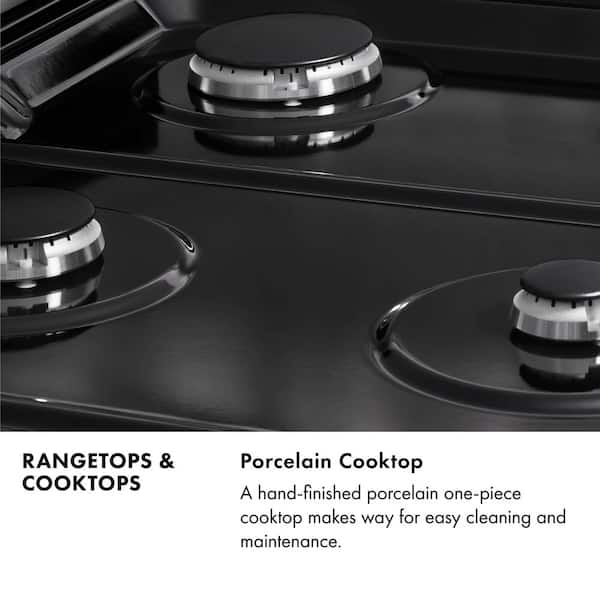
A porcelain cooktop has a smooth, glossy enamel-like finish over metal. It looks sleek, wipes down easily, and handles everyday cooking messes well. But that surface can chip, dull, or scratch if you use the wrong pad or harsh cleaner.
Porcelain is durable, but it is not indestructible. Think of it like a polished countertop with a protective skin. Once that skin gets damaged, stains and rust can settle in faster.
The good news is that how to clean porcelain cooktop care is simple once you know the basics. Most messes come off with warm water, dish soap, and a soft cloth. For baked-on spills, a careful step-up approach works best.
Supplies You Need Before You Start
You do not need a lot of fancy tools to clean a porcelain cooktop. In fact, simple is safer.
Here is what I recommend keeping nearby:
- Soft microfiber cloths
- Mild dish soap
- Warm water
- Nonabrasive sponge
- Plastic scraper or a cooktop-safe razor tool
- Baking soda
- White vinegar
- A small bowl
- Dry towel for buffing
From my own experience, the mistake people make most often is grabbing a rough scrub pad too quickly. That can leave tiny marks that show up later in bright light. If you want a long-lasting shine, gentleness wins every time.
How to Clean Porcelain Cooktop Step by Step
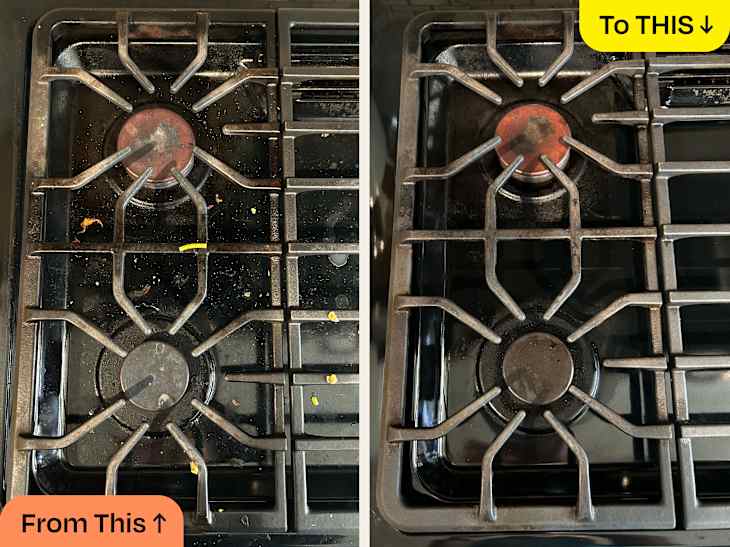
The safest way to clean a porcelain cooktop is to work in layers. Start with the mildest method, then move up only if you need to.
1. Let the cooktop cool completely
Never clean a hot surface. Heat can make cleaners dry too fast, and it can also make you rush the job. Wait until the cooktop is fully cool to the touch.
2. Remove loose crumbs and debris
Use a dry microfiber cloth or soft brush to pick up crumbs, dust, and loose food bits. This keeps you from dragging grit across the porcelain.
3. Wipe with warm soapy water
Mix a few drops of mild dish soap into warm water. Dip a soft cloth into the mixture, wring it out well, and wipe the surface in small sections.
This step removes most daily grease and smudges. For light messes, it is often all you need.
4. Rinse with clean water
Use a separate damp cloth with plain water to remove soap residue. Soap film can leave the cooktop looking cloudy if you skip this part.
5. Dry the surface
Use a clean dry towel or microfiber cloth to buff the cooktop dry. This helps prevent water spots and gives the finish a nice shine.
6. Treat stubborn spots carefully
For stuck-on food, make a paste of baking soda and a little water. Apply it to the stain and let it sit for 10 to 15 minutes.
Then gently wipe it away with a damp nonabrasive sponge. If the food is still stuck, use a plastic scraper at a low angle and light pressure.

How to Clean Burnt-On Stains on a Porcelain Cooktop
Burnt spills are the part everyone worries about. I get it. A sugar spill or sauce splatter can look scary once it hardens. The trick is not to attack it with force.
Follow this method:
- Soften the area with a damp cloth for a few minutes
- Apply a baking soda paste
- Let it sit so the stain loosens
- Scrape gently with a plastic tool
- Wipe clean with warm water
- Dry immediately
If the stain is greasy, a drop of dish soap can help break it down. If it is mineral-heavy, a little white vinegar on a cloth may help loosen the residue. Use vinegar lightly and wipe it off well, especially if your appliance manual warns against acidic cleaners.
One lesson I learned the hard way: do not keep scraping at the same spot. If a stain does not lift right away, soften it more and come back later. Slow is safer than forcing it.
What to Avoid When Cleaning Porcelain Cooktops
Knowing what not to do is just as important as knowing the right method. Many cooktop problems come from good intentions and the wrong tools.
Avoid these:
- Steel wool
- Abrasive scouring pads
- Powder cleaners with grit
- Bleach unless the manufacturer says it is safe
- Knife blades or metal scrapers used aggressively
- Harsh oven cleaners
- Ammonia-heavy products without checking the manual
These products can dull the finish, leave scratches, or damage the porcelain coating. Once that shine is gone, it is hard to bring back.
The safest rule is this: if the cleaner is made for heavy-duty scrub work, it is probably too rough for your cooktop.
How to Clean Different Types of Messes
Not every spill is the same. A good cleaning method depends on what landed on the surface.
Grease splatter
Grease usually comes off with warm water and dish soap. If it has hardened, let the soapy cloth sit on the spot for a minute before wiping.
Boil-over spills
For pasta water, soup, or milk spills, wipe them up as soon as the surface cools. These messes often leave a thin film that becomes sticky if ignored.
Sugar-based spills
Sugar can harden fast and become tough to remove. Soften it first before scraping, because dry scraping can scratch the finish.
Burn marks
If the mark is from cooked-on food, use the baking soda paste method first. For dark spots that do not budge, repeat the soak instead of scrubbing harder.
Water spots
Water spots are usually easy to remove with a damp cloth and drying towel. If they keep showing up, your water may be hard, and a final dry buff makes a big difference.
How Often You Should Clean a Porcelain Cooktop
A porcelain cooktop stays in better shape when you clean it often. Daily wiping is best if you cook regularly.
A simple routine looks like this:
- After each use, wipe away light splashes once the surface is cool
- Once a day, do a full wipe with warm soapy water
- Once a week, check for stuck-on buildup around burners and edges
- As needed, treat stains before they harden
In my experience, small cleanups save the most time. A 30-second wipe after dinner is far easier than scraping dried sauce the next day.
Best Practices to Keep the Finish Looking New
If you want to protect the surface over time, build a few habits. These small steps can make a big difference.
- Use cookware with smooth bottoms
- Lift pots instead of sliding them
- Wipe spills right away
- Keep burner areas dry
- Avoid cutting or chopping on the cooktop
- Use only soft cleaning cloths
Also, check your appliance manual. Some porcelain-coated surfaces have brand-specific care notes. That matters because manufacturers sometimes recommend certain cleaning products and warn against others.
A porcelain cooktop is a bit like a good pair of shoes. Care for it little by little, and it stays sharp much longer.
Common Mistakes People Make
I have seen the same errors over and over, and they usually come from trying to clean too fast.
Some common mistakes include:
- Scrubbing with a rough sponge
- Using too much cleaner
- Cleaning before the surface cools
- Ignoring spills until they bake on
- Using metal tools too roughly
- Forgetting to dry the surface
The biggest problem is usually impatience. Gentle cleaning takes a few extra minutes, but it protects the finish and keeps the cooktop looking new.
When to Call for Help or Check the Manual
Sometimes a stain is not just dirt. It may be damage, discoloration, or a finish issue. If you see chips, deep scratches, or areas that keep turning dull, check the manufacturer’s care guide.
You should also get help if:
- The surface has visible cracks
- A stain looks like it may be burned into the coating
- The cooktop is under warranty and you are unsure what products are allowed
- Cleaning does not improve the appearance after several attempts
Good care is important, but so is knowing when a problem is bigger than a cleaning job.
Frequently Asked Questions of How to Clean Porcelain Cooktop
What is the best thing to clean a porcelain cooktop with?
The best everyday cleaner is warm water mixed with a little mild dish soap. A soft microfiber cloth is usually enough for grease, fingerprints, and light spills.
Can I use baking soda on a porcelain cooktop?
Yes, baking soda is a safe and useful option for stuck-on residue when mixed with water into a paste. Use it gently and avoid heavy scrubbing so you do not dull the finish.
Can I use vinegar on a porcelain cooktop?
White vinegar can help with water spots and light residue, but use it carefully. Always wipe it off with clean water afterward and check your appliance manual for product restrictions.
How do I remove burnt food from a porcelain cooktop?
Soften the spot first with a damp cloth, then apply a baking soda paste. If needed, use a plastic scraper at a low angle and with light pressure to lift the residue safely.
What should I not use on a porcelain cooktop?
Avoid steel wool, abrasive powders, harsh oven cleaners, and rough scrubbing pads. These can scratch the surface, dull the shine, or damage the porcelain coating.
How do I keep my porcelain cooktop shiny?
Wipe it after each use, dry it well, and avoid abrasive tools. Regular gentle cleaning is the easiest way to keep the finish glossy and clean.
Conclusion
Keeping a porcelain cooktop clean is mostly about patience, soft tools, and the right routine. Once you understand how to clean porcelain cooktop surfaces the safe way, the job gets much easier and the finish lasts longer.
Start with mild soap and water, move to baking soda for stubborn spots, and avoid harsh scrubbers that can damage the coating. If you make a habit of wiping spills early, you will spend less time cleaning and more time enjoying a cooktop that looks cared for.
If this guide helped, try the steps the next time your cooktop needs attention, and share your own tips or questions in the comments.