Is A Cooktop 110 Or 220: Voltage Guide

A cooktop can be 110 or 220 volts, but most full-size models use 220 volts.
If you are trying to figure out whether a cooktop is 110 or 220, you are asking the right question before buying, replacing, or installing one. I have helped homeowners compare appliance specs more times than I can count, and this is one of those details that can save you from costly mistakes, extra wiring work, and a return you did not want to make. A cooktop’s voltage affects how it performs, what kind of outlet it needs, and whether it will fit your kitchen setup, so let’s break it down clearly and practically.
What Voltage Does a Cooktop Use?
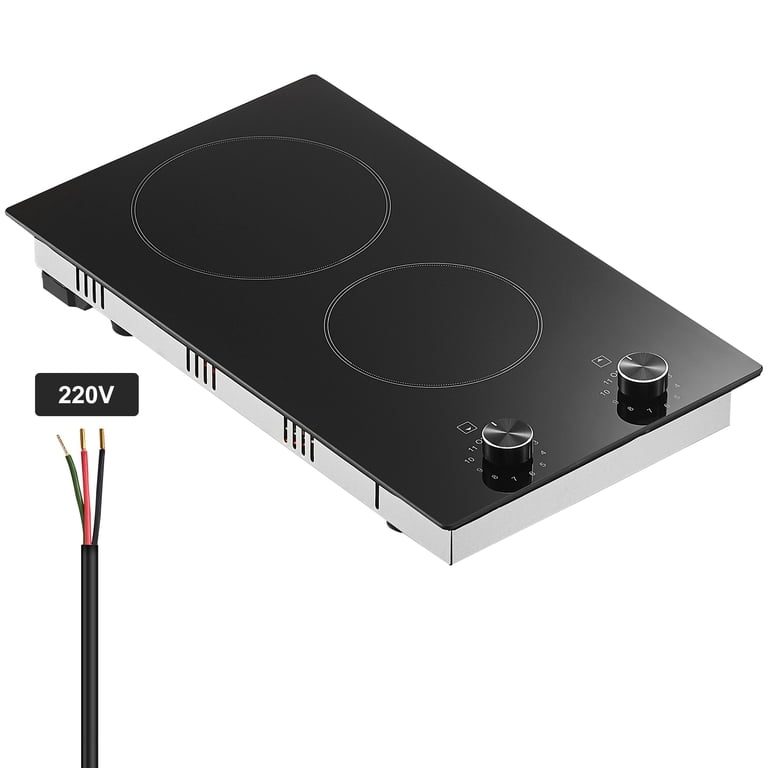
A cooktop is usually powered by either 110 volts or 220 volts, depending on the model and the cooking power it needs. In the United States, 110 volts is the common household standard for small appliances, while 220 volts is used for larger appliances that need more energy.
Most electric cooktops are 220 volts because they need more power for fast heating and steady cooking. That extra voltage helps burners heat up quicker and handle heavy daily use. Smaller or portable cooktops may run on 110 volts, but they are less common in full kitchen installations.
Here is the simple rule I use when checking specs:
- Small portable units are often 110 volts
- Built-in electric cooktops are usually 220 volts
- Gas cooktops may use 110 volts only for ignition or controls
- Dual fuel setups can vary, so always check the label
If you are asking, “Is a cooktop 110 or 220?” the safest answer is: check the model number, because both exist, but 220 volts is more common for standard electric cooktops.

Why Most Cooktops Use 220 Volts
Cooktops are power-hungry appliances. When burners have to heat pans quickly and hold a steady temperature, they need more electrical current than a standard 110-volt outlet can usually provide.
A 220-volt connection gives the cooktop more room to perform without overloading the circuit. That means better heat output, faster boil times, and more reliable cooking when all burners are in use. In my experience, this is one of those areas where the bigger power supply really does make everyday cooking easier.
A 220-volt cooktop often makes sense for:
- Family kitchens with regular cooking
- Larger induction or electric cooktops
- Homes that want fast, even heat
- Installations with multiple burners running at once
This is also why many manufacturers design built-in electric cooktops around 220 volts. The appliance simply performs better when it has enough power behind it.

How to Tell Whether Your Cooktop Is 110 or 220
The easiest way to tell is to check the appliance label or product manual. Most cooktops have a rating plate or data tag with voltage, amperage, and wattage listed right on it.
You can also look at the plug and outlet, but that is not always enough. Some cooktops are hardwired, which means they do not plug into a visible outlet at all. In those cases, the breaker panel and wiring are the best clues.
Use this quick checklist:
- Check the model number online
- Read the appliance nameplate
- Look at the installation manual
- Inspect the circuit breaker size
- Ask a licensed electrician if the wiring is unclear
If the cooktop says 208/240 volts, that is still in the 220-volt family for residential use. People often say “220” even when the exact label reads 240 volts.

110 Volt Cooktops: When They Make Sense
A 110-volt cooktop can be a good fit in some situations. It is usually smaller, easier to install, and works with a standard household circuit in many homes.
These units are often used for light cooking, apartments, dorm-style spaces, or portable setups. They are also useful when you do not want to upgrade electrical wiring. That said, they usually do not heat as fast as 220-volt models, so patience becomes part of the deal.
A 110-volt cooktop may be right for you if:
- You need a compact or portable appliance
- Your kitchen cannot support new wiring
- You cook lightly or occasionally
- You are replacing a small countertop unit
I have seen people buy a 110-volt cooktop expecting full-size performance, and that mismatch usually leads to disappointment. Think of it like using a bicycle to do a truck’s job.
220 Volt Cooktops: Benefits and Tradeoffs
A 220-volt cooktop is the standard choice for many modern kitchens because it delivers stronger and more stable performance. It is especially useful for serious home cooks who want quick heat and better control.
The biggest benefit is power. Burners respond faster, simmer more evenly, and recover heat better after adding food to the pan. That makes a real difference when you are boiling pasta, searing meat, or cooking multiple dishes at once.
Benefits of 220-volt cooktops:
- Faster heat-up times
- Better cooking performance
- Stronger support for multiple burners
- More common in full-size kitchen designs
There are a few tradeoffs too:
- Installation may require a dedicated circuit
- Electrical upgrades can add cost
- It is less likely to work in older homes without changes
If you are remodeling, this is often the better long-term choice. In my experience, people rarely regret choosing the right power setup, but they often regret trying to “make do” with the wrong one.
Gas Cooktops and Voltage
Gas cooktops are a little different. They do not use electricity for the actual flame, but many still need some power for the ignition system, lights, timers, or controls.
That means a gas cooktop might only need a standard 110-volt outlet, and some older models may not need much electrical power at all. Still, you should not assume. Some advanced gas models include extra features that require a dedicated electrical connection.
If you are choosing a gas cooktop, check for:
- Electrical requirements for ignition
- Outlet location
- Built-in controls or display panels
- Local code requirements
So when someone asks, “Is a cooktop 110 or 220?” the answer for gas is often “usually 110 or less for the electric features,” while the burner itself runs on gas.
What Happens If You Use the Wrong Voltage?
Using the wrong voltage can cause poor performance, tripped breakers, or even damage to the appliance. A cooktop designed for 220 volts usually will not work properly on a 110-volt line because it simply will not get enough power.
On the other hand, plugging a 110-volt cooktop into the wrong high-voltage setup can be dangerous and may destroy the unit. This is why voltage matching matters so much.
Possible problems include:
- Weak heating
- Slow cooking
- Breaker trips
- Wire overheating
- Appliance damage
This is not a guess-and-hope situation. Electrical appliances need exact compatibility, especially high-draw items like cooktops. When in doubt, stop and confirm before installation.
Installation Tips From Real-World Experience
One mistake I see often is people buying the cooktop first and checking the wiring later. That can lead to delays, extra labor, or needing to return the appliance because the kitchen is not ready for it.
A better approach is to verify the electrical setup before purchase. Measure the space, confirm the circuit, and match the specs to the appliance. That simple habit can save hours of frustration.
Practical tips:
- Confirm the voltage before ordering
- Check whether the cooktop is hardwired or plug-in
- Make sure the breaker size matches the manual
- Hire a licensed electrician for new circuits
- Keep the installation manual for reference
If you are replacing an older cooktop, do not assume the old wiring is still safe or compliant. Kitchens age, and wiring can become outdated even when the appliance looks fine on the surface.
How to Read Cooktop Specs Correctly
Product spec sheets can look confusing at first, but the important details are easy to spot once you know what to look for. Voltage, amperage, and wattage tell you how the cooktop behaves and what kind of circuit it needs.
Look for:
- Voltage: often 110, 120, 208, 220, 240, or 240/208
- Amperage: the current draw
- Wattage: the power output
- Circuit type: dedicated line or plug-in
- Installation type: built-in, portable, or drop-in
A label that says 240 volts is usually referring to the same general category people mean when they say 220 volts. In U.S. homes, those terms are often used interchangeably in everyday conversation.
Frequently Asked Questions of Is a Cooktop 110 or 220
Is a cooktop 110 or 220 volts more common?
Most full-size electric cooktops are 220 volts. Smaller portable units may use 110 volts, but they are less common for permanent kitchen installations.
Can a 220-volt cooktop run on 110 volts?
No, not properly. A 220-volt cooktop usually will not heat correctly on 110 volts and may not work at all.
Do gas cooktops need 110 or 220 volts?
Most gas cooktops only need 110 volts or less for ignition and controls. The gas does the cooking, not the electricity.
How do I know what voltage my cooktop needs?
Check the rating label, user manual, or product spec sheet. If you are still unsure, a licensed electrician can confirm the circuit safely.
Is 240 volts the same as 220 volts?
In everyday appliance language, yes, people often use them to mean the same thing. Many U.S. cooktops are labeled 208/240 volts, which covers common home installations.
Conclusion
Choosing between a 110-volt and 220-volt cooktop comes down to power, performance, and your kitchen’s wiring. Most electric cooktops use 220 volts because they heat faster and cook more evenly, while 110-volt models are better for smaller or lighter-use setups.
If you are shopping for one, check the specs first and match the appliance to your electrical system before you buy. That one step can prevent installation headaches and help you choose the right cooktop with confidence. If this guide helped, explore more appliance tips and share your questions in the comments.