Best Non-Toxic Cookware for Health: My Honest, Practical Guide 2026

I didn’t start caring about non-toxic cookware because it was trendy. I started because one day my nonstick pan peeled. Tiny flakes. Right where my eggs were.
That small moment sent me down a long rabbit hole of cookware materials, surface coatings, safety claims, and labels. I read studies, checked safety guidance, and tested pans in my own kitchen. I replaced things slowly and kept what actually worked. Over time, my whole kitchen changed.
This guide is what I wish I had back then. If you’re searching for the best non-toxic cookware for health—especially for everyday cooking—this is the clear, no-hype version. I’ll share what I learned, what I use, and simple rules to pick safe pans that last.
What Is the Safest Non-Toxic Cookware?
If you want the short version, here it is.
The safest cookware materials for health are:
- Stainless steel
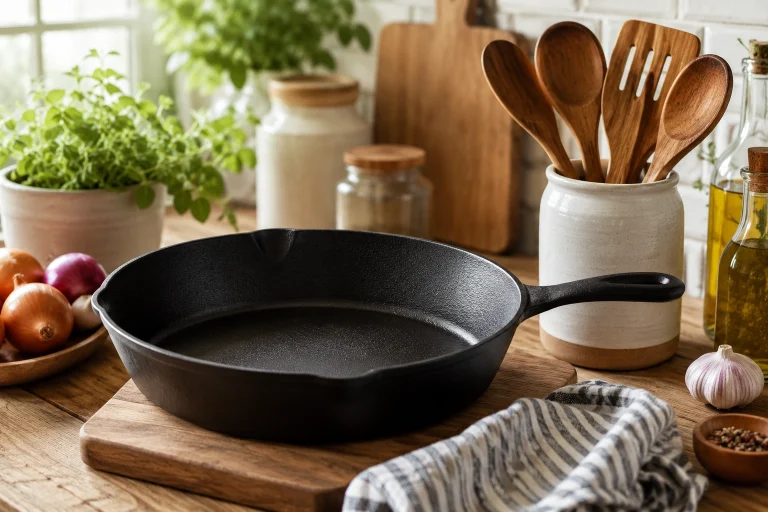
- Cast iron (bare or enameled)
- 100% ceramic cookware
- Titanium cookware
- Glass cookware
These materials do not rely on synthetic chemical coatings. They stay stable under normal cooking temperatures. They also tend to age well, which matters more than marketing claims.
For most people who cook every day, stainless steel is the best place to start. It is versatile, easy to care for, and low risk for chemical exposure.
What “Non-Toxic Cookware” Really Means
The term non-toxic gets tossed around a lot. It is used in ads, on packaging, and in product pages.
When people search for healthy non-toxic cookware, they usually want cookware that:
- Does not release harmful chemicals when heated
- Does not contain PFAS, PTFE, or PFOA
- Does not leach heavy metals like lead or cadmium
- Stays safe over time, not just when it’s new
A lot of products labeled “non-toxic” only mean PFOA-free. PFOA was phased out years ago. Saying “PFOA-free” is a low bar and does not guarantee safety from other PFAS or from degrading coatings.
Common terms and what they mean
Here are simple definitions I found useful:
- PFAS — A group of persistent chemicals that can resist heat and grease. They include older compounds tied to health concerns.
- PTFE — The polymer used in classic nonstick coatings (often called Teflon). It performs well but degrades with high heat and scratches.
- PFOA — An older PFAS used in manufacturing PTFE. It is mostly phased out, but claims of “PFOA-free” don’t tell the full story.
Why material matters more than marketing
From my tests and reading, cookware becomes risky for four reasons:
- Chemical coatings that can break down
- High heat that exceeds a coating’s safe range
- Wear and scratches that expose lower layers
- Poor manufacturing quality and unknown ingredients
A pan can be “safe” on day one and questionable a year later. That is why I focus on raw materials and long-term durability, not just labels.
Why I Stopped Trusting Traditional Nonstick
I used to love nonstick pans. Cleanup was easy. Eggs slid right out. But I learned they come with trade-offs.
Here’s what convinced me to change:
- Nonstick coatings wear out and can flake.
- Scratches are nearly unavoidable with regular use.
- High heat happens by accident—especially when preheating.
- Many nonstick pans need replacing every 1–3 years.
Once I switched to pans that don’t depend on a coating, the stress vanished. No flakes. No worrying about fumes. No constant replacing. Cooking felt easier and safer.
The Best Cookware Materials for Health
There is no single perfect material. Each option has strong points and limits. I’ll share how they perform in real kitchens and what trade-offs to expect.
Stainless Steel Cookware (My Everyday Choice)
If I had to pick one material for a complete kitchen, it would be stainless steel. I use it most days.
Why It’s So Safe
- No chemical coating to break down.
- Handles high heat well without off-gassing.
- Won’t peel or flake like coated pans.
- With good care, it can last decades.
Most complaints about stainless steel are about sticking. That usually comes down to technique. Preheat the pan, add oil at the right time, and food will release more easily. Simple habit changes make a big difference.
Best For
- Daily cooking and meal prep
- Sautéing and browning
- Simmering sauces and soups
- One-pan meals where durability matters

Bottom line:
Stainless steel is one of the best cookware materials for health and everyday use. It pairs safety with real-world performance.
Cast Iron Cookware (Durable and Powerful)
Cast iron has been used for generations for good reason. It is simple and robust.
Why It’s Healthy
- No synthetic coatings.
- Extremely durable—can last a lifetime.
- Becomes naturally nonstick when well seasoned.
Bare cast iron needs some care. You must keep it seasoned and dry. Enameled cast iron is easier for acidic foods but must be good quality to avoid chips and low-quality glazes.
Best For
- High-heat cooking and searing
- Oven-to-stovetop recipes and braises
- Long-simmered stews that benefit from even heat

Bottom line:
Cast iron is one of the safest non-toxic cookware options if you accept a bit of maintenance. It gives great cooking results and real longevity.
Ceramic Cookware (Know the Difference)
This is where people get confused. “Ceramic” can mean different things, and each performs differently.
100% Ceramic Cookware
- Made from clay and kiln-fired glazes.
- Very inert and free of metals or PTFE.
- Safe for health when glazes are lead-free.
Pure ceramic is great for low- to medium-heat cooking and baking. It can be heavy. It is also more fragile and often more expensive than metal cookware.
Ceramic-Coated Cookware
- A metal base with a ceramic-like nonstick coating.
- Generally safer than traditional PTFE at moderate heat.
- Coating still wears out over time and can lose nonstick performance.

Bottom line:
Pure ceramic is very safe but limited by fragility and cost. Ceramic-coated pans are convenient but are better seen as temporary tools than lifetime cookware.
Titanium Cookware (Strong but Niche)
Titanium pans are light and corrosion-resistant. They are stable and do not rely on polymer coatings.
Pros
- Very durable and corrosion resistant.
- No chemical nonstick coatings required.
- Lightweight for easy handling.
Cons
- Often more expensive than other options.
- Not naturally nonstick—needs oil or seasoning techniques.

Bottom line:
Titanium is safe, stable, and light. It’s best for specific needs or users who want a lightweight, low-maintenance option rather than a full kitchen swap.
Glass Cookware (Quietly One of the Safest)
Glass cookware rarely gets attention for stove use, but it is a top choice for baking and food storage. It is inert and won’t leach chemicals.
Best For
- Baking and casseroles
- Food storage—no staining or smell transfer
- Oven dishes where chemical-free materials matter

Bottom line:
Glass is one of the healthiest cookware materials available for oven use and storage. It is inert, easy to clean, and safe at moderate temperatures.
Cookware Materials to Avoid
Some cookware looks harmless but does not age well or can expose you to risk over time. Here are types I avoid or only use carefully.
Traditional Nonstick (PTFE)
- Coatings can degrade at high heat.
- Scratches are common with metal utensils.
- Often needs replacing every few years.
Cheap Aluminum Cookware
- Can react with acidic foods and alter flavor.
- Often thin and low quality—warps or degrades faster.
Low-Quality Enamel
- Some cheap enamel glazes may contain lead or cadmium.
- Chips can expose raw metal under the glaze.
Greenwashed Claims
Words like “eco,” “green,” and “non-toxic” mean nothing without evidence. Look for clear material descriptions, manufacturer transparency, and testable claims. If a product page is vague, I move on.
How I Choose Truly Non-Toxic Cookware
I use five simple questions when deciding whether to buy a pan. These have saved me money and worry.
- Is the surface bare metal, ceramic, or glass?
- Does it rely on a polymer coating?
- What happens if it scratches—will it still be safe?
- Can it handle high heat needed for searing or browning?
- Will I trust it in five years, not just for a few months?
If the answers are unclear, I skip it. If the company provides technical specs and testing, I pay attention.
Labels and certifications to watch for
Look for clear material lists. Avoid vague language like “non-toxic coating.” If a seller lists PFAS-free or PTFE-free, check whether they specify which chemicals they avoid. Trusted sellers will share test results or materials data sheets on request.
Choosing the Best Non-Toxic Cookware for Your Life
If You Cook Every Day
- Stainless steel as your base set.
- Start with one skillet, one pot, and one saucepan.
If You Cook at High Heat
- Cast iron for searing and high-temperature work.
- Stainless steel for quick, hot pan cooking.
If You Want Easy Cooking
- Well-seasoned cast iron for near-nonstick performance.
- Ceramic-coated pans used gently at low-to-medium heat.
If You’re Cooking for Family
- Stainless steel for general use and safety.
- Cast iron for big meals and durability.
- Glass bakeware for oven dishes and storage.
If You’re on a Budget
- Replace one pan at a time to spread cost.
- Start with either cast iron or stainless steel—both are durable.
Healthy cookware does not have to be expensive. A single good skillet or pot will improve your cooking and reduce waste over time.
A simple starter kit I recommend
If you want my personal starter set, it includes:
- One 10–12″ stainless steel skillet
- One 3–4 quart stainless or enameled pot
- One seasoned cast iron skillet (for searing)
- One glass baking dish
This covers most daily cooking and keeps costs reasonable.
Caring for Non-Toxic Cookware
Stainless Steel
- Preheat the pan properly—heat it for a minute before adding oil.
- Use medium heat for most cooking to avoid food sticking.
- Let food release naturally—don’t force it with a spatula.
Cast Iron
- Dry fully after washing to avoid rust.
- Apply a light coat of oil after drying to protect seasoning.
- Heat briefly and avoid thermal shock to keep the seasoning intact.
Ceramic-Coated
- Use low to medium heat to extend the coating life.
- Wash gently—avoid scouring pads that scratch the surface.
- Replace when sticking or wear worsens; coatings are not permanent.
Glass
- Avoid sudden temperature changes (no cold water on a hot dish).
- Use for baking and storage rather than direct stovetop searing.
Simple cleaning tips
Use non-abrasive cleaners for most pans. For stuck-on food, soak the pan in warm soapy water. For stainless steel, try deglazing with wine or stock to lift browned bits. For cast iron, use coarse salt and oil for scrubbing without damaging seasoning.
When to Replace Cookware
Replace cookware if you see signs that affect safety or performance. Here’s an easy checklist.
- Peeling or flaking coatings
- Deep scratches that reach inner layers
- Chipped enamel that exposes metal
- Warping that prevents even cooking
- Persistent burning or uneven heat that damages food
Physical damage means it’s time. Small cosmetic marks are fine, but structural or coating failures are not worth the risk. For coated pans, a loss of nonstick performance usually signals the end of safe, worry-free use.
Quick replacement guide
If a pan peels or the coating flakes, stop using it for food and replace it. If enamel chips, you can sometimes use the pieces for oven-only tasks but not for foods that will contact exposed metal. With stainless or cast iron, repair or re-seasoning can extend life unless the damage is severe.
Final Checklist: Healthy Non-Toxic Cookware
Before buying, ask these quick questions:
- Is the surface stable without a synthetic coating?
- Can it safely handle the heat I use for cooking?
- Will it last years, not months?
If the answers are yes, you’re on the right track. If not, look for a different material or brand that gives clearer information.
Final Thoughts
Switching to non-toxic cookware did not happen overnight for me. It happened pan by pan. I tested options and kept what worked. I replaced items that showed wear or risk.
I stopped chasing perfect nonstick surfaces. Instead, I chose cookware that ages well and performs reliably. That change made my kitchen calmer. No peeling, no guessing, and far fewer replacements.
The healthiest cookware is the cookware you don’t have to worry about.
Start simple. Replace slowly. That is how you build a truly healthy kitchen that lasts.