How To Measure A Cooktop: Easy Fit Guide

Measuring a cooktop correctly means checking the cutout, the outer frame, and the surrounding clearance.
Getting the right fit is one of those small kitchen tasks that saves a big headache later. I’ve measured plenty of cooktops over the years, and the difference between a smooth installation and a frustrating return often comes down to a tape measure, a steady hand, and knowing exactly what to look for.
Why Measuring a Cooktop Matters
A cooktop may look simple from the top, but the real fit depends on more than just width. You need the right dimensions for the cabinet opening, the countertop space, and the safety clearance around the unit.
If the cooktop is too large, it will not fit the cutout. If it is too small, it may leave unsafe gaps or look sloppy. Measuring a cooktop the right way helps you avoid wasted time, extra labor, and costly mistakes.
In my own experience, the most common error is measuring only the visible surface. The actual install depends on the cutout size, not just the outer lip. That one detail has saved me from more than one bad purchase.
What You Need Before You Start
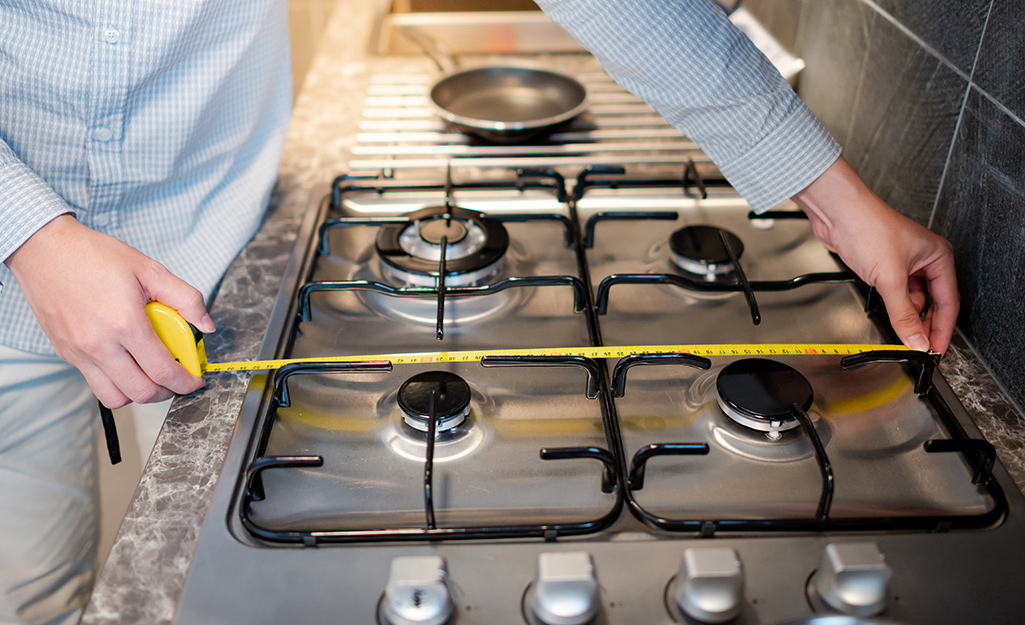
Before you measure a cooktop, gather a few simple tools. You do not need anything fancy, but accuracy matters.
Use this basic list:
- Tape measure
- Pencil
- Notepad or phone for notes
- Level, if the countertop may be uneven
- Manufacturer’s installation guide, if you have it
If you are replacing an old unit, try to find the model number. That makes it easier to compare exact specs with the new cooktop. I always recommend checking the install sheet first, because different brands can vary by a half inch or more.
How to Measure a Cooktop Step by Step
Measuring a cooktop is really about three things: the outer dimensions, the cutout dimensions, and the clearance space. If you measure all three, you will have a much better chance of getting the right fit.
1. Measure the cooktop’s overall width
Measure from the far left edge of the cooktop to the far right edge. This is the total width of the unit, including the frame or trim, if present.
Take the measurement at the widest point. Some models have rounded corners or side trim that slightly changes the size.
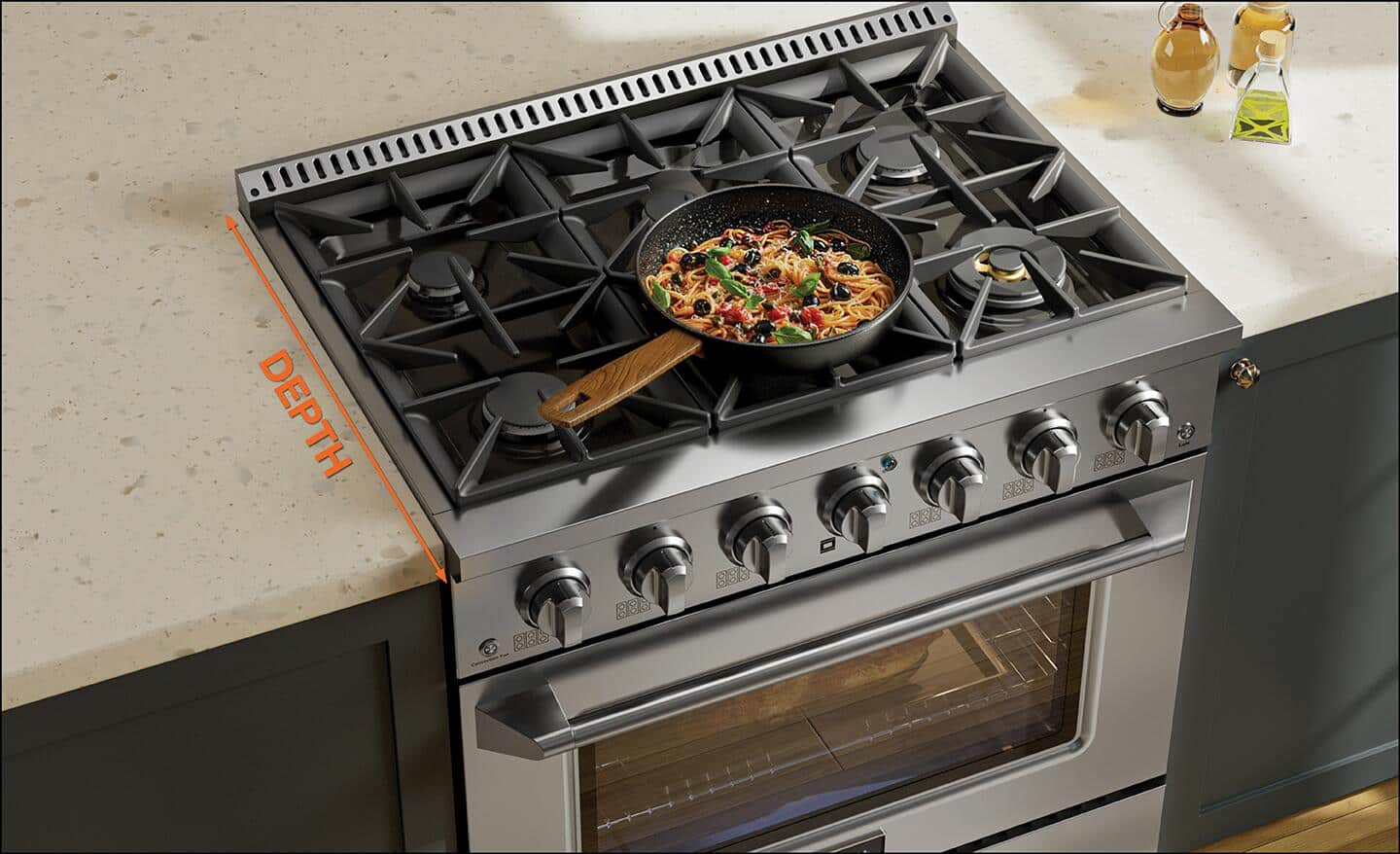
2. Measure the overall depth
Measure from the front edge to the back edge. Do not forget any knobs, overhangs, or trim pieces that extend past the main body.
This measurement matters because the cooktop must sit properly on the counter without bumping into a backsplash or cabinet wall.
3. Measure the cutout width
If you are replacing an existing cooktop, measure the opening in the countertop. This is the most important number for installation.
Measure from inside edge to inside edge at the widest point. Write the number down carefully, and measure more than once to confirm it is correct.
4. Measure the cutout depth
Next, measure the front-to-back opening of the counter cutout. This tells you how much room the cooktop has to sit in the countertop.
The cutout depth is just as important as the width. A mismatch here can stop the unit from fitting even if the width seems fine.
5. Measure the thickness of the countertop
Some installations need enough countertop thickness to support clamps and mounting hardware. Measure the surface from top to bottom if the installation instructions call for it.
This is especially helpful with stone, laminate, or custom counters. I have seen installs go sideways because the support brackets did not have enough space to grip properly.
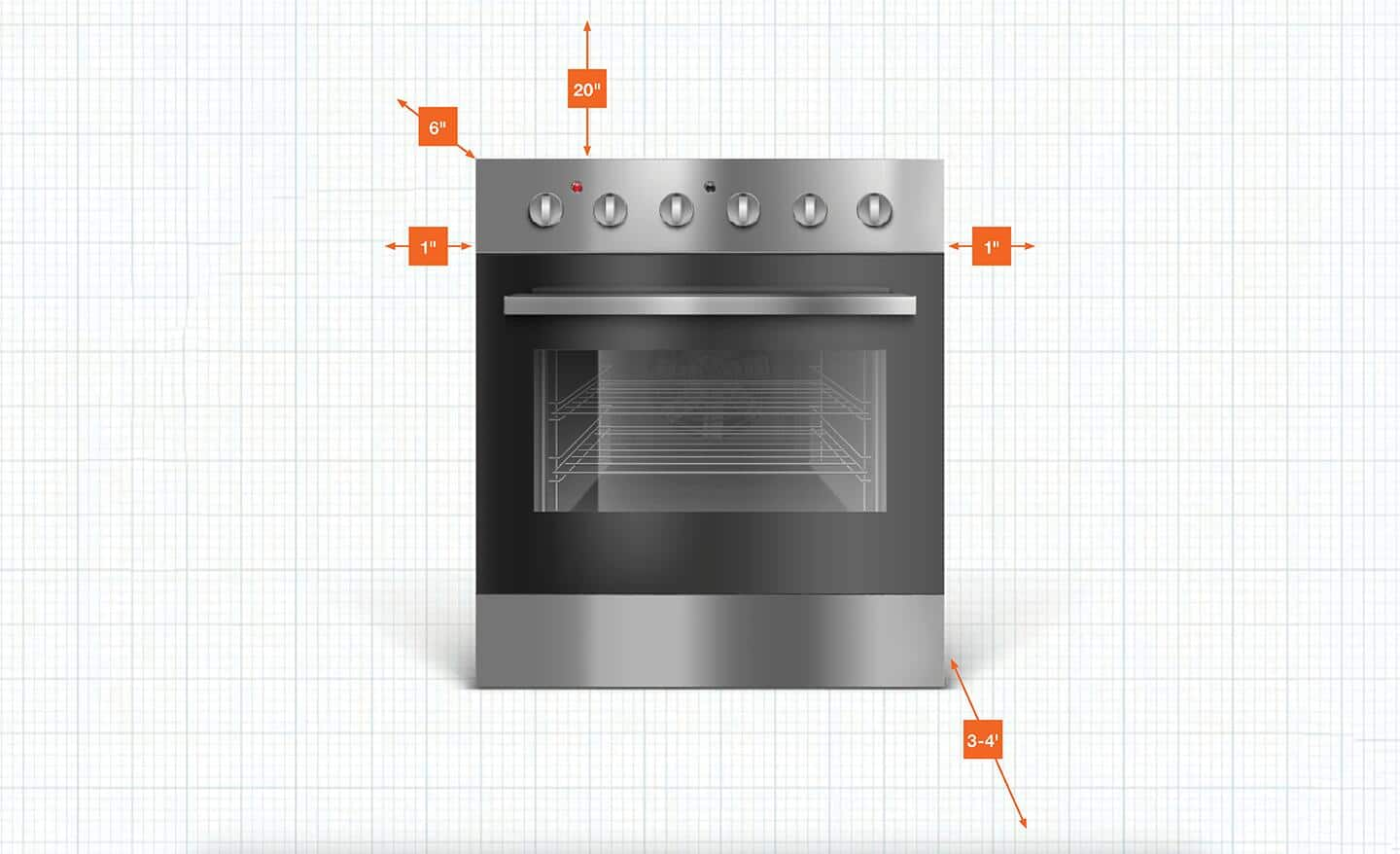
6. Check the clearance around the cooktop
Look at the space around the opening. You need enough room for safe operation and proper ventilation.
Check for these nearby items:
- Cabinet sides
- Backsplash
- Sink edges
- Wall ovens
- Range hoods
- Electrical or gas connections
Clearance rules vary by model and fuel type, so always compare your measurements with the manufacturer’s requirements.
How to Measure a Cooktop for Replacement
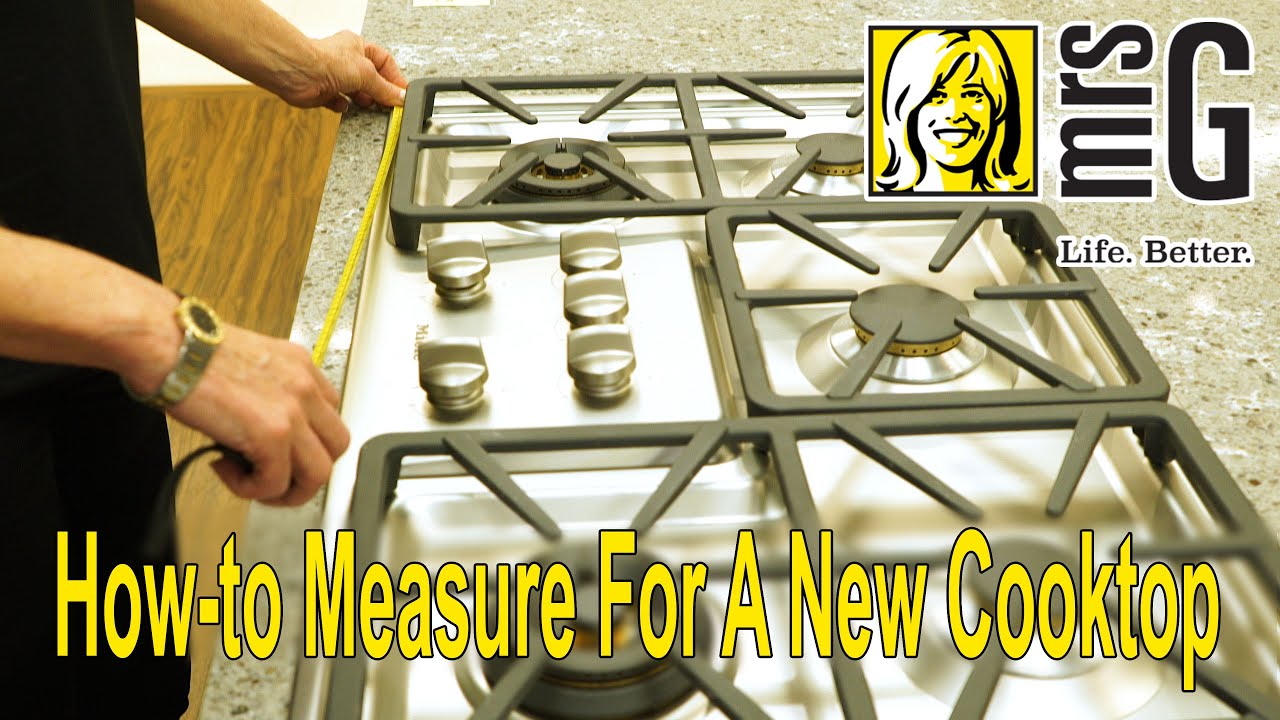
If you are replacing an existing cooktop, your first goal is to match the cutout as closely as possible. The old unit may not be the same size as the new one, even if they look similar from above.
Start by removing the old cooktop only if needed, then measure the opening in the counter. Also measure the old unit itself, since the mounting flange or trim may hide the actual size.
Here is the smart order I use:
- Measure the existing cutout
- Measure the old cooktop body
- Compare both with the new model’s install specs
- Check the required clearances
- Confirm utility hookups line up
This avoids the classic mistake of buying based on the product photo alone. A cooktop can look “standard” and still be off by enough to cause real problems.
How to Measure a Cooktop for a New Installation
If you are planning a brand-new countertop cutout, you need to work from the manufacturer’s template. This is the safest way to avoid errors.
Most cooktops come with a paper or digital cutout guide. It shows the exact opening size, corner radius, and minimum spacing requirements.
When planning the install:
- Confirm the cabinet width can support the unit
- Leave room for the gas line or electrical wiring
- Follow the template exactly
- Double-check the position before cutting
- Make sure ventilation and heat clearance are included
For new installs, precision matters even more because there is no old opening to guide you. One small measuring mistake can mean reworking an entire countertop.
Gas Cooktop vs Electric Cooktop Measurements
Gas and electric cooktops are often measured the same way, but their installation needs are not identical.
Gas cooktops may need more space for the burner assembly, gas line, and ventilation. Electric cooktops may need specific electrical clearance and a different type of support underneath.
Keep these differences in mind:
- Gas cooktops often need a gas shutoff nearby
- Electric cooktops usually need the correct voltage and circuit size
- Induction cooktops may have special ventilation recommendations
- Some models require more depth for electronics or burners
The good news is that the measuring process is still simple. The key is to match your numbers with the exact model instructions, not just the category.
Common Mistakes to Avoid
I have seen a lot of avoidable measuring problems. Most of them come from rushing or assuming all cooktops are the same size.
Avoid these mistakes:
- Measuring only the top surface and ignoring the cutout
- Forgetting to measure depth
- Not checking the installation template
- Ignoring clearance around cabinets or walls
- Assuming a “standard” size will fit
- Forgetting knobs, trim, or mounting hardware
One mistake I made early in my work was trusting the old opening without rechecking the corner shape. The width was right, but the corner radius was off, and that tiny detail caused the unit to sit unevenly. That lesson stuck with me: every line on the tape matters.
Tips for Getting an Accurate Measurement
A few simple habits can make your measurements much more reliable. The goal is not just to measure once, but to measure well.
Use these tips:
- Measure twice, sometimes three times
- Write everything down right away
- Measure in inches and keep the numbers consistent
- Use the same reference points each time
- Have someone help if the opening is large or awkward
- Compare your numbers with the product spec sheet before buying
It also helps to take a photo of the existing cooktop and opening. When shopping later, that photo can help you remember trim style, clearances, and nearby obstacles.
Standard Cooktop Sizes You May See
Many cooktops fall into a few common widths, but the exact cutout still depends on the model. Do not assume the outer size tells the whole story.
Common sizes include:
- 30-inch cooktops
- 36-inch cooktops
- 24-inch compact cooktops
- 45-inch or larger specialty models
These names usually refer to the approximate outer width, not the exact installation opening. Always check the product’s cutout dimensions before making a decision.
Measuring for Safety and Code Compliance
Accurate measurements are not just about fit. They also help support safe installation and proper operation.
Local building codes, electrical rules, and gas requirements may affect the final setup. In many areas, the installation guide must be followed along with local code. That is one reason professional installers rely on the spec sheet, not guesswork.
Pay close attention to:
- Minimum distance from combustible materials
- Required ventilation clearance
- Electrical circuit requirements
- Gas line placement
- Support under the countertop
If anything seems unclear, it is wise to ask a licensed installer or check the local code requirements before cutting or purchasing.
A Simple Measuring Checklist
Before you buy or install, use this checklist to stay on track.
- Measure the cooktop width
- Measure the cooktop depth
- Measure the cutout width
- Measure the cutout depth
- Check countertop thickness
- Review clearance around cabinets and walls
- Compare all numbers with the installation template
- Confirm gas or electrical access
- Recheck before final purchase
This quick routine has saved me time more than once. It is a small step, but it can prevent a big, expensive surprise.
Frequently Asked Questions of How to Measure a Cooktop
How do I measure a cooktop opening?
Measure the inside width and depth of the countertop cutout. These are the most important numbers for fit, since the cooktop must sit inside that opening securely.
Do I measure the cooktop or the countertop cutout first?
If you are replacing a unit, start with the countertop cutout. If you are buying a new cooktop, compare the product’s overall size and cutout requirements before any installation work begins.
Are all 30-inch cooktops the same size?
No, they are not. A 30-inch label usually refers to the approximate outer width, but the actual cutout size can vary by brand and model.
How much clearance does a cooktop need?
It depends on the cooktop type and manufacturer instructions. Always check the installation guide for minimum spacing around walls, cabinets, and ventilation areas.
Can I install a cooktop in any countertop?
Not always. The countertop material, thickness, cabinet structure, and utility access must all match the cooktop’s requirements for safe installation.
Conclusion
Measuring a cooktop is simple once you know what matters most: the overall size, the cutout dimensions, and the required clearances. If you take your time and compare your numbers with the installation guide, you can avoid most fit problems before they start.
The best approach is to measure carefully, double-check everything, and think beyond the visible surface. That small bit of extra effort can turn a stressful kitchen project into a clean, confident install.
If you are planning a replacement or a new kitchen setup, use the checklist above before you buy. For even better results, keep researching the exact model you want and leave a comment with any measuring question you are stuck on.