How To Find Induction Cookware: Best Buying Guide

Induction cookware works only when a magnetic base meets your cooktop, so check for induction compatibility first.
If you want to find induction cookware the right way, you need more than a quick guess in the aisle. I’ve tested enough pots and pans over the years to know that the difference between “looks right” and “actually works” can save you time, money, and a lot of frustration. In this guide, I’ll walk you through how to find induction cookware with simple checks, smart buying tips, and a few hard-earned lessons from real kitchen use.
What Induction Cookware Actually Is
Induction cookware is cookware that can heat on an induction cooktop because it has a magnetic base. Instead of using an open flame or a hot electric coil, induction uses electromagnetic energy to heat the pan itself. That means the pan has to be made from the right material, or at least have a magnetic layer in the bottom.
The easiest way to think about it is this: the cooktop and the pan need to “talk” to each other. If the base is not magnetic, the pan won’t work well, or at all. That is why finding induction cookware starts with knowing what makes a pan induction-ready.
Common induction-compatible materials include:
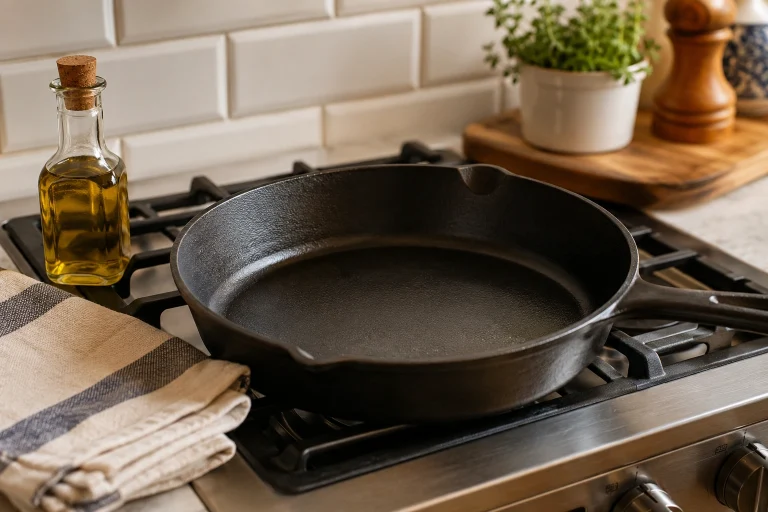
- Cast iron: Naturally magnetic and usually works very well.
- Enameled cast iron: Also works, as long as the base is magnetic.
- Stainless steel: Some stainless steel works, but not all grades are induction-safe.
- Magnetic-bottom aluminum or copper pans: These can work if they have a bonded magnetic base.
A lot of people assume any expensive pan will work on induction. I’ve seen that mistake many times, and it’s an easy one to make. Price does not always tell you if a pan is induction compatible.

How to Find Induction Cookware in a Store or Online
The fastest way to find induction cookware is to check for clear induction labels and test the base with a magnet if needed. Most brands now mark their products with “induction compatible,” “induction-ready,” or a coil symbol. If you are shopping online, look closely at the product details, not just the photos.
Here is a simple method I use when I’m helping someone choose cookware:
-
Check the label
Look for “induction compatible,” “induction cooktop safe,” or a symbol that looks like a coil or zigzag line. -
Read the material description
Stainless steel can be tricky. Some grades work, some do not. Cast iron usually works. Aluminum and copper need a magnetic base. -
Use a magnet test
If a magnet sticks firmly to the bottom, the pan will usually work on induction. -
Check the full base, not just the rim
A pan may have a magnetic spot in one small area but still heat unevenly. You want a stable magnetic base. -
Confirm the size
Some induction cooktops need a pan base large enough to be detected by the burner.
When I first started comparing pans, I made the mistake of buying one that was “stainless steel” without checking the base. It looked professional and felt solid, but my induction burner barely recognized it. That taught me a simple rule: always check the base, not just the brand name.
How to Tell If Cookware Is Compatible with Induction
Finding induction cookware is easier when you know the signs of compatibility. The most reliable clue is magnetism. If a magnet sticks strongly to the bottom of the pan, that pan is usually induction compatible.
You can also look for these signs:
- Flat, heavy base: Induction works best when the bottom sits flat on the cooktop.
- Product label with induction icon: This is the safest and fastest clue.
- Cookware made for multi-cooktop use: Many modern pans are designed for gas, electric, and induction.
- Manufacturer specs: The technical details often say whether the pan works on induction.
A weak magnet connection may still allow some heating, but it can be uneven. That matters when you are simmering sauce or cooking eggs, because hotspots can ruin texture fast. In real use, a good induction pan should feel steady, heat evenly, and respond quickly when you change the power.
Best Places to Search for Induction Cookware
You can find induction cookware in physical stores, major online retailers, and directly from cookware brands. Each option has strengths, and the best choice depends on how hands-on you want to be.
Here are the best places to look:
- Home goods stores: Good if you want to lift the pan, feel the weight, and test it with a magnet in person.
- Kitchen specialty shops: Helpful if you want expert advice and higher-end options.
- Online marketplaces: Great for comparisons, but you need to read specs carefully.
- Brand websites: Often the best place to confirm compatibility and warranty details.
I usually recommend checking the product page from the maker first. Third-party listings can leave out important details like base construction, pan thickness, or induction icon placement. Brand pages tend to be clearer and more trustworthy.
Another tip: look for cookware sets that list induction compatibility for every piece. Some sets include lids, saucepans, and skillets, but not all of them may share the same base design. A little checking now can save a lot of return headaches later.

Materials That Work Best on Induction
Some cookware materials perform better on induction than others. If your goal is easy, reliable cooking, the material matters just as much as the label. The best induction cookware usually combines magnetic response with good heat distribution.
Here’s a simple breakdown:
- Cast iron: Excellent heat retention, very strong magnetic response, but heavy.
- Stainless steel with magnetic base: Great all-around option if it is well made.
- Tri-ply stainless steel: Often one of the best choices for even heating.
- Hard-anodized cookware with induction base: Lightweight and practical, but check the base carefully.
- Copper with induction plate: Works if it has a bonded magnetic bottom, though it can be costly.
In my own kitchen, tri-ply stainless steel has been one of the easiest materials to trust. It heats quickly, handles daily use, and does not demand much guesswork. Cast iron is fantastic too, but it is not the best choice if you want something light.
Avoid assuming aluminum alone will work. Plain aluminum is not magnetic, so it usually won’t work on induction unless the bottom has been specially designed for it. The same goes for pure copper.
What to Look For on Product Labels
Product labels can tell you almost everything you need to know if you read them closely. The challenge is that brands do not always use the same wording. Still, there are a few phrases that usually mean the cookware is safe for induction.
Look for:
- Induction compatible
- Induction ready
- Works on all cooktops
- Suitable for induction ranges
- Magnetic base
- Ferromagnetic bottom
Be careful with vague language like “multi-use” or “versatile.” Those words sound helpful, but they do not always mean induction-safe. If the label is unclear, check the materials list or product Q&A before buying.
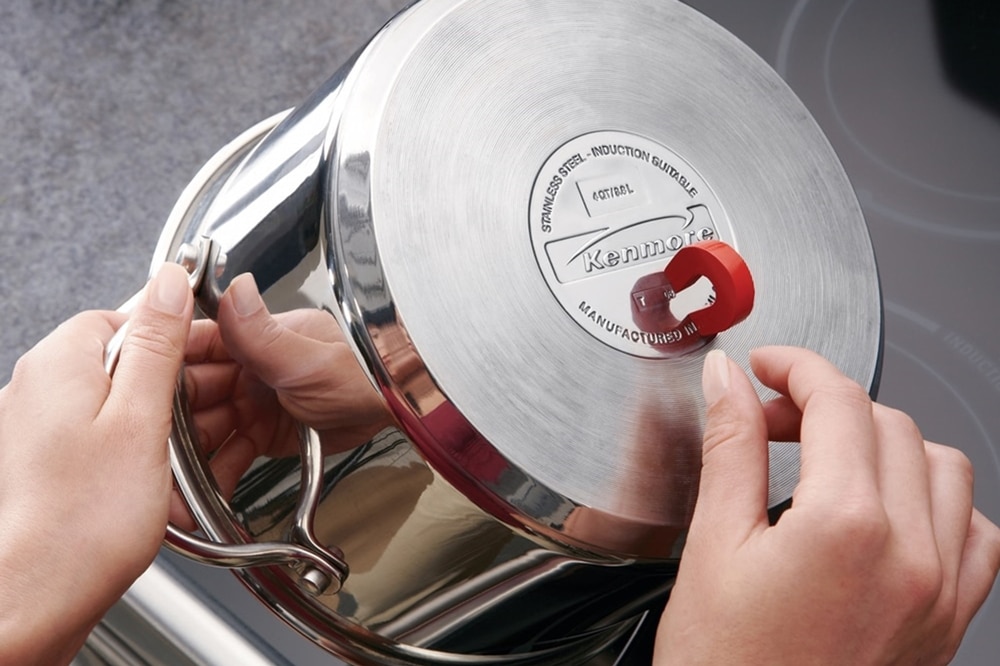
One useful habit is to scan the bottom of the pan in photos. Many brands show the induction symbol stamped on the base or printed near the handle. That little detail often tells you more than the marketing copy does.
How to Test Cookware at Home
If you already have cookware and want to know whether it works on induction, a simple home test is enough. You do not need special tools. A refrigerator magnet is often all it takes.
Try this:
-
Place a magnet on the bottom of the pan.
If it sticks well, that is a strong sign the pan is induction compatible. -
Test the center and edges.
The center should be magnetic, but checking multiple spots helps you spot weak areas. -
Put the pan on the cooktop.
If the burner recognizes it and starts heating, that is another clear sign. -
Watch for even heating.
If one side heats much more than the other, the base may be too thin or uneven.
A magnet test is helpful, but it is not perfect. Some pans may pass the magnet test and still perform poorly because the base is warped or too thin. That is why real cooking matters. Heat a little water, then check how quickly and evenly it comes up to temperature.
Common Mistakes to Avoid When Finding Induction Cookware
A lot of cookware problems happen before the first meal is even cooked. The biggest mistake is assuming all stainless steel works. Another common one is buying a pan that is technically induction safe but too thin to heat evenly.
Watch out for these mistakes:
- Buying by appearance alone: Shiny cookware is not always induction compatible.
- Ignoring the base size: Small cookware may not be detected by some burners.
- Skipping the magnet test: This is one of the easiest checks you can do.
- Choosing thin, flimsy cookware: Thin bases can warp and heat unevenly.
- Forgetting about lids and handles: Some sets have induction-safe pans but weak overall construction.
I’ve also seen people choose cookware that is compatible but frustrating to use. For example, a pan may work on induction but respond too slowly or have a base that spots easily. So “works” and “works well” are not always the same thing. That is why good induction cookware should be both compatible and practical.
Why Quality Matters More on Induction
Induction heating is fast, which is great, but it also exposes weak cookware very quickly. A thin pan can get hot in a flash and create uneven cooking. That is one reason many cooks prefer heavier, well-built induction cookware.
Quality matters because it affects:
- Heat distribution: Better materials spread heat more evenly.
- Stability: A flat, solid base stays in good contact with the cooktop.
- Durability: Strong cookware resists warping over time.
- Control: Better pans respond more predictably to temperature changes.
If you cook often, think of cookware like a tool rather than a gadget. A cheap pan may look fine on day one, but after a few weeks of use, warping and hotspots can become obvious. Spending a bit more on the right induction cookware usually pays off in better results and less stress.
:max_bytes(150000):strip_icc()/sea-primary-portable-induction-cooktops-nsimpson-2095-1-144e9e12d0ea4a379c2215668d62650d.jpeg)
How to Choose the Right Induction Cookware for Your Needs
The best induction cookware depends on how you cook every day. A home cook who makes soups and sauces may want a different pan than someone who sears steaks or fries eggs often. The key is to match the cookware to your routine.
Here’s a simple way to choose:
- For everyday use: Look for stainless steel with a magnetic base.
- For heat retention: Choose cast iron or enameled cast iron.
- For light handling: Pick well-made hard-anodized cookware with induction support.
- For even sautéing: Consider tri-ply stainless steel.
- For budget buying: Check induction-safe starter sets, but verify the base quality.
I always tell people to think about cleanup too. Some cookware works beautifully on induction but takes more effort to wash and maintain. If a pan is too heavy or too fussy, it may end up sitting in the cabinet. The best choice is the one you will actually use every day.
Frequently Asked Questions of How to Find Induction Cookware
How do I know if a pan is induction compatible?
The easiest way is to test the bottom with a magnet. If the magnet sticks firmly, the pan will usually work on an induction cooktop.
Can stainless steel work on induction?
Yes, but not all stainless steel works. The pan must have a magnetic base or be made from a magnetic stainless steel grade.
Does cast iron work on induction?
Yes, cast iron is naturally magnetic and usually works very well. It is one of the most reliable materials for induction cooking.
What if my cookware is only partly magnetic?
It may work, but it can heat unevenly or be less stable on the cooktop. A fully magnetic, flat base is usually better for consistent cooking.
Why does my induction cooktop not detect my pan?
The pan may be too small, too thin, not magnetic enough, or warped on the bottom. Try another burner, test with a magnet, or use a different pan with a stronger magnetic base.
Conclusion
Finding induction cookware becomes much easier once you know what to check: magnetic base, clear labeling, solid construction, and the right size for your cooktop. A quick magnet test can save you from buying the wrong pan, but real value comes from choosing cookware that heats evenly and fits the way you cook.
If you are shopping now, start with one trusted pan and test it in your own kitchen. From there, build out your set with pieces that are practical, durable, and truly induction ready. If this guide helped you, explore more cookware tips or leave a comment with your own experience finding induction cookware.