How To Cook On An Induction Cooktop: Easy Guide 2026

Cooking on an induction cooktop is fast, precise, energy efficient, and easy once you use the right cookware and heat settings.
If you want a smarter way to cook at home, learning how to cook on an induction cooktop is worth your time. I’ve used induction for everything from quick eggs to seared steaks, and the biggest lesson is simple: it feels different at first, but once you get the rhythm, it can make everyday cooking easier and more consistent than gas or electric.
What an induction cooktop is and how it works
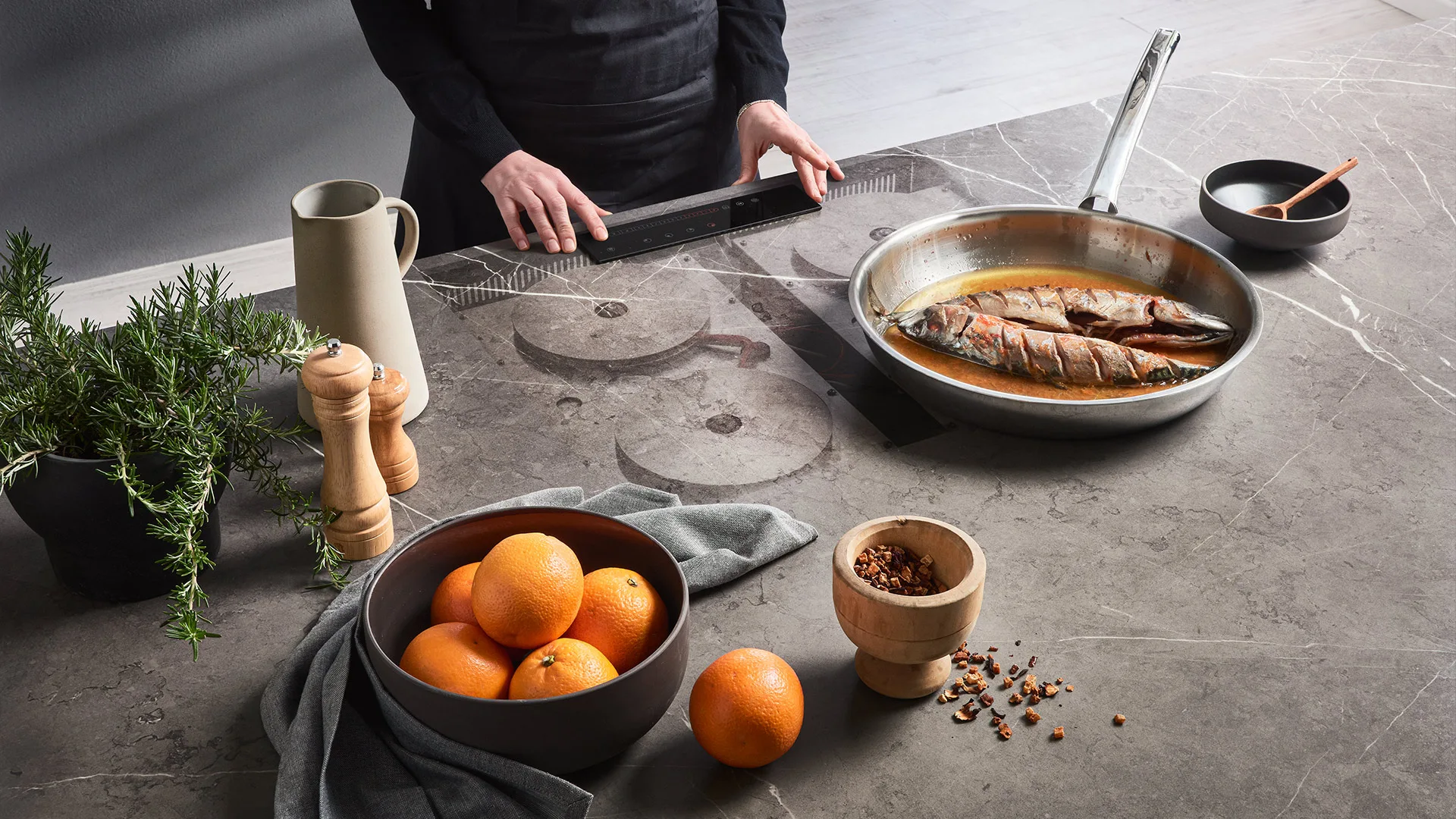
An induction cooktop uses magnetic energy to heat the pan directly instead of heating the burner surface first. That is the main reason it feels so fast. The cooktop itself stays cooler than a traditional electric range, while the pan becomes the heat source.
This method is efficient because less heat is wasted into the air. It also gives you very quick control, which is a big win when you are simmering sauces, melting chocolate, or trying not to overcook garlic. In practice, learning how to cook on an induction cooktop is mostly about understanding that the pan responds almost immediately when you change the setting.
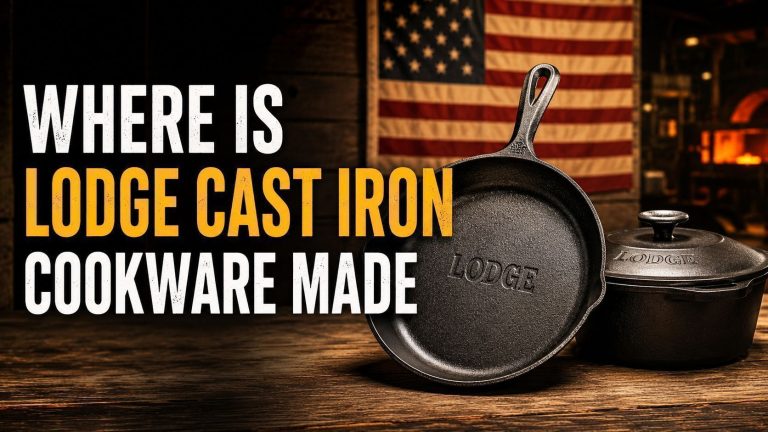
To work properly, your cookware must be magnetic. Cast iron and many stainless steel pans work well. Aluminum, copper, and glass usually do not unless they have an induction-compatible base.
Benefits of learning how to cook on an induction cooktop
One of the biggest benefits is speed. Water can boil faster, pans heat up quicker, and temperature changes happen almost right away. That makes induction especially useful for busy weeknights.
Another major advantage is control. When I first switched to induction, I noticed that sauces were easier to keep from scorching. On gas, there is often a slight delay. On induction, turning the heat down can feel like hitting the brakes.
Other benefits include:
- Better energy efficiency, since more heat goes into the pan
- A cooler kitchen, because the cooktop does not radiate as much heat
- Easier cleaning, because spilled food is less likely to bake on
- More safety, since many models only activate when a pan is present
There are tradeoffs too. You may need new cookware, and some users notice a faint humming sound. But for many home cooks, the pros far outweigh the cons.
What cookware works best on induction
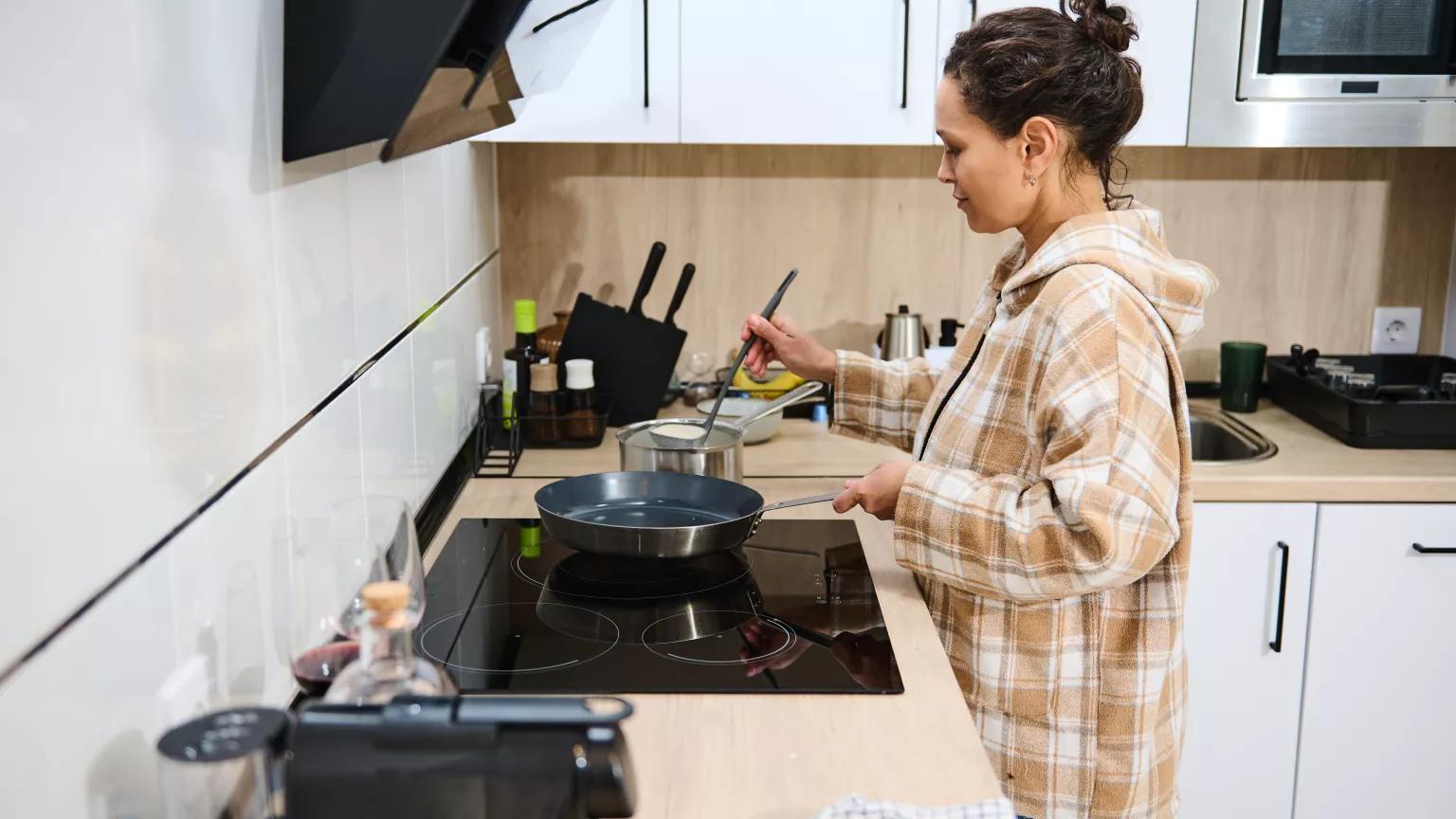
The most important step in learning how to cook on an induction cooktop is choosing the right pan. If a magnet sticks firmly to the bottom of the pan, it will likely work. That simple test has saved me from a few frustrating dinner failures.
Good cookware choices include:
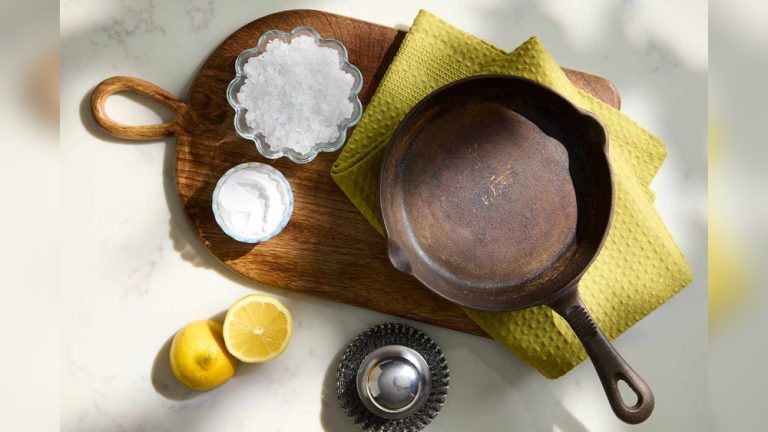
- Cast iron
- Enameled cast iron
- Magnetic stainless steel
- Some induction-ready nonstick pans
Cookware that usually does not work well includes:
- Pure aluminum
- Pure copper
- Glass
- Ceramic unless specially designed for induction
A flat bottom helps a lot. Warped pans can heat unevenly. If you cook often, it is worth investing in a few solid pans instead of trying to force every old pot you own onto the cooktop.
How to cook on an induction cooktop step by step
Cooking on induction is simple once you know the pattern. The key is to start small, watch closely, and trust the quick response.
1. Check your cookware
Make sure the pan is induction compatible. If the base is uneven or too small for the burner, performance can drop. A pan should sit flat and cover enough of the cooking zone.
2. Place the pan before turning on the heat
Most induction cooktops detect cookware before they begin heating. Set the pan in the center of the burner for the best result. If the pan is off-center, you may get weaker or uneven heating.
3. Start at a lower setting
Induction heats fast, so it is smart to begin low and move up as needed. This is especially true for butter, oil, sauces, and delicate foods. I learned this the hard way after burning olive oil in what felt like seconds.
4. Adjust in small steps
Unlike some older stoves, induction responds quickly to changes. Move from low to medium instead of jumping straight to high unless you truly need a rapid boil or hard sear. Small changes make cooking smoother and more controlled.
5. Watch the food, not just the setting
Every pan, burner, and recipe behaves a little differently. Use the control panel as a guide, but rely on your senses too. Listen for the sizzle, watch the bubbles, and smell for browning.
6. Turn off the cooktop and remove the pan
When you are done, switch off the burner and lift the pan. Many induction units stop heating immediately, but the pan itself will still be hot. Always treat it like any other hot cooking surface.
Best foods to make on an induction cooktop
If you are new to induction, start with simple foods that let you see how responsive it is. These dishes help you build confidence fast.
Great beginner-friendly options include:
- Scrambled eggs
- Fried eggs
- Pasta water
- Sautéed vegetables
- Pan-seared chicken
- Rice and grains
- Sauces and gravies
- Pancakes
Induction is especially good for foods that need precise heat. For example, when making risotto, I like that I can keep the liquid at a steady simmer without constant panic. It feels a bit like using cruise control on a road trip.
Temperature tips for better results
Most induction cooktops use power levels rather than exact temperatures, and that can confuse beginners. Still, you can think of them in practical terms.
Here is a simple way to approach heat levels:
- Low heat for melting butter, keeping food warm, and gentle simmering
- Medium heat for eggs, vegetables, and most daily cooking
- Medium-high heat for sautéing, browning, and reducing sauces
- High heat for boiling water and searing when needed
A common mistake is using high heat too often. Because induction is so efficient, medium heat often does the job. I usually tell people to start lower than they think they need, then adjust.
Safety tips for induction cooking
Induction is generally safer than many other cooking methods, but it still deserves care. The cooktop may not get as hot as gas or coil burners, yet the pan can become extremely hot.
Keep these safety habits in mind:
- Use oven mitts or dry towels when handling hot pans
- Keep metal utensils away from the burner when not in use
- Avoid placing empty pans on high heat for long periods
- Make sure children do not press the controls by accident
- Let the surface cool before wiping it fully clean
One nice thing about induction is that it often detects missing cookware. If you remove the pan, the heat shuts off or drops quickly. That adds a useful layer of protection in a busy kitchen.
:max_bytes(150000):strip_icc()/hestan-cue-induction-burner-0820-horiz-be8766984d7b43cf9fde09305be8b259.jpg)
Cleaning and maintaining an induction cooktop
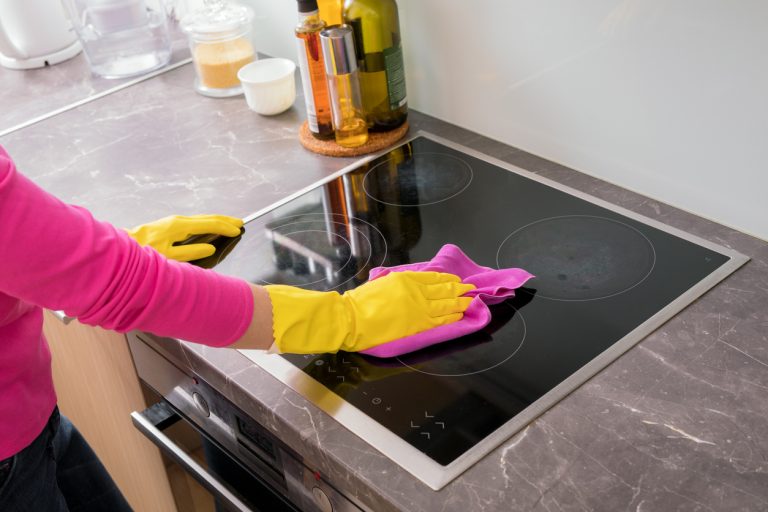
Cleaning induction is one of its best features. Because the surface is smooth and does not rely on exposed coils, spills are easier to manage. I like that a quick wipe after dinner usually keeps the whole surface looking good.
For routine cleaning:
- Wait until the cooktop is cool
- Wipe with a soft damp cloth
- Use a mild cleaner if needed
- Dry with a clean towel to prevent streaks
For tougher spots:
- Use a cooktop-safe scraper if your model allows it
- Avoid abrasive pads that can scratch the glass
- Clean sugary spills quickly once the surface is safe, since they can harden
Regular care helps the cooktop last longer and keeps it looking polished. Small habits make a big difference over time.
Common mistakes to avoid
Even experienced cooks make a few mistakes when first learning how to cook on an induction cooktop. The good news is that they are easy to fix once you know what to look for.
Watch out for these common issues:
- Using non-magnetic cookware
- Starting at too high a heat
- Forgetting how quickly the pan heats up
- Letting oil smoke before lowering the setting
- Using warped pans that do not touch the surface well
- Scrubbing the glass top with harsh tools
My biggest early mistake was treating induction like a slower electric stove. That led to overcooked onions and one very unhappy omelet. Once I learned to slow down and trust the responsiveness, everything became easier.
Induction vs gas vs electric cooking
People often ask how induction compares to other cooktops. The short answer is that induction usually wins on speed and control, while gas wins on visual familiarity, and traditional electric wins on lower upfront cost.
Here is the simplest comparison:
- Induction: fast, efficient, precise, and easy to clean
- Gas: familiar, open flame, good for some high-heat techniques
- Electric coil or radiant: usually cheaper, but slower to respond
If you care about accuracy, energy use, and a cooler kitchen, induction is hard to beat. If you already love the feel of flame cooking, gas may still feel more natural. The best choice depends on your cooking style and budget.
Expert tips for better induction cooking
After testing many recipes on induction, I have found a few habits that improve results right away. These are the kinds of small details that make cooking feel smoother.
Helpful tips include:
- Preheat briefly, but do not walk away
- Use pans with even, heavy bottoms for steadier heat
- Stir a little more often when cooking sauces or grains
- Lower the heat earlier than you would on gas
- Match the pan size to the burner size
- Keep a magnet in the kitchen to test cookware quickly
A heavy pan acts like a steady boat on a rough lake. It holds heat better and helps prevent hot spots. That makes everyday meals easier and more predictable.
Frequently Asked Questions of How to Cook on an Induction Cooktop
Do I need special pans for induction cooking?
Yes, you need cookware with a magnetic base. Cast iron and many stainless steel pans work well, while aluminum and copper usually do not unless they are labeled induction-compatible.
Is induction cooking faster than gas?
In many cases, yes. Induction heats the pan directly, so water boils faster and temperature changes happen quickly. That speed can save time during daily cooking.
Can I use nonstick pans on an induction cooktop?
Yes, as long as the pan is induction-compatible. Check the bottom of the pan or packaging for the induction symbol before using it.
Is induction cooking safe?
Induction is generally considered very safe because the surface stays cooler than gas or coil burners. The cooktop still gets warm from the hot pan, so you should always use normal kitchen caution.
Why does my induction cooktop make a buzzing sound?
A soft buzz or hum is common, especially at higher settings or with certain pans. It usually comes from the magnetic energy working with the cookware and is not usually a problem.
Conclusion
Learning how to cook on an induction cooktop is really about working with its strengths: fast heat, precise control, and simple cleanup. Once you use the right cookware and stop overestimating how much heat you need, it becomes one of the most reliable tools in the kitchen.
If you are trying to cook more efficiently at home, induction is a smart upgrade that can save time and reduce stress. Start with one or two easy meals, pay attention to how your pans respond, and build from there. If this guide helped you, explore more kitchen tips or leave a comment with your own induction cooking experience.