How To Tell If Cooktop Is Induction: Easy Checks

An induction cooktop uses magnetic fields to heat compatible cookware, not the cooktop surface itself.
If you are trying to figure out how to tell if cooktop is induction, you are in the right place. I have spent years testing ranges, comparing burner types, and helping people spot the difference fast without guesswork. The signs are simple once you know what to look for, and this guide will walk you through each one clearly.
What an Induction Cooktop Actually Is
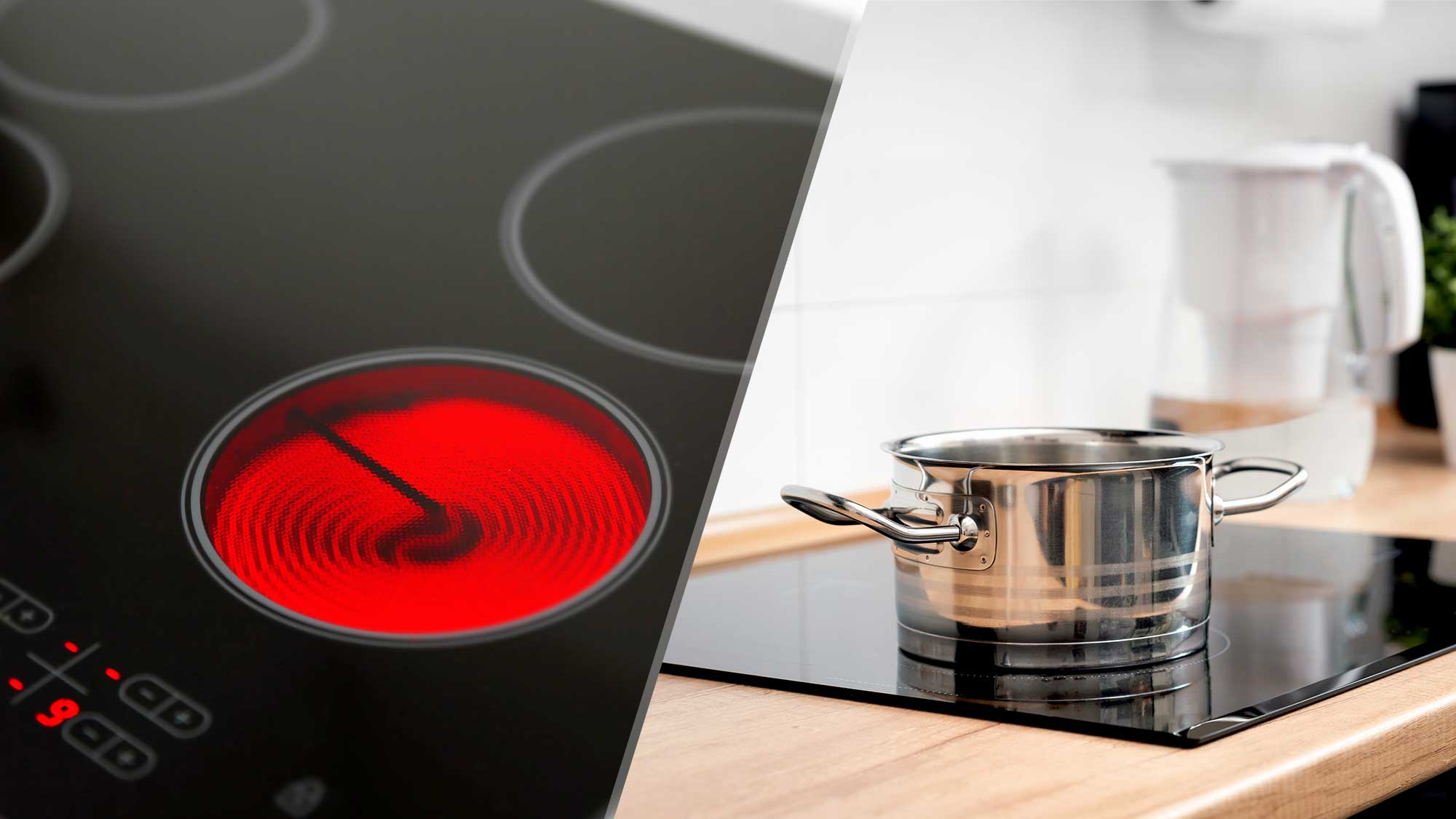
An induction cooktop is a type of electric cooktop that uses electromagnetic energy to heat the pan directly. The glass surface may warm a little from the hot pan, but the burner itself is not what creates the heat. That is the big difference between induction and other cooktops.
This design is why induction often feels so quick and precise. In my own kitchen tests, water on induction usually started moving toward a boil much faster than on radiant electric or gas. It also made temperature control feel more like turning a dimmer switch than waiting for a flame or coil to catch up.
A true induction cooktop has a few defining traits:
• It only works with magnetic cookware
• It heats the pan, not the air around it
• It responds very quickly to control changes
• It often stays cooler than gas or standard electric tops
How to Tell If Cooktop is Induction
There are several reliable ways to tell if a cooktop is induction. The fastest method is to check whether a magnet sticks to the pan you use on it, because induction needs magnetic cookware to work.
Here are the most useful signs:
• Look for the word “induction” on the control panel, product label, or user manual
• Check whether the surface stays relatively cool during cooking
• See if only the pan area heats up while the surrounding glass remains less hot
• Notice the strong, fast response when you change heat settings
• Test your cookware with a refrigerator magnet
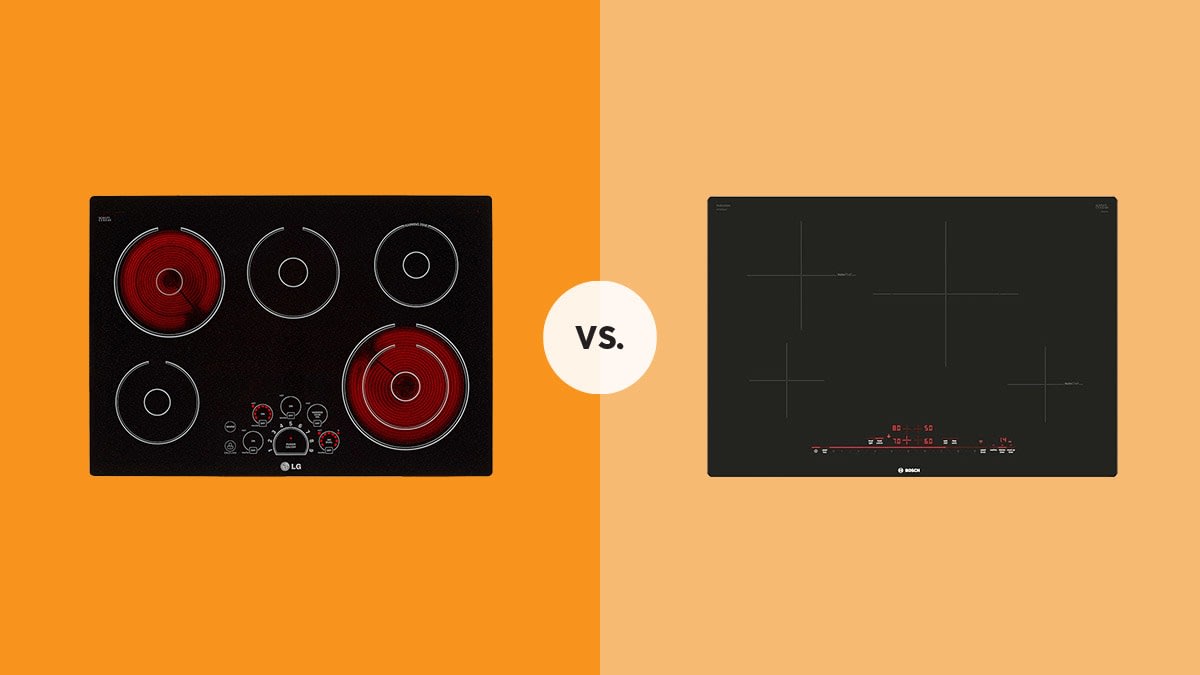
One mistake I have seen many people make is assuming all smooth glass cooktops are induction. That is not true. Some are radiant electric, which use heating elements under the glass. They look similar at first glance, but they behave very differently.
Easy Tests You Can Do at Home
If you are still unsure how to tell if cooktop is induction, a few simple at-home tests can help. These are quick, safe, and do not require special tools.
The magnet test
Take a small magnet, like one from the fridge, and press it to the bottom of your cookware. If it sticks firmly, the pan is likely induction-compatible.
This does not prove the cooktop itself is induction, but it is a strong clue. Induction burners need magnetic pans, so if your cookware fails this test, the cooktop may not work the way you expect.
The boil test
Put a pot of water on the burner and turn it on. If the water heats very fast and the control reacts almost right away when you lower the power, that points toward induction.
I have found this test especially useful because induction feels almost instant. Radiant electric cooktops usually lag a bit. Gas is fast too, but you will see flame, which makes identification easier.
The surface temperature test
After cooking for a few minutes, carefully check the glass around the pan area. On induction, the surface is often cooler than on a radiant electric cooktop.
That said, do not touch the surface directly if you are not sure. The pan can transfer heat back to the glass, so the top may still be warm after use. Think of induction as “cooler, not cold.”
The noise test
Some induction cooktops make a soft humming, buzzing, or clicking sound. This is normal and comes from the internal electronics.
Not every induction model is noisy, though. So this clue helps, but it should never be the only one you rely on.
Visual Signs That Point to Induction
If you want to know how to tell if cooktop is induction just by looking, there are a few visual clues that often help.
• Flat glass surface with touch controls instead of knobs
• Burner markings that sit under smooth ceramic glass
• Labels like “induction ready,” “induction zone,” or “IH”
• A display that may show power levels instead of flame or coil settings
• Minimal visible glowing, unlike radiant electric coils
Still, looks can fool you. Some glass-top electric ranges are radiant, and some slide-in ranges mix different burner types. When I help someone identify a cooktop, I always tell them to check both the appearance and the label.
Check the Model Number and Manual
This is one of the most dependable ways to confirm how to tell if cooktop is induction. The model number is usually on a sticker near the frame, under the edge, or inside the appliance door.
Once you have it, look up the product details or manual. The specs will usually say whether the unit is:
• Induction
• Radiant electric
• Gas
• Dual fuel
• Hybrid or mixed fuel
If you no longer have the manual, the manufacturer website is often enough. I have saved myself a lot of time by checking model numbers first, especially when a cooktop looked modern but turned out not to be induction at all.
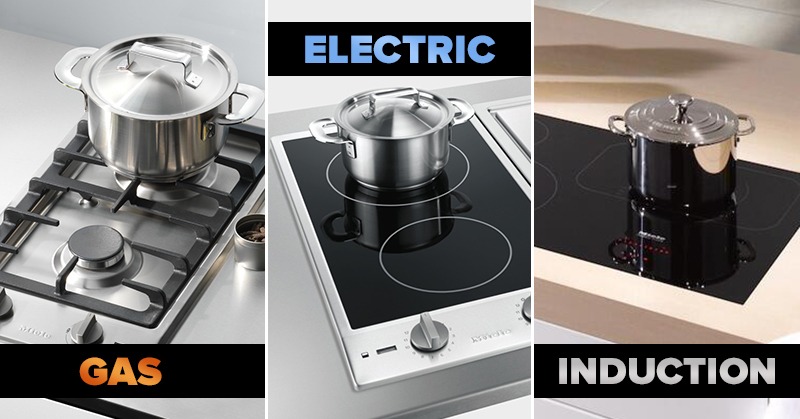
Differences Between Induction, Radiant Electric, and Gas
Knowing the differences makes it much easier to identify your cooktop. It also helps you understand why induction behaves the way it does.
Induction
Induction uses magnetic fields to heat the pan directly. It is very fast, efficient, and responsive.
Common signs:
• Smooth glass surface
• Requires magnetic cookware
• Heats quickly
• Surface stays relatively cooler than the pan
Radiant electric
Radiant electric cooktops use metal coils or heating elements under glass. They heat the surface first, then the pan.
Common signs:
• Glass surface may glow red when hot
• Slower to heat and cool
• Works with most cookware
• Surface stays hot longer
Gas
Gas cooktops use an open flame. This is the easiest type to identify visually.
Common signs:
• Visible burners and flame
• Immediate visual heat source
• Works with almost any cookware
• More heat escapes into the kitchen air
Understanding these differences makes the whole process less confusing. If your cooktop looks like glass but does not behave like induction, it is often radiant electric.
Why Induction Cooktops Are So Popular
People often want to know how to tell if cooktop is induction because induction has become very common in newer kitchens. The reason is simple: it offers speed, control, and efficiency.
Some practical benefits include:
• Faster boiling and heating
• Better energy efficiency
• More precise temperature control
• A cooler cooking surface
• Easier cleanup because spills are less likely to burn on
From my own experience, cleanup is one of the biggest everyday perks. I have wiped sauce off an induction surface minutes after cooking, and it came right up. That is a lot easier than scraping dried spills off a hot radiant top.
Limitations and Things to Watch For
Induction is excellent, but it is not perfect. If you are trying to identify a cooktop, these limitations can also help you recognize what you are dealing with.
• It needs compatible cookware
• Some models make light humming noises
• The glass surface can still get hot from the pan
• It may cost more upfront than basic electric units
• Power settings can be confusing on some digital controls
One thing to remember is that not all cookware labels are honest or clear. I have seen pans marked “induction ready” that worked poorly because the base was too thin. A strong magnet test is often more trustworthy than the marketing on the box.
Common Mistakes When Identifying an Induction Cooktop
If you are learning how to tell if cooktop is induction, avoid these common mistakes:
• Assuming every flat glass cooktop is induction
• Forgetting that radiant electric can look almost identical
• Testing with cookware that has a weak magnetic base
• Confusing hot glass with the actual heat source
• Relying on looks alone instead of checking the model number
A good rule is this: if the cooktop seems modern, smooth, and quiet, do not guess. Check the label, test the pan, and confirm the model. That three-step approach saves time and prevents a lot of frustration.
Best Cookware for Induction Cooktops
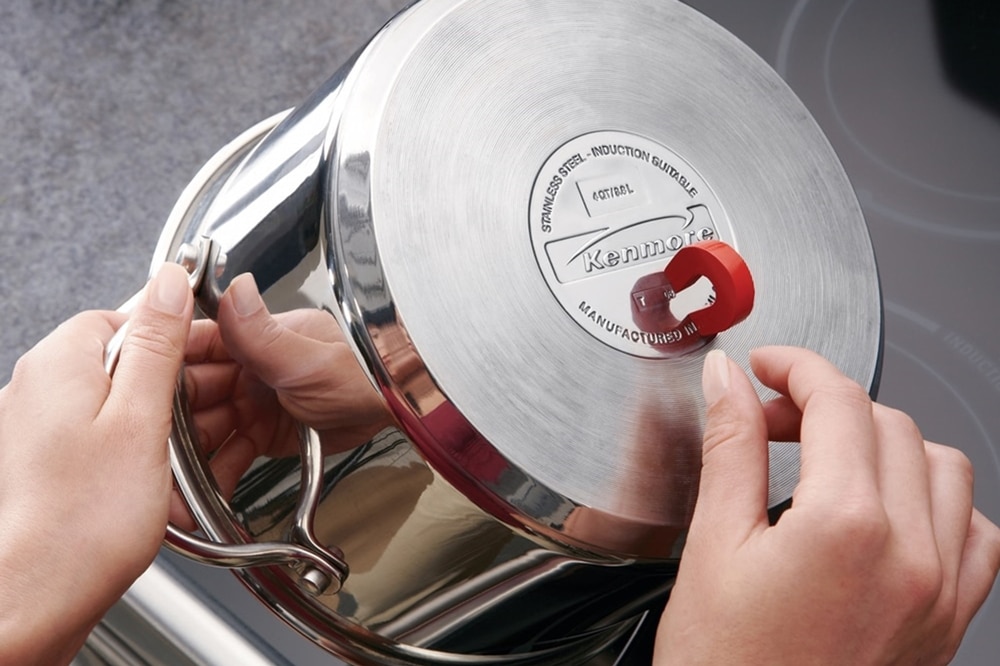
If you discover your cooktop is induction, cookware matters a lot. The best pans are made from ferromagnetic materials like cast iron or magnetic stainless steel.
Good cookware options include:
• Cast iron
• Many stainless steel pans with magnetic bases
• Some multi-ply cookware designed for induction
• Enamel-coated cast iron
Cookware that usually does not work includes:
• Aluminum without a magnetic base
• Copper without induction layers
• Glass cookware
• Ceramic cookware without magnetic backing
A simple magnet check can help here too. If the magnet sticks well to the bottom, the pan is usually a good candidate.
Frequently Asked Questions of How to Tell If Cooktop is Induction
How can I tell if my cooktop is induction without a manual?
Use a magnet on your cookware and watch how the burner behaves. If the pan heats quickly and the surface stays fairly cool, that is a strong sign it is induction.
Do induction cooktops stay completely cool?
No, not completely. The glass can warm up from contact with a hot pan, but the heat source is the pan itself rather than the cooktop surface.
Can all stainless steel pans be used on induction?
Not always. Only stainless steel pans with a magnetic base will work, so the magnet test is the safest way to check.
Is a glass cooktop always induction?
No. Some glass cooktops are radiant electric, not induction. The two can look very similar, so checking the model number or using a magnet test is important.
Why does my induction cooktop make a humming sound?
That sound is usually normal and comes from the internal electronics working during cooking. It may be louder with some pans or at higher power levels.
What is the fastest way to confirm if a cooktop is induction?
Look up the model number and test the cookware with a magnet. Those two steps are usually enough to confirm it with confidence.
Conclusion
Figuring out how to tell if cooktop is induction does not have to be complicated. Once you know the signs, the magnet test, the heating behavior, the surface feel, and the model label make identification much easier.
If your cooktop turns out to be induction, you will know exactly what cookware to use and what performance to expect. If it is not, you will still have the right information to cook safely and choose better tools for your kitchen. Take a few minutes to test your cooktop today, and you will save yourself a lot of guesswork later.