How To Check For Induction Cookware: Easy Test Guide 2026

Most induction cookware has a magnetic base that sticks to a magnet and heats on induction cooktops.
If you have ever stood in a kitchen wondering why one pan works like magic and another stays cold, you are not alone. Knowing how to check for induction cookware can save you time, money, and a lot of trial and error. In this guide, I’ll walk you through the easiest tests, the warning signs to look for, and the practical details I’ve learned from testing cookware in real kitchens.
What induction cookware actually means
Induction cooking uses electromagnetic energy to heat the pan itself, not the cooktop surface. That means the cookware must contain magnetic material in the base, or the burner will not detect it.
In simple terms, induction cookware is cookware that can “wake up” an induction stove. If the base is not magnetic, the burner usually will not heat at all. That is why checking for induction compatibility matters before you buy a new pot or try to use an old favorite.
The good news is that the test is easy. You do not need special tools, and you do not need to be a chef. I’ve found that even a quick magnet test can tell you more than the packaging sometimes does.
How to check for induction cookware
The fastest way to check for induction cookware is to use a magnet on the bottom of the pan. If the magnet sticks firmly, the cookware is usually induction compatible.
Here is the basic process:
- Take a regular refrigerator magnet or small kitchen magnet.
- Hold it to the flat bottom of the pan or pot.
- See whether it sticks strongly.
- Try moving the pan to an induction cooktop if you have one.
- Watch for the cooktop to recognize the pan and begin heating.
A strong magnetic pull is the clearest sign. A weak or shaky hold can still work in some cases, but it may not heat evenly. In my experience, the best cookware has a wide magnetic base that grabs the magnet cleanly, almost like it wants to stay there.
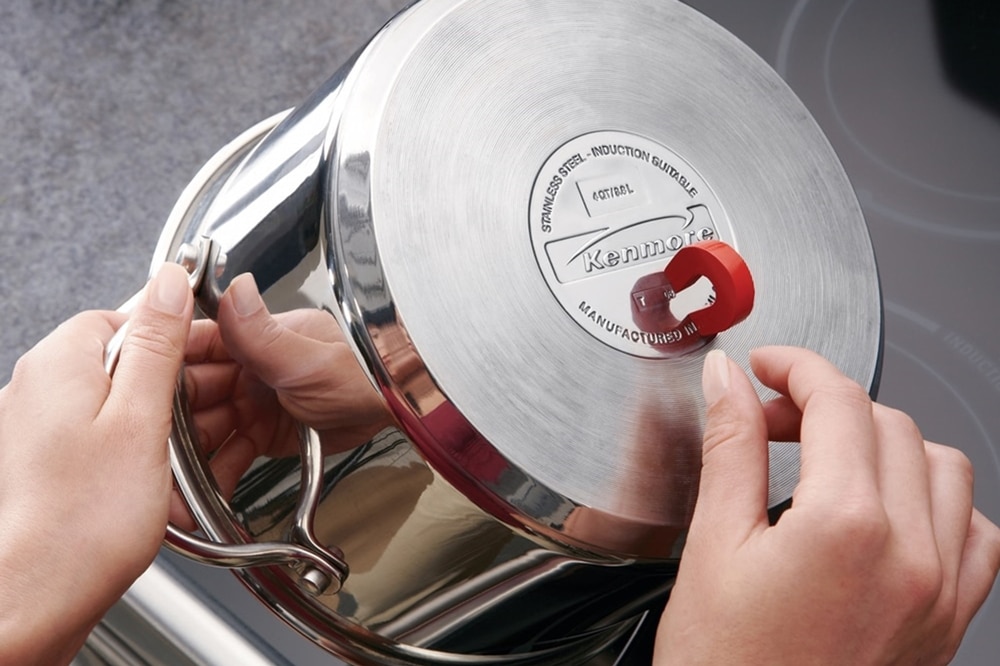
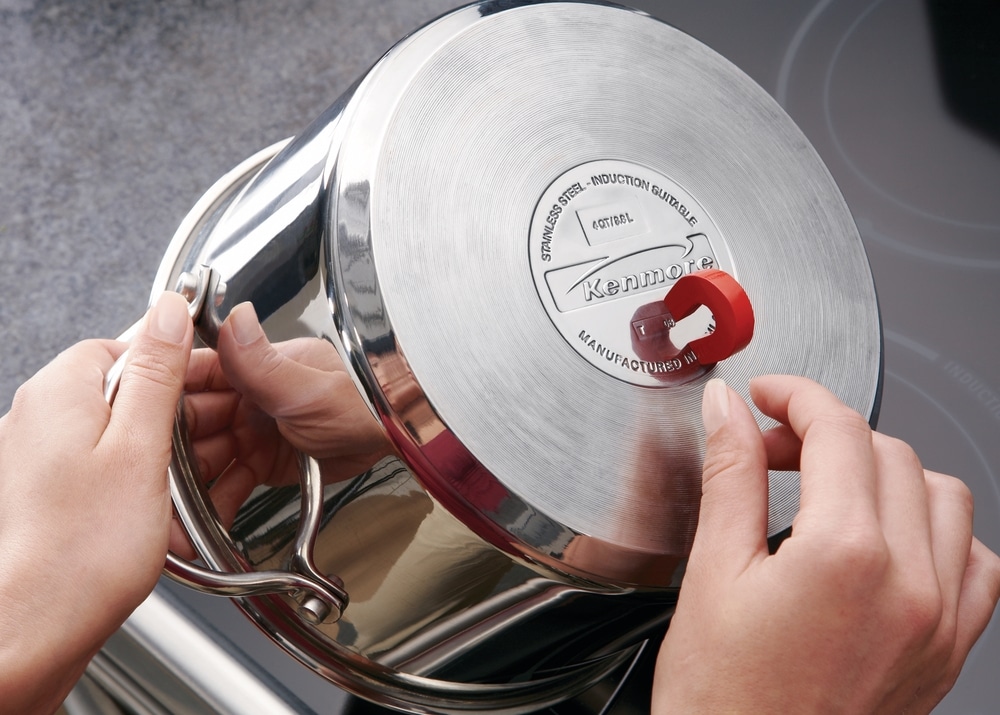
You can also look at the product label. Many brands print words like “induction compatible,” “induction ready,” or use a coil symbol on the packaging or the pan bottom. Still, I trust the magnet test more than marketing language because labels can be vague.

Signs a pan is induction compatible
Several clues can help you tell if a pan will work on induction before you even test it.
Look for these signs:
- A flat, heavy bottom that sits evenly on the cooktop
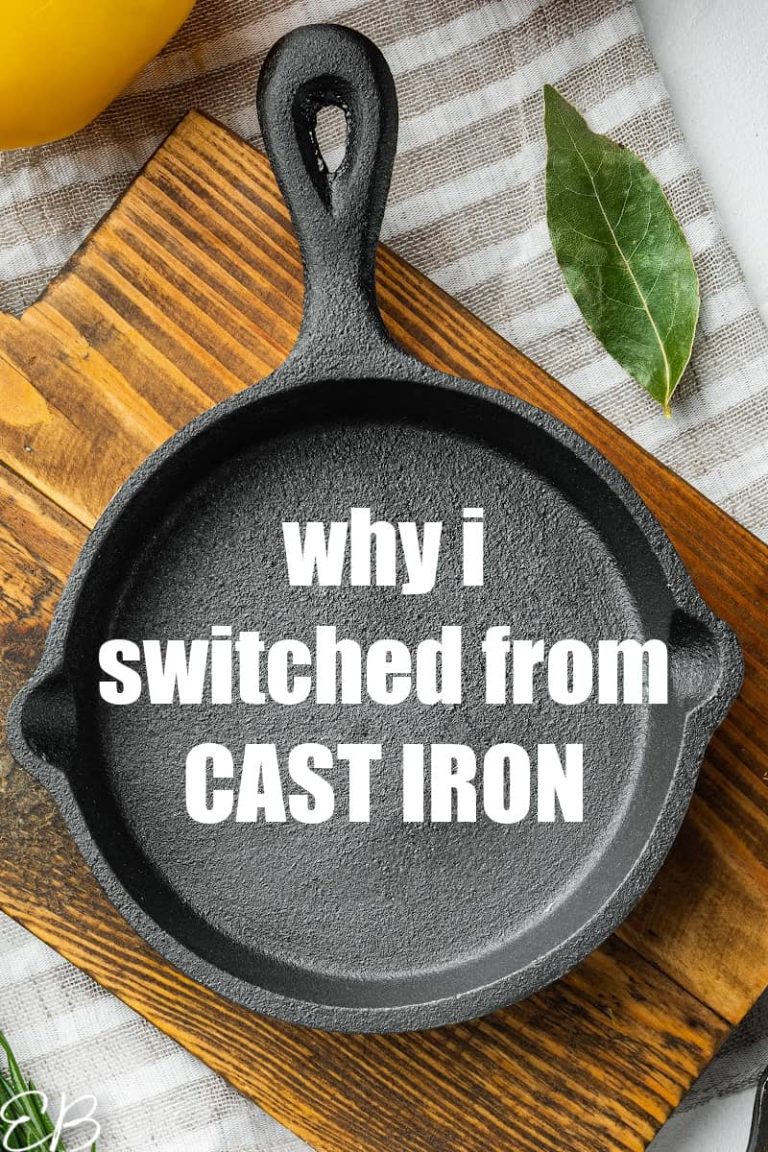
- A stainless steel or cast iron base
- A label that says induction compatible
- A symbol that looks like a coil or spiral
- A pan that responds strongly to a magnet
Some cookware looks induction safe but is not. I once tested a nice-looking aluminum pan with a stainless steel finish, and the magnet barely moved. It looked ready for induction, but the cooktop ignored it completely. That taught me a simple lesson: appearance can fool you, but magnetism does not.
Also, not every stainless steel pan works. Stainless steel can be magnetic or non-magnetic depending on the alloy and construction. That is why a quick test matters so much.
Best ways to test induction cookware at home
If you want to be more certain, there are a few easy home tests beyond the magnet method.
Use a magnet test
This is the most reliable quick check. A good induction pan should attract the magnet to the base with little effort.
Check the base shape
A flat bottom helps with contact and heating. Warped or rounded bottoms can reduce performance even if the pan is technically induction compatible.
Read the cookware markings
Many manufacturers add induction symbols on the base, box, or care label. The symbol is helpful, but I still recommend testing it because branding can be inconsistent.
Test on the cooktop
If you already have an induction stove, place the pan on a burner and turn it on. If the burner lights up, detects the pan, and heats quickly, that is a strong sign the cookware is compatible.
Try the water test
Put a small amount of water in the pan and heat it on the induction cooktop. If the pan is compatible, the water should start warming quickly. This is useful when you want to check actual performance, not just compatibility.
Materials that usually work on induction
Certain cookware materials are much more likely to work well on induction.
Common induction-friendly materials include:
- Cast iron
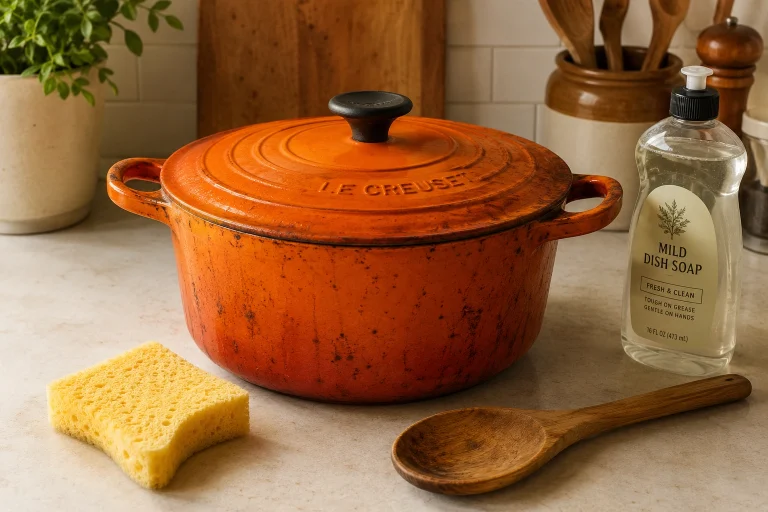
- Enameled cast iron
- Magnetic stainless steel
- Some multi-ply or tri-ply cookware with a magnetic base
- Some carbon steel pans
Cast iron is one of the easiest materials to trust because it is strongly magnetic. Magnetic stainless steel is also common in modern cookware sets. Multi-ply pans often use a magnetic layer at the base, which gives you the strength of metal construction with induction support.
On the other hand, pure aluminum, copper, glass, and ceramic usually do not work unless they have a magnetic layer built into the bottom.
Materials that usually do not work
Some materials are beautiful or lightweight, but they often fail the induction test.
These usually do not work unless specially made for induction:
- Pure aluminum
- Pure copper
- Glass
- Ceramic
- Non-magnetic stainless steel
That does not mean these materials are useless. It just means they need an induction-ready base or a special bonded plate to work. I have seen plenty of aluminum pans that were perfectly fine for gas or electric but completely useless on induction.
How to tell the difference between induction ready and induction safe
People often use these terms as if they mean the same thing, but there is a small difference.
Induction ready usually means the cookware will work on an induction cooktop. Induction safe is often used in the same way, though some brands use it loosely. The most trustworthy statement is still the one backed by a magnet test or clear manufacturer specs.
When in doubt, check:
- The product manual
- The base symbol
- The material description
- The manufacturer’s compatibility notes
That extra minute can save you from buying a set that looks great but performs poorly.
Common mistakes people make when checking cookware
I have seen a few mistakes again and again, and they are easy to avoid.
Here are the biggest ones:
- Testing the sides instead of the bottom
- Using a weak or tiny magnet
- Assuming all stainless steel works
- Trusting only the box label
- Ignoring a warped pan base
- Forgetting that a burner may need a minimum pan size
The most common mistake is checking the wrong part of the pan. Induction systems care most about the flat base. A magnetic handle or side panel does not tell you much.
Another mistake is using a very weak magnet. If the magnet is flimsy, the test can be misleading. I prefer a stronger fridge magnet or a small craft magnet because it gives a clearer result.
Why the shape and size of the base matter
Even if a pan is magnetic, shape still affects performance. Induction cooktops need good contact with the base for efficient heating.
A flat, even bottom helps the burner detect the pan quickly. A curved base or a base that is smaller than the induction zone may cause slow heating or no heating at all.
In practical terms, think of it like this: the cooktop and the pan need to “shake hands” properly. If the base is too small, bent, or uneven, the connection is weak. That can lead to hot spots, poor simmering, and wasted energy.
How manufacturers test induction compatibility
Cookware brands usually test pans with electromagnetic sensors and cooktop trials. They look at how much magnetic material is present, how well the base heats, and whether the pan meets common induction standards.
Reputable brands often design cookware with a bonded magnetic plate or a full magnetic stainless base. This gives more reliable performance than a thin magnetic coating. In my experience, cookware built this way tends to heat faster and more evenly.
It also helps to remember that “works on induction” does not always mean “works perfectly on induction.” Some pans technically pass the test but still heat unevenly because the base is too thin or poorly constructed.
What to look for when buying induction cookware
If you are shopping for new cookware, a little attention up front can make cooking much easier later.
Look for these features:
- Clear induction compatibility
- A fully flat base
- Heavy, even construction
- Magnetic stainless steel or cast iron
- Strong brand instructions and warranty details
- Reviews that mention induction performance
I usually recommend reading user reviews with a focus on real heating behavior. People often say whether a pan sticks well, heats fast, or gives trouble on low power. That kind of feedback is often more useful than product photos.
Practical tips from real kitchen use
Over time, I’ve learned a few simple habits that make induction cooking smoother.
A few tips that help:
- Keep a small magnet in your kitchen drawer for quick checks
- Test cookware before cooking a full meal
- Clean the pan base so dirt does not affect contact
- Use the right burner size for the pan
- Avoid sliding warped pans around on the cooktop
One mistake I made early on was assuming a pan that worked once would always work well. Over time, I learned that wear, warping, and poor base contact can all affect performance. A pan may still be technically induction compatible, but it can cook badly if the base is damaged.
Benefits of using induction cookware
Induction-compatible cookware has a few real advantages.
Here are the big ones:
- Faster heating
- Better energy efficiency
- More precise temperature control
- Safer cooking since the cooktop stays cooler
- Less wasted heat in the kitchen
For people who cook often, these benefits can be noticeable right away. Water boils faster, sauces respond more quickly, and the kitchen stays cooler. That is why induction cookware has become so popular in modern homes.
Limitations to keep in mind
Induction cookware is useful, but it is not perfect for every situation.
Some limitations include:
- Not all cookware works on induction
- Some pans heat unevenly
- Very thin cookware may warp over time
- Some cooktops require a minimum pan size
- Compatibility can vary by brand and construction
It is worth being honest here: a pan can pass the magnet test and still underperform. So if you want great results, look beyond compatibility and pay attention to build quality too.
Frequently Asked Questions of How to Check for Induction Cookware
How do I know if my pan is induction compatible?
Use a magnet on the bottom of the pan. If it sticks firmly, the pan is usually induction compatible.
Can stainless steel work on induction?
Yes, but not all stainless steel works. Only magnetic stainless steel or stainless steel with a magnetic base will work well on induction.
Does induction cookware have a symbol?
Often, yes. Many brands use a coil or spiral symbol, but you should still test the pan because labels are not always consistent.
Will a magnetic base always mean better performance?
A magnetic base is necessary for induction, but performance also depends on thickness, flatness, and pan quality. A cheap pan may work, but it may not heat evenly.
Can I use a regular pan with an induction cooktop?
Only if the pan has magnetic material in the base. If the magnet test fails, the cooktop probably will not heat it.
Conclusion
Checking for induction cookware is simple once you know what to look for. A strong magnet test, a flat base, and clear product labeling will tell you most of what you need to know before you cook.
If you remember one thing, make it this: don’t guess. Test the cookware, check the base, and buy with confidence. The right pan can make induction cooking feel fast, clean, and surprisingly easy, so take a few minutes now and save yourself frustration later. If this guide helped, explore more kitchen tips and leave a comment with your own cookware test story.