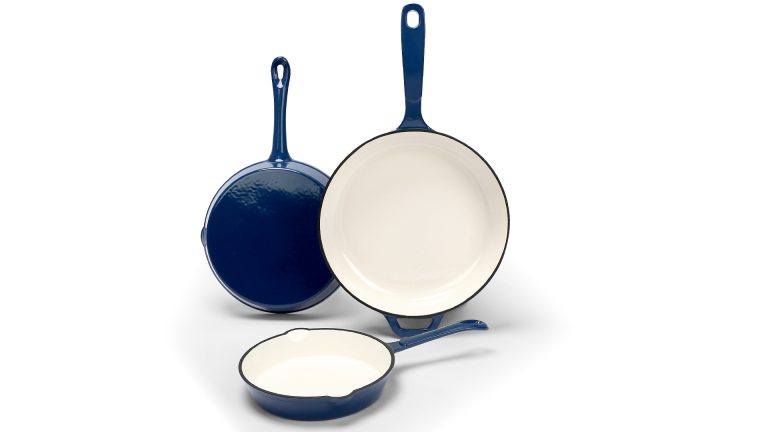
How To Clean Porcelain Cast Iron Cookware: Easy Tips 2026

Clean porcelain cast iron by soaking, gentle scrubbing, baking soda paste, and avoiding harsh abrasives.
I’ve cared for dozens of enameled Dutch ovens and skillets over many years. This hands-on guide explains how to clean porcelain cast iron cookware safely and effectively, with clear steps, mistakes to avoid, and real-life tips from experience. Read on to keep your cookware looking and performing like new.
:max_bytes(150000):strip_icc()/cleaning-enamel-cast-iron-cookware-getty-0223-2000-89e59c29e15f467c9556873a6741073d.jpg)
Why proper cleaning matters
Porcelain enamel protects cast iron from rust and creates a nonreactive cooking surface. Learning how to clean porcelain cast iron cookware preserves that enamel, stops stains, and extends the life of your pots and pans. A small routine now prevents costly chips or discoloration later.
Understanding porcelain cast iron cookware
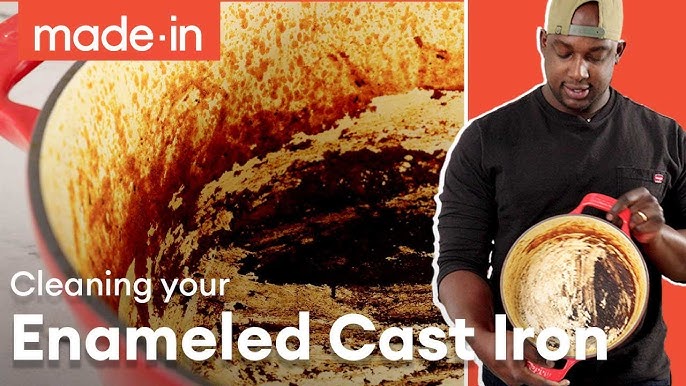
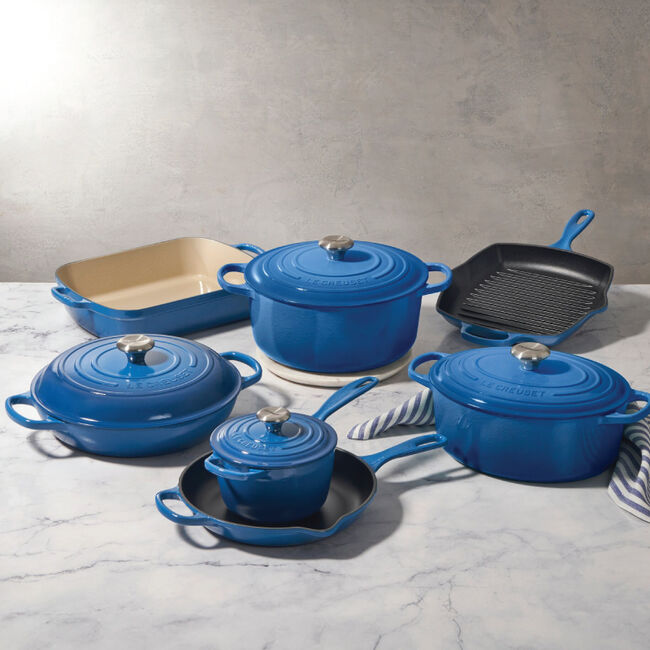
Porcelain cast iron cookware has a cast-iron core coated in a glass-like enamel. The enamel is hard but brittle; it resists acids and high heat but can chip if hit or shocked. When you focus on how to clean porcelain cast iron cookware, you are preserving both finish and performance.
Daily cleaning: simple steps
Daily cleaning keeps stains and buildup from becoming problems.
- Rinse while warm. Let the pan cool slightly and rinse with warm water to loosen crumbs.
- Use mild dish soap. A small amount of gentle dish soap cleans the enamel without weakening it.
- Scrub with a soft tool. Use a soft sponge or a nylon scrubber for stuck food. Avoid metal scouring pads.
Can I put porcelain enamel in the dishwasher? Many brands say their cookware is dishwasher-safe, but frequent dishwasher cycles can dull shine and promote staining. Hand washing is gentler and recommended for best results.
Handling stuck-on food
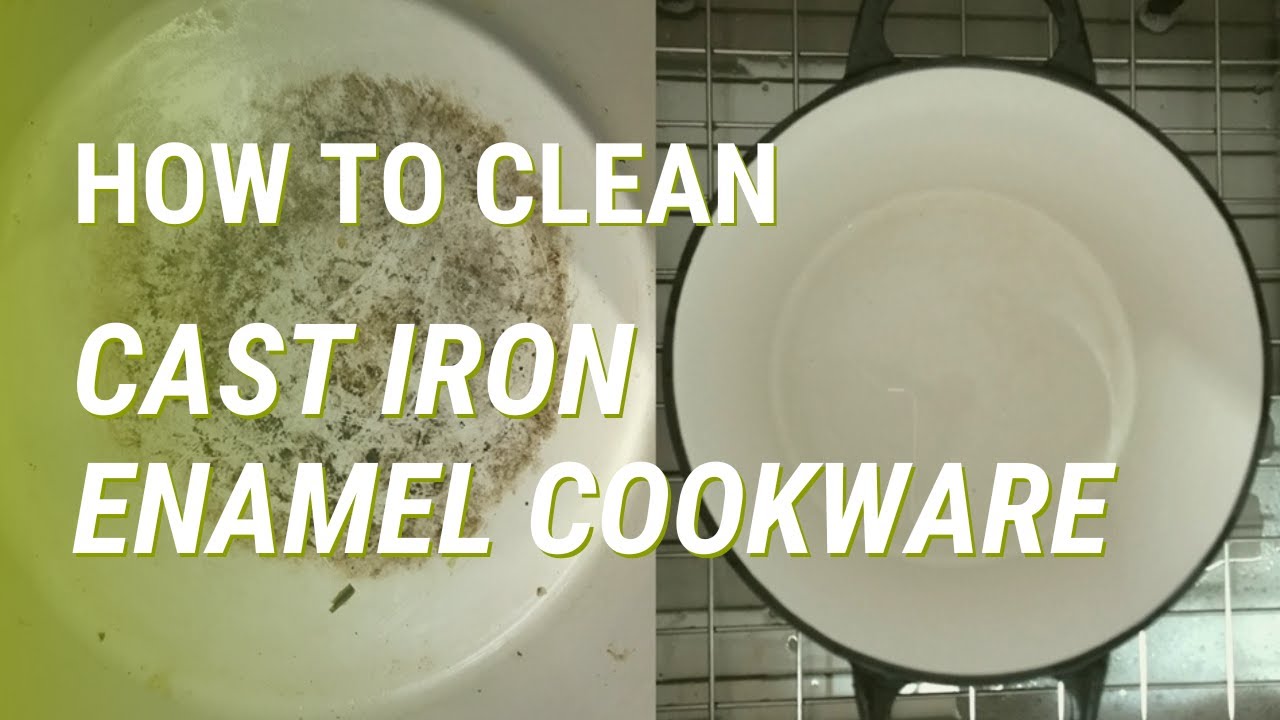
Stuck-on bits happen. Use patient, low-risk methods.
- Soak in warm, soapy water for 15–30 minutes to soften residue.
- Boil water in the pan with a splash of dish soap for five to ten minutes; let it cool then lift residue with a wooden spoon.
- Make a baking soda paste (baking soda plus water). Apply, let sit 10–20 minutes, then scrub gently with a nylon pad.
Avoid scraping with metal utensils or using oven cleaners. These can scratch or etch the enamel when you try to clean porcelain cast iron cookware.

Removing stains and rust
Stains vary. Use the right tool for each type.
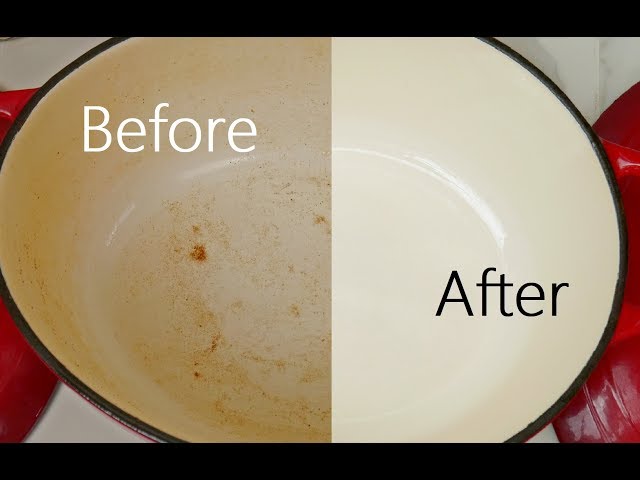
- Light stains: baking soda paste and a soft pad remove surface discoloration.
- Tough brown or tea stains: soak with warm water and a few tablespoons of white vinegar, then scrub with baking soda.
- Surface rust on exposed cast-iron rims: use fine steel wool lightly on the bare metal only, then rinse and dry thoroughly. Apply a thin coat of cooking oil to bare edges to prevent new rust.
If the enamel itself has rusted from chipping or deep cracking, professional repair or replacement is safer than home fixes. Avoid abrasive cleaners that promise “instant” restoration when you clean porcelain cast iron cookware.
Deep cleaning and restoration
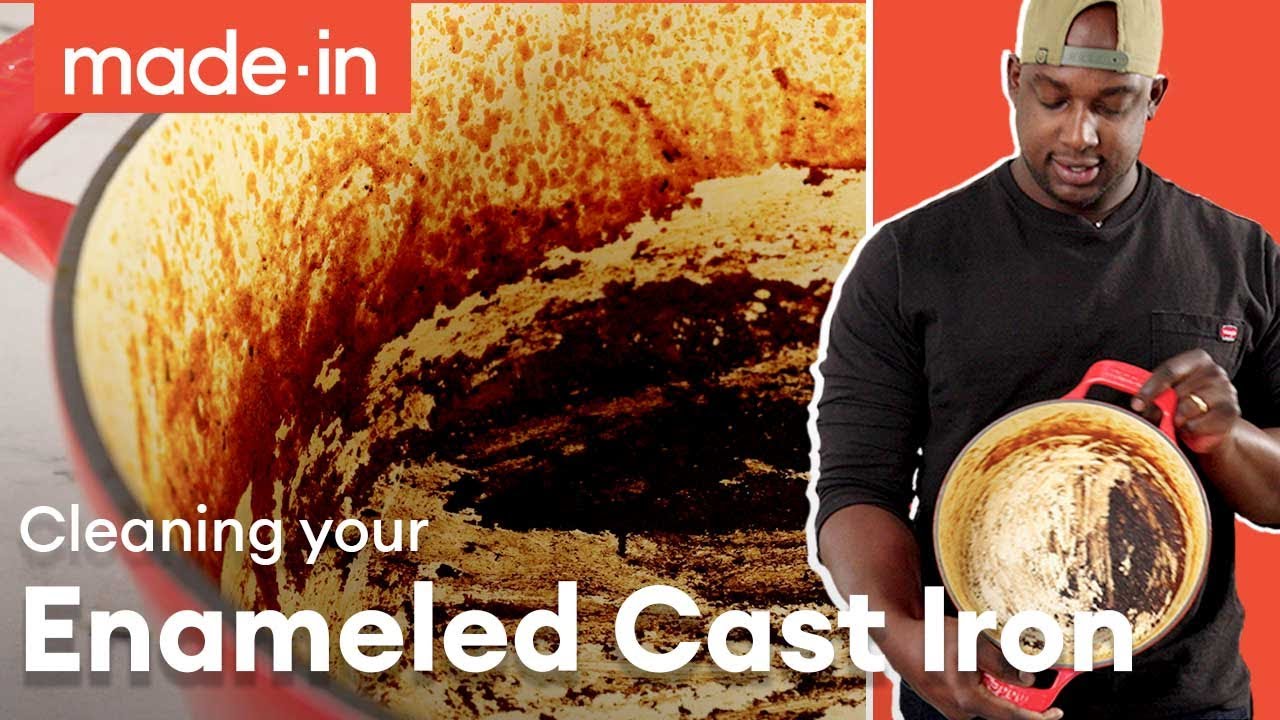
When a pot is badly burnt or neglected, use stronger but safe methods.
- Fill the pot with hot water, add two tablespoons of baking soda per liter, and simmer for 15–20 minutes. Cool and scrub.
- For persistent blackened areas, use a paste of cream of tartar or nonabrasive powder cleaner and water. Rinse well.
- Avoid acid-based or harsh chlorinated cleaners on enamel. They can weaken the glass coating over time.
If the finish is dulled after repeated dishwasher cycles, light polishing with a nonabrasive cleaner can help. Test a small spot first to confirm no color loss.
:max_bytes(150000):strip_icc()/GettyImages-1071585464-802f04c8c23848d7a6e3c1d25c766d06.jpg)
Mistakes to avoid
Common errors cause permanent damage.
- Do not pour cold water into a hot enameled pan. Thermal shock can crack the enamel.
- Do not use steel wool or metal scouring pads on finished enamel surfaces.
- Do not use oven cleaner or bleach inside enamel. These are too harsh.
- Do not pound lids or stack carelessly without protection. Chips often happen during storage or transport.
These mistakes are the main reasons people ask how to clean porcelain cast iron cookware only after damage has occurred. Prevent damage by cleaning gently and storing thoughtfully.
Maintenance, storage, and care
Small habits keep cookware pristine.
- Dry thoroughly. After washing, dry with a towel and air-dry upside down to prevent water spots and rust on exposed rims.
- Protect from knocks. Use pot protectors or towels when stacking.
- Use wooden, silicone, or heatproof plastic utensils to avoid scratching the enamel.
- Season exposed rims. If the cast iron rim is bare, rub a tiny oil layer and bake briefly to reduce rust risk.
My personal tip: I place a paper towel between stacked pots. That little layer prevented a visible chip and saved a beloved Dutch oven.

Troubleshooting common issues
Quick fixes for common worries.
- Chip at the rim: Clean area, dry well, and keep it oiled to prevent rust. Consider manufacturer repair options for large chips.
- Persistent odor: Boil a mixture of water and a quarter cup of baking soda, then rinse. Avoid using strong-smelling cleansers directly on enamel.
- Stubborn black marks that won’t lift: Repeat gentle boiling and baking soda treatments. If they remain, the marks may be cosmetic only and won’t affect cooking.
If you’re unsure, check manufacturer care guidelines. They know the limits of their enamel and offer warranty advice.
Personal experience and lessons learned
I’ve owned enameled Dutch ovens for years and learned the hard way. Once I used a metal scouring pad on a stubborn spot and left a faint scratch that dulled the finish. Since then I always soak first, use nylon pads, and avoid the dishwasher for my best pots. Those small changes kept a 10-year pot looking nearly new.
Learning how to clean porcelain cast iron cookware is part technique and part habit. Gentle, consistent care beats heroic cleaning sessions.
Frequently Asked Questions of How to Clean Porcelain Cast Iron Cookware
How often should I clean porcelain cast iron cookware?
Clean after every use with warm water and mild soap. Deep clean only when stains or stuck food appear.
Is it safe to use dish soap on enameled cookware?
Yes. Mild dish soap is safe and recommended because the enamel is nonreactive and won’t be harmed by normal soap.
Can I use metal utensils on porcelain cast iron?
Avoid metal utensils on the cooking surface. Use wooden, silicone, or nylon tools to prevent chips and scratches.
Will boiling water damage the enamel?
No. Boiling water is safe. Avoid pouring cold water into a very hot pan to prevent thermal shock.
How do I remove stubborn burnt food without damaging the enamel?
Soak with warm soapy water, simmer water and baking soda, then gently scrub with a nylon pad. Repeat as needed rather than using harsh abrasives.
Can I restore a chipped enamel finish at home?
Small cosmetic chips can be stabilized by cleaning and protecting exposed metal from rust, but full enamel restoration is not reliable at home. Contact the manufacturer for repair options.
Conclusion
Cleaning porcelain cast iron cookware is mostly about gentle, consistent care: soak when needed, use mild soap, avoid metal scrubbing, and treat exposed bare metal to prevent rust. These simple habits protect the enamel, keep flavors pure, and extend the life of your favorite pans. Try these tips on the next wash, share what worked for you, or subscribe for more cookware care guides.