How Does Induction Cookware Work: Simple Guide

Induction cookware works by reacting to a magnetic field, which heats the pan directly instead of the burner.
If you have ever watched water boil faster than you expected, that is the magic of induction at work. Induction cookware is built for speed, control, and efficiency, and once you understand how it works, the whole cooking method makes a lot more sense. I have tested a lot of pots and pans over the years, and the biggest lesson is simple: induction is not just a different heat source, it is a different way of thinking about cooking.
What Induction Cooking Really Means
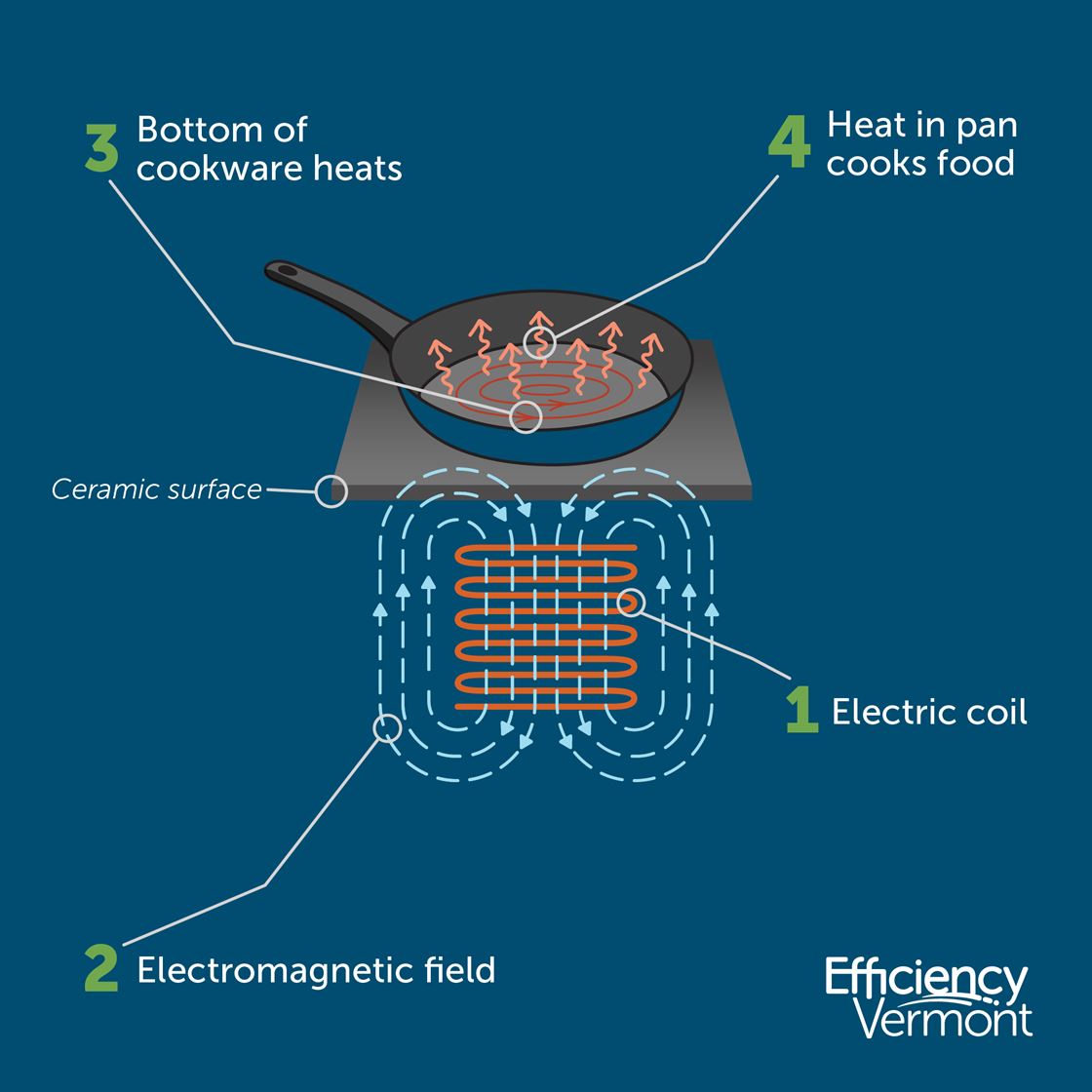
Induction cooking uses electromagnetic energy to create heat inside the cookware itself. The cooktop does not get hot in the same way a gas flame or electric coil does. Instead, the surface sends energy into the pan, and the pan becomes the heat source.
That is why induction cookware matters so much. If the pan cannot respond to a magnetic field, it will not work well on an induction cooktop. In practical terms, this means the cookware must have a magnetic base, usually made with stainless steel, cast iron, or a layered metal design.
Here is the simplest way to picture it:
- The cooktop sends out a magnetic field
- The cookware absorbs that energy
- The pan heats up directly
- The food cooks from the hot pan, not from the stove surface
This direct transfer is what makes induction cookware feel so fast and precise. In my experience, it is the closest thing to cooking with instant control. One moment the pan is cool, and the next moment it is ready to sear.

How Does Induction Cookware Work?
How Does Induction Cookware Work? It works when a magnetic field creates heat inside a compatible pan.
That sounds technical, but the idea is simple. Under the glass surface of the cooktop is a coil of copper wire. When electricity flows through that coil, it creates a rapidly changing magnetic field. If the cookware is magnetic, that field causes tiny electrical currents to form in the metal.
Those currents are called eddy currents. They move through the base of the pan and create resistance. That resistance turns energy into heat. So instead of heating the stove first and then the pan, induction cookware heats from the inside of the metal base outward.
A good real-life example is this:
- On a gas stove, the flame heats the pan
- On an electric coil stove, the coil heats the pan
- On induction, the pan heats itself through magnetic energy
That is why induction cookware often feels more responsive. If you lower the power, the heat changes quickly. If you remove the pan, the heat stops almost right away. I have found this especially useful when making sauces, melting chocolate, or cooking rice, where even a small temperature jump can ruin the result.
What Makes Cookware Induction Compatible
Not every pan can work on an induction cooktop. The key factor is magnetism. If a magnet sticks firmly to the bottom of the pan, there is a good chance the cookware will work.
Most induction cookware uses one of these materials:
- Cast iron, which is naturally magnetic and holds heat well
- Magnetic stainless steel, often used in modern cookware
- Multi-ply cookware, which has a magnetic layer bonded to other metals
- Enamel-coated cast iron, as long as the base remains magnetic
Some pans look induction-ready but still do not perform well. I have seen pans with a thin magnetic layer that work, but unevenly. That usually leads to hot spots, slow heating, or weak performance on larger burners.
When shopping for induction cookware, check for:
- An induction symbol on the package or base
- A flat bottom for better contact
- A strong magnetic response
- A thick enough base to spread heat evenly
A pan can be magnetic and still be poor quality. That is one mistake many people make. They assume any stainless steel pan will do the job, but some stainless steel grades are not magnetic at all.
The Science Behind Induction Cookware
Induction cooking depends on basic electromagnetism. The cooktop creates an alternating magnetic field, which causes electrons in the cookware to move. This movement creates friction and resistance, and that is what produces heat.
A few science terms help make it clearer:
- Electromagnetic field: The invisible energy field created by the cooktop coil
- Eddy currents: Small currents generated inside the metal pan
- Resistance heating: Heat made when electrical movement meets metal resistance
- Ferromagnetic material: A metal that responds strongly to a magnet
This process is efficient because little heat escapes into the air. In a lot of kitchens, that means a cooler room and less wasted energy. It also means less burn risk from a hot cooktop surface, though the pan itself can still get very hot.
According to energy efficiency studies, induction cooking often transfers more energy to food than gas or standard electric methods. That does not mean it is perfect, but it does mean the science is working in your favor.
Why Induction Cookware Heats Faster
One of the biggest reasons people switch to induction cookware is speed. Since the heat is created directly in the pan, there is almost no delay. That makes boiling water, searing meat, and frying food much quicker than many traditional setups.
The faster heating happens because:
- Less energy is lost to the surrounding air
- The pan receives direct energy from the cooktop
- The cookware base is designed to spread heat fast
- The cooktop adjusts output almost instantly
I learned this the hard way the first time I used an induction burner at home. I turned it on and walked away for a minute, expecting the usual wait. When I came back, the pan was already hot enough to cook. That was a wake-up call, and it taught me to stay close and adjust sooner than I would on gas.
This speed is a major benefit, but it also means you need to pay attention. Induction cookware does not give you much time to “fix it later.” It responds now.
Benefits of Using Induction Cookware
Induction cookware has become popular for good reasons. It brings together efficiency, control, and safety in a way many cooks appreciate.
Here are the main benefits:
- Faster cooking times: Food and water heat up quickly
- Better temperature control: Heat changes almost instantly
- Improved energy efficiency: Less wasted heat
- Cooler kitchen: The cooktop does not radiate as much heat
- Safer surface: The cooktop itself stays cooler than gas or coil burners
- Easier cleanup: The flat glass surface is simple to wipe
For home cooks, this can make a big difference. I especially recommend induction cookware to people who cook often but do not want a kitchen that feels hot and tiring. It is also great for families, because the lower surface heat reduces some accident risks.
Limitations and Common Mistakes
Even though induction cookware is excellent in many ways, it is not without limits. It works best when the cookware is high quality and the cooktop is compatible.
Common limitations include:
- Not all pans work on induction
- Very thin cookware may heat unevenly
- Some cookware makes humming or buzzing sounds
- Glass or aluminum pans need a magnetic base to work
- Larger pans may not match smaller induction zones perfectly
A mistake I see often is people buying cookware only because it says “stainless steel.” That label alone is not enough. Another mistake is using warped pans. If the bottom is not flat, the cooktop may not sense it well, and heating can become uneven.
Another thing worth noting is that induction cookware can be less forgiving with old, low-cost pans. If the base is weak, the pan may struggle to hold temperature consistently. That is why quality matters more than people expect.
How to Test If Your Cookware Works on Induction
You do not need special tools to check if your cookware is induction compatible. A simple magnet test usually tells you enough.
Try this:
- Place a magnet on the bottom of the pan
- If it sticks strongly, the cookware is likely induction compatible
- If it barely sticks or slides off, performance may be weak
- If it does not stick at all, the pan probably will not work
You can also look for an induction-ready symbol on the base or packaging. This is the safest option if you are buying new cookware.
From personal experience, I always test cookware before recommending it to anyone. A nice-looking pan is not enough. What matters is how it behaves on the cooktop, especially during longer cooking sessions like simmering soup or making stir-fry.
Best Types of Cookware for Induction Cooking
Some cookware types perform better than others on induction cooktops. If you want reliable results, start with materials known for strong magnetic response and stable heat transfer.
Good options include:
- Cast iron skillets and Dutch ovens
- Tri-ply or multi-ply stainless steel pans
- Induction-ready nonstick pans with magnetic bases
- Magnetic stainless steel stockpots
- Enamel-coated cast iron cookware
Each one has strengths. Cast iron holds heat very well, so it is great for searing and baking. Stainless steel is lighter and more versatile for everyday cooking. Nonstick induction pans work well for eggs, pancakes, and delicate foods, as long as the base is solid.
If you cook often, a mix of cookware types is usually the smartest choice. That way you can match the pan to the meal instead of forcing one tool to do everything.
Safety Tips for Induction Cookware
Induction cooking is generally safe, but good habits matter. The cooktop can become warm from the pan, and cookware can heat very quickly.
Keep these tips in mind:
- Use flat-bottom cookware for stable contact
- Do not leave empty pans on high heat
- Keep magnets, cards, and electronics away from the active cooking area
- Let the pan cool before washing if it is very hot
- Watch children closely around the cooktop
- Use dry cookware, since wet bottoms can affect contact
A useful mental image is this: induction is like a fast sports car. It is excellent, but it asks for attention. If you respect the speed, it will reward you with strong performance and better control.
How Induction Cookware Affects Cooking Results
The best part of induction cookware is how it changes the cooking experience. You can bring water to a boil faster, keep a sauce at a steady simmer, or sear food with real precision. That level of control is one reason many chefs and serious home cooks prefer it.
It can improve results in these ways:
- More consistent simmering
- Faster preheating
- Better browning and searing
- Less overheating around the edges of the pan
- More predictable temperature changes
That said, results still depend on the cookware quality and your technique. A good pan helps, but it does not replace skill. I have burned food on induction before simply because I treated it like a slower stove. Once I adjusted my timing, the difference was huge.
Frequently Asked Questions of How Does Induction Cookware Work
Does induction cookware need electricity to work?
Yes, induction cookware only works with an induction cooktop that uses electricity. The cooktop creates the magnetic field that heats the pan.
Can I use any stainless steel pan on induction?
No, not all stainless steel pans work. The pan must have a magnetic base or a magnetic layer in the construction.
Why does induction cookware sometimes make a noise?
Some pans make a light humming or buzzing sound because of the magnetic field and rapid energy transfer. This is usually normal and does not mean the cookware is faulty.
Is induction cookware better than gas cookware?
It depends on what you value. Induction cookware is usually faster, more efficient, and easier to control, while gas gives a more traditional flame-based cooking experience.
Why does my induction cooktop turn off when I lift the pan?
Induction cooktops detect cookware through magnetic contact. When the pan is removed, the cooktop stops sending energy, which is part of how it stays efficient and safe.
Conclusion
Induction cookware works by turning magnetic energy into heat right inside the pan, which makes cooking faster, cleaner, and more precise. Once you understand the science, the benefits become easy to see, from quick boiling to better temperature control and less wasted heat.
If you are choosing new cookware, focus on magnetic compatibility, flat bottoms, and solid build quality. The right pan can make induction cooking feel almost effortless, and the wrong one can leave you frustrated. Take a little time to test your cookware, learn your cooktop’s behavior, and you will get much better results in the kitchen.
If this guide helped you, keep exploring more cookware tips and share your own induction experience in the comments.