Gas Cooktop Flame Is Orange: Causes And Fixes

An orange gas cooktop flame usually signals incomplete combustion, excess dust, or a gas-air mix problem.
A healthy gas cooktop flame should burn steady blue, so when it turns orange, it is worth paying attention right away. I have seen this issue in real kitchens more than once, and while it is often fixable, it can also point to a ventilation or safety concern that should not be ignored.

What an Orange Gas Cooktop Flame Means
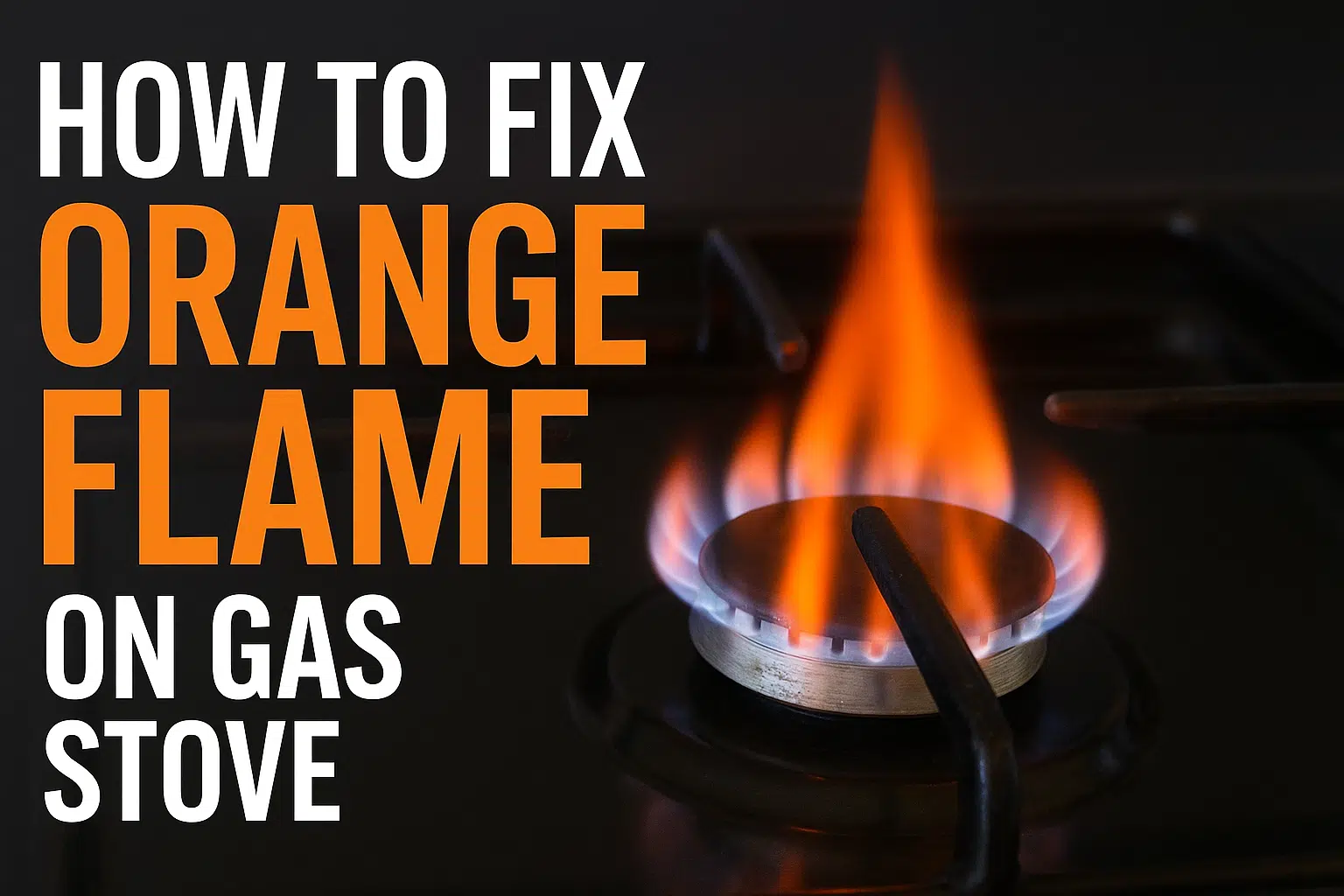
A gas cooktop flame is orange when the burner is not burning fuel the way it should. In simple terms, the flame is not getting the right balance of gas and oxygen. That is why a gas cooktop flame is orange instead of the clean blue color most people expect.
A blue flame means efficient combustion. An orange flame can mean the burner is dirty, the air supply is restricted, or minerals and particles are mixing with the flame. Sometimes the issue is minor. Other times, it points to a gas appliance that needs attention from a qualified technician.
The key thing to know is this: a gas cooktop flame is orange is not always an emergency, but it is never something to ignore for long.
Common Causes of an Orange Flame
There are several reasons a gas cooktop flame is orange. Some are simple and easy to fix. Others need a closer look because they may affect performance or safety.
1. Food residue or grease buildup
Grease, spills, and food debris can block burner ports. When that happens, the gas does not flow evenly and the flame can turn orange or yellow. This is one of the most common reasons I have seen in home kitchens.
A quick cleaning often helps. If the burner cap or ports are coated with grime, the flame may look weak, uneven, or orange.
2. Dust in the air
Dust can affect a gas cooktop flame is orange more than people realize. Tiny particles in the air can burn with the flame and change its color. This can happen more often in homes with a lot of dust, construction nearby, or poor kitchen cleaning.
If the orange flame appears only sometimes, airborne dust may be part of the cause.
3. Burner not seated correctly
If the burner cap is not lined up the right way, gas and air may not mix properly. Even a small shift can change the flame pattern. I once helped troubleshoot a cooktop that looked fine at first glance, but the burner cap had slipped slightly after cleaning.
Once it was reseated, the flame went back to blue.
4. Poor ventilation
A kitchen needs enough fresh air for gas appliances to burn cleanly. If the room is tightly sealed, or if the hood is not working well, the flame can shift toward orange. This is more likely in smaller kitchens or spaces with weak airflow.
A gas cooktop flame is orange can sometimes be a sign that the appliance is not getting enough oxygen.
5. Gas pressure issues
Low or inconsistent gas pressure can change the flame color and strength. If the pressure is too low, the flame may look weak and orange. If you notice this across several burners, the issue may not be the burners themselves.
This is a good time to have the gas line checked by a professional.
6. Problems with the gas mix
Natural gas and propane have different burning characteristics. If the cooktop is not set up for the correct fuel type, the flame may burn orange. This is important after moving a stove or converting from one fuel source to another.
Always confirm that the appliance matches the fuel supply.
7. Mineral content or additives
Sometimes a gas cooktop flame is orange because trace minerals or additives in the gas affect combustion. This does not always mean something is broken. Still, if the orange flame is persistent, you should not assume it is harmless without checking the other signs.
Is an Orange Flame Dangerous?
A gas cooktop flame is orange is not always dangerous by itself, but it can be a warning sign. If the flame is mostly blue with a small orange tip, the issue may be minor. If the flame is mostly orange, lazy, or uneven, that deserves more concern.
The bigger risk is incomplete combustion. That can create carbon monoxide, a gas you cannot see or smell. The U.S. Consumer Product Safety Commission and other safety agencies stress the importance of proper ventilation and good appliance maintenance for gas cooking equipment.
Watch for these warning signs:
• The flame stays orange after cleaning
• The flame is flickering, weak, or lifting off the burner
• You smell gas
• You feel headaches, dizziness, or nausea while cooking
• Multiple burners behave the same way
If any of these happen, stop using the cooktop and get it checked.

How to Fix an Orange Gas Cooktop Flame
Before you call a technician, there are a few safe things you can try. I always tell people to start simple and work carefully.
1. Turn off the cooktop and let it cool
Never clean or inspect a burner while it is hot. Shut everything off and wait until all parts are cool to the touch.
2. Clean the burner parts
Remove the grates, burner caps, and removable burner heads if your model allows it. Wash them with warm soapy water and dry them fully before reinstalling.
Use a soft brush or a pin to clear burner ports if needed. Do not force anything into the holes, since that can damage the burner.
3. Reinstall the burner correctly
Make sure every part sits flat and centered. A slightly misaligned burner cap can affect flame color and shape. This is one of the easiest fixes, and it is often overlooked.
4. Check room ventilation
Open a window if the kitchen feels stuffy. Turn on the range hood if you have one. Good airflow helps the flame burn cleaner and may reduce the orange color.
5. Test another burner
If only one burner shows an orange flame, the problem may be local to that burner. If all burners are orange, the issue is more likely related to gas supply, ventilation, or the appliance setup.
6. Call a licensed technician if needed
If cleaning does not help, or if the orange flame keeps coming back, have the cooktop inspected. A professional can check pressure, fuel settings, air shutters, and internal parts safely.

When to Call a Professional
There are times when DIY cleaning is not enough. A gas cooktop flame is orange can point to a deeper issue that needs technical testing.
Call a professional if:
• The flame stays orange after thorough cleaning
• You smell gas near the appliance
• The flame is very large, noisy, or unstable
• The cooktop was recently installed or converted
• You suspect gas pressure or regulator trouble
• The flame issue started after a repair or remodel
From experience, I can say it is better to pay for a proper inspection than to guess with gas appliances. A small issue now can become a bigger one later if ignored.

How to Prevent Orange Flames in the Future
Prevention is usually simple. A few small habits can keep your cooktop running better and help the flame stay blue.
• Clean spills right after cooking
• Wipe burner caps and grates regularly
• Keep burner ports free of crumbs and grease
• Check that burner parts are seated correctly after cleaning
• Use the range hood or keep some airflow in the kitchen
• Have the appliance serviced if the flame color changes again
If you cook often, a monthly burner check is a smart routine. I treat it like checking tire pressure on a car: a small habit that can prevent a bigger headache.

Orange Flame vs Blue Flame: What the Difference Means
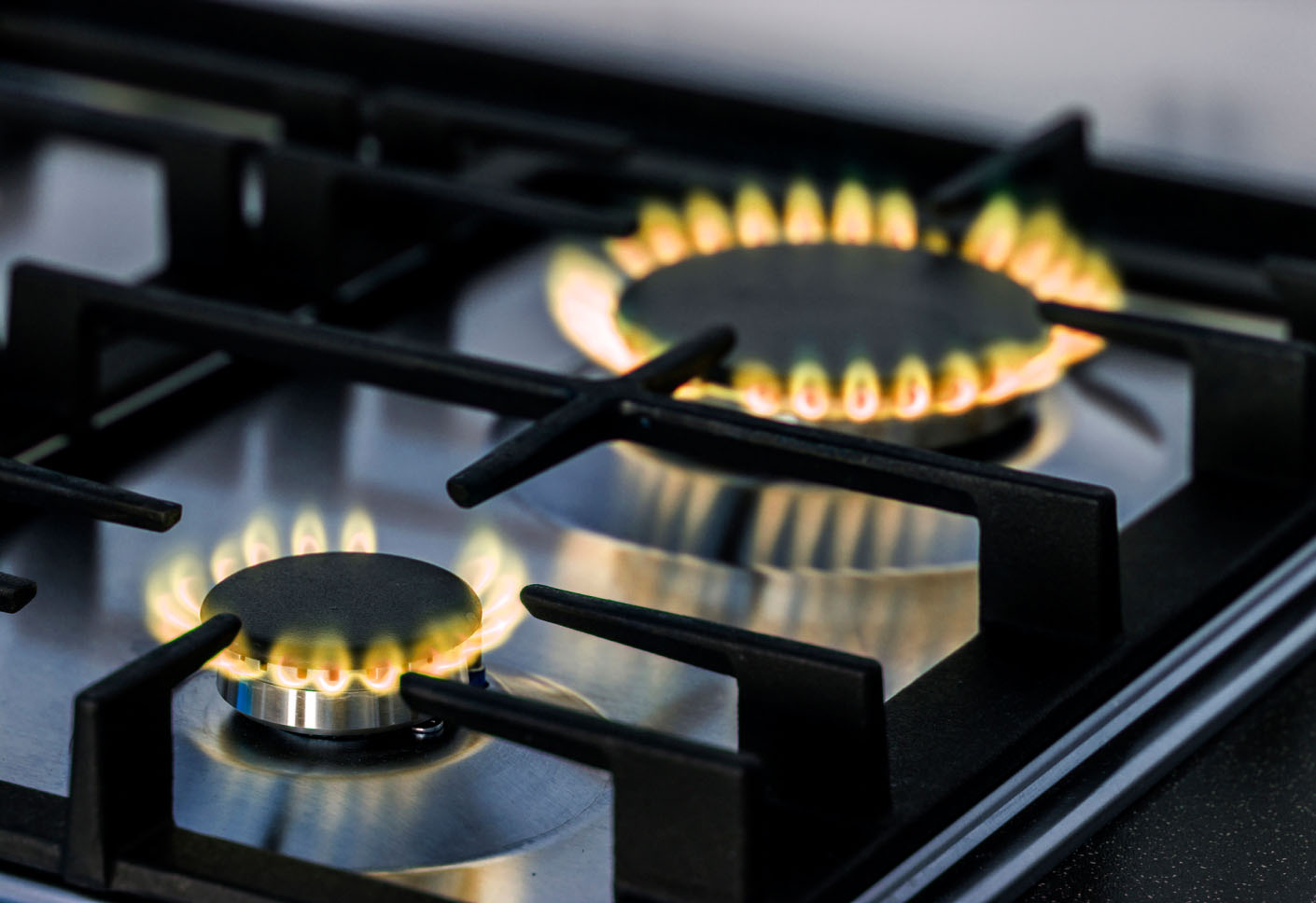
A blue flame usually means the gas is burning efficiently. That is what most modern gas cooktops are designed to produce. The flame should be steady, even, and mostly blue with maybe a small yellow tip at times.
An orange flame usually means something is off in the burn process. It does not always mean danger, but it does mean the appliance is not operating at its best.
Here is a simple way to think about it:
• Blue flame = proper combustion
• Orange flame = possible airflow, dirt, or gas mix issue
• Yellow flame = often a stronger sign of incomplete combustion
If your gas cooktop flame is orange only once in a while, it may be a temporary issue. If it is always orange, it needs attention.
Safety Tips Every Homeowner Should Know
Gas appliances are very useful, but they need respect. A gas cooktop flame is orange can be a clue that your kitchen needs better airflow or maintenance.
Keep these safety habits in mind:
• Install and maintain carbon monoxide detectors
• Do not block air vents around the appliance
• Never ignore gas smells
• Avoid using the cooktop if the flame is unstable
• Schedule routine appliance maintenance
These steps are simple, but they matter. In my view, the best kitchen is not just efficient. It is safe, clean, and predictable.
Frequently Asked Questions of Gas Cooktop Flame is Orange
Why is my gas cooktop flame orange instead of blue?
A gas cooktop flame is orange usually because the gas is not burning with enough oxygen. Common causes include dirty burners, poor ventilation, or burner parts that are not seated correctly.
Is an orange flame on a gas stove a sign of carbon monoxide?
It can be, especially if the flame is mostly orange and the burner is not burning cleanly. That is why good ventilation and working carbon monoxide detectors are important in homes with gas cooking.
Can I still cook if the flame is orange?
If the flame is only slightly orange and the burner works normally, you may still be able to cook short term. But if the flame stays orange, flickers, or smells like gas, stop using it and investigate the cause.
Will cleaning the burner fix the orange flame?
Often, yes. Grease, crumbs, and dust can block the burner ports and change the flame color, so a careful cleaning solves the issue in many cases.
Should I call a repair technician for every orange flame?
Not always. If the cause is clearly dirty burners or a slightly misaligned cap, you may fix it yourself. But if the orange flame keeps coming back or appears on all burners, a technician should inspect the cooktop.
Conclusion
A gas cooktop flame is orange is usually a sign that something needs attention, whether that is cleaning, better airflow, or a gas supply check. The good news is that many cases are simple to correct if you act early and follow safe steps.
The most important thing is to pay attention to the flame color, not just the cooking results. If your cooktop is showing orange flames, start with cleaning and inspection, then bring in a professional if the issue does not go away. If this guide helped you, save it for later, share it with someone who uses a gas stove, or leave a comment with your experience.