How Does Induction Cookware Work: Simple Guide

Induction cookware works by reacting to a magnetic field that heats the pan directly, not the cooktop.
If you have ever watched water boil fast on an induction stove and wondered what is happening under the surface, you are not alone. I have tested a lot of cookware over the years, and induction is one of those systems that feels almost magical until you understand the science behind it. Once you do, the whole thing makes sense, and choosing the right induction cookware becomes much easier.

What Is Induction Cooking?
Induction cooking is a method that uses electromagnetism to heat cookware. Instead of heating the burner first, the cooktop sends energy into the pan itself. That means the pan gets hot very quickly, while the glass surface around it stays cooler than a traditional electric range.
This is why induction cookware matters so much. The cooktop only works well with pans that can respond to magnetic energy. In practical terms, that usually means cookware with a magnetic base, such as cast iron or some stainless steel pans.
The result is fast heat, strong control, and less wasted energy. In my own kitchen tests, induction always felt more precise than gas or standard electric cooking, especially when I wanted a gentle simmer or a quick boil.
How Does Induction Cookware Work?
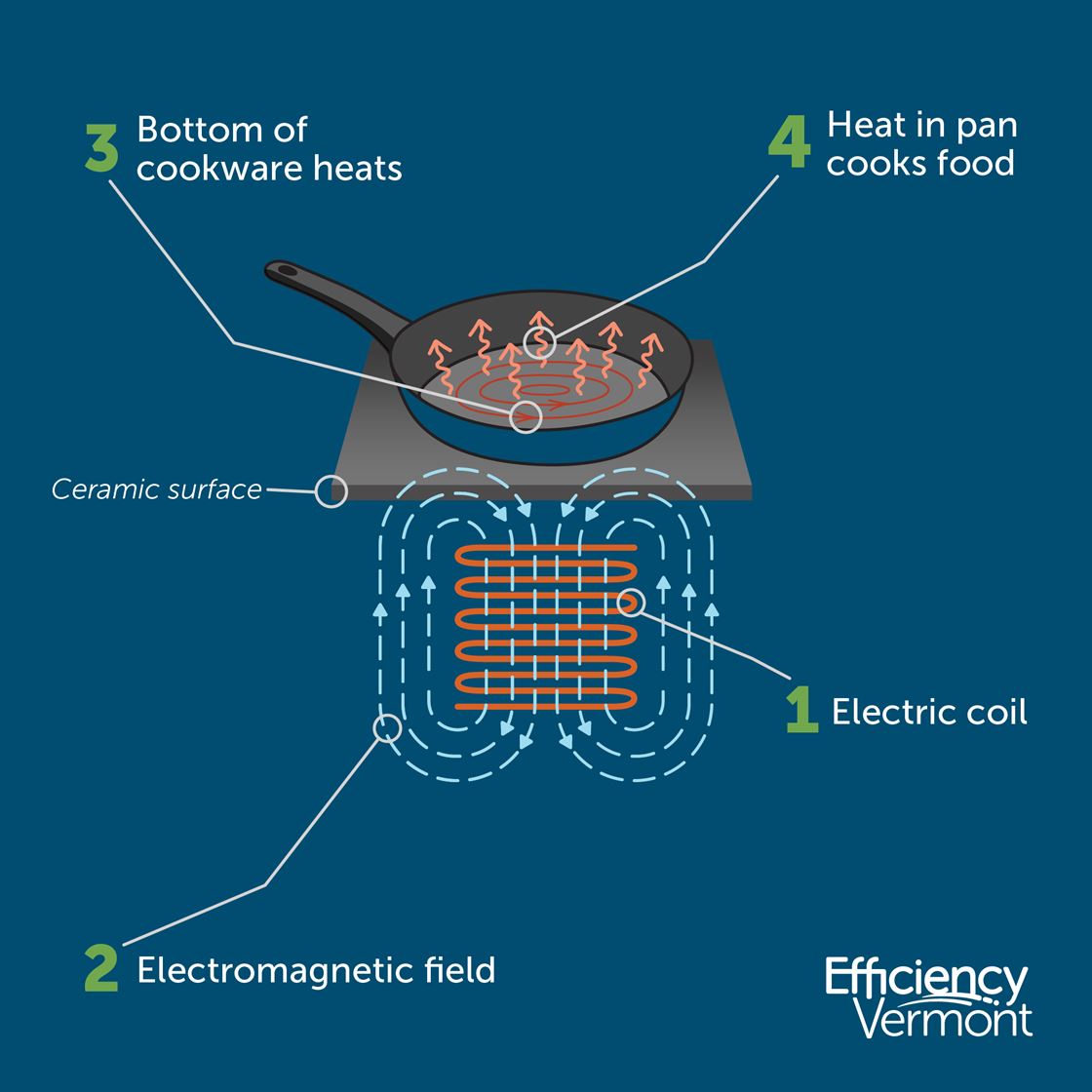
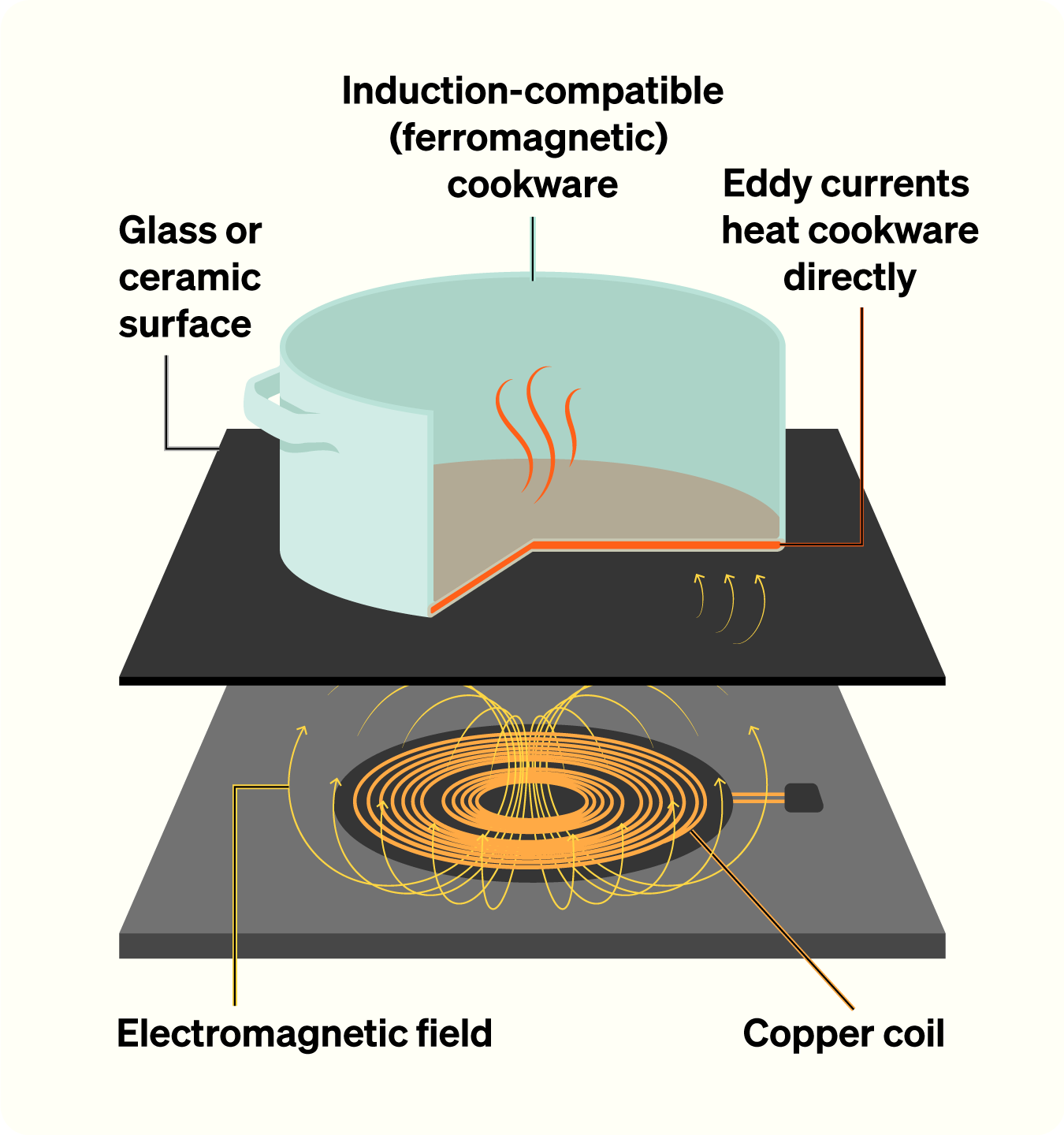
Induction cookware works by creating heat through magnetic resistance. When the induction cooktop is turned on, a coil under the glass surface produces an alternating magnetic field. If the pan has magnetic material in its base, that field causes tiny electrical currents inside the metal.
Those currents meet resistance, and that resistance becomes heat. So the cookware heats itself from the inside out, instead of getting heat transferred from a flame or hot burner.
A simple way to picture it is like this:
- A gas stove gives heat to the pan from below.
- A regular electric stove heats a coil or surface first, then the pan.
- Induction cookware works with the cooktop’s magnetic field to make the pan heat up directly.
That direct transfer is the key reason induction is so efficient. Less energy gets lost to the air, and the pan responds almost instantly when you turn the power up or down.
Why Only Certain Cookware Works on Induction
Not every pan can work on an induction cooktop. The cookware must be magnetic enough for the cooktop to “grab” it. If the base is not magnetic, the cooktop will not generate much or any heat in the pan.
Common induction-compatible materials include:
- Cast iron
- Enameled cast iron
- Magnetic stainless steel
- Some carbon steel pans
- Cookware with a bonded induction base
Materials that usually do not work include:
- Aluminum without a magnetic layer
- Copper without a magnetic layer
- Glass cookware
- Ceramic cookware
A quick test is to stick a fridge magnet to the bottom of the pan. If it sticks firmly, the pan will likely work on induction. I have used this trick many times when checking old cookware in storage, and it saves a lot of guesswork.
What Happens Under the Pan
The real action happens in the cooktop’s coil. When electricity flows through the coil, it creates a changing magnetic field. That field passes through the glass top and into the base of the pan.
The base of the pan then develops eddy currents, which are small loops of electrical current. These currents run into resistance inside the metal and turn into heat. The pan warms up very fast, and the food cooks more evenly because the heat starts right in the cookware itself.
This is different from traditional cooking methods in a few important ways:
- The cooktop surface does not need to get extremely hot.
- Heat begins in the cookware, not outside it.
- The response is fast, which helps with temperature control.
- Energy use is often lower because less heat escapes.
That is also why induction cookware can feel so responsive. When you lower the setting, the pan starts cooling sooner, which gives you more control over sauces, chocolate, eggs, and other delicate foods.
The Science Behind Induction Cookware
Induction cooking is based on electromagnetic induction, a principle used in physics and many industrial systems. The cooktop generates an alternating magnetic field, usually at high frequency. That field induces current in a conductive, magnetic pan base.
The most important science terms to know are:
- Magnetic field: An invisible force created by the cooktop coil
- Eddy currents: Small electrical currents induced in the pan
- Resistance: The force that converts those currents into heat
- Ferromagnetic material: Metal that responds strongly to magnetic fields
If the pan base is made with ferromagnetic steel or iron, the process works efficiently. If it is made from nonmagnetic metal, the induction field has little effect. That is why cookware design matters so much with induction systems.
Industry testing and appliance guidance consistently show that induction is one of the most energy-efficient cooking methods because most of the energy goes into the pan rather than the surrounding kitchen air. That efficiency is one reason many chefs and home cooks have moved to induction in recent years.
Benefits of Induction Cookware
Induction cookware offers several real-world benefits, and these are not just marketing claims. After years of using different pans on different cooktops, I can say the advantages show up fast in daily cooking.
Here are the biggest benefits:
- Fast heating: Water boils faster, and pans reach temperature quickly.
- Better control: Heat changes almost instantly when you adjust the setting.
- Energy efficiency: Less heat is wasted in the kitchen.
- Cooler kitchen: The cooktop surface stays cooler than gas or radiant electric.
- Safer cooking: Lower surface heat can reduce the chance of burns.
- Cleaner cooking area: Spills are less likely to bake onto the surface.
For busy homes, that speed can be a big deal. If you are cooking weeknight pasta, searing vegetables, or reheating soup, induction cookware helps you move faster with less fuss.
Limitations and Common Mistakes
Even though induction cookware is impressive, it is not perfect. The biggest challenge is compatibility. If the pan is not magnetic, it will not work properly, and that can surprise people who are used to older cookware sets.
A few common mistakes to avoid:
- Buying a pan without checking induction compatibility
- Assuming all stainless steel works on induction
- Using warped cookware, which can reduce contact and performance
- Choosing very thin cookware that heats unevenly
- Ignoring the size of the pan relative to the burner
I have also seen people blame the cooktop when the real issue was the pan. A thin, low-quality skillet may heat unevenly and make you think induction is the problem. In many cases, better cookware fixes the issue right away.
How to Tell If Your Cookware Is Induction Compatible
You do not need special tools to check most cookware. A few simple tests are usually enough.
Try this:
- Place a magnet on the bottom of the pan.
- If it sticks strongly, the pan is probably induction compatible.
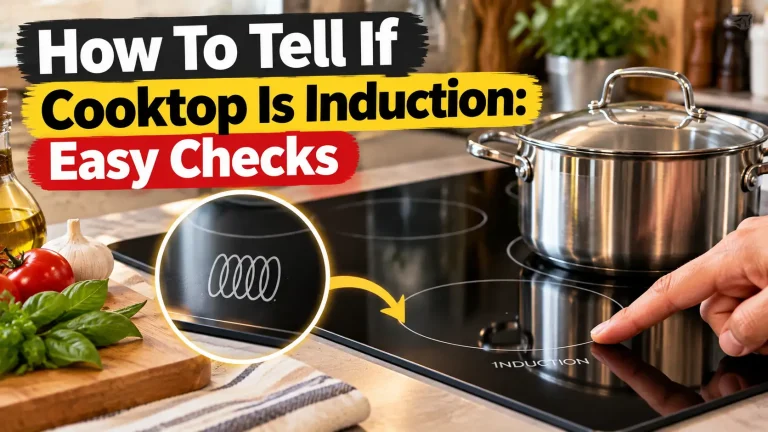
- Check the manufacturer’s label for “induction ready” or a coil symbol.
- Test the pan on the cooktop at a low setting.
- Watch for even heating and steady performance.
If the pan only partly responds, it may have a weak magnetic base. That can still work, but performance may be uneven. In my experience, fully magnetic cookware gives the best results, especially when you want quick heat changes.
Best Materials for Induction Cookware
The best induction cookware is usually made with materials that combine magnetism, durability, and good heat spread. The metal itself matters, but so does how the pan is built.
Top choices include:
- Cast iron: Excellent heat retention and full induction compatibility
- Enameled cast iron: Great for braising, soups, and slow cooking
- Magnetic stainless steel: Durable, easy to maintain, and versatile
- Carbon steel: Lightweight compared with cast iron and highly responsive
- Multi-ply cookware with induction base: Often combines good heat spread with compatibility
For most people, stainless steel with an aluminum core is a strong all-around option, as long as it has a magnetic exterior or base. Cast iron is great for searing, but it can be heavy. Carbon steel is a nice middle ground if you want responsiveness without the bulk.
How Induction Cookware Compares to Other Cookware
Induction cookware is not just about material. It is about how the pan interacts with the heat source. That is what makes it different from regular cookware used on gas or electric stoves.
Here is a simple comparison:
- Gas cookware use: Works with almost any material, but heat control depends on the flame and pan quality.
- Electric coil use: Any flat-bottom pan can work, but response is slower.
- Induction use: Requires magnetic cookware, but gives faster and more precise heating.
If you are used to gas, induction may feel strange at first. The heat comes on fast, so there is less lag. Once you get used to it, though, the control is often better than what people expect.
Practical Cooking Tips for Induction Cookware
A few small habits can make induction cooking smoother and more enjoyable.
Try these tips:
- Use flat-bottom cookware for better contact.
- Match pan size to the burner size.
- Preheat briefly, since induction heats fast.
- Stir often when cooking foods that scorch easily.
- Lower the setting sooner than you would on gas.
- Keep the bottom of the pan clean for best contact.
One lesson I learned the hard way: induction can brown food faster than you think. The first time I seared onions on a new induction setup, I left them a little too long and got dark edges fast. After that, I learned to watch the pan more closely and trust the speed of the system.
Is Induction Cookware Worth It?
For many people, yes. If you want fast heating, good control, and lower energy waste, induction cookware is a smart choice. It is especially useful for people who cook often and want consistent results.
It may not be the best fit if:
- You already own a large set of nonmagnetic cookware
- You prefer very traditional gas-style heat
- You want ultra-light pans and do not like heavier materials
Still, even with those limits, induction has strong long-term value. Once you match the right cookware to the cooktop, the cooking experience can feel smoother, cleaner, and more controlled.
Frequently Asked Questions
How does induction cookware work in simple terms?
Induction cookware works when a cooktop creates a magnetic field that heats the pan directly. The pan must be magnetic, or the system will not work well. This makes cooking fast and efficient.
Do all stainless steel pans work on induction?
No, not all stainless steel pans work on induction. Only stainless steel that contains enough magnetic material will respond properly. A quick magnet test is the easiest way to check.
Why does induction cookware heat so fast?
It heats fast because the energy goes straight into the pan instead of warming the air around it first. That direct heat transfer reduces waste and speeds up cooking. It also gives you quicker control over temperature changes.
Can I use old cookware on an induction stove?
Yes, if the cookware is magnetic and has a flat bottom. Many older cast iron and stainless steel pans work well. If the magnet sticks firmly, the pan will likely be fine.
Is induction cookware safe to use?
Yes, induction cookware is generally very safe when used correctly. The cooktop surface stays cooler than gas or traditional electric burners, which can lower burn risk. Still, the pan itself gets very hot, so normal care is important.
Conclusion
Induction cookware works by turning a magnetic field into heat inside the pan itself, which is why it is so fast, efficient, and precise. Once you understand how the cooktop and cookware work together, choosing the right pan becomes much easier. The main thing to remember is simple: if the cookware is magnetic, flat, and well built, it is much more likely to perform well on induction.
If you are thinking about upgrading your kitchen or just want better control over your cooking, induction is worth a serious look. Start by testing your current pans, learn which materials work best, and pay attention to how fast induction responds. If this guide helped you, keep exploring, compare your cookware, and share your own experience with induction cooking.