Can You Season Cast Iron With Vegetable Oil? Expert Guide 2026

Can You Season Cast Iron With Vegetable Oil
Cast iron cookware is a kitchen favorite for its strength and heat-holding power. I use it all the time. To keep cast iron working well, you must season it. Seasoning protects the pan and builds a natural non-stick surface. A common question I get is: Can you season cast iron with vegetable oil? The short answer is yes. But there are important details that change the result. Read on and I’ll walk you through the science, the step-by-step method I use, and the pitfalls I avoid.
This guide covers what seasoning really means, why polymerization matters, what oils work best, and how to maintain your pan for years. I write from experience and tests. You will learn not only whether vegetable oil works, but how to use it for the best outcome.
Whether you are new to cast iron or refining your technique, this article gives a clear, practical path to a smooth, durable seasoning.
What Does Seasoning Mean For Cast Iron?
Seasoning is not about flavor. It is about protection. When you season a pan, you bake a thin layer of oil onto the iron. High heat causes the oil to change. This chemical change is called polymerization. The result is a hard, dark coating. That coating keeps rust away and helps food release more easily.
Seasoning is different from greasing a pan before cooking. Greasing washes off. Proper seasoning bonds to the metal. The oil turns into a stable, plastic-like layer that lasts through cooking and washing.
Why Seasoning Is Essential
If you skip seasoning, cast iron will rust. Food will stick. A well-built seasoning makes the surface smooth and nearly non-stick. Each time you cook with oil, you add to the layer. Over time the pan improves.
Seasoning fills tiny pits and rough spots on new cast iron. That is why old family pans often feel almost glass-smooth. Regular use and proper seasoning give you that finish.
The Science Behind Polymerization
When oil is heated above its smoke point, it breaks down. Smaller molecules form and link to the iron surface. This is polymerization. It creates a firm layer that resists water and food.
Polymerization is not a one-time step. Each cooking session adds more cross-linked layers. The first few layers on a new pan are the most important. If you rush or use the wrong oil, you can end up with a sticky or uneven finish. Take your time and build thin layers. The pay-off is a durable, easy-to-clean pan.
Types Of Oils Used For Seasoning Cast Iron
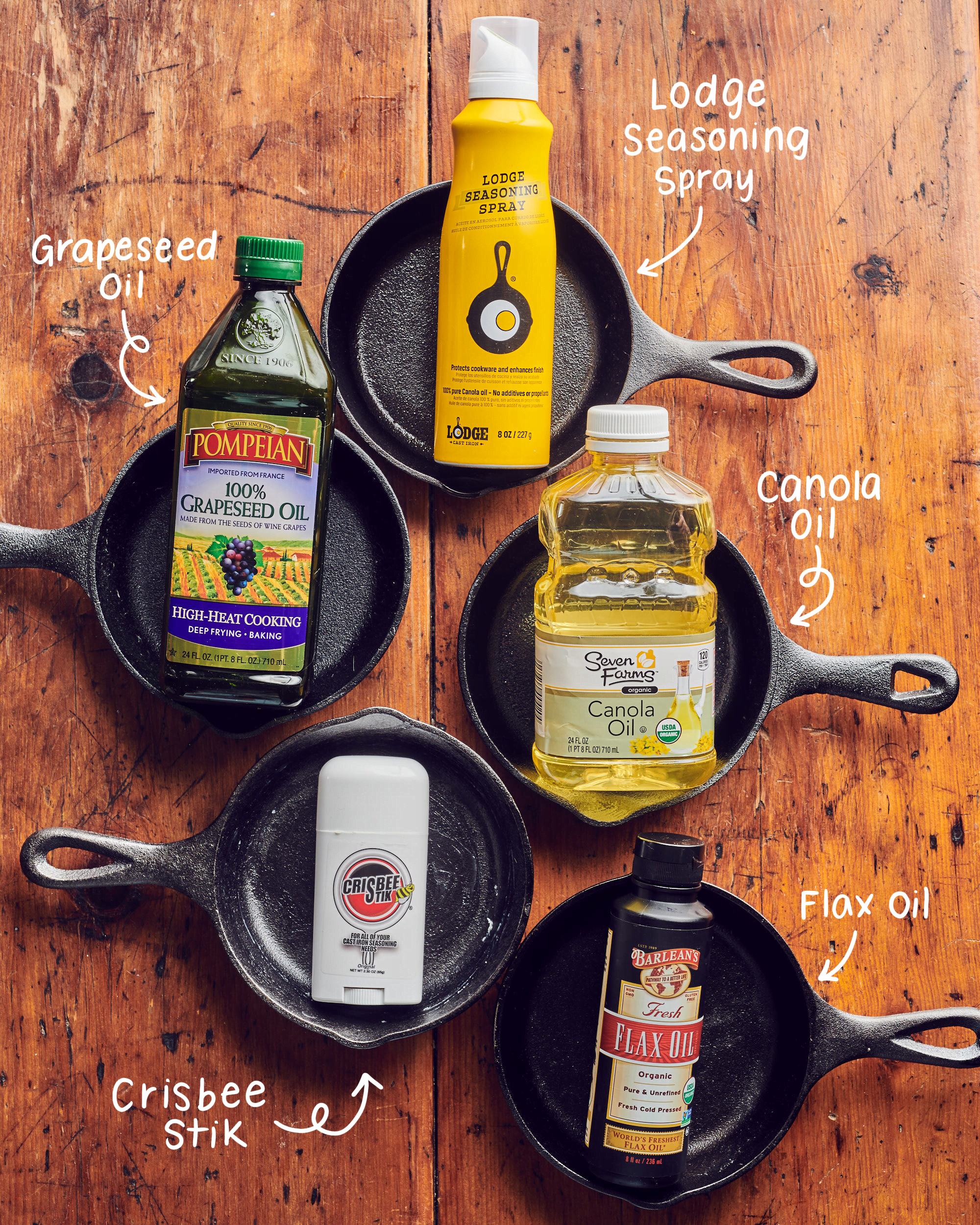
There are many oils people use for seasoning. Each has pros and cons. Here are the common choices I see and use:
- Vegetable oil
- Flaxseed oil
- Canola oil
- Crisco (vegetable shortening)
- Grapeseed oil
- Lard or animal fat
- Sunflower oil
- Corn oil
- Olive oil (used less often)
- Avocado oil
I focus on vegetable oil here, but I also compare it to other good options. A key factor is the oil’s smoke point. Oils with higher smoke points tend to polymerize cleanly and leave fewer residues. Flaxseed oil is famous for a very hard finish but needs careful handling.
Credit: www.reddit.com
Is Vegetable Oil Good For Seasoning Cast Iron?
Yes. Vegetable oil is a solid, practical choice for seasoning cast iron. I use it often. It is cheap, easy to find, and neutral in taste. Still, some cooks prefer other oils for specific benefits.
Why Vegetable Oil Is Popular
- Readily available in almost every kitchen
- Affordable compared to specialty oils
- Neutral taste—won’t add strong flavors
- High smoke point (usually 400–450°F)
Vegetable oil is forgiving. If a coat goes wrong, you can strip and redo the seasoning. That makes it great for beginners and busy cooks who don’t want to buy specialty oil.
How Vegetable Oil Compares
Vegetable oil is usually a blend of oils—soybean, corn, sunflower, and more. That mix makes smoke points vary a bit. It rarely goes rancid like some animal fats. But it may not harden quite as much as flaxseed or grapeseed oils. If too much oil is used, you might see a sticky feel. That problem can happen with any oil if you overapply or under-heat.
An important detail: stickiness is mostly from excess oil or low oven heat. If your pan feels tacky, wipe it clean and rebake at a higher temperature.
Table: Common Oils For Seasoning (comparison)
| Oil Type | Smoke Point (°F) | Polymerization Quality | Flavor Impact | Price |
|---|---|---|---|---|
| Vegetable Oil | 400–450 | Good | Neutral | Low |
| Flaxseed Oil | 225 | Excellent (can flake) | Neutral | High |
| Canola Oil | 400 | Good | Neutral | Low |
| Grapeseed Oil | 420 | Very Good | Neutral | Medium |
| Lard/Animal Fat | 370 | Good | Can add flavor | Medium |
How To Season Cast Iron With Vegetable Oil
Seasoning with vegetable oil is straightforward. The key is thin layers, high heat, and patience. I follow the steps below every time I build a finish. They work well for new pans and for pans that need restoring.
Step-by-step Guide
1. Wash And Dry The Pan
Start by scrubbing with hot water. Use a little mild soap if the pan is new or rusty. Dry it well with a towel. I then warm the pan on the stove for a minute to drive off any last moisture. Water left on the pan causes rust and will ruin your seasoning.
For rust spots, use steel wool. Remove all rust, then wash and dry. Treat the pan like a blank slate for seasoning.
2. Apply A Thin Layer Of Oil
Pour a small amount of vegetable oil on a paper towel. Rub it across the inside, outside, and handle. Wipe away every drop of excess. The pan should look almost dry. Too much oil = sticky finish.
Beginners often think more oil is better. It is not. Think of oil as polish, not paint. Thin coats create hard, smooth layers.
3. Bake The Pan Upside Down
Place the pan upside down on the middle rack of an oven preheated to 450–500°F (232–260°C). Put foil or a baking sheet on the lower rack to catch drips. Baking upside down stops oil from pooling in the pan.
High heat helps the oil bond to the iron surface. That makes the seasoning durable.
4. Heat For One Hour
Bake for at least 60 minutes. This gives the oil time to polymerize fully. Your kitchen may fill with smoke. That is normal. Turn on a fan or open a window.
5. Cool In The Oven
Turn off the oven and let the pan cool inside. I leave it until it is room temperature. Slow cooling helps the new layer set and avoids stress on the metal. Removing the pan too soon can cause uneven coating or warping on cheap pans.
6. Repeat If Needed
Do 2–3 rounds for best results on a new or stripped pan. Each cycle adds another thin layer. The finish gets darker and more non-stick with each coat.
Table: Seasoning Steps And Tips
| Step | Key Detail | Common Mistake | Pro Tip |
|---|---|---|---|
| Wash/Dry | Remove all moisture | Leaving water on | Warm pan on stove to finish drying |
| Apply Oil | Very thin, even layer | Too much oil = sticky | Buff with clean towel until almost dry |
| Bake | High heat, upside down | Too low temp = poor bonding | Ventilate kitchen for smoke |
| Repeat | 2–3 cycles best for new pans | Stop after one coat | More coats = stronger non-stick |
Credit: www.thekitchn.com
Common Mistakes When Seasoning With Vegetable Oil
Even a simple process can go wrong. Here are common errors and how I avoid them:
1. Using Too Much Oil
A thin layer is crucial. If the pan is sticky after seasoning, you used too much. Wipe away excess oil before baking.
2. Not Cleaning The Pan First
Dirt or rust trapped under oil can cause flaking. Always clean and dry well. Treat any rust like a fresh start.
3. Low Oven Temperature
If the oven is too cool, oil won’t polymerize. Keep it at 450–500°F for reliable bonding.
4. Not Repeating The Process
One coat rarely builds a strong finish. Thin, repeated coats work best. I usually do three cycles on a new skillet.
5. Using Flavored Or Old Oil
Old or flavored oils can leave odors or tastes. Use fresh, plain vegetable oil. That keeps your pan neutral and clean.
A key tip: don’t rush the process. Trying to speed it up with higher heat or thicker coats often causes peeling or tackiness. Slow, steady layers win every time.
How Does Vegetable Oil Seasoning Compare To Other Oils?
Is there a single best oil for seasoning? Not really. Vegetable oil is a reliable choice for most cooks. But other oils offer clear benefits in certain situations.
Flaxseed Oil
Flaxseed oil dries to a hard, smooth finish. Many enthusiasts love it. It can flake if applied too thickly. It also has a low smoke point, so you must be careful with oven temps. Use thin coats and precise heat for flaxseed.
Grapeseed Oil
Grapeseed oil has a high smoke point and polymerizes well. It leaves a durable finish with less risk of stickiness. It costs more than vegetable oil but gives excellent results.
Lard And Animal Fats
Traditional cooks often use lard, bacon fat, or tallow. These make a strong, natural seasoning. But they can go rancid if the pan sits unused. They may also impart a light flavor at first. If you prefer neutral taste or are vegetarian, plant oils are better.
Canola Oil
Canola oil performs much like vegetable oil. It is cheap and neutral. Good for everyday seasoning.
Table: Pros And Cons Of Popular Seasoning Oils
| Oil | Pros | Cons | Best For |
|---|---|---|---|
| Vegetable Oil | Easy to find, cheap, neutral taste | Can get sticky if overused | Everyday home cooks |
| Flaxseed Oil | Hard finish, fast polymerization | Expensive, can flake | Enthusiasts, perfectionists |
| Lard | Traditional, strong bond | Can go rancid | Frequent users |
| Grapeseed Oil | High smoke point, durable | More costly | Those seeking best non-stick |

Credit: www.youtube.com
Non-obvious Tips For Better Seasoning
Most guides cover the basics. These extra tips improved my results and might help you too:
- Heat your pan before oiling: A warm pan helps oil spread thin and even.
- Buff with a lint-free cloth: After applying oil, buff until the surface looks dry. This prevents sticky layers.
- Use the oven’s top rack: Heat is more even and drips burn below.
- Rotate the pan between coats: Rotate for even coverage on all surfaces.
- Cook fatty foods first: Fry bacon or potatoes after seasoning to add real-use seasoning layers.
- Don’t forget the handle and bottom: Season the whole pan to prevent rust everywhere.
- Let the pan rest overnight after the last coat: This extra time lets the finish harden fully.
How To Maintain Your Cast Iron After Seasoning
A good seasoning is only the start. Care keeps it strong. I follow a short routine. It keeps my pans dark and non-stick.
Everyday Cleaning
- Rinse with hot water after each use. Scrub stuck food with a brush or scraper.
- Dry immediately. Moisture causes rust.
- Add a drop of oil after cleaning. Wipe it around while the pan is still warm.
For extra protection, heat the oiled pan on the stove for a minute. Then cool and store. This helps stop rust, especially in humid climates.
What To Avoid
- Don’t soak or use the dishwasher.
- Don’t use harsh soap or steel wool often—these remove seasoning.
- Avoid long cooking of acidic foods (like tomatoes) in new pans. Acid can strip the seasoning.
A common beginner fear is using any soap. Mild soap is fine now and then. Just re-oil after washing. The main rule: avoid strong cleaners that strip layers.
Restoring Lost Seasoning
If the surface looks dull or food sticks, redo the seasoning. Cast iron is very forgiving. For heavy rust, scrub with steel wool until all rust is gone. Then clean, dry, and season as if the pan were new.
Health And Safety Concerns
People worry about oils at high heat and rancidity. Here is what I tell them:
- Vegetable oil is safe for seasoning. Once polymerized, it is not like liquid oil.
- Rancidity is rare if you use the pan regularly and store it dry.
- Smoke: Expect some smoke during seasoning. Ventilate the area.
A common beginner question: is the black layer on seasoned cast iron harmful? No. The seasoned layer is safe. It has been used for generations by cooks worldwide.
Real-life Example: Seasoning A Lodge Cast Iron Skillet
Here is a practical example I use on a Lodge 10.25 Inch Cast Iron Skillet. This is a common and affordable pan. It often ships with a factory seasoning, but adding your own layers improves it.
- Wash and dry the skillet.
- Add 1 teaspoon of vegetable oil. Rub it over the whole pan, then buff until it looks dry.
- Place upside down in a 450°F oven for 1 hour.
- Let cool in the oven.
- Repeat 2 times.
- After this, fry bacon or potatoes to build extra real-use layers.
This method darkens the pan and smooths the surface. If you see uneven color or a few dull spots after the first round, don’t worry. Use and extra coats even out the finish.
Frequently Asked Questions
Can I Use Olive Oil Instead Of Vegetable Oil For Seasoning?
You can use olive oil, but it is not ideal. Olive oil has a lower smoke point. It can leave a sticky finish if heated too high. Use it only in a pinch. For a stronger, smoother coating, choose vegetable oil, canola, or grapeseed.
How Often Should I Season My Cast Iron With Vegetable Oil?
Season 2–3 times in a row if the pan is new or stripped. After that, normal cooking builds the seasoning. You only need a full oven seasoning when food starts to stick or the surface looks dull.
Why Is My Pan Sticky After Seasoning With Vegetable Oil?
Stickiness usually means too much oil. Next time, wipe away visible oil before baking. Use thin coats and a high oven temp (at least 450°F). If sticky, wipe and rebake at the right temperature.
Can I Use Flavored Vegetable Oils (like Garlic Or Chili) For Seasoning?
No. Do not use flavored oils. The added ingredients can burn and leave off tastes. Use plain, fresh, neutral oil for seasoning.
What Is The Best Product To Buy For Seasoning Cast Iron?
For most cooks, a good vegetable oil works fine. If you want a specialty product, try Crisbee Cast Iron Seasoning or Lodge Seasoning Spray—both are popular on Amazon. For a classic pan, the Lodge 10.25 Inch Cast Iron Skillet is a trusted, affordable pick.
Final Thoughts
Seasoning cast iron with vegetable oil is practical and effective. It is cheap and easy to find. The key steps are thin coats, high heat, and patience. Repeat the process to build a strong, non-stick finish. With simple care, your cast iron will last a lifetime and improve with every use.
If you want deeper reading or lab-style tests on different oils, check out the research at Serious Eats. For a ready-to-season pan, consider the Lodge 10.25 Inch Cast Iron Skillet on Amazon—an affordable and reliable choice. Season it well. Cook with confidence. Enjoy the flavor only cast iron gives.