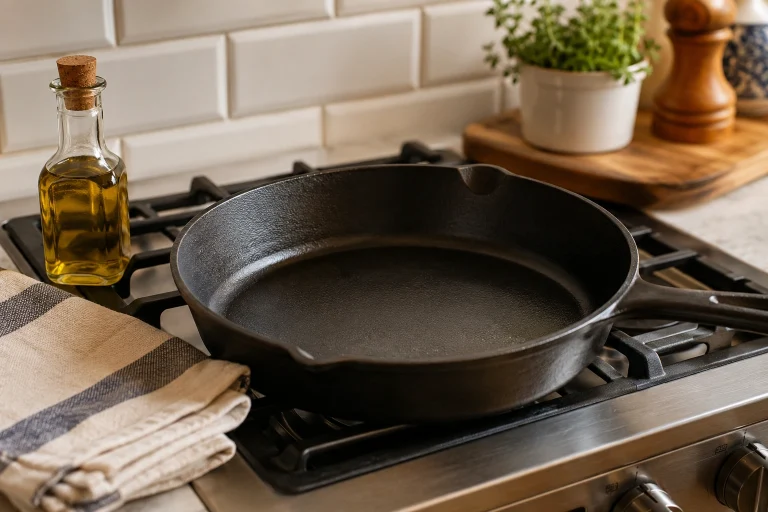
How To Cook With Cast Iron Cookware: Ultimate Guide 2026

Cast iron lets you sear, braise, and bake with steady heat and simple care.
I’ve cooked for years with cast iron and taught others how to make the most of it. This guide on How to Cook with Cast Iron Cookware explains the why, the how, and the small tricks that turn good meals into great ones. You’ll get clear steps for seasoning, heat control, recipes, avoidable mistakes, and simple maintenance. Read on to learn practical tips you can use tonight.
:max_bytes(150000):strip_icc()/faw-cast-iron-cookware-set-june-24-test-lodge-skillet-red-silicone-hot-handle-holder-nsimpson-672-15bdbf4788134d6fbd56fecb3193b943.jpeg)
Why choose cast iron cookware?
Cast iron gives even heat and great browning. It holds heat longer than thin pans. That makes it perfect for searing steaks, frying eggs, baking cornbread, and slow braising.
Benefits you’ll get when you learn How to Cook with Cast Iron Cookware
- Superior heat retention for steady cooking.
- Durable build that can last decades with care.
- Versatility: stovetop, oven, grill, and campfire use.
- Natural nonstick when properly seasoned.
Limitations to keep in mind
- Heavy and not ideal if you have wrist issues.
- Takes longer to heat and cool than thin pans.
- Needs special care to maintain seasoning.
:max_bytes(150000):strip_icc()/__opt__aboutcom__coeus__resources__content_migration__serious_eats__seriouseats.com__images__2016__09__20160817-cast-iron-pan-vicky-wasik-3-c56f176298784fef9e60f6cea198e0e4.jpg)
Seasoning and basic care
Seasoning builds the nonstick layer on your pan. It’s oil baked onto the surface. Proper seasoning makes cooking easier and protects cast iron from rust.
How to season a new or stripped pan
- Clean the pan with warm water and a stiff brush. Dry it fully on the stove.
- Rub a thin layer of high-smoke-point oil over the whole pan, inside and out.
- Bake upside down at 450°F for 1 hour with foil below to catch drips.
- Let the pan cool in the oven before storing.
Daily cleaning and upkeep
- Clean while warm with hot water and a brush or non-metal scrubber.
- Use a little salt as an abrasive if food sticks.
- Dry immediately and rub with a thin coat of oil to protect the surface.
- Store in a dry place. If stacking, use a paper towel between pans.
When to re-season
- Food sticks more than usual.
- Surface looks dull, sticky, or gray.
- After removing heavy rust or using soap aggressively.
Personal tip: I re-season lightly after long runs of frying fish. That simple step keeps my pan slick and reliable.

How to cook with cast iron: basic techniques
Cast iron works differently than nonstick. Use heat control and timing to get great results.
Preheat properly
- Start on low to medium heat and let the pan warm for 5 to 10 minutes.
- Test by sprinkling a few drops of water. They should dance and evaporate quickly.
- For high-heat searing, let the pan heat longer, but don’t overheat empty cast iron for too long.
Searing and browning
- Pat proteins dry and use moderate oil.
- Add food and avoid moving it too soon; a good crust forms with 2–4 minutes of contact.
- Use a spatula or tongs to lift and check the crust.
Pan-roasting and oven finishes
- Sear on the stovetop, then transfer to a preheated oven to finish.
- Use oven-safe handles or mitts—cast iron gets very hot.
Frying and shallow-frying
- Heat oil evenly and maintain a stable temperature.
- Use a thermometer for consistent results when frying.
Eggs and delicate foods
- For eggs, keep heat lower and add more oil or butter.
- Well-seasoned pans will release eggs better. If not, cook at lower heat and be patient.
How to cook with cast iron for different foods
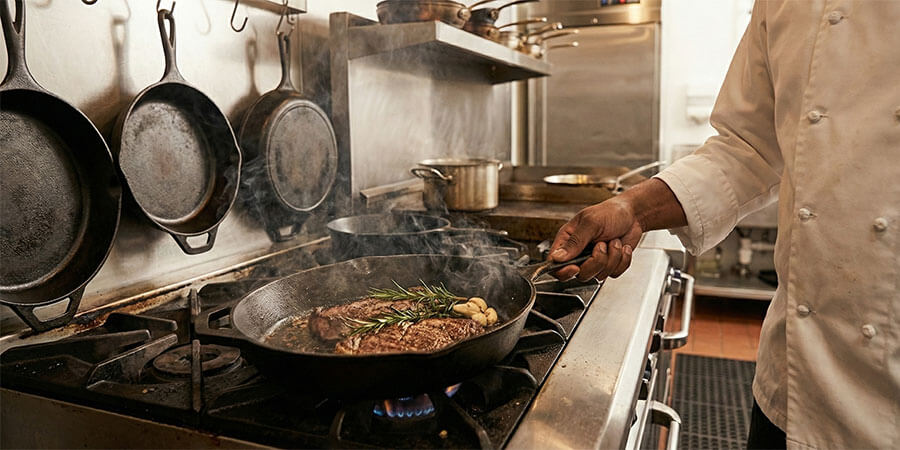
- Steak: High sear then oven to preferred temp.
- Vegetables: Roast or sear with oil and a hot pan.
- Bread and cornbread: Use a preheated skillet for a crisp crust.
- Fish: Use moderate heat and plenty of fat to prevent sticking.
:max_bytes(150000):strip_icc()/__opt__aboutcom__coeus__resources__content_migration__serious_eats__seriouseats.com__recipes__images__2017__03__20170210-creamy-kale-eggs-emily-matt-clifton-3-9d39be6b3f614c388faa9633b67711fa.jpg)
Recipes, timing, and real-world examples
Practical examples help you learn How to Cook with Cast Iron Cookware quickly. Here are simple starters with timing and tips.
Pan-seared steak
- Preheat cast iron for 8–10 minutes on medium-high.
- Sear 2–3 minutes per side for medium-rare depending on thickness.
- Finish in 400°F oven 4–6 minutes if needed. Rest 5–10 minutes.
Skillet cornbread
- Preheat pan with 2 tablespoons oil at 425°F for 5 minutes.
- Pour batter into hot pan and bake 20–25 minutes until golden.
One-pan chicken and vegetables
- Brown chicken thighs skin-side down 6–8 minutes.
- Flip, add root vegetables, then finish in 375°F oven 25–30 minutes.
Personal experience: My first cast-iron steak was a lesson in patience. I learned heat timing by burning one side then learning to watch the crust form before flipping. Now I trust the pan’s heat and my timer.
Common mistakes and troubleshooting
Even experienced cooks run into issues. Here’s how to fix them fast.
Food sticks
- Cause: under-seasoned or pan too cold.
- Fix: heat slightly more, add fat, and allow food to release naturally.
Rust spots
- Cause: moisture left on the pan.
- Fix: scrub rust with steel wool, re-season the pan, and keep it dry.
Sticky or gummy surface after seasoning
- Cause: too much oil applied before baking.
- Fix: scrub with hot water and a brush, wipe off excess oil, and re-season with a thin coat.
Handle is too hot
- Cause: cast iron conducts heat well.
- Fix: use oven mitts or silicone handle covers.
Warping or cracking (rare)
- Cause: thermal shock from very rapid temperature change.
- Fix: avoid plunging a hot pan into cold water. Replace if severely warped.

Buying, sizes, and long-term maintenance
Choose the right pan and keep it for life.
What to look for when buying
- Weight: heavier pans hold heat better; choose what you can lift safely.
- Smoothness: newer pans may have smoother surfaces; vintage pans often have great seasoning.
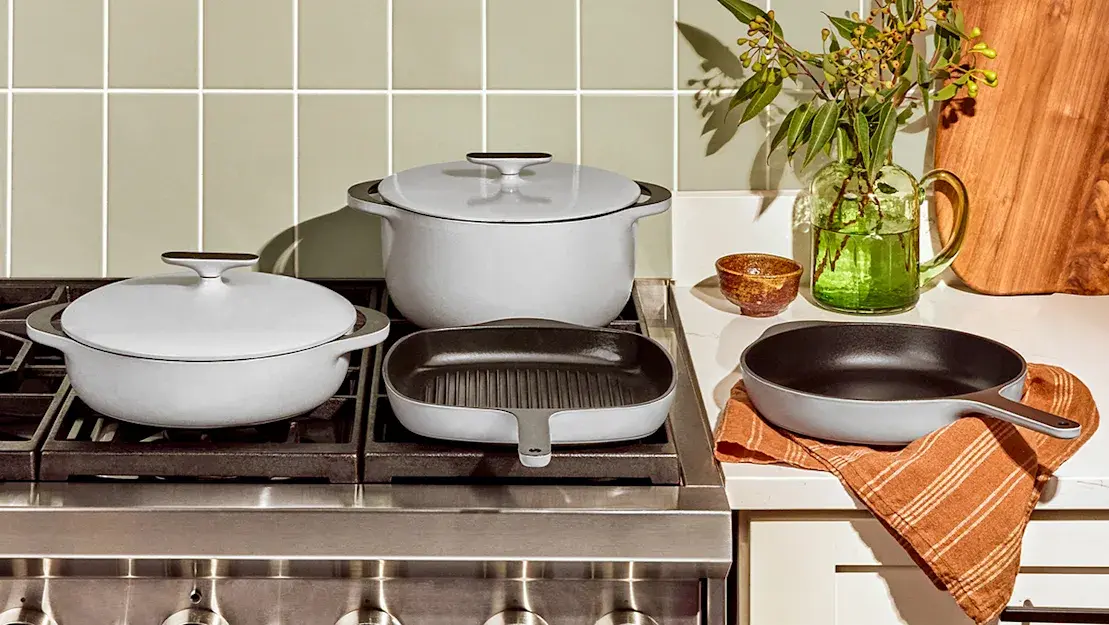
- Size: 10–12 inch skillets cover most needs. A 3–5 quart Dutch oven adds braising power.
Caring for older pans
- Strip rust with steel wool and re-season.
- Small nicks are cosmetic; deep pits may affect nonstick performance.
When to replace
- If the pan is cracked or has a warped base that prevents flat contact, choose a replacement.
- Otherwise, cast iron is often repairable and reusable.
Personal tip: I keep a small chainmail scrubber and a bottle of grapeseed oil by my stove. Simple tools make maintenance fast and painless.
Frequently Asked Questions of How to Cook with Cast Iron Cookware
What is the best oil for seasoning cast iron?
Use a high-smoke-point oil like flaxseed, grapeseed, or vegetable oil. Apply thin coats and bake at high heat for a durable seasoning.
Can I use soap on cast iron?
Yes, mild soap used occasionally is fine and will not ruin the seasoning. Rinse well and reapply a thin coat of oil if needed.
How do I remove rust from a cast iron pan?
Scrub with steel wool or a scouring pad until clean, then wash, dry, and re-season the pan. Repeat seasoning until the surface is smooth and dark.
Can I put cast iron in the dishwasher?
No. Dishwashers can strip seasoning and cause rust. Hand wash, dry immediately, and oil lightly.
Is cast iron safe for acidic foods like tomato sauce?
Occasional use is fine, but long simmering can wear the seasoning and may give a metallic taste. Use enamel-coated cast iron for frequent acidic cooking.
How often should I season my cast iron?
Season lightly after heavy use or after cleaning with soap. Full re-seasoning is needed if the surface looks dull or sticky.
Conclusion
Cast iron is forgiving, long-lived, and a joy to use once you learn basic care. Mastering How to Cook with Cast Iron Cookware means controlling heat, keeping a good seasoning, and using the pan for many cooking styles. Start with one well-seasoned skillet, practice a simple recipe like skillet cornbread or a pan-seared steak, and build from there. Try a new cast-iron dish this week, share your results, and keep the pan warm and oiled—your meals will improve with every use. Leave a comment with your favorite cast-iron recipe or subscribe for more tips and recipes.