
Is Stainless Steel Toxic to Humans? A Deep Dive

You look around your kitchen. You see a shiny pan, a stainless water bottle, forks and spoons. Stainless steel is everywhere. It looks clean. It feels strong. Still, you may ask: “Is stainless steel toxic to humans?”
I asked that same question. We put this metal in our mouths every day. We cook in it. We store food in it. It’s smart to question safety. I’ll share what I learned. I’ll keep the science simple and practical. I’ll also share tips from my own kitchen—how I use stainless steel safely and when I swap to glass, cast iron, or ceramic.
Stainless Steel Safety Fundamentals
Let’s start with the basics. Many people think “steel” is one thing. It isn’t. Stainless steel is a mix of metals. Think of it like a recipe. The main ingredient is iron. But iron rusts. No one wants rust in their food.
What Makes Stainless Steel “Stainless” (And Why It Matters for Your Health)
How do we stop rust? We add chromium. This is the key. Chromium reacts with oxygen in the air. It forms a very thin, invisible layer called chromium oxide. This layer acts like a shield. It seals the metal. It keeps iron from rusting and keeps metals from getting into food.

We also add nickel. Nickel makes steel tougher and shinier. It helps the protective layer stay stable. The exact mix of metals matters. A good alloy forms a strong protective layer. A cheap alloy may have a weaker layer. A strong layer keeps contaminants out. A weak layer can let metals leach into food.
The Three-Tier Safety Framework: When Stainless Steel Is (and Isn’t) Safe
I find it helpful to think in three safety tiers. This makes choices simple when I buy or use cookware.
- Tier 1: Generally Safe. Cold food and drinks. Think water bottles, forks, dry bowls. The metal is cool. The contact time is short. Leaching risk here is very low. This is fine for daily use.
- Tier 2: Moderate Concern. Normal cooking. Frying eggs, boiling pasta, sautéing vegetables. The pan heats up, but you aren’t cooking highly acidic food for hours. For most people, this is safe with quality 304 or 316 cookware.
- Tier 3: High Risk. Long, acidic cooking. Simmering tomato sauce for hours, slow-cooked vinegar-heavy dishes, or using a badly scratched or pitted pot. Heat, acid, and time can break down the protective film. Metals like nickel and chromium may leach more into food. This is when you should be cautious.
The Science of Metal Leaching: What Actually Happens
You’ll hear the word “leaching.” It can sound scary. It just means tiny metal ions move from the metal into food. This happens at a microscopic level.
How Metals Transfer from Stainless Steel to Your Body
Metals don’t fall off in chunks. They leave as ions—single atoms with a charge. Picture your pan as a brick wall. Heat, acid, salt, and scrapes are like wind and rain. Strong enough forces can knock loose “bricks” (ions) off the wall and into your food.
Factors that speed this up include:
- Acidity: Foods like tomatoes, vinegar, lemon, and orange juice attack the chromium-oxide layer.
- Heat: High heat increases atom movement and the chance of leaching.
- Wear and Tear: Scratches, scrubbing with steel wool, and pitting damage the protective layer. A damaged oxide layer can’t self-repair as well.
- Salt: Salt and salty liquids speed corrosion and can cause pitting. This gives metal ions a path into food.

Nickel Release: The Primary Health Concern
The metal we worry about most is nickel. Why? Many people react to it. Roughly 10–20% of people have nickel sensitivity or contact dermatitis. If cheap earrings give you a rash, you probably react to nickel.
For most people small nickel amounts are handled fine by the body. The gut and kidneys clear tiny doses. But if you are nickel-sensitive, even small amounts eaten over time can trigger reactions. That may show up as skin rashes, digestive upset, or fatigue in sensitive individuals. For those people, choosing nickel-free options or low-nickel cookware matters.
You can also read: Is Stainless Steel Cookware Safe?
Chromium Concerns: Separating Chromium (III) from Chromium (VI)
Chromium gets a bad rap, but there are two major forms to know.
- Chromium (III): The safer form. Our bodies need tiny amounts for nutritional processes. This is the form usually found in food-grade stainless steel.
- Chromium (VI): The toxic form. It’s a concern in industrial pollution and certain workplace exposures. It’s not common in well-made cookware.
The good news: properly made stainless steel mainly releases chromium (III). Chromium (VI) in cookware is rare when you buy food-grade products and avoid abusive use like overheating or extreme chemical exposure.
Other Metals in the Mix: Manganese, Molybdenum, and Iron
Stainless steel contains other metals too. Here’s a quick guide:
- Iron: The base metal. Small iron leaching can increase dietary iron—often a nutritional plus unless you have a condition like hemochromatosis.
- Manganese: Found in some lower-cost alloys (201, 202). The body needs small amounts, but excess exposure over time can affect the nervous system.
- Molybdenum: Added to high-end alloys (316) to improve corrosion resistance, especially against chlorides and salt. It’s generally safe at the tiny levels that can leach.
Decoding Stainless Steel Grades: Your Safety Cheat Sheet
Now let’s get practical. You want a safe pan. You see numbers on the box: 304, 316, 18/10. What do they mean? They’re a code for composition and performance. Learn the code and you’ll make smarter choices when buying cookware or a water bottle.
Food-Grade vs. Non-Food-Grade: Critical Differences
Not all stainless steel is food-grade. Some is for industrial use—cars, tools, or architecture. Food-grade steel is tested for corrosion resistance, low leaching, and easy cleaning. Look for certifications and clear labeling when buying cookware.
Grade-by-Grade Breakdown for Consumer Products
Here are the common grades you’ll see in stores, and what they mean for safety and corrosion resistance:
- 304 (also called 18/8 or 18/10): The most common food-grade stainless. “18” means about 18% chromium. “8” or “10” means 8–10% nickel. Good rust resistance and a safe, reliable choice for most kitchens.
- 316 (Marine Grade): Contains molybdenum. It resists salt and acids better than 304. A smart pick if you cook with salty or acidic foods often or live near the coast.
- 430 (Nickel-Free): No nickel. Good for people with nickel allergies. It’s less shiny and more prone to rust than 304/316, but it’s a solid allergy-friendly option.
- 201 or 202 (The Budget Series): Cheaper grades that replace nickel with manganese. They cost less but are less stable and more prone to corrosion under heat or acid. Avoid these if you can for cookware.
| Grade | Nickel Content | Rust Resistance | Safety Note |
| 304 | High | Good | The Standard Choice |
| 316 | High | Best | Great for Salt |
| 430 | Zero | Okay | Best for Allergies |
| 201 | Low | Low | Avoid for Heat |
How to Identify What Grade You Own
Look at the bottom of the pan. Good brands stamp the grade—18/10, 304, 316. No stamp? Try a magnet test.
- If the magnet sticks well: The steel likely has low or no nickel—often 430. That’s useful if you’re nickel-sensitive.
- If the magnet does not stick: It’s likely a high-nickel grade like 304 or 316.
The magnet test is quick and not perfect. It’s still a handy in-store trick to help you choose.

High-Risk Scenarios: When Stainless Steel Becomes Problematic
Safety is not just about the metal. It’s about how you use it. Even a safe car is dangerous if you drive recklessly. The same goes for pots and pans.
Cookware Danger Zones
There are times when stainless steel struggles. I call these “danger zones.” Avoid them when possible.
- The Tomato Rule: Tomatoes, vinegar, lemons—these are acidic. Acid attacks the protective layer. A quick tomato sauce is usually fine. But simmering tomato sauce for four hours in a high-nickel pot? That raises the chance of nickel and chromium leaching into your food.
- High Heat: Searing is great. But extreme heat—especially empty-pan overheating—damages the oxide layer. Repeated burns or overheating can make the pan less protective.
- Old and Pitted Pans: Look inside your pans. Do you see pits or deep scratches? Pits are breaks in the shield. They trap food and speed corrosion. If a pan looks like the moon’s surface, replace it.
Water Bottles and Food Containers: Daily Exposure Considerations
We carry stainless water bottles everywhere. Are they safe? Mostly yes. Cold or room-temperature water is neutral. It won’t pull metal out. Using a quality 18/8 or 304 bottle for water is fine for most people.
But watch what you put in them. Hot coffee, citrus juices, and long-stored acidic drinks can taste metallic. That taste often means small amounts of metal have leached. Cheap bottles or scratched interiors increase that risk.
Check bottle interiors with a flashlight. Deep scratches or rough areas are a sign it’s time to replace the bottle. Avoid metal brushes that make scratches worse.
Medical Implants: A Different Risk Profile
Some people have stainless-steel medical implants—knee replacements, dental components, or orthopedic plates. Implants are a different issue. They stay in contact with tissue and blood for life. The exposure here is continuous, not brief like cooking.
Surgeons choose high-grade implant steels and other biocompatible alloys. But even then, small amounts of ions can be released over time. If you have a known nickel allergy or metal sensitivity, tell your surgeon. There are alternative implant materials (titanium, ceramic) and pre-implant allergy testing available.
Jewelry and Prolonged Skin Contact
Watches, rings, and bracelets sit on the skin. Sweat is salty and slightly acidic. Over time, sweat can corrode some metals. You might see greening, dark marks, or skin irritation. These are signs of metal reacting with sweat and possibly releasing metal ions into the skin. If your skin itches or reddens, remove the item and consider nickel-free jewelry like surgical steel 316L or titanium.
Special Populations at Higher Risk
We aren’t all the same. Some people tolerate small metal exposure well. Others are more sensitive. If you fall into a higher-risk group, take extra care.
Nickel Allergy Sufferers: Navigating a Steel World
If cheap jewelry gives you a rash, you likely have a nickel allergy. This can be triggered by skin contact or by eating foods that contain higher nickel levels.
Acidic food cooked in high-nickel pans can increase dietary nickel. That may trigger internal or skin symptoms in sensitive people. If this sounds like you, try switching to nickel-free cookware (grade 430), glass, or ceramic for acidic dishes. Monitor symptoms and consult your doctor if needed.
Pregnancy, Infants, and Children
Babies and young children absorb nutrients and contaminants differently. Their systems are developing fast. They can absorb metals more readily than adults.
If you use stainless-steel baby bottles or metal feeding tools, inspect them often. Hot milk can increase leaching. For teething toys, prefer safe silicone or untreated wood over metal parts. Small children who chew metal items have longer exposure and higher risk.
People with Kidney Disease or Compromised Detoxification
Your kidneys filter out many metals. If kidney function is reduced, metals can build up. That raises concern for chronic exposures—even low levels over time.
If you have chronic kidney disease or impaired detox systems, talk to your healthcare provider. They may recommend limiting exposure to certain metals and choosing alternatives like glass or ceramic cookware where possible.
Testing and Verification: How to Know What You’re Really Exposed To
Metal ions are invisible. How do you check if a pan or bottle is safe? You have options, from lab testing to simple at-home kits.
Professional Testing Options
Labs can analyze metal composition precisely. Tests like ICP-MS (Inductively Coupled Plasma Mass Spectrometry) measure parts per million (ppm) of nickel, chromium, iron, and other elements. Labs can even test food after cooking. This is the gold standard for accuracy.
But lab testing costs money and time. It’s usually used by manufacturers or for product certification rather than by home cooks.
At-Home Assessment Methods
There are practical, inexpensive tools for home use. For nickel specifically, a “Nickel Alert” test kit can be helpful:
- You get a small bottle of test fluid.
- You put a drop on a cotton swab.
- You rub the swab on the pan’s interior surface or the item you want to test.
- If it turns pink: Warning. Nickel is leaching from the surface.
- If it stays clear: No detectable nickel under the test’s sensitivity.
These kits won’t give ppm values, but they are useful for older, scratched pans or unknown, unlabeled items. They can save you money and help protect allergy sufferers.
Reading Certifications and Standards
When buying new cookware, read labels and look for stamps. Don’t just buy for looks.
- NSF: The National Sanitation Foundation certifies products for food safety. An NSF mark is a strong sign of a tested product.
- FDA Compliant: Indicates the product meets basic regulatory rules in the U.S. for food contact materials.
If a pan has no brand or certification, be cautious. Cheap, unbranded cookware may come from manufacturers that cut corners on alloy composition and quality control.
You can also read : Best Non-Toxic Cookware for Health
Safer Alternatives and Risk Reduction Strategies
If you worry about nickel or metal exposure, you have good options. You don’t need to toss all your stainless steel. You can mix materials and use a few smart habits to reduce risk.
When to Choose Alternatives
I use several materials in my kitchen. Each has strengths. Here are safe swaps I recommend:
- Glass: The safest for baking and storage. It doesn’t leach metals and is great for acidic foods and long storage.
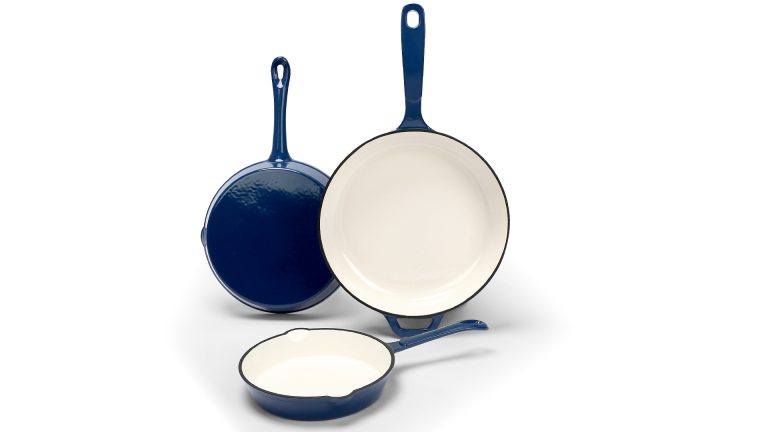
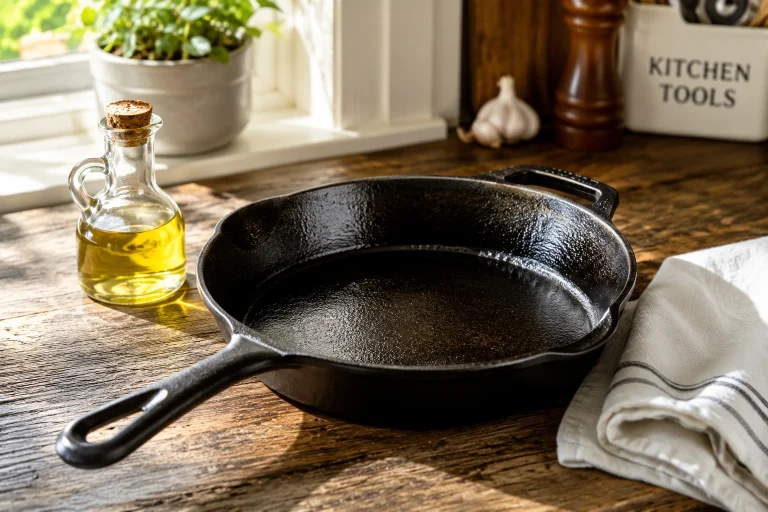
- Cast Iron: Durable and natural. It can add iron to food, which is often helpful. It needs seasoning but performs well for frying, searing, and slow cooking.
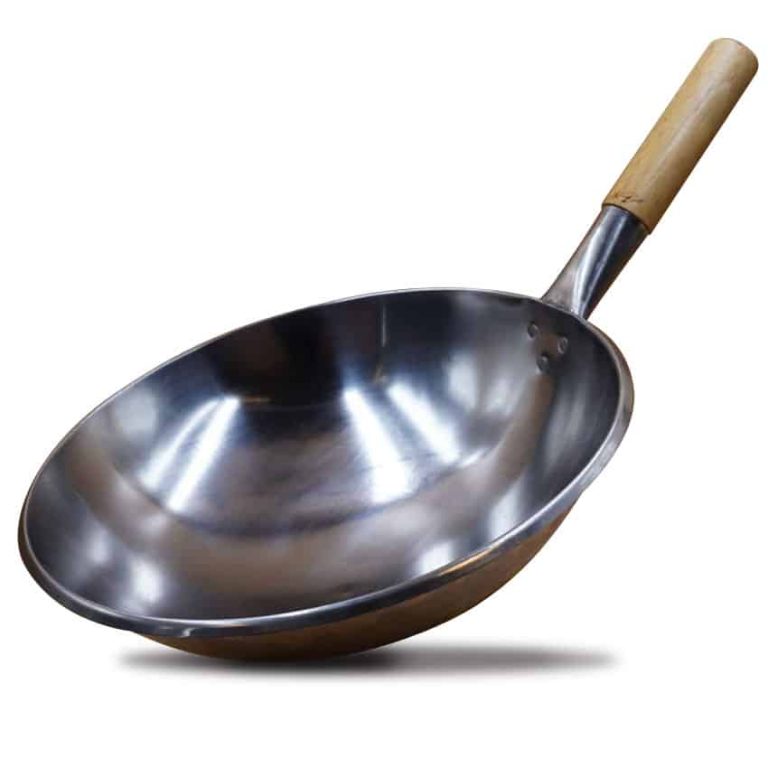
- Carbon Steel: A lighter cast-iron alternative. Chefs love it for searing and high-heat cooking. It needs seasoning and care.
- Ceramic: Real ceramic (unglazed clay or high-quality glazed ware) is safe. Be careful: some “ceramic-coated” pans are metal under a nonstick coating. Verify the product is true ceramic or food-safe glazed pottery.
Making Stainless Steel Safer If You Keep Using It
You don’t have to throw out all your stainless steel. Change how you use it. Small habits make a big difference.
- Be Gentle: Avoid steel wool. Use soft sponges and non-abrasive cleaners. Scratches damage the protective layer.
- Watch the Acid: Cook acidic dishes (tomato, vinegar, citrus) in glass, ceramic, or coated pots. Save stainless steel for boiling water, pasta, or searing.
- Store Food in Glass: Don’t store acidic food in stainless steel for long. Transfer leftovers to glass containers before refrigerating.
How I Care for My Stainless Steel (Practical Tips I Use)
A few simple steps keep my stainless steel in top shape:
- Let hot pans cool slightly before washing. Sudden temperature shock can warp and stress the metal.
- Clean with warm water and mild detergent. For stuck-on food, soak and use a soft brush.
- For stubborn stains, use baking soda paste. It cleans without scratching.
- Avoid abrasive cleaners and metal scouring pads on polished surfaces.
Debunking Common Myths
There’s a lot of advice out there. Some of it is wrong. Let’s clear up common myths about stainless steel cookware and safety.
“All Stainless Steel Is the Same”
False. Grades, composition, and manufacturing quality vary. A cheap $10 pan is not the same as a well-made 304 or 316 set. The alloy and finish change how much the metal resists corrosion and leaching.
“Stainless Steel Never Leaches”
Also false. Stainless steel can leach tiny amounts of metals under certain conditions: acid, heat, time, and damage. Most of the time the amounts are tiny and not harmful for healthy people. But the risk rises in the Tier 3 scenarios we covered.
“If It’s Expensive, It’s Safe”
Mostly true, but not always. Price often buys better alloy control and finishing. But price alone doesn’t guarantee a fit for people with nickel allergy. Always check the grade and certifications.
The Bottom Line: Is Stainless Steel Toxic?
We covered a lot. Let’s sum it up simply and clearly.
Relative Risk Comparison
Compared to many alternatives, stainless steel rates well for safety. Non-stick coatings can off-gas at high heat, and some plastics can leach chemicals. Food-grade stainless steel is durable, easy to clean, and low risk when used properly.
For about 90% of people, stainless steel is not toxic. The body handles tiny metal traces and excretes them. For most home cooking, a good 304 or 316 pan is safe.
Evidence-Based Conclusion
Know your own body and the use case:
- If you are healthy: Use stainless steel. It’s durable and clean. Avoid long simmering of acidic foods in high-nickel pans.
- If you have a nickel allergy: Be cautious. Prefer nickel-free (430) steel, glass, or ceramic for acidic dishes.
- If your pans are old: Inspect them. Pitted or deeply scratched pans should be replaced.
Stainless steel is a tool. Like any tool, use it right. Cook smart, reduce risk with simple habits, and enjoy your food. If you’re unsure about a product, test it with a Nickel Alert kit or choose a lower-risk material for acidic or long-cooked dishes.
Quick Safety Checklist (Summary You Can Use Now)
- Buy labeled, food-grade stainless steel (304/18-10 or 316) for everyday cookware.
- Use 430 (nickel-free) if you have a nickel allergy.
- Avoid long cooking of acidic foods in high-nickel pans.
- Replace pitted or heavily scratched cookware and bottles.
- Store acidic leftovers in glass, not stainless steel.
- Test unknown items with a Nickel Alert kit if you’re sensitive.
If You Want More Evidence
Look for lab studies on “metal leaching from stainless steel cookware,” regulatory guidance from agencies like the FDA, and certification marks such as NSF on product packaging. These sources provide data-backed reassurance and can help you choose safe cookware for your needs.
If you want, I can help you evaluate a specific pan or bottle. Tell me the brand and markings on the item, and I’ll walk you through what they mean and whether I’d use it in my kitchen.


2 Comments