Cookware For Nuwave Induction Cooktop: Best Picks 2026

The best cookware for a NuWave induction cooktop is flat, magnetic, and sized right for fast, even heating.
If you want your NuWave induction cooktop to perform its best, the cookware matters just as much as the cooktop itself. I have seen great induction burners feel “off” simply because the pan was the wrong material, warped on the bottom, or too small for the cooking zone. In this guide, I’ll walk you through exactly what works, what doesn’t, and how to choose cookware for NuWave induction cooktop use with confidence.

What Makes Cookware Work on a NuWave Induction Cooktop?
Induction cooking is different from gas or electric. Instead of heating the pan from outside, the cooktop creates a magnetic field that heats the cookware itself. That means the pan must be magnetic for the system to work.
For cookware for NuWave induction cooktop use, the key traits are simple:
- Magnetic base. A magnet should stick firmly to the bottom.
- Flat bottom. A warped pan can heat unevenly.
- Proper size. The pan should match the burner area.
- Good thickness. Thin pans can heat too fast and hot spots can form.
In real life, this is where many people get confused. A stainless steel pan may look expensive and still fail the magnet test. On the other hand, a basic cast iron skillet often works beautifully because it is naturally magnetic and holds heat well.
If you remember one thing, remember this: the cooktop does not care how fancy the pan looks. It only cares whether the pan can interact with the magnetic field.

Best Types of Cookware for NuWave Induction Cooktop
Choosing the right material is the first step. Not every pot or pan labeled “premium” is induction-ready, so it helps to know the common winners.
Cast iron
Cast iron is one of the best options for a NuWave induction cooktop. It is magnetic, durable, and excellent at retaining heat.
Why it works well:
- Heats evenly once warmed up
- Great for searing, frying, and slow cooking
- Lasts for years with proper care
One thing to watch: cast iron is heavy. If you move pans around often, that weight may feel like a workout.
Stainless steel with magnetic base
Not all stainless steel is induction compatible, but many quality stainless pans are. The key is a magnetic layer in the base.
Why it’s popular:
- Lightweight compared with cast iron
- Easy to clean
- Good for everyday cooking
I have found stainless steel to be a strong all-around choice, especially for people who want one set of cookware for most tasks. Just check the base before you buy.
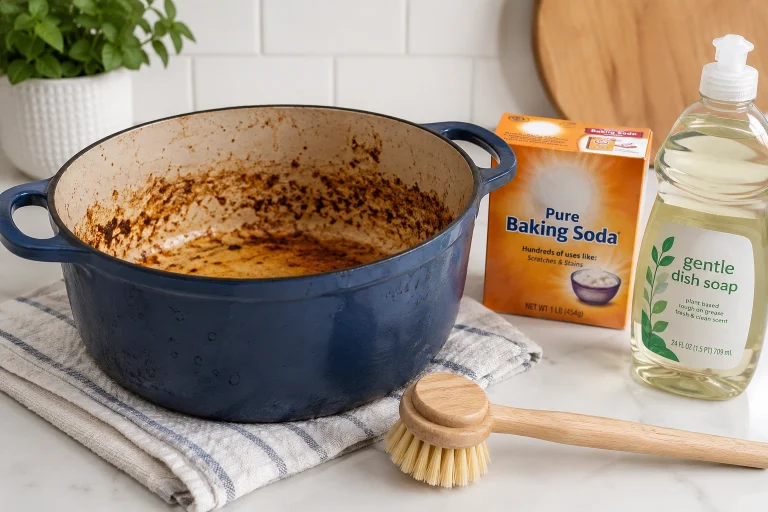
Enameled cast iron
Enameled cast iron gives you the same heat benefits as regular cast iron, but with a smoother, coated surface.
Benefits include:
- Better stain resistance
- No seasoning needed
- Good for soups, braises, and sauces
The tradeoff is cost. It often runs more expensive, but it can be worth it if you cook often and want easier cleanup.
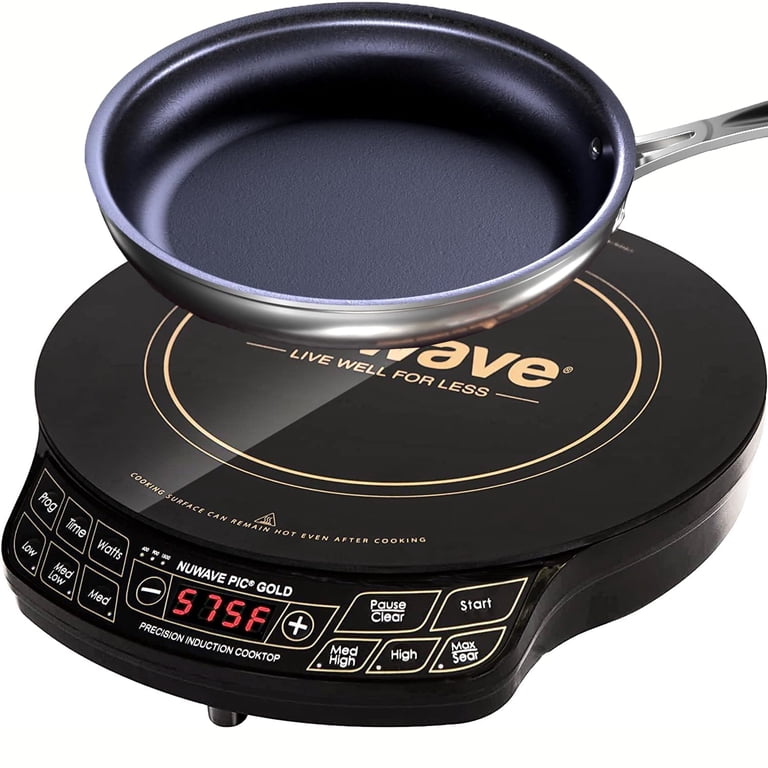
Some hard-anodized cookware
Hard-anodized aluminum by itself is not magnetic. But some brands add a magnetic stainless base so it works on induction.
This type can be a nice middle ground if you want:
- Faster response than cast iron
- Lighter pans
- Modern nonstick options
Always check the product label. If it says induction compatible, confirm that the bottom is magnetic.
What to Avoid When Buying Cookware for NuWave Induction Cooktop
A lot of cookware looks induction-safe until you test it. That is why a quick magnet test can save time and money.
Avoid these common problems:
- Aluminum without a magnetic base
- Copper pans without induction-ready construction
- Warped or rounded bottoms
- Very small pans that do not cover the heating zone well
- Cheap nonstick cookware with thin, weak bases
I made this mistake years ago with a lightweight pan that worked fine on gas but did poorly on induction. The pan heated in patches, and eggs cooked unevenly. It taught me a simple lesson: on induction, the bottom of the pan matters more than the brand name.
Also, avoid pans that slide too easily on the surface if they do not sit flat. Good contact improves performance and reduces noise.
How to Choose the Right Cookware Size
Size is easy to overlook, but it affects both safety and cooking results. A pan that is too small may not heat well. A pan that is too large may not distribute heat evenly across the cooking zone.
Use these practical tips:
- Match the pan base to the burner size as closely as possible
- For single servings, use smaller pans only if the cooktop supports them
- For family meals, choose medium to large pans with a flat, stable base
- Check the manufacturer’s guide for minimum and maximum size recommendations
Think of it like placing a pot on a spotlight. If the spotlight is too big or too small for the pot, the performance drops. The same thing happens with induction.
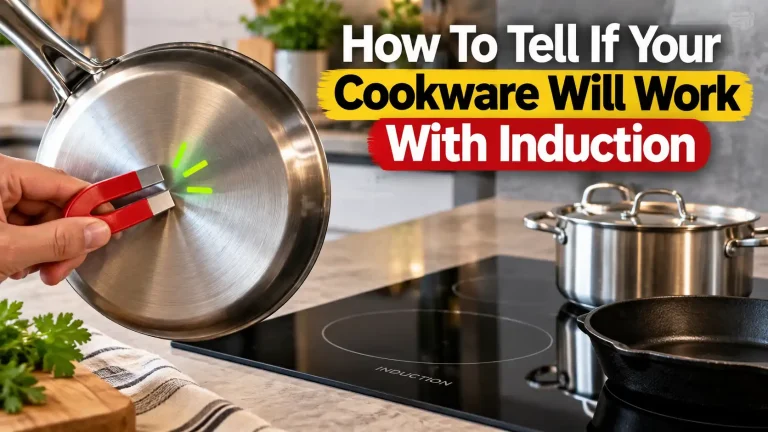
How to Test if Cookware Is Induction Compatible
You do not need special tools. A simple magnet test can tell you a lot.
Here is the easiest method:
- Grab a regular refrigerator magnet.
- Place it on the bottom of the pan.
- If it sticks firmly, the cookware is likely induction compatible.
- If it barely sticks or slides off, it may not work well.
That said, the magnet test is only the first step. A weak magnetic response can still mean poor heating. Also, some pans may pass the test but still perform badly if the base is thin or uneven.
If you can, test the pan on the NuWave cooktop before buying a full set. Real-world performance always tells the truth faster than packaging claims.

Best Cookware Features to Look For
When shopping for cookware for NuWave induction cooktop use, look beyond the material alone. Small design details make a big difference.
Helpful features include:
- Flat, heavy bottom for better contact
- Impact-bonded base for even heat spread
- Oven-safe design if you want more flexibility
- Comfortable handles that stay secure
- Scratch-resistant finish for long-term use
I also like cookware with clear size markings and strong lids. These are simple touches, but they make daily cooking easier. A good pan should feel stable, not flimsy.
Benefits of Using the Right Cookware for NuWave Induction Cooktop
The right cookware does more than make the cooktop work. It improves the whole cooking experience.
- Faster heating
- Better temperature control
- More even cooking
- Improved energy efficiency
- Less wasted heat in the kitchen
Induction cooking is already known for efficiency, and the right cookware helps it shine. A good pan can bring water to a boil faster, simmer sauces more gently, and help you avoid scorched edges.
There is also a comfort factor. When cookware responds predictably, cooking feels calmer. It is like driving a car with smooth steering instead of one that jerks every time you turn.
Care and Maintenance Tips for Induction-Compatible Cookware
Good cookware lasts longer when you treat it well. This is especially true for cast iron and stainless steel.
Here are simple care tips:
- Let pans cool before washing to prevent damage
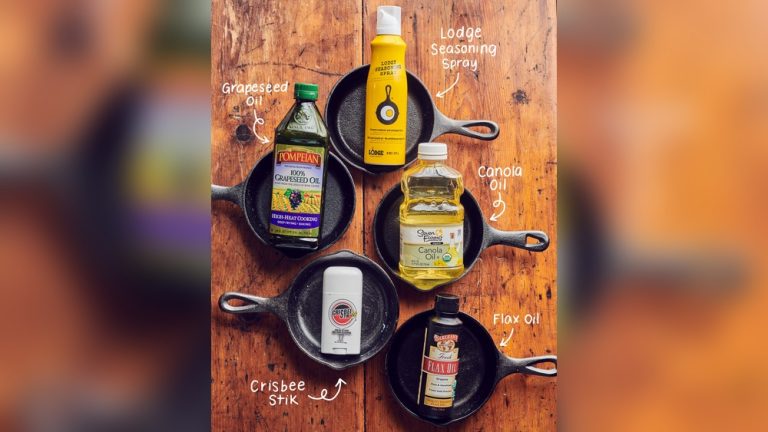
- Dry cast iron right away to avoid rust
- Use nonabrasive sponges on nonstick surfaces
- Avoid dragging heavy pans across the cooktop
- Clean the bottom of pans so residue does not affect contact
One small habit I always recommend is checking the underside of pans regularly. Grease or food buildup on the bottom can reduce smooth contact with the cooktop and may even leave marks on the surface.
If your NuWave cooktop has a glass top, gentle cleaning matters too. A soft cloth and approved cleaner help keep it looking new.
Common Mistakes People Make with Cookware for NuWave Induction Cooktop
Even experienced home cooks make a few of these mistakes. The good news is that they are easy to avoid once you know them.
Common mistakes include:
- Buying cookware that is not truly induction-ready
- Using a pan with a warped base
- Choosing a size that is too small for the cooking zone
- Assuming all stainless steel works
- Ignoring the manufacturer’s recommended limits
The biggest mistake I see is people judging cookware by appearance alone. A shiny pan can still be the wrong tool. In induction cooking, function beats style every time.
Frequently Asked Questions
What cookware works best on a NuWave induction cooktop?
Cast iron and induction-compatible stainless steel are usually the best choices. They are magnetic, heat well, and work reliably on most NuWave units.
Can I use nonstick pans on a NuWave induction cooktop?
Yes, if the pan has a magnetic base and is labeled induction compatible. Many nonstick pans work well, but the base quality matters a lot.
Why does my pan heat unevenly on a NuWave induction cooktop?
Uneven heating usually happens when the pan is warped, too thin, or the wrong size for the burner. A flat, heavy-bottomed pan usually performs much better.
How do I know if my cookware is induction compatible?
Use a magnet and test the bottom of the pan. If the magnet sticks firmly, the cookware will likely work on a NuWave induction cooktop.
Is glass cookware safe to use on a NuWave induction cooktop?
No, glass cookware does not work unless it has a magnetic base, which is rare. Induction needs magnetic material to create heat.
Can I use my old pots and pans on a NuWave induction cooktop?
Some old cookware will work, but not all of it. Check each pan with a magnet and look for a flat bottom and stable contact with the cooking surface.
Conclusion
Choosing the right cookware for NuWave induction cooktop use comes down to a few simple things: magnetic material, flat bottoms, proper size, and solid build quality. Once you understand those basics, shopping gets much easier and cooking becomes smoother.
If you are upgrading your kitchen or replacing old pans, start with one or two reliable pieces and test how they perform. That small step can save you frustration and help you cook better meals with less effort. Explore your options, compare materials carefully, and choose cookware that fits the way you really cook every day.