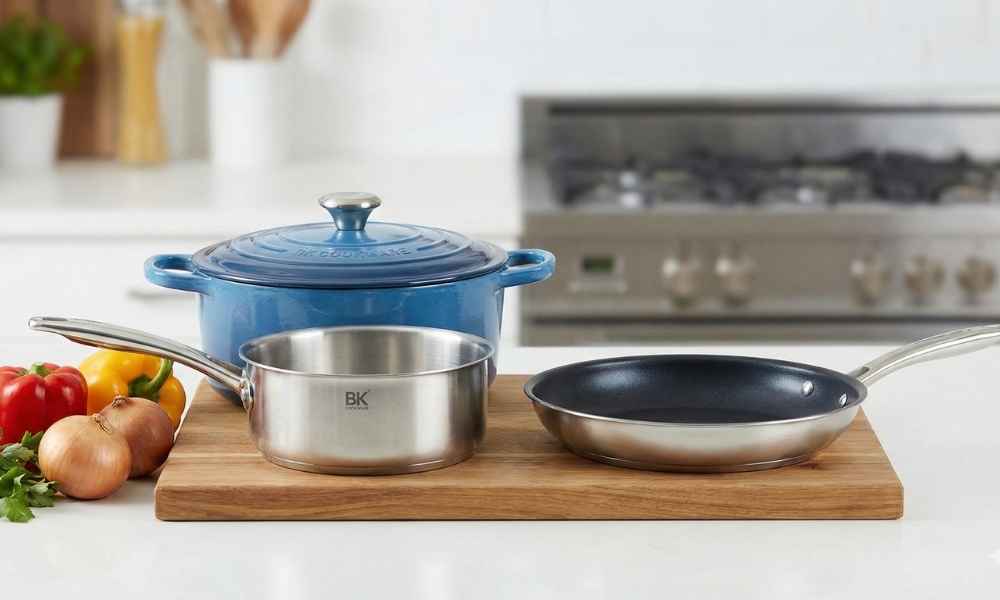
Non Stick vs Stainless Steel vs Ceramic Cookware: Ultimate Guide to Choosing the Right Pan 2026

Buying a new pan should feel easy. Yet a quick search for “non-stick vs. stainless steel vs. ceramic” drops you into a forest of ads and sponsored reviews. Most sites push a $150 pink ceramic set. They toss out buzzwords like “non-toxic” and “eco-friendly” without explaining what those terms actually mean. I’ve cooked in kitchens for years and ruined more pans than I can count. Here’s the clear, practical truth: there is no single “best” pan. There is only the best pan for what you cook, how you cook, and how long you expect it to last.
I write from experience. I’ve learned by burning breakfasts, warping skillets, and replacing glossy ceramic pans that lost their slick. I’ll tell you what the review sites usually don’t: the trade-offs, the real costs, and how to pick cookware that fits your kitchen life—not an influencer’s feed.
Why Most Cookware Comparisons Get It Wrong
The debate framed as “which is best?” misses the point. The right question is “best for what?” To pick well, look at four practical things:
- Skill Level: Do you preheat pans and read temperatures, or do you want one-pan, no-fuss meals?
- Cooking Style: Are you searing steaks, making pan sauces, or frying eggs every morning?
- Budget Horizon: Do you plan to replace pans often, or buy once and keep them for decades?
- Health Priorities: Are you avoiding specific chemicals or simply following safe use guidelines?
Search results are skewed by sponsorships. Brands pay to rank. They won’t warn you that a “ceramic” pan often loses its release after a year or two. I will. Below I break down materials, performance, and real-world tips so you can choose with confidence.
Understanding What You’re Actually Buying
Before you spend money, let’s check the facts. The science and construction are simpler than the marketing makes them sound. I’ll explain what each material is, how it’s built, and what that means for cooking and durability.
What “Non-Stick” Actually Means
Most non-stick pans use PTFE, the same polymer commonly called Teflon. It’s a plastic-based coating. Older production used a chemical called PFOA, which caused health concerns. Since about 2015, PFOA has been phased out. Modern PTFE is stable and safe when used at normal cooking temperatures. The key risk is overheating an empty pan—avoid that.
“Ceramic” Is a Marketing Term
“Ceramic” cookware usually means a thin sol-gel coating—basically silica (sand) turned into a glass-like layer over metal. It feels slick at first but is brittle. Heat cycling (heating and cooling) creates micro-cracks. Over time those cracks collect burnt oil and food, and the pan loses its slickness. That’s why many ceramic pans “die” faster than others.
Stainless Steel Grades Demystified
You’ll see labels like 18/10. That means 18% chromium (for corrosion resistance and shine) and 10% nickel (for added rust resistance and luster). The number matters less than the construction. Steel alone is a poor heat conductor. Good stainless pans are often tri-ply, with an aluminum core sandwiched between stainless layers. That aluminum core does the heavy lifting for heat distribution.
The Aluminum Core Nobody Talks About
Almost every high-performing pan—regardless of the finish—has aluminum inside. Aluminum spreads heat quickly and evenly. The outer layer (stainless, non-stick, or ceramic) is the surface that contacts food. Think of aluminum as the engine and the finish as the dashboard.
Heat Performance: The Most Misunderstood Factor in Cookware
When people say a pan “cooks well,” they’re really talking about how it handles energy: how fast it heats, how evenly it spreads that heat, and how much heat it keeps when you add food. Different materials behave very differently here.
Heat Conduction vs. Heat Retention
Conduction is how fast a pan reacts to a change in burner heat. Thin non-stick pans react quickly. Retention is how well a pan holds temperature when you add cold food. Heavy stainless or cast cookware retains heat and keeps the surface hot for true searing. If a pan cools the moment food hits it, you’re steaming, not searing.
The Maillard Reaction and the Non-Stick Problem
That brown, flavorful crust on meat comes from the Maillard Reaction, which happens roughly between 140°C and 165°C. Surfaces that help form that crust are slightly rough at a microscopic level so protein can brown and create fond.
- Stainless Steel: Microscopically rough. It grips meat and forms a deep fond—perfect for sears and pan sauces.
- Non-Stick: Too smooth. It resists browning the same way—it often prevents the deep crust you get on a steak. For restaurant-quality sear, non-stick is the wrong tool.
The Temperature Ceilings
Every finish has a safe temperature range:
- Stainless Steel: Safe above 260°C. It resists melting and off-gassing and handles high-heat searing well.
- Ceramic: Typically stable around 200°C–230°C. Above that, sol-gel coatings begin to break down and lose slickness.
- Non-Stick (PTFE): Keep below 260°C. Overheating PTFE can release fumes that are harmful to birds and unpleasant for people.
Safety and Health: Cutting Through the Fear
There is a lot of chemophobia around cookware. Let’s set facts straight, calmly and simply.
The PTFE/Teflon Question in 2026
Modern PTFE-coated pans are considered safe for normal home cooking. The risk arises when a pan is left empty on high heat, which can degrade the coating and release fumes. Use medium heat for most tasks and avoid preheating an empty non-stick pan for long periods.
Ceramic’s Hidden Variables
Brands often label ceramic as “non-toxic,” but their coatings are proprietary and don’t list full formulas. They typically avoid PFAS chemicals, which is why people like them. Still, companies use additives to maintain slickness. Look for third-party marks like “Lead-Free” or “Cadmium-Free” when that matters to you.
Nickel Leaching from Stainless Steel
Stainless steel (18/10) contains nickel. For most people this is fine. If you have a severe nickel allergy, prolonged cooking of very acidic foods (tomato sauce simmered for hours) can increase nickel leaching. If you’re sensitive, consider coated cookware for acidic dishes.
The “Non-Toxic” Label Trap
“Non-toxic” is a marketing phrase, not a regulated guarantee. The real rule is dose and use. A scratched non-stick pan means bits of coating can end up in your food. It’s not an immediate health emergency—but it’s a good sign to replace the pan rather than keep using it.
Cooking Performance by Task: A Practical Decision Matrix
No pan does everything perfectly. Below is a practical guide to which material works best by common kitchen task. Use it to match tools to jobs, not to crown a universal winner.
| Task | Non-Stick | Ceramic | Stainless Steel | Winner |
| Omelets & Eggs | Perfect release | Good release | Sticky (needs skill) | Non-Stick |
| Searing Steak | Poor crust | Medium crust | Incredible crust | Stainless |
| Pan Sauces | No “fond” (bits) | Some “fond” | Best “fond” | Stainless |
| Acidic Sauces | Safe | Safe | Can leach nickel | Ceramic/Non-Stick |
| Fish Fillets | Best for skin | Good for skin | High risk of tearing | Non-Stick |
The One-Pan Rule
If you start a dish on the stove and finish it in the oven, check handles and oven-safety specs. Many non-stick pans have plastic handles that won’t survive above 175°C. Quality stainless steel handles are usually oven-safe to 260°C or higher, which makes them more versatile.
Lifespan, Durability, and the True Cost Per Year
Marketing often hides the long-term math. A cheap pan can be the most expensive purchase over time. Below I lay out true cost of ownership so you can compare apples to apples.
The Lifecycle Math
People replace ceramic and non-stick pans mainly because they lose slickness. Stainless steel lasts until you physically abuse it—warp it or hit it with a hammer. That durability changes the cost-per-year calculation dramatically.
| Pan Type | Average Price | Lifespan | Cost Per Year |
| Budget Non-Stick | $30 | 1–2 Years | $15.00 |
| Premium Ceramic | $90 | 2–3 Years | $30.00 |
| Quality Stainless | $160 | 20+ Years | $8.00 |
How Ceramic Actually “Dies”
Ceramic coatings don’t usually peel the way older PTFE did. Instead, micro-cracks form over repeated heating and cooling. Those cracks trap burnt oil and create sticky spots. Once a ceramic pan reaches that stage, you can’t effectively restore the original slickness. Replacement is the practical option.
Stainless Steel’s Failure Modes
Stainless steel is long-lived. It can warp if shocked with cold water while red-hot or pit from adding salt to cold water. But with basic care it will outlast you. It’s the only material on this list you can realistically pass down.
Ease of Use: Matching the Pan to Your Skill Level
Be honest about your kitchen habits. Beginners and busy cooks need different tools than someone who cooks professionally.
The Learning Curve of Stainless Steel
Stainless steel isn’t naturally non-stick, but it can be stick-resistant if you learn a few tricks. Use the Water Drop Test to know when the pan is ready:
- Heat the dry pan.
- Flick a drop of water on it.
- If the water sizzles and spreads, it’s not ready.
- If the water beads up and skates like a marble, it’s at the right temperature.
Why Ceramic and Non-Stick are “Forgiving”
These pans are forgiving and fast. They remove a lot of the stress of temperature control. That’s great for eggs and delicate fish. But they don’t teach you heat control. If your goal is to level up as a cook, adding stainless to your rotation is a smart next step.
Cleaning and Maintenance: What Nobody Warns You About
You just bought a beautiful pan. How do you keep it that way? Many “Dishwasher Safe” claims are optimistic. Here’s what I’ve learned the hard way and what keeps pans performing longer.
Why Dishwashers Kill Ceramic and Non-Stick
The pan won’t melt in a dishwasher. But the detergents and high-heat drying act like sandpaper on sol-gel and PTFE coatings. That wears away slickness. To extend life, hand wash ceramic and non-stick with gentle sponges and mild soap.
Cleaning Burnt-On Food from Stainless Steel
Stainless steel stands up to scrubbing. If you burn food, don’t panic. Use the Baking Soda Method:
- Sprinkle baking soda over the burnt area.
- Add enough water to make a paste.
- Let it sit 20 minutes, then scrub gently.
- For stubborn stains, use Bar Keepers Friend. It brings old steel back to life.
Storage Habits That Kill
Stop stacking pans directly. Nesting a heavy pan inside a non-stick or ceramic one will scratch the coating. If you must stack, place a paper towel, cloth, or felt protector between them.
The Hybrid Kitchen Strategy: You Don’t Have to Choose Just One
Professional cooks don’t usually buy a single-material set. They mix and match to match tasks to tools. You can do the same, and it’s cheaper and smarter in the long run.
The Two-Pan Foundation
If you’re building a kitchen from scratch, two pans cover most needs:
- A 10-inch or 12-inch Stainless Steel Skillet: The workhorse for searing, sautéing, and pan sauces. Look for tri-ply construction and a flat, thick base.
- An 8-inch or 10-inch Non-Stick Pan: Your go-to for eggs and delicate fish. Choose a mid-range PTFE pan with a safe oven-temp rating and a durable handle.
When to Go All-In on One Material
- All-In on Stainless: Choose this if you want a “buy it for life” kitchen and are willing to learn the water drop test and basic heat control.
- All-In on Ceramic: Choose this if aesthetics and light, low-oil cooking matter most and you’re okay replacing pans every few years.
Expert Verdict: Our Recommendations by Cook Profile
The Beginner Home Cook
I recommend a high-quality Non-Stick (PTFE). It’s forgiving, quick to heat, and makes cleanup fast. You’ll avoid ruined breakfasts and spend less time scrubbing.

The Health-Conscious Minimalist
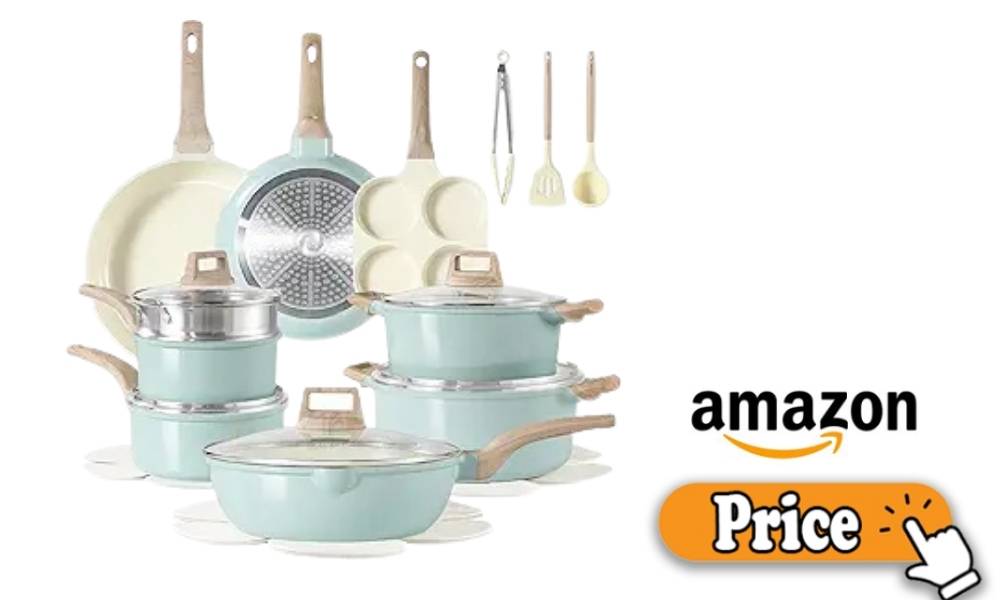
Ceramic makes sense here. It avoids PTFE and PFAS concerns and fits a low-oil cooking style. Expect to replace ceramic more often. When it starts sticking, swap it out.
The Serious Home Chef
Buy Tri-Ply Stainless Steel. You’ll get restaurant-level sears, dependable pan sauces, and cookware that lasts decades. It’s an upfront investment that pays off over time.

The Busy Parent
A mid-range Non-Stick balances durability and ease. It lets you make grilled cheese, pancakes, and eggs without a long cleanup routine. Look for scratch-resistant coatings and oven-safe handles.
Frequently Asked Questions
Is ceramic safer than non-stick in 2026?
Both are safe when used correctly. Ceramic avoids PTFE and PFAS, which is why it’s marketed as “safer.” Modern PTFE is considered safe below 260°C. Choose based on cooking style and how often you want to replace pans.
Can you use metal utensils?
No for ceramic and non-stick—metal will scratch them. Yes for stainless steel. Metal utensils are a big perk with steel pans.
How do I know it’s time to replace my pan?
Replace a pan if you see visible peeling, deep scratches, or if food sticks despite using oil and correct heat. For ceramic and non-stick, losing slickness is the usual end-of-life. For stainless, serious warping or deep pitting are signs it’s time.
Quick Buyer Checklist (Short and Practical)
- Think about what you cook most. Eggs and fish = non-stick. Steaks and sauces = stainless.
- Check oven rating on handles before buying.
- Look for tri-ply or multi-ply construction for even heat.
- Avoid stacking pans directly—use protectors.
- Hand wash ceramic and non-stick to extend life.
How to Test a Pan at Home Before You Buy (If You Can)
If you can inspect a pan in person, do these quick checks:
- Feel the weight. Too light = poor heat retention. Too heavy = awkward handling.
- Look at the base. It should be flat for proper contact with the burner.
- Check handle attachment. Riveted handles are more durable than welded or screwed ones.
- Read the temperature and oven-safe labels. Confirm handle materials.
Buying cookware doesn’t need to be confusing. Ask: What do I cook? How long do I want this to last? How much work am I willing to put into learning heat control? Answer those, and the right pan becomes obvious.
If you want, tell me what you cook most often and your budget. I’ll recommend specific pan types and a short shopping list tailored to your needs.