
BK Dutch Oven vs Le Creuset: Is the €200 Price Difference Worth It?

I stared at the price tags in total shock. Why does one pot cost so much more than the other? I’ve cooked with both for years to get to the real truth. In this BK Dutch oven vs Le Creuset comparison, I’ll show what matters: build, performance, durability, and whether the famous brand is worth the extra cash.
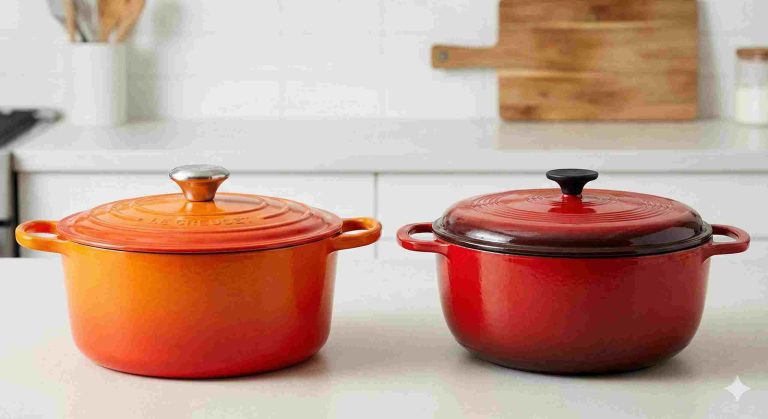
On the surface these pots look almost the same. Both are heavy, colorful, and promise perfect stews. Yet the Bk dutch oven vs le creuset price gap can be huge—sometimes nearly €200. That’s a lot for a home cook. You earn that money. You don’t want to waste it. So which is the smart buy: the premium French classic or the budget-friendly BK?
Quick Answer: When comparing BK Dutch oven vs Le Creuset, cooking results are very similar. Le Creuset is better for a lifetime of use thanks to stronger enamel and tighter quality control. BK gives more value for a tighter budget.
Brand Background & Manufacturing
Trust matters with cookware. You want to know who makes your pot and where it comes from. This helps explain the price difference.
BK Cookware is a Dutch brand with deep roots in the Netherlands. Their Bourgogne line focuses on value. It gives solid performance at a low price. To keep costs down, many BK pots are manufactured in China. That’s common in the industry and it helps BK hit a lower price point.
Le Creuset Dutch ovens are made in France, at their Fresnoy‑le‑Grand foundry, where they have produced enameled cast iron since 1925. They control every step: casting, enameling, finishing, and quality checks. That control drives up cost but also raises consistency and finish quality.
Quick Insight: BK cookware is designed in the Netherlands but largely produced in China to reduce cost. Le Creuset Dutch ovens are manufactured in France under strict quality control, which raises price but improves finish and consistency.
Material & Construction
Now the technical side. Both pots share the same key material: cast iron. That is why both hold heat so well. But the real differences start with the enamel coating and finishing details.
Le Creuset Dutch ovens use a premium, multi‑layer porcelain enamel. It is applied carefully and polished to a smooth, glassy finish. BK Bourgogne uses a standard enamel that works fine, but it feels different—less glossy and a touch coarser.
Here’s a clear look at the main specs and what they mean for you.
| Feature | BK Bourgogne | Le Creuset Signature |
| Base Material | Cast iron | Cast iron |
| Enamel Type | Standard light enamel | Premium multi-layer enamel |
| Rim Finish | Often raw / uncoated | Fully enameled |
| Weight | Slightly heavier | Slightly lighter |
The rim finish is useful to inspect. Le Creuset fully enamels the rim, leaving a smooth edge. BK often leaves the rim raw iron. That raw rim needs care—keep it dry to avoid rust.
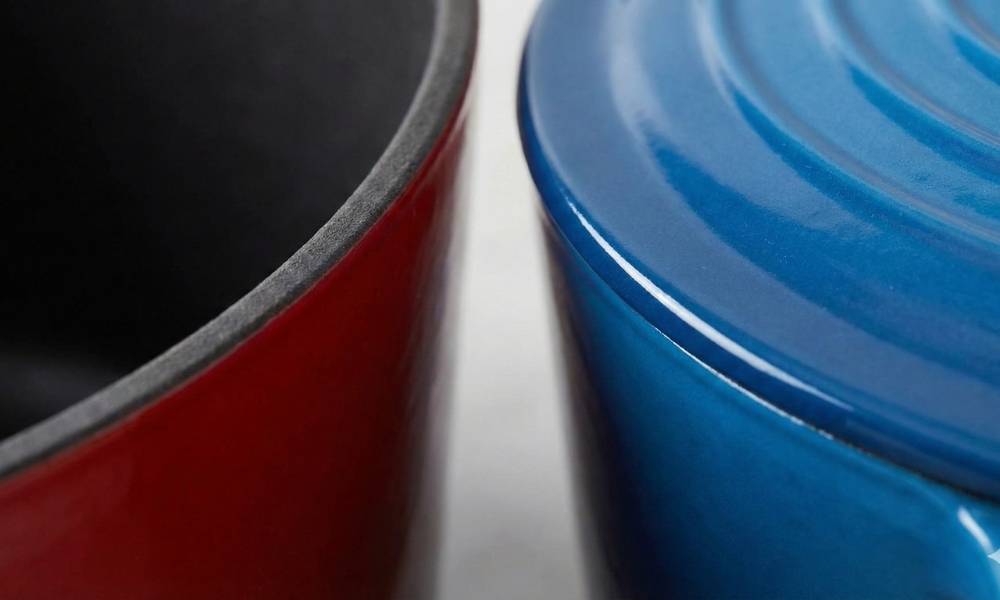
Weight matters for everyday use. Le Creuset tends to cast slightly thinner walls. That makes the pot lighter and easier to lift—handy when it’s full and hot. BK’s castings are a bit chunkier, which adds weight but also a feeling of solidity.
Quick Insight: In a BK Dutch oven review you’ll often see a raw rim that needs drying to avoid rust. Le Creuset Dutch ovens have a sealed rim and generally lighter walls for easier handling.
Cooking Performance (Be Honest)
This is the practical question: will a €300 pot make a noticeably better stew than a €100 pot? From my tests and daily cooking the short answer is: no—at least not in taste. Both deliver excellent braises, soups, and roasts.
Both brands excel at heat retention and slow, even cooking. That’s the real advantage of enameled cast iron. Once hot, the pot holds steady temperature. That’s what you want for a low, steady braise.
Here’s how they compare in the kitchen.
| Performance | BK Bourgogne | Le Creuset Signature |
| Heat Retention | Excellent | Excellent |
| Heat Distribution | Good | Very Even |
| Lid Seal | Good fit | Very tight fit |
| Taste Test | No difference | No difference |
I’ve made soup in BK pots and roast beef in my Le Creuset. Family members couldn’t tell which pot I used. The meat was tender in both cases and sauces reduced beautifully. The heavy lids trap steam, and the iron walls radiate heat—physics, not brand, does most of the work.
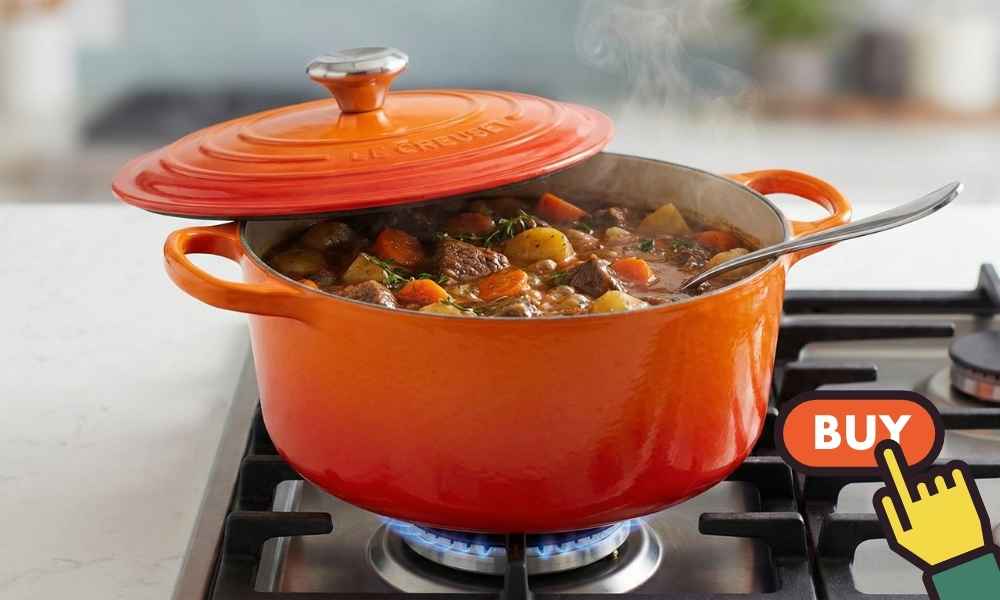
Quick Insight: In terms of taste, BK Dutch oven vs Le Creuset is essentially a tie. Heat retention is nearly identical. A professional might notice subtle differences in how heat spreads. Most home cooks will not.
Interior Enamel Durability
This is where the price premium shows up. The inner coating—the enamel—protects the cast iron and affects longevity, stain resistance, and cleaning.
Le Creuset Dutch ovens use a higher‑temperature fired porcelain enamel. It’s dense, glassy, and resists stains from tomato and wine. My Le Creuset still looks bright after a decade. It cleans easily and rarely shows grey spoon marks.
BK cookware uses a softer enamel. It performs well but shows wear sooner. After a year or two you may notice grey marks from metal utensils, and darker seasoning on the cooking surface. That doesn’t affect flavor, but it does change the look.
Think of the enamel like paint. One is high gloss and tough. The other is standard and serviceable. Both protect the iron, but one keeps looking new much longer.
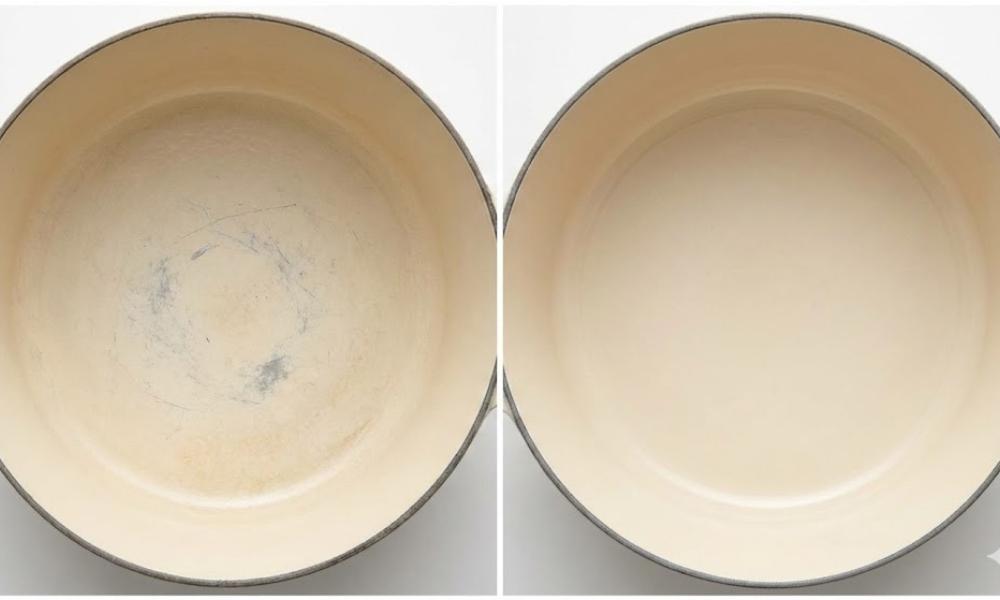
Quick Insight: Le Creuset Dutch ovens have superior enamel that resists stains and scratches for decades. BK cookware enamel is softer and will show wear—grey marks and staining—much sooner.
Design & Ergonomics
Cooking is physical. Lifting a full, hot pot matters. Design choices affect safety, comfort, and daily ease of use.
Le Creuset Dutch ovens are thoughtfully designed. Handles are wide, easy to grip, and roomy enough for thick oven mitts. The lid sits flat and stable. The weight feels balanced when you carry a full pot from stove to oven.
BK cookware is more utilitarian. Handles are solid but a bit smaller. The pot can feel clunky when full. The lid fits well but may move or slide slightly more than the Le Creuset lid.
Cleaning differs too. The smoother Le Creuset enamel wipes clean faster. BK’s surface can need more scrubbing after long roasts.
| Feature | BK Bourgogne | Le Creuset Signature |
| Handle Size | Small / Standard | Large & Loop Style |
| Pot Weight | Heavy / Chunky | Lighter / Balanced |
| Lid Fit | Standard | Tight & Stable |
| Cleaning Ease | Needs scrubbing | Wipes clean easily |
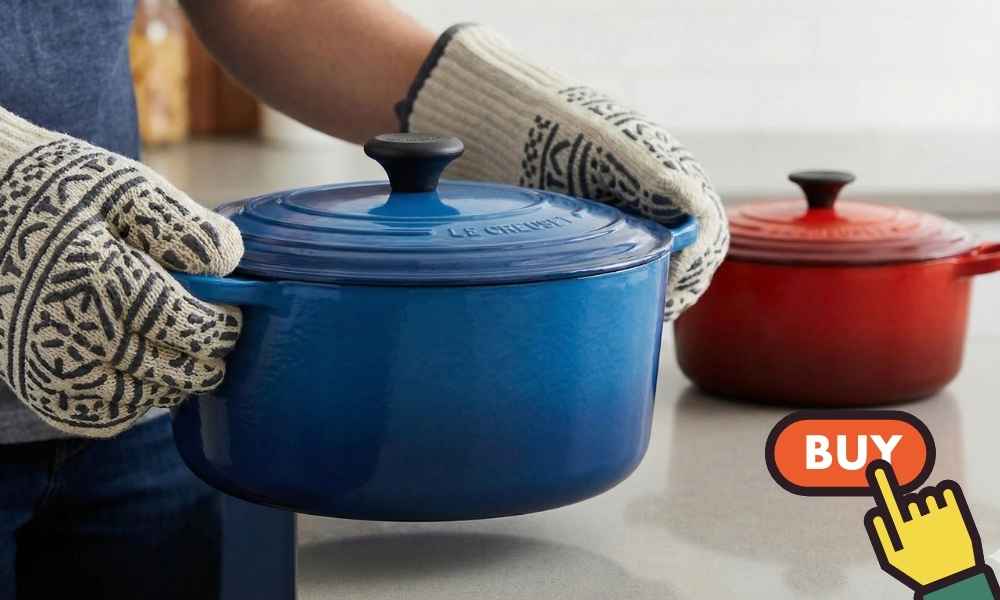
Quick Insight: Le Creuset Dutch ovens are easier to use daily due to larger handles, lighter feel, and a tighter lid. BK Dutch oven reviews often note BK is heavier and slightly harder to clean.
Warranty & Long-Term Value
A pot is an investment. The warranty and support tell you how long that investment will last. This is central to the BK Dutch oven vs Le Creuset price debate.
Le Creuset Dutch ovens come with a well-known lifetime warranty. It really matters. If a pot fails under normal use in certain ways, Le Creuset often replaces it. I’ve seen people get replacement pieces after decades. That kind of support lowers the long-term cost.
BK cookware has a standard warranty that covers manufacturing defects. It’s solid for early problems, but it’s less likely to replace items worn from normal use over many years. If enamel chips after several years, replacement is less likely under warranty.
Here’s the value you get for your money.
| Feature | BK Bourgogne | Le Creuset Signature |
| Warranty | Standard / Limited | Lifetime |
| Support | Basic | World-class |
| Chip Repair | Rarely covered | Often replaced |
| Lifespan | 10–15 Years | 50+ Years (Heirloom) |
Think long term. A Le Creuset can become an heirloom. A BK pot is a dependable workhorse for a decade or so. Both are valid choices depending on how long you want the pot to keep performing and looking new.
Quick Insight: Le Creuset Dutch ovens offer a clear “buy it for life” value with strong support. BK cookware is a great medium-term investment—but you may replace it after a decade.
Care & Maintenance
How you care for your Dutch oven affects its lifespan. Good care reduces staining, chipping, and rust risk. Below are simple, practical tips I’ve used over years of cooking.
- Use wooden or silicone utensils to reduce scratches on BK and to protect Le Creuset enamel.
- Never thermal shock: don’t move a hot pot directly into cold water. Let it cool.
- Dry the rim on BK pots after washing to prevent surface rust on raw edges.
- For stubborn food, soak in warm water with a mild detergent. Avoid harsh scrubbing pads on enamel.
- Le Creuset cleans easier, but both benefit from occasional baking soda paste to lift stains.
- Avoid stacking heavy items on top of enameled lids to prevent chipping.
These steps add only minutes to your routine and can extend a pot’s usable life by years.
Size, Color & Stove Compatibility
Choosing the right size and color matters for daily use and kitchen fit. Both BK and Le Creuset offer multiple sizes and color lines. Common sizes are 20–28 cm (or 3–7.5 L), which suit single cooks and families.
Both brands work on gas, electric, ceramic, and induction stoves. They’re oven safe at high temperatures—great for recipes that move from stovetop to oven. Le Creuset often has a wider color palette and limited‑edition shades, which appeals if you like matching your cookware to your kitchen.
Where to Buy & Authenticity
Buy from reputable retailers to avoid knockoffs. Official brand stores, authorized dealers, and well-known department stores offer genuine products and proper warranty coverage. If you find a steep discount from an unknown seller, check serial numbers and packaging details before you buy.
Le Creuset pieces often include a batch number and clear branding. BK items should come with clear labels showing model and origin. Keep your receipt—warranty service often requires proof of purchase.
Price vs Value Analysis
Let’s talk money. The price gap is the toughest part of the decision. It’s hard to justify the extra cash unless you value longevity and finish.
You can find a BK Dutch oven for around €90–€120. That makes it very accessible. It cooks well and gives you full cast‑iron performance with a small upfront cost.
Le Creuset Dutch ovens generally sell for €200–€300 or more. You pay for the French factory work, the premium enamel, and the brand’s warranty and support.
Here’s a buyer guide that sums up who should pick which pot.
| Brand | Price Range | Best For… | Value Score |
| BK Bourgogne | €90 – €120 | First homes & Budgets | High (Short-term) |
| Le Creuset | €200 – €300+ | Avid cooks & Gifts | High (Lifetime) |
Where is the value? It depends on your goals.
- The Budget Pick: If you’re new to cast iron or on a tight budget, buy BK. It’s low risk and performs well.
- The Forever Pick: If you cook daily and want a pot that stays beautiful and supported for decades, buy Le Creuset. The higher initial cost spreads out over many years.

Quick Insight: In the BK Dutch oven vs Le Creuset price battle, BK wins on upfront cost. Le Creuset wins on long-term value because you only buy it once.
Price Tips & Alternatives
If the price difference worries you, here are practical tips to save money and alternatives to consider.
- Watch for sales around holidays and end‑of‑season clearances—Le Creuset sometimes drops prices at authorized stores.
- Consider refurbished or factory seconds from official outlets for lower prices with some warranty coverage.
- Look at other reputable brands—Staub, Chasseur, and Lodge offer solid enameled cast iron at different price points.
- Buy the right size: smaller pots are cheaper and often all you need for two to four people.
These tactics can help you get premium finish or save money while still getting reliable cast‑iron performance.
Pros & Cons
Need the short version? Here’s a clear cheat sheet to help you decide quickly. This summarizes my BK Dutch oven review versus the French classic.
BK Dutch Oven (The Smart Value)
Pros:
- Great Price: Very affordable for enameled cast iron.
- Good Food: Cooks stews, soups, and braises well.
- Easy Start: A perfect first pot for new cooks.
- Low Risk: Less heartache if it gets knocked or chipped.
Cons:
- Weaker Enamel: Shows scratches and stains sooner.
- Rough Rim: The uncoated edge can rust if not dried.
- Basic Finish: Heavier feel and less refined ergonomics.
Le Creuset (The Premium Choice)
Pros:
- Tough Enamel: Resists scratches and staining for decades.
- Perfect Finish: Smooth, easy to clean, and attractive.
- Lifetime Promise: Solid warranty and excellent customer support.
- Lighter: Easier to lift and handle in the kitchen.
Cons:
- High Cost: The upfront price is significant.
- Same Taste: The cooking results match other quality enameled cast iron—taste is not uniquely better.
Quick Insight: BK cookware gives you roughly 90% of the performance for about 30% of the price. Le Creuset Dutch ovens give you the last 10% of finish and lifetime durability that justify the higher cost for many cooks.
Final Verdict
We’ve looked at specs, cooking tests, durability, and cost. There’s no clear loser in the BK Dutch oven vs Le Creuset match—both make delicious food. The choice comes down to what you value more: upfront savings or long-term finish and warranty.
Buy the BK Dutch oven if:
You want solid performance on a budget. BK is a dependable, no‑frills workhorse. It saves you money for better ingredients and gives you the full cast‑iron experience at a low risk.
Buy the Le Creuset if:
You want a forever pot. If you dislike scrubbing, love a flawless finish, and want a piece to pass down, Le Creuset earns its price over time. The higher cost stings once, but the pot can last decades and remain beautiful.



One Comment