
Dutch Oven vs Stainless Steel Pan: Which One Do You Actually Need?

I once ruined a great meal by grabbing the wrong pan. I still remember the taste—dry, overcooked, and a little sad. Kitchens are full of choices. You see a heavy, pretty pot and a shiny pan. You ask, how does a Dutch differ from regular stainless steel pans? That is a smart question. It matters for how your food turns out.
Both tools are essential. But they are not the same. They do different jobs. One shines at slow, gentle cooking. The other excels at fast, high-heat work. Knowing the difference will change how you cook. I’ll walk you through it clearly, with tips from my own kitchen experiments.
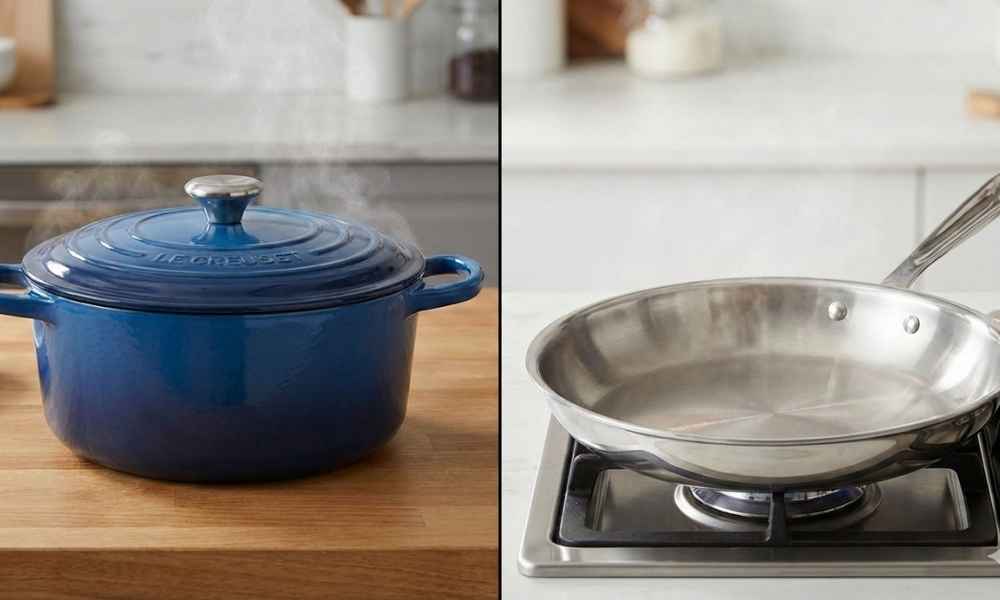
What Is a Dutch Oven?
So, what is a Dutch oven exactly? It is a heavy pot with thick walls. Most are cast iron. Many have an enamel coating. It comes with a tight, heavy lid. The design holds heat and moisture. The pot keeps food warm for a long time. The lid traps steam and sends it back to the food. That keeps meat juicy and textures tender.
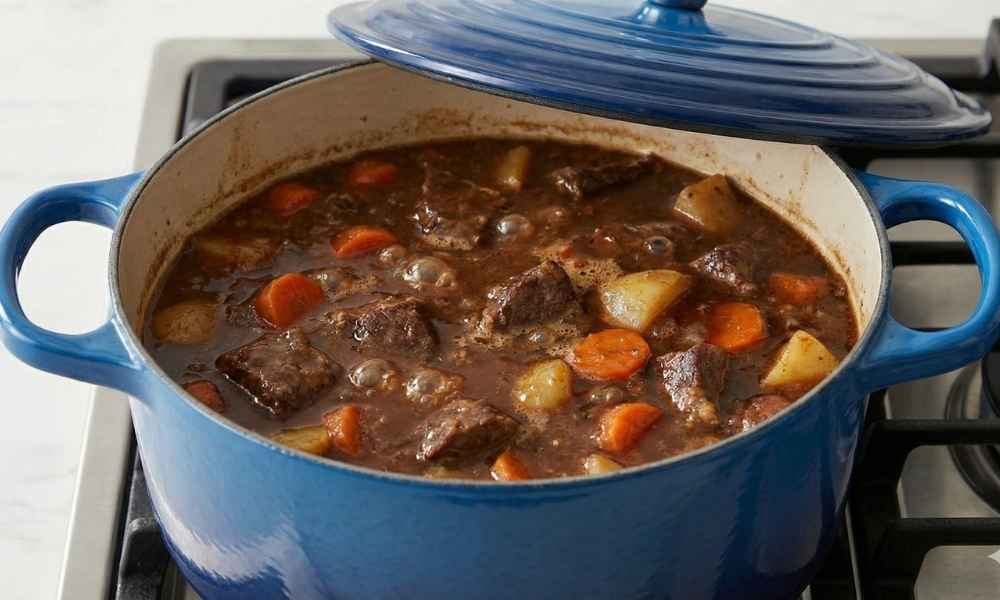
A Dutch oven is perfect for slow cooking. Make stews, braises, and soups in it. You can also bake crusty no-knead bread inside one. Think of it as your slow-cooking workhorse. It is also a great serving dish because it looks nice on the table.
You can also read ; BK Dutch Oven vs Le Creuset
What Is a Regular Stainless Steel Pan?
Now, let’s talk about the regular stainless steel pan. It is lighter than a Dutch oven. It is made of stainless steel. Often it has a metal core like aluminum or copper for better heat spread. It has no enamel coating. This pan is built for speed. It heats fast and responds fast. That gives you tight control over the temperature.
Use it for frying, sautéing, and searing. It’s the best tool when you need high heat or a good crust on meat. It’s also great for boiling, reducing sauces, and deglazing to lift fond (the browned bits) into a sauce.

Key Differences at a Glance
Need a quick answer? Here is a simple chart. It shows the main differences side by side. This helps you spot exactly what you need fast.
| Feature | Dutch Oven | Stainless Steel Pan |
| Material | Cast iron (often enamel-coated) | Stainless steel (often tri-ply or multi-clad) |
| Weight | Very heavy | Relatively light |
| Lid | Tight-fitting, heavy | Optional or loose |
| Heat Retention | Excellent (high thermal mass) | Moderate |
| Heat Response | Slow to change | Fast and responsive |
| Best For | Slow cooking, braising, baking | High-heat searing, sautéing, sauces |
Cooking Performance Differences
How they behave on the stove is the main difference. A Dutch oven heats slowly. It stores heat like a thermal battery. It gives a steady, even temperature. That steadiness prevents hot spots. It is perfect for recipes that need hours to soften and develop flavor. Think braises and long-simmered soups. The pot acts like a cozy blanket for your food.
A stainless steel pan heats fast. It cools fast too. This responsiveness gives you precise control. You can sear a steak at high heat. Then lower the flame to finish a sauce. Stainless steel is great when you need quick changes in temperature. It also helps you develop fond to build flavor when deglazing.
Moisture & Lid Design
A Dutch oven’s heavy lid is more than a cover. It traps steam tightly. The steam condenses on the lid. Then it drips back down. This self-basting keeps food moist. It saves you from constant basting or adding water. That matters for tougher cuts of meat. The pot turns them tender without drying them out.
Stainless steel pans often have loose or no lids. Steam escapes quickly. That helps when you want to reduce liquid and thicken sauces. For slow, moist cooking, a stainless pan will lose moisture faster. You would need to add liquid or finish the dish in the oven or a covered pot.
Ease of Use & Learning Curve
A Dutch oven is forgiving. The thick walls steady the heat for you. You don’t need to tweak the stove all the time. This makes it friendly for new cooks. The downside is weight. A full Dutch oven can be heavy and awkward to move.
Stainless steel needs more attention. Food can stick if the pan is not hot enough or if you use too little fat. You must watch the heat and timing. But these pans are light and easy to handle. You can flip or toss food with ease once you get the hang of it.
Cleaning & Maintenance
Cleaning a Dutch oven is usually simple. Enamel surfaces wipe clean well. But you must be gentle. Abrasive pads can scratch the enamel. Hand-washing is often recommended. Also, lifting a heavy, filled pot in the sink is a bit of work. Treat it like a prized piece of cookware.
Stainless steel is tough. Many pieces are dishwasher-safe. They can show water spots or rainbow discoloration. Those marks are cosmetic and removable. You can scrub stainless hard without fear. That makes it a low-maintenance daily pan.
Durability & Longevity
A well-made Dutch oven can last generations. Many families pass them down. Cast iron is nearly indestructible. The main risk is chipping enamel. Avoid dropping or hitting the pot on hard surfaces.
Stainless steel pans are also durable. They resist cracking and chipping. They handle high heat without damage. With care, a good stainless skillet will last for many years, even with regular use.
Which One Should You Choose?
So, which one is right for you? It depends on what you cook and how you like to cook.
Choose a Dutch oven if:
- You love soups, stews, and braises.
- You cook slow meals in large batches.
- You want a pot that looks good on the table.
Choose a stainless steel pan if:
- You need to get dinner on the table fast.
- You like searing steaks or sautéing vegetables.
- You want lighter cookware that is easy to handle and clean.
Here is the honest truth. Most kitchens benefit from having both. They each cover different needs. I use them both every week.
You can also read : BK Cookware for Home Cooks vs Professionals
Can You Use Both Together?
They work really well as a team. You can start a dish in a stainless pan. Sear the meat to get a caramelized crust. Then transfer it to a large Dutch oven to finish low and slow. This method combines the strengths of both. The result is deep flavor and tender meat. I do this for pot roasts and ragù all the time.

Final Verdict
Is one better than the other? Not really. They do different jobs. A Dutch oven rules slow, moist cooking. It keeps food tender and full of flavor. A stainless steel pan is built for speed and high heat. It is ideal for quick weeknight dinners and searing. Neither wins every time. Pick the right tool for the task. Use the pot for patience. Use the pan for speed.
Common Answer For Dutch Oven vs Stainless Steel Pan
Is a Dutch oven better than stainless steel?
No, it is not better. It is different. A Dutch oven is best for slow, moist cooking. Stainless steel is better for fast, high heat. Pick the tool that fits the meal.
Can I replace a Dutch oven with a stainless steel pan?
Not really. A stainless pan cannot hold heat the same way. It also lacks a heavy lid to trap steam. Slow-cooking in a stainless pan often dries food out. You might lose depth and tenderness.
Do professional chefs use Dutch ovens?
Yes, chefs use them a lot. They are staples for braising and long-simmered stocks. You’ll see them in many professional kitchens. They are valued for consistent, deep flavor development.
Is a Dutch oven worth buying?
Yes. A quality Dutch oven is an investment. It will last for decades. It opens up new dishes, like no-knead bread and slow braises. For many cooks, it pays for itself in versatility.
Which is better for beginners?
Start with a stainless pan if you cook fast, daily meals. It’s forgiving for simple recipes. Buy a Dutch oven when you want to expand into roasts, stews, and baking.
Materials and Construction: Why It Matters
Cast iron provides thermal mass. That means it stores heat well. Enamel adds a non-reactive surface. That is useful when you cook acidic foods like tomato sauces. Stainless steel cookware is often multi-clad or tri-ply. That construction sandwiches an aluminum or copper core between layers of steel. The core improves heat distribution. It helps avoid hot spots and gives a faster response to heat changes.
Induction and Oven Compatibility
Most cast-iron Dutch ovens work on induction stoves and in ovens. They handle very high temperatures. Many stainless steel pans are also oven-safe. Check manufacturer limits for temperature. If you need induction-ready cookware, look for magnetic stainless or cast iron. This expands your cooking options.
Common Cooking Techniques and Which Pan to Use
- Searing: Stainless steel pan for a fast, brown crust.
- Braising: Dutch oven for slow, tender results.
- Making sauce: Stainless steel to reduce and finish.
- Baking bread: Dutch oven for even heat and steam retention.
Practical Tips: Using Each Pan Well
Here are short, practical tips I use in my kitchen:
- Preheat a stainless pan before adding oil. This reduces sticking.
- Don’t take a cold Dutch oven and put it on high heat. Heat it slowly to avoid stressing the enamel.
- For stuck-on bits in a Dutch oven, soak with warm water and baking soda. Use a wooden spoon to release residues.
- To get great fond in a stainless pan, don’t overcrowd. Brown in batches.
Buying Guide: What to Look For
If you are shopping, consider these points:
- Size: A 5–7 quart Dutch oven is versatile for families and batches.
- Weight: Heavier often means better heat retention, but consider handling.
- Construction: For stainless, look for tri-ply or multi-clad for even heat.
- Finish: Enamel prevents seasoning needs but can chip; bare cast iron requires seasoning but is nearly indestructible.
- Oven and induction compatibility: Check specs before buying.
Care Tips: Extend the Life of Your Cookware
A few small habits will keep your pans working well for years:
- Avoid sudden temperature shocks (cold water on a hot Dutch oven).
- Hand-wash enameled cookware to protect the finish.
- Polish stainless steel with a paste of vinegar and baking soda for shine.
- Use wooden or silicone tools on enamel to avoid scratches.
These steps protect your investment and keep flavors clean and bright.
Final Notes — My Take
I keep both in my kitchen. I use a stainless pan on weeknights for speed. I bring out the Dutch oven on weekends or when I want to feed a crowd. Both tools make better food when used as they were meant to be used. Learn their strengths, and your meals will improve. That’s the simple truth from my time in the kitchen.




2 Comments