How To Identify Induction Cookware: Easy Buying Tips

Induction cookware has a magnetic base that heats efficiently on induction cooktops.
If you have ever stood in the kitchen wondering why one pan works and another just sits there cold, you are not alone. Knowing how to identify induction cookware saves time, money, and a lot of cooking frustration. I have tested plenty of pots and pans over the years, and the trick is usually simpler than people think once you know what to look for.
What Induction Cookware Actually Means
Induction cookware is made to work with induction cooktops, which use a magnetic field to create heat. That means the pan itself must be magnetic, at least on the bottom. If the cookware is not magnetic, the burner will not heat it.
In plain terms, induction cookware acts like a partner to the cooktop. The stove does not heat the air around the pan the way gas or electric coils do. Instead, it transfers energy straight into the pan base.
This is why induction cookware often feels more responsive. It heats fast, cools fast, and gives you better control. But the real key is the material and the base design.
How to Identify Induction Cookware at a Glance
The easiest way to identify induction cookware is to check whether a magnet sticks to the bottom. If it does, the pan will usually work on induction. That is the fastest and most reliable home test.
Here are the main signs to look for:
- A magnetic base that attracts a magnet
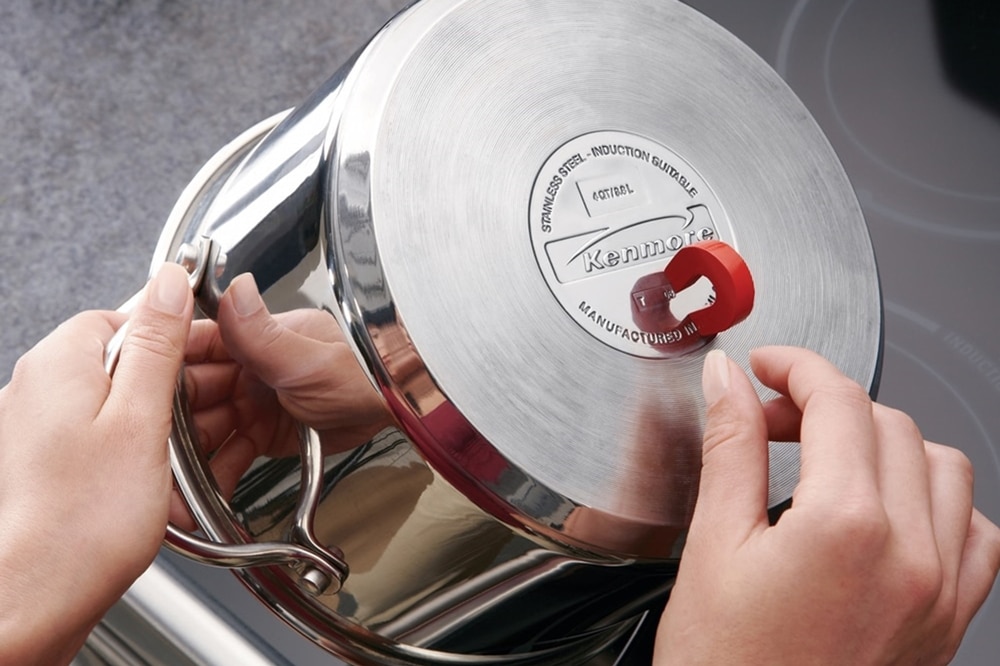
- An induction symbol on the packaging or bottom
- Stainless steel or cast iron construction
- A flat, sturdy bottom that sits evenly on the cooktop
- Product labels that say “induction compatible” or “suitable for induction”
I have made the mistake of trusting looks alone. A sleek pan can look high-end and still fail the magnet test. That is why the magnet check matters so much.

The Magnet Test: The Simplest Way to Check
The magnet test is the most practical way to identify induction cookware. Just take a fridge magnet and place it on the bottom of the pan. If it sticks firmly, the cookware is likely induction-ready.
A weak attraction can still work, but strong contact is better. If the magnet slides off or barely clings, the pan may not work well, or it may heat unevenly.
Here is how to do the test correctly:
- Place the pan on a flat surface.
- Use a small, strong magnet.
- Check the center of the base, not just the side.
- Move the magnet across the bottom to see if the pull stays consistent.
- Repeat on lids or handles only if needed, but remember the base is what matters most.
One thing I learned from testing pans in real kitchens is that some cookware has magnetic stainless steel on the outside but poor heat response inside. So yes, the magnet test is important, but it is not the only clue.
Look for Induction Symbols and Product Labels
Many cookware brands make identification easier by printing an induction symbol on the package or bottom of the pan. This symbol usually looks like a coil or a row of loops. It often means the pan is built for induction cooking.
You may also see phrases such as:
- Induction compatible
- Induction ready
- Suitable for all cooktops
- Works on induction
- Magnetic base
These labels are useful, but I still recommend checking with a magnet if the label is unclear. Product packaging can be vague, especially with older cookware or secondhand pieces.
A good habit is to keep the model number handy and look it up if the label is missing. That small step can save you from buying the wrong set.
Best Materials for Induction Cookware
Not all cookware materials work on induction. The main rule is simple: the pan must be magnetic. That usually means one of these materials or combinations:
- Cast iron
- Enameled cast iron
- Magnetic stainless steel
- Some tri-ply or multi-ply stainless steel pans with a magnetic layer
- Certain carbon steel pans
Materials that usually do not work unless they have a special magnetic base include:
- Aluminum
- Copper
- Glass
- Ceramic
That said, many aluminum or copper pans are sold with an induction-compatible disc on the bottom. I have used a few of those, and they can work well if the disc is flat and well attached. Still, full magnetic cookware usually gives more reliable results.
Why Flat Bottoms Matter
Even if a pan is magnetic, it should also have a flat bottom. Induction cooktops need good contact to transfer heat evenly. A warped or rounded base can reduce performance.
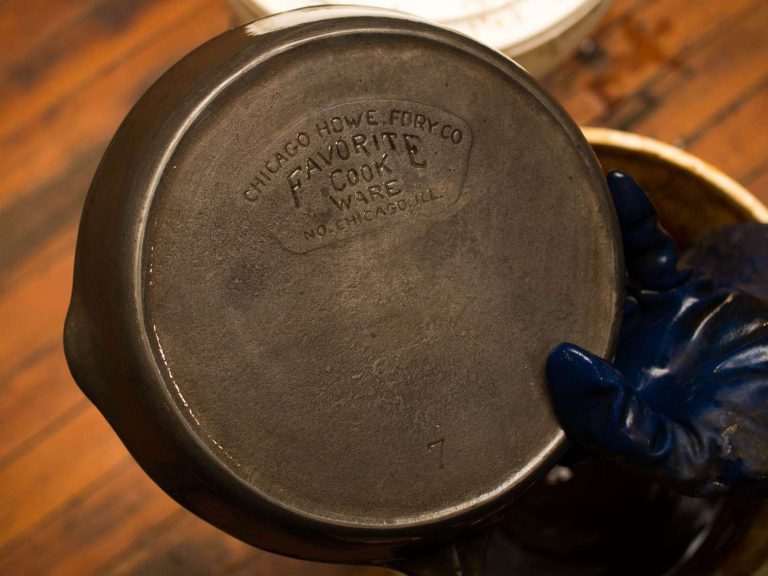
This is especially important for older pans. A cast iron skillet may be perfectly magnetic, but if the base is uneven, it may wobble or heat poorly. I have seen this happen with heavy cookware that has been overheated over time.
Look for these signs of a good induction base:
- Flat and even bottom
- No wobble when placed on a counter
- Thick base for better heat distribution
- No major dents or bends
A pan does not need to be perfect, but it should sit steady. Think of it like shoes on a smooth floor. If the fit is off, the whole experience feels awkward.
Reading Cookware Marketing Without Getting Fooled
Cookware ads can be confusing. Some products say “works on all stovetops,” but that does not always mean truly induction-ready. Sometimes the claim is valid, and sometimes it is just broad marketing language.
To avoid confusion, check for specific details like:
- Stainless steel grade
- Magnetic base description
- Cooktop compatibility chart
- Model-specific use instructions
- Explicit induction mention
If a product page is light on details, that is a small warning sign. A reputable brand usually explains exactly how the cookware performs. Clear information builds trust, and that matters when you are spending real money.
How to Tell If Stainless Steel Is Induction-Compatible
Stainless steel is one of the trickiest materials because not all stainless steel is magnetic. Some stainless steel cookware works great on induction, while other pieces do not work at all.
A few ways to tell:
- Use the magnet test on the base
- Check whether the pan is listed as induction compatible
- Look for multi-ply construction with a magnetic outer layer
- Test whether the pan heats evenly on an induction cooktop
In my experience, quality stainless steel pans usually give better results than cheap, thin ones. The cheaper ones can have weak magnetic layers and may heat unevenly. The pan may still work, but it may not cook as smoothly.
Cast Iron and Enamel-Coated Cookware
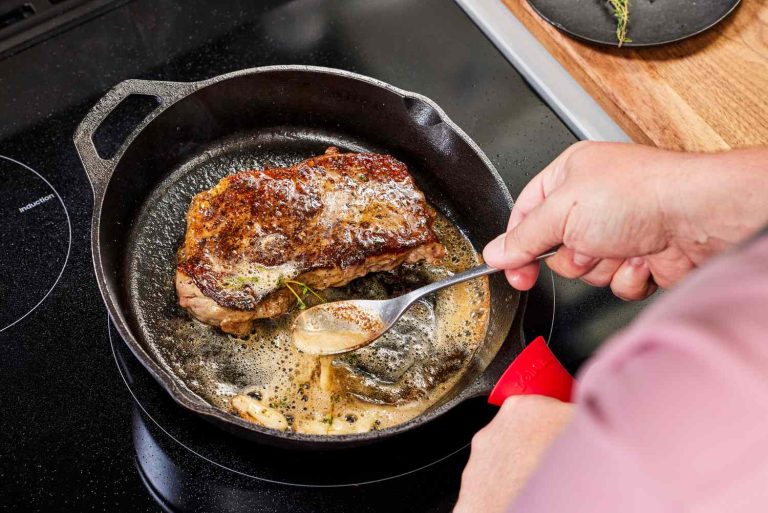
Cast iron is usually one of the easiest cookware types to identify for induction. It is naturally magnetic, so it almost always works. That makes it a favorite for searing, frying, and slow cooking.
Enameled cast iron also works well because the base remains magnetic. Just make sure the bottom is clean and flat. Heavy cookware can scratch glass induction surfaces, so lift it instead of dragging it.
Helpful tips for cast iron on induction:
- Use low to medium heat first
- Let the pan warm gradually
- Avoid sliding it across the cooktop
- Keep the bottom smooth and clean
Cast iron is powerful, but it needs a gentle touch. Treat it like a heavy tool, not a delicate spoon.
Common Mistakes When Identifying Induction Cookware
People often make a few simple mistakes when trying to identify induction cookware. These mistakes are easy to avoid once you know them.
Common errors include:
- Checking the handle instead of the base
- Trusting the appearance of the pan
- Assuming all stainless steel works
- Forgetting that aluminum needs a magnetic base
- Ignoring the flatness of the bottom
- Relying only on packaging without testing
I once assumed a modern-looking sauté pan would work because it felt premium and heavy. It looked perfect, but the magnet barely stuck. That was a good reminder that performance matters more than style.
Practical Ways to Test Cookware at Home
If you want to verify a pan beyond the magnet test, there are a few simple checks you can do at home. These help confirm whether the cookware is truly right for induction.
Try these steps:
- Place the pan on the induction burner.
- Turn the heat on at a low setting.
- Watch for a response within a few seconds.
- Check whether the pan warms evenly.
- Listen for any buzzing or clicking, which can happen with some pans.
If the cooktop does not detect the pan, it may be too small, too light, or not magnetic enough. Most induction cooktops have a minimum pan-size requirement too. That is why the right base matters as much as the right material.
Why Some “Induction Ready” Pans Still Underperform
Not every induction-compatible pan performs well. Some technically work, but the cooking experience is weak. That can happen because of thin metal, poor base construction, or uneven magnetic layers.
Poor performance may show up as:
- Slow heating
- Hot spots
- Warped base
- Loud buzzing on the cooktop
- Poor temperature control
This is where quality really counts. A pan can pass the magnet test and still disappoint in daily use. Good induction cookware should not just work; it should cook well.
Benefits of Using the Right Induction Cookware
When you choose the right induction cookware, the difference is noticeable. Cooking becomes faster, cleaner, and more controlled. That makes a real difference on busy weeknights.
Main benefits include:
- Faster heat-up time
- Better energy efficiency
- More precise temperature control
- Cooler kitchen environment
- Easier cleanup in many cases
- Safer cooking because the cooktop surface stays cooler than gas flames or coils
From a real-life perspective, I find induction cookware especially helpful for sauces, soups, and anything that needs fast temperature changes. It feels a bit like driving a car with responsive steering. The control is there the moment you need it.
What to Buy If You Want to Be Safe
If you are shopping for induction cookware and want the safest choice, go with products that clearly state induction compatibility and pass the magnet test. Look for trusted brands with strong product details and a flat, heavy base.
A smart shopping checklist:
- Induction symbol on the product
- Magnet sticks firmly to the bottom
- Flat and stable base
- Clear cooktop compatibility
- Good customer reviews mentioning induction use
- Durable construction, especially stainless steel or cast iron
When in doubt, choose cookware that is designed for multiple cooktops. That often gives you more flexibility if you change stoves later.
Frequently Asked Questions of How to Identify Induction Cookware
How do I know if my cookware is induction-compatible?
The easiest way is to place a magnet on the bottom. If it sticks firmly, the cookware is likely induction-compatible. You can also check for an induction symbol or a label that says “induction ready.”
Does stainless steel always work on induction?
No, not all stainless steel works on induction. Some stainless steel is magnetic and some is not, so the magnet test is the best way to check. Many good-quality stainless steel pans do work well.
Can aluminum cookware work on induction?
Yes, but only if it has a magnetic base or a built-in induction disc. Regular aluminum by itself will not work on an induction cooktop. Always check the label or use a magnet.
Why does my induction stove not detect my pan?
Your pan may be too small, not magnetic enough, or have a warped base. Some cooktops also require the pan to cover a minimum area. A quick magnet test and a check for flatness usually reveal the issue.
Is cast iron good for induction cooking?
Yes, cast iron is one of the best choices for induction. It is naturally magnetic and usually heats very well. Just be careful not to drag it across the cooktop surface.
What is the fastest way to identify induction cookware at home?
Use a magnet on the bottom of the pan. If it sticks well, that is the fastest and most reliable sign. For extra confidence, check the packaging or product listing too.
Conclusion
Knowing how to identify induction cookware is really about three things: magnetism, a flat base, and clear product labeling. Once you understand those signs, it becomes much easier to shop smart and avoid cookware that will not work for your stove.
If you are unsure, remember the simplest rule: test the bottom with a magnet first. That small habit can save you from a bad purchase and make cooking feel easier right away. Explore your cookware collection, test a few pieces today, and share what you find in the comments or with someone who is upgrading their kitchen.