How To Clean A Gas Cooktop: Easy Cleaning Tips

A clean gas cooktop cooks better, looks nicer, and is safer to use.
A gas cooktop is one of those kitchen tools that quietly does a lot of work every day, so it makes sense that grease, spills, and burnt-on food build up fast. If you want your burners to light easily, your flame to stay even, and your kitchen to feel cleaner overall, learning how to clean a gas cooktop the right way is worth it. I’ve cleaned plenty of stovetops over the years, and the biggest lesson is simple: a little regular care beats a big scrub later.
Why a Clean Gas Cooktop Matters
A gas cooktop does more than just hold pots and pans. It affects how evenly you cook, how quickly burners ignite, and how safe your kitchen feels. When food debris blocks burner ports or grease coats the surface, you may notice weak flames, uneven heating, or stubborn odors.
I’ve seen cooktops go from “just a little messy” to “why won’t this burner light?” in only a few weeks. That kind of buildup is common, especially in busy homes where dinner happens in a rush. Cleaning your gas cooktop regularly helps prevent that slide and keeps the whole setup working the way it should.
A clean cooktop also lasts longer. Grime can wear down finish materials, stain enamel, and make knobs and grates feel sticky. If you want your stove to look good and perform well, consistent care is the easiest path.
:max_bytes(150000):strip_icc()/cleaning-gas-burners-1900625-976df9789ca8452ca8250bf5fec73c6e.png)
What You Need Before You Start
Before you clean a gas cooktop, gather a few simple tools. Having everything ready makes the job faster and helps you avoid using the wrong product on the wrong surface. Most of what you need is probably already in your kitchen.
Here’s a basic cleaning kit:
• Soft microfiber cloths
• Nonabrasive sponge
• Warm water
• Dish soap
• Baking soda
• White vinegar
• Soft brush or old toothbrush
• Toothpick or needle for burner ports
• Dry towel
If your cooktop has stainless steel, glass, or enamel parts, check the manufacturer’s care instructions first. Different finishes react differently to cleaners, and I’ve learned the hard way that “all-purpose” does not always mean “safe for everything.”
How to Clean a Gas Cooktop Step by Step
Cleaning a gas cooktop is easier when you break it into small steps. Think of it like cleaning a recipe station after cooking: remove the big pieces first, then work on the details. That order keeps you from spreading grease around or forcing debris deeper into small parts.
1. Let the Cooktop Cool Completely
Always start with a cool cooktop. This sounds obvious, but it is one of the most important safety steps. Warm grates and burner caps can hold heat longer than you expect.
Never spray cold cleaner onto a hot surface. Sudden temperature changes can damage some finishes, especially glass and enamel. Give the cooktop enough time to cool fully before you touch anything.
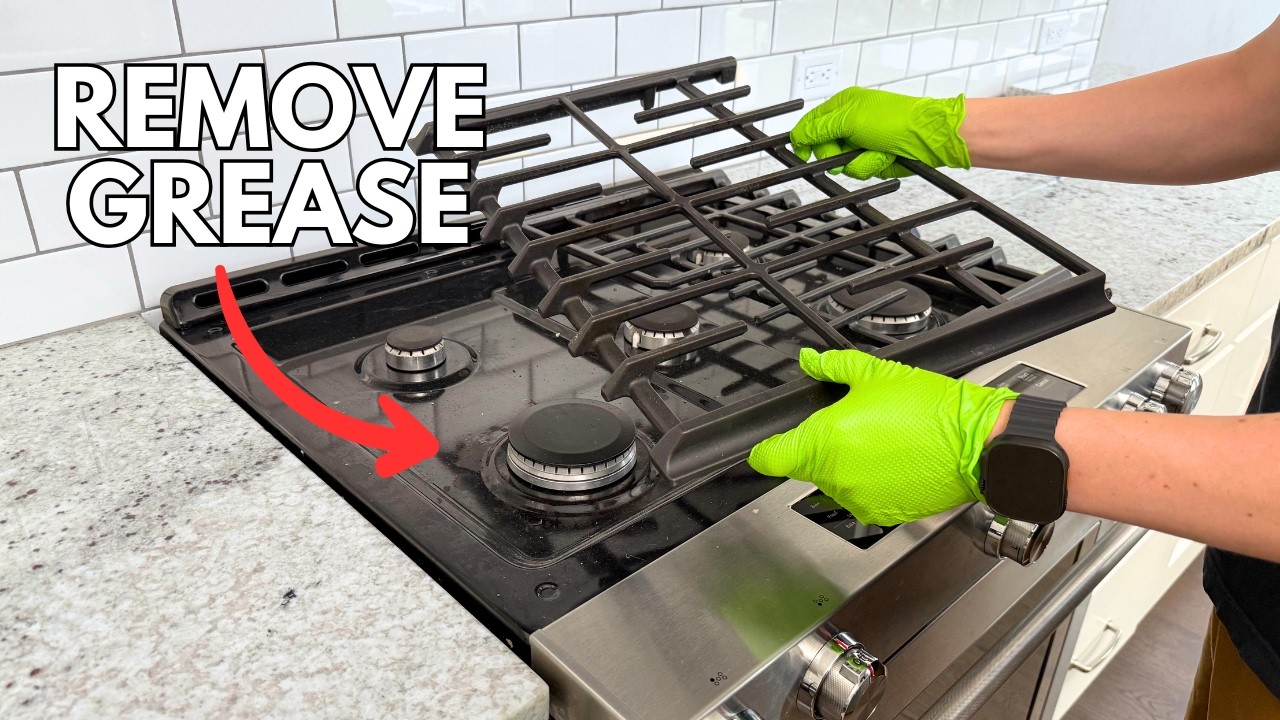
2. Remove the Grates, Burner Caps, and Burner Heads
Take off the grates first, then remove the burner caps and any removable burner heads. Place them on a towel or in the sink so they do not get scratched. If the pieces are greasy, they may slide easily, so handle them carefully.
I like to keep each burner’s parts together so reassembly is simple. That small habit saves time and prevents mixing up caps that fit better on certain burners. It also helps preserve the original flame pattern.
3. Wipe Away Loose Crumbs and Spills
Use a dry cloth or soft brush to remove loose debris from the cooktop surface. This keeps crumbs from turning into paste once you add water. Focus on the area around the burners, control panel, and edges where spills often hide.
If there are dried bits of food, lift them gently instead of scraping hard. A wooden or plastic edge can help with stubborn spots, but avoid anything metal that could scratch the surface. On my own stove, this step usually makes the rest of the cleaning much faster.
4. Clean the Surface with Warm Soapy Water
Mix warm water with a few drops of dish soap, then dip in a soft cloth or sponge. Wipe the cooktop surface in small sections. This method is gentle, effective, and safe for most gas stove tops.
For greasy spots, let the soapy cloth sit on the area for a minute before wiping again. That short pause helps break down oil without much effort. Dry the surface with a clean towel when you finish.
5. Tackle Burnt-On Stains with Baking Soda Paste
For stubborn cooked-on messes, make a paste with baking soda and a little water. Apply it to the stain and let it sit for 10 to 15 minutes. Then wipe it away with a damp cloth or soft sponge.
Baking soda works well because it gives mild scrubbing power without harsh abrasion. I use it often on old spill marks near burners where sauce has baked on more than once. If the stain is still there, repeat the process instead of scrubbing harder.
6. Clean the Burner Caps and Grates
Burner caps and grates usually hold the most grease. Wash them in warm soapy water in the sink, then scrub gently with a sponge or brush. If grease is heavy, soak them for 15 to 20 minutes first.
For cast-iron grates, dry them very well before putting them back. Water left behind can lead to rust, which is a headache nobody wants. If your grates are dishwasher-safe, follow the manufacturer’s instructions, but hand washing is often safer for preserving the finish.
7. Clear the Burner Ports Carefully
The burner ports are the small holes where gas comes out. If they are blocked by food or grease, the flame can become uneven or weak. Use a toothpick, needle, or soft brush to clear debris gently.
Do not enlarge the holes or push debris deeper inside. The goal is to remove blockage, not alter the burner. If a burner still performs poorly after cleaning, the issue may need professional attention.
8. Clean the Knobs and Front Panel
Knobs collect sticky grease because your hands touch them often. Remove them if they are designed to come off, then wash them in warm soapy water. Wipe the control panel with a damp cloth and dry it right away.
Be careful around electrical ignition parts and display areas if your cooktop has them. Use only a lightly damp cloth, not a dripping one. A small detail like this can protect the appliance from moisture damage.
9. Dry Everything Thoroughly
Before reassembling, make sure every part is fully dry. Moisture can cause rust, reduce ignition quality, or leave water spots. This is especially important for cast iron grates and burner areas.
I usually let the pieces air-dry for a few minutes, then finish with a towel. That extra step takes very little time and pays off in smoother ignition. Think of it as the final polish that makes the whole cleaning job last.
10. Reassemble and Test the Burners
Put the burner heads, caps, and grates back in place. Make sure everything sits level and fits properly. Misaligned parts can affect flame shape and cooking performance.
Light each burner briefly to check for a steady blue flame. If a burner flickers, sounds strange, or stays weak, turn it off and inspect it again. A properly cleaned cooktop should light easily and burn evenly.
Best Cleaning Methods for Different Cooktop Surfaces
Not every gas cooktop surface should be cleaned the same way. The right method depends on the finish, and using the wrong cleaner can leave marks or dull the surface. This is one area where a little caution saves a lot of regret.
Stainless Steel Gas Cooktops
Use warm soapy water or a cleaner made for stainless steel. Wipe with the grain to reduce streaks. Finish with a dry microfiber cloth for shine.
Avoid steel wool and rough scrub pads. They can leave fine scratches that show up under kitchen light. I’ve made that mistake before, and once those marks are there, they are hard to hide.
Enamel or Painted Surfaces
Use a soft cloth, mild soap, and gentle pressure. Enamel can chip if you scrape it or use harsh abrasives. For stuck-on food, let a damp cloth rest on the area before wiping.
Glass or Glass-Ceramic Surfaces
Use a nonabrasive cleaner approved for glass cooktops. Even though the burners sit on top, the surrounding glass can scratch easily. A plastic scraper may help with tough spots, but only if the manufacturer says it is safe.
What to Avoid When Cleaning a Gas Cooktop
Knowing what not to do is just as important as knowing what to do. Some cleaning habits can damage the cooktop or make it work poorly. A few careful choices now can prevent costly repairs later.
Avoid these common mistakes:
• Using bleach or strong ammonia on sensitive finishes
• Scrubbing with steel wool or rough pads
• Soaking igniters or electrical parts
• Reassembling parts while they are still wet
• Pouring water directly into burner openings
• Using sharp tools on burner ports
• Skipping the owner’s manual for care instructions
One mistake I see often is people trying to force a clogged burner back to life with too much water or hard scrubbing. That usually creates a bigger issue. Gentle cleaning works better and keeps the gas cooktop in good shape.
How Often Should You Clean a Gas Cooktop?
The best answer depends on how often you cook. If you use your stove daily, a quick wipe after cooking and a deeper clean once a week usually works well. If you cook less often, a weekly or biweekly routine may be enough.
A simple schedule helps:
• After each use: Wipe spills and crumbs
• Weekly: Clean grates, caps, and surface
• Monthly: Deep clean burner ports and control knobs
Frequent light cleaning is easier than waiting until grime hardens. I always tell people to clean “a little now” instead of “a lot later.” It’s the kitchen version of keeping up with laundry before the basket overflows.
Extra Tips for Stubborn Grease and Burnt-On Food
Some messes need a little more patience. Grease near burners can bake into a sticky film, and sugary spills can turn into hard, crusty spots. In those cases, the trick is to soften first, then clean.
Try these helpful methods:
• Place a warm, damp cloth over the spot for several minutes
• Use a baking soda paste for mild scrubbing
• Add a few drops of dish soap to loosen grease
• Repeat instead of scrubbing aggressively
• Use a soft brush for corners and edges
If a spot remains after several attempts, stop and reassess. Some stains may be discoloration rather than dirt, especially on older cooktops. In that case, more scrubbing will not help and may damage the surface.
Safety Tips You Should Not Skip
Safety matters every time you clean a gas cooktop. Gas appliances are reliable, but they deserve respect. Small habits can make the difference between a routine cleaning and a risky situation.
Keep these safety tips in mind:
• Make sure the gas is off and burners are cool
• Ventilate the kitchen if you smell gas
• Never clean around an active flame
• Keep water away from electrical igniters
• Check that burner caps are seated correctly before using the stove again
• If you smell persistent gas after cleaning, stop and call for service
If you ever smell gas strongly, do not ignore it. Turn off the appliance if it is safe to do so and follow proper safety steps. When in doubt, a professional inspection is the smart choice.
Frequently Asked Questions of How to Clean a Gas Cooktop
What is the best cleaner for a gas cooktop?
A mild mix of warm water and dish soap works well for most daily cleaning. For tough stains, baking soda paste is usually safe and effective. Always check the care guide for your specific model before using specialty cleaners.
Can I soak gas stove grates in water?
Yes, most grates can be soaked in warm soapy water to loosen grease. Just dry them completely before putting them back, since leftover moisture can cause rust on some materials. Cast iron grates need extra care in this step.
How do I clean clogged burner holes?
Use a toothpick, needle, or soft brush to clear debris gently. Do not widen the holes or push food deeper inside, because that can affect the flame. If the burner still does not work well, it may need professional cleaning or repair.
Can I use vinegar on a gas cooktop?
Yes, diluted vinegar can help cut grease and remove light residue on many surfaces. Do not use it on every finish without checking the manual first, especially on delicate coatings or stone-adjacent materials. Wipe it off with clean water and dry the surface afterward.
Why does my gas cooktop still look dirty after cleaning?
Some stains may be burned-in discoloration instead of surface dirt. Older cooktops can also hold grease in seams, around knobs, or under grates where spills hide. A second gentle cleaning or a detailed edge-by-edge wipe often makes the difference.
How often should I deep clean a gas cooktop?
A weekly deep clean works well for most homes, especially if you cook often. If your stove gets heavy use, a quicker wipe after each meal plus a deeper weekly clean keeps buildup under control. Consistency matters more than doing a huge scrub once in a while.
Conclusion
A clean gas cooktop is easier to use, safer to cook on, and much better to look at. With simple tools, gentle cleaners, and a regular routine, you can keep grease, spills, and clogged burners from becoming a bigger problem. The key is to clean often, stay gentle, and pay attention to the small parts that affect performance.
If you start using these steps today, your cooktop will light better, last longer, and feel much easier to maintain. Try the routine after your next cooking session, then adjust it to fit your kitchen habits. If this guide helped, leave a comment or explore more kitchen care tips to keep your home running smoothly.