How To Choose Good Cookware: Smart Buying Guide

The best cookware for a U.S. kitchen is not always the most expensive set. Choose pieces that match your cooktop, cooking style, cleaning habits, storage space, and budget. For most homes, a small mix of stainless steel, cast iron or carbon steel, and one quality nonstick pan works better than a large matching set.
Good cookware should heat evenly, feel safe and stable, suit your recipes, and last through regular use. Start with the pans you use most. Then add pieces only when a real cooking need appears.

What Makes Cookware Good?
Good cookware gives you steady heat and enough control to cook food without hot spots, warping, or awkward handling. It should also match your stove and tolerate the care routine you can follow.
Judge cookware by these factors:
- Heat control: Does it heat evenly and respond well when you raise or lower the heat?
- Material: Does the pan suit the food you cook most?
- Construction: Is the base thick and stable? Is the handle secure?
- Cooktop fit: Does it work on gas, electric, glass, or induction?
- Oven use: Can the pan go in the oven, and up to what temperature?
- Cleaning: Does it need hand washing or special care?
- Weight: Can you lift it safely with food inside?
- Durability: Will the cooking surface resist wear and damage?
- Size: Does it fit your burners, oven, sink, and storage space?
- Cost: Does its expected service life justify the price?
A heavy pan is not automatically a good pan. Weight can help with heat retention, but a very heavy skillet may be hard to lift or move. A balanced handle and a stable base matter just as much.
Look for clear product details. A trustworthy listing should state the material, oven limit, care instructions, induction compatibility, and warranty terms. If those details are missing, compare another pan.

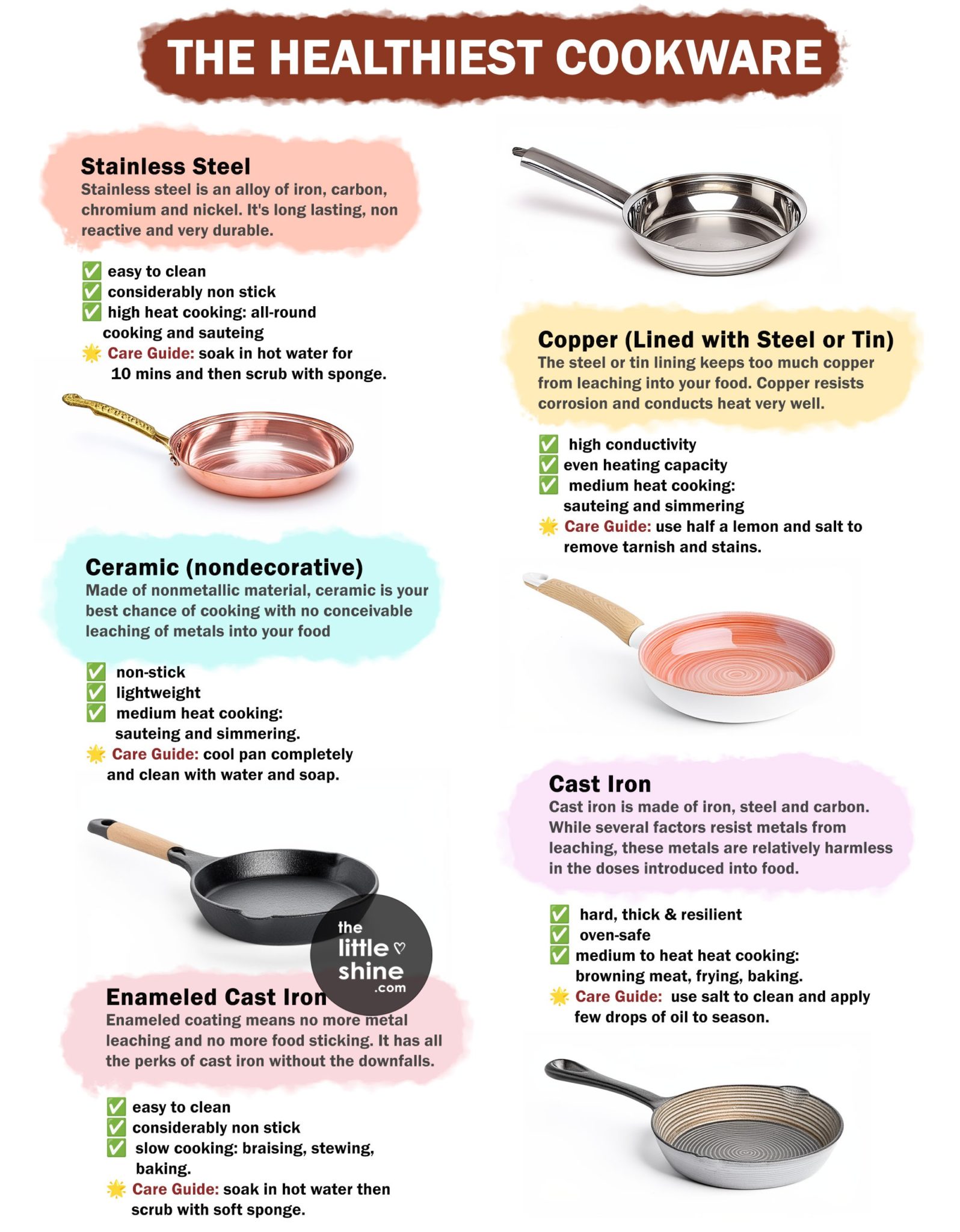
Cookware Materials Compared
Each cookware material has a different strength. No single material is best for every task.
| Cookware type | Best for | Main strengths | Main limits |
|---|---|---|---|
| Stainless steel | Searing, sauces, general cooking | Durable, nonreactive, often oven-safe | Food may stick without proper technique |
| Nonstick | Eggs, fish, pancakes, low-fat cooking | Easy release and quick cleanup | Surface can wear; many models need lower heat |
| Cast iron | Steaks, cornbread, frying, baking | Excellent heat retention and durability | Heavy; needs seasoning and drying |
| Enameled cast iron | Braises, soups, stews | Holds heat and handles acidic foods | Heavy and often costly |
| Carbon steel | Searing, stir-frying, eggs after seasoning | Lighter than cast iron; high heat tolerance | Needs seasoning and rust prevention |
| Copper | Precise temperature control | Very responsive to heat changes | Expensive; often lined; may need polishing |
| Aluminum | Sheet pans and affordable skillets | Light and heats quickly | Can warp or react with some foods unless coated |
| Ceramic-coated nonstick | Low-stick cooking | Smooth release without a traditional fluoropolymer surface | Coating life varies and may decline with heavy use |
Stainless Steel
Stainless steel is a strong all-purpose choice. It does not have a fragile coating, and high-quality pans can last for many years.
It works well for browning meat, cooking vegetables, boiling, and making pan sauces. The main skill is heat control. Preheat the pan, add oil, and allow food to form a crust before trying to move it.
Look for stainless steel with a thick, bonded base or fully clad layers. A thick aluminum or copper core can spread heat through the stainless steel cooking surface.
Stainless steel may be a poor fit if you mainly cook delicate eggs or want the fastest cleanup. In that case, keep one nonstick skillet alongside it.
Nonstick Cookware
Traditional nonstick cookware usually uses a fluoropolymer coating, often called PTFE. It is useful for eggs, crepes, fish, and other foods that tend to stick.
Use low to medium heat unless the maker gives different instructions. Avoid heating an empty nonstick pan for a long time. High heat can damage the coating and may create fumes. The U.S. Food and Drug Administration describes approved nonstick coatings as substances that are polymerized and tightly bound to the pan surface when used as intended. See the FDA Food Contact Substances database.
Replace a nonstick pan when the surface is badly scratched, peeling, or flaking. A small surface mark does not always mean immediate danger, but a damaged coating will release food less well and may continue to break down.
Use wood, silicone, or plastic tools approved for high heat. Do not assume that every nonstick pan is dishwasher-safe or oven-safe.
Cast Iron
Cast iron holds heat well. It is useful for steaks, roasted vegetables, fried food, cornbread, and dishes that move from the stovetop to the oven.
Bare cast iron needs seasoning. Seasoning is a baked-on layer of oil that helps protect the metal and improves food release. Dry the pan fully after washing, then apply a thin layer of oil if the care instructions call for it.
Cast iron can add small amounts of iron to food. The amount varies with the food, pan condition, cooking time, and other factors. If a doctor has told you to limit iron, ask for personal advice rather than relying on general cookware guidance.
Acidic foods, such as tomato sauce, may pick up a metallic taste in a poorly seasoned pan. Enameled cast iron avoids that issue because the food touches a glass-like enamel surface.
Carbon Steel
Carbon steel offers many of the benefits of cast iron with less weight. It heats faster and works well for searing, stir-frying, and high-heat cooking.
Like bare cast iron, it needs seasoning and protection from rust. Acidic foods can weaken its seasoning, especially during long cooking. It may become a good egg pan over time, but it often takes practice.
Carbon steel is a good choice for cooks who want a durable pan and do not mind regular care. It is less convenient for someone who wants to soak a pan or place it in the dishwasher.
Copper and Aluminum
Copper changes temperature quickly. That makes it useful for delicate sauces and candy, where small heat changes matter. Most copper cookware has a stainless steel lining because unlined copper can react with some foods.
Aluminum heats quickly and keeps cookware light. Many aluminum pans have a nonstick coating or a stainless steel layer. Thin aluminum may warp more easily than a thicker pan, especially on high heat.
Do not judge a pan by the core metal alone. The thickness, shape, bonded layers, and base design affect real performance.
Ceramic-Coated Cookware
Ceramic-coated cookware has a smooth, sol-gel surface that provides temporary nonstick performance. It is not the same as a solid ceramic pot.
The coating may lose its easy-release effect faster than buyers expect, especially with high heat, cooking spray buildup, or abrasive cleaning. Follow the manufacturer’s care instructions and use low or moderate heat unless the pan is rated for more.
Choose Cookware Construction, Not Just the Material
The way a pan is built often matters more than the name of the material. Two stainless steel pans can cook very differently if one has a thin base and the other has thick, bonded layers.
Look for Even Heat Distribution
A pan with a thick base usually spreads heat better than a very thin pan. This can reduce hot spots and help food brown more evenly.
For stainless steel, useful designs include:
- Disk-bottom pans: A separate heat-spreading disk is attached to the bottom.
- Fully clad pans: Metal layers run through the base and side walls.
- Multi-layer pans: Several metals are bonded together for different heat properties.
A disk-bottom pan may cost less and work well for many tasks. Fully clad cookware can offer more even side-wall heating, which helps with sauces and foods that reach up the sides.
Check the Handle
A good handle should feel secure, balanced, and cool enough for the task. Riveted handles are often strong, but food can collect around the rivets. Welded handles are easier to clean but may feel different in the hand.
Check whether the handle is:
- Firm, with no movement
- Long enough to keep your hand away from heat
- Comfortable when the pan is full
- Oven-safe at the stated temperature
- Designed with a helper handle on large or heavy pans
Metal handles can become hot in the oven or on the stovetop. Use a dry mitt when needed.
Inspect the Lid
A well-fitting lid helps retain heat and moisture. Glass lids let you see the food, but they may have a lower oven limit than the pan. Metal lids often tolerate more heat, but you cannot see through them.
Check the lid knob and its temperature rating. A pan may be oven-safe while its lid is not.
Test Stability and Balance
Place the empty pan on a flat surface. It should not rock. Hold the handle as if the pan were full. The pan should feel controlled rather than handle-heavy.
For a Dutch oven or large skillet, look for a helper handle. It can reduce strain and make it easier to move the pan safely.
Match Cookware to Your Cooktop
Cooktop type can rule out some cookware before you compare brands or prices.
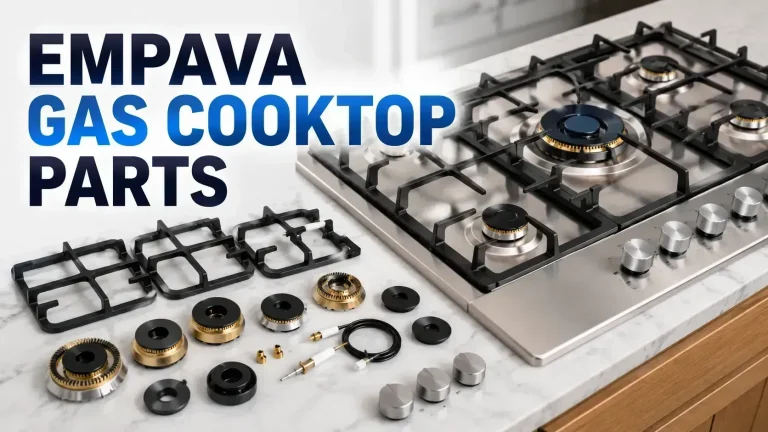
Gas Stoves
Gas stoves work with most cookware. A flat, stable base helps the pan sit securely over the burner. Very thin pans may develop hot spots over a strong flame.
Keep the flame under the pan rather than climbing up its sides. This saves energy and reduces handle heat.
Electric and Glass Cooktops
Flat bottoms work best on smooth electric and glass cooktops. Avoid dragging rough cast iron across glass because it may scratch the surface.
Lift heavy pans instead of sliding them. A warped pan may heat poorly and rock on the burner.
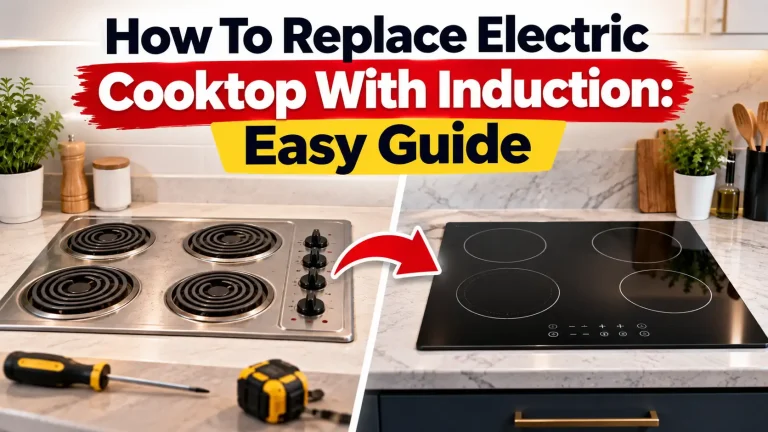
Induction Cooktops
Induction stoves need magnetic cookware. Cast iron and many magnetic stainless steel pans work. Aluminum, copper, and some stainless steel pans do not work unless they have a magnetic base.
Use a simple magnet test on the outside bottom of the pan. If the magnet sticks firmly, the pan may work with induction. The product manual remains the better source because magnet strength and pan design both matter.
Induction cookware should also have a flat base. A pan that works magnetically may still perform poorly if it does not sit flat.
Oven and Broiler Use
Check the full oven rating before moving a pan from the stove to the oven. The lowest-rated part controls the safe limit. That part may be the lid, handle, coating, or knob.
Broiler use needs special care. Some pans tolerate oven heat but not direct broiler heat. Follow the maker’s instructions rather than guessing.

Choose the Right Pieces for Your Cooking
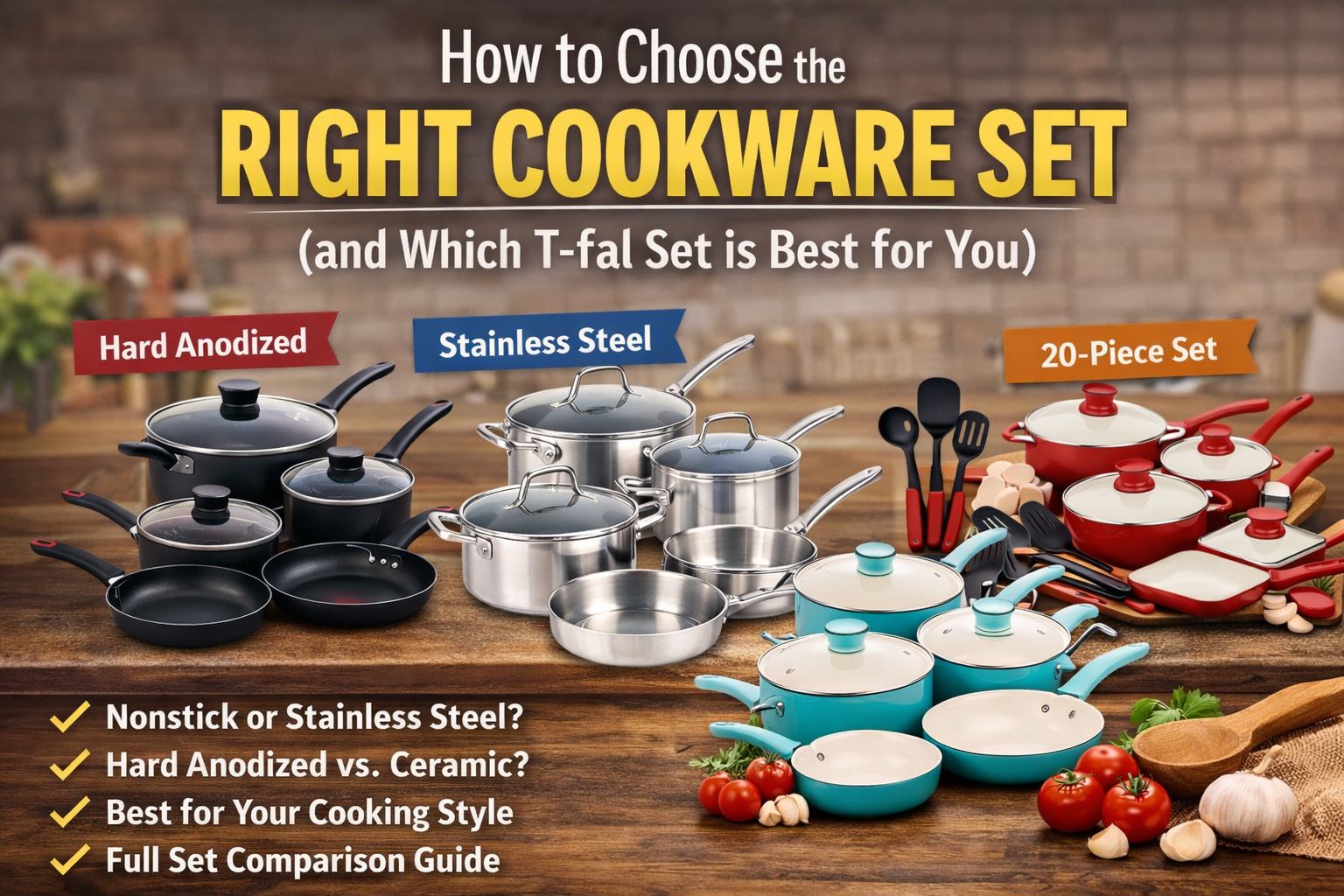
Buy by task, not by the number of pieces in a set. A set can include small pans you rarely use while leaving out the size you need every day.
A practical starter collection for many U.S. households includes:
- 10- or 12-inch skillet: For meat, vegetables, one-pan meals, and larger portions.
- 2- or 3-quart saucepan: For oatmeal, rice, sauces, and reheating.
- 3- to 5-quart sauté pan or Dutch oven: For braises, pasta sauces, and one-pot meals.
- Stockpot: For pasta, soup, corn, and batch cooking.
- Small nonstick skillet: For eggs, pancakes, and delicate foods.
The right size depends on how many people you feed. A 10-inch skillet may suit one or two people. A 12-inch skillet gives more space for family meals but needs more storage and burner space.
Avoid filling a pan to the rim. Crowding can trap steam and prevent browning. A larger pan may cook the same amount of food better, but it can be too large for a small burner.
A Simple Decision Table
| Your main need | Good starting choice |
|---|---|
| Eggs and pancakes | Quality nonstick skillet |
| Steak and browning | Stainless steel, cast iron, or carbon steel |
| Tomato sauce and long braises | Stainless steel or enameled cast iron |
| Stir-frying | Carbon steel or a wide stainless steel skillet |
| Low-maintenance cooking | Stainless steel plus one nonstick pan |
| Oven-to-table meals | Enameled cast iron or oven-rated stainless steel |
| Lightweight cookware | Aluminum-based or thinner stainless steel |
| Induction cooking | Magnetic stainless steel, cast iron, or approved induction cookware |
This table gives a starting point, not a universal rule. Your stove, recipes, lifting ability, and cleaning habits may change the best answer.

Consider Cookware Safety and Food Contact
Cookware safety depends on using the pan within its design limits. Follow the care guide, avoid damaged surfaces, and use a pan made for food contact.
Avoid Extreme Heat With Coated Pans
Do not preheat an empty coated pan for long periods. Nonstick surfaces can deteriorate when overheated. Keep the burner at a moderate level unless the maker gives a different limit.
Ventilate the kitchen when cooking at high heat. If a pan produces smoke, turn off the burner, move the pan away from heat if safe, and let it cool.
Birds are especially sensitive to fumes from overheated nonstick coatings. Keep pet birds away from the kitchen and follow veterinary safety guidance.
Check for Lead and Cadmium Concerns
Some ceramic, painted, decorative, imported, or low-quality cookware may raise concerns about lead or cadmium. A product recall or official safety notice matters more than a vague marketing claim.
Check the FDA Recalls, Market Withdrawals, and Safety Alerts page when a product has a known safety issue. Do not use cookware that is cracked, chipped, or shedding an unknown decorative surface.
“Non-toxic” is not a complete technical description. Ask what material the cooking surface is made from, whether it is intended for food contact, and what use limits apply.
Use the Right Utensils
Metal tools can be fine for bare stainless steel and cast iron. They can damage many coated surfaces.
Use wood, silicone, or other approved tools with nonstick and ceramic-coated pans. Do not cut food inside a coated pan unless the maker specifically allows it.
Prevent Burns and Spills
Dry oven mitts provide better protection than wet cloth. Water can conduct heat quickly through a wet mitt.
Keep pan handles turned away from the edge of the stove. Do not leave handles over another hot burner. Use two hands for heavy cookware when the design allows it.

How to Compare Cookware Before You Buy
Use this short process to avoid buying a pan that looks good but does not fit your kitchen.
1. List Your Most Common Meals
Write down five meals you cook often. Include the pan type, size, heat level, and cleaning method each meal needs.
If most meals involve searing, prioritize stainless steel, cast iron, or carbon steel. If most meals involve eggs and quick breakfasts, prioritize nonstick.
2. Check Your Cooktop
Confirm whether you use gas, electric, glass, or induction. For induction, verify magnetic compatibility in the manual or product specifications.
Also measure your largest burner and oven space. A wide pan may not heat evenly if it greatly exceeds the burner size.
3. Pick the Surface
Choose the cooking surface based on the food and care you accept:
- Coated surface: Easy release and simple cleanup
- Stainless steel: Durable and flexible
- Bare iron: High heat and long life with seasoning
- Enameled iron: Heat retention without bare-metal seasoning
- Carbon steel: High heat with less weight than cast iron
4. Read the Limits
Look for:
- Maximum oven temperature
- Broiler instructions
- Dishwasher guidance
- Induction compatibility
- Utensil limits
- Lid and handle ratings
- Warranty exclusions
A vague listing is a reason to slow down, not a reason to assume the pan is versatile.
5. Inspect the Base and Handle
If shopping in person, place the pan on a flat surface. Check for rocking, dents, sharp edges, loose handles, and uneven seams.
For online purchases, read the manufacturer’s specifications rather than relying only on customer photos or short marketing claims.
6. Buy One Useful Pan First
Cook with the pan for several weeks. You may learn that you need a different size or material. This approach often costs less than replacing a full set.
Signs of a good fit include steady cooking, comfortable handling, easy cleaning, and no need to work around a major design flaw.

Care for Cookware So It Lasts
Good care extends cookware life and protects the cooking surface.
Stainless Steel Care
Let a hot pan cool slightly before washing. Sudden temperature changes can stress some cookware and may warp thinner pans.
For stuck food, soak the pan and use a nonabrasive cleaner. Stainless steel can handle more vigorous cleaning than most coated pans, but avoid harsh tools that create deep scratches.
Nonstick Care
Wash coated pans with a soft sponge unless the maker says they are dishwasher-safe. Avoid stacking them without protection.
Do not use cooking spray if the manufacturer warns against it. Some sprays can leave a sticky layer that is hard to remove.
Cast Iron and Carbon Steel Care
Wash with the method recommended by the maker. Dry the pan fully, then apply a very thin oil layer when needed.
Do not store food in bare cast iron or carbon steel for long periods. Moisture and acidic foods can damage seasoning and encourage rust.
Light surface rust can sometimes be removed and the pan reseasoned. Deep pitting, cracks, or a loose handle require replacement or repair guidance from the maker.
Enameled Cookware Care
Avoid dropping enameled cookware. Chips can expose the metal beneath and may spread with further impact.
Use moderate heat and suitable utensils. Do not place a hot enamel pan directly into cold water unless the maker allows it.

Common Cookware-Buying Mistakes
Buying a Large Set Without a Plan
A 10-piece set may count lids and small pans as separate pieces. Compare the actual pan sizes and types.
A smaller group of useful pans often gives more value than a large set with duplicate pieces.
Choosing Only by Weight
Heavy cookware can retain heat, but weight may make daily use difficult. Lift the pan as if it held food, not while it is empty.
Ignoring the Cooktop
A beautiful pan that does not work on induction is not a good purchase for an induction kitchen. Verify compatibility first.
Expecting Nonstick to Last Forever
Nonstick coatings are wear items. High heat, metal tools, stacking, and harsh cleaning can shorten their useful life.
Using High Heat for Every Task
High heat is useful for some searing and boiling tasks. It is not the best setting for every material. Moderate heat often protects coated pans and reduces burning.
Trusting “Non-Toxic” Without Details
Marketing terms do not explain the full construction. Look for the actual surface material, safety instructions, temperature limits, and food-contact information.
Buying a Pan That Is Too Large
An oversized pan may heat slowly or unevenly on a small burner. Choose a size that fits the burner and the amount of food you cook.
Frequently Asked Questions
Is stainless steel or nonstick cookware better?
Neither is best for every task. Stainless steel is more durable and handles high heat well. Nonstick is easier for eggs, fish, and low-fat cooking. Many kitchens benefit from using both.
What is the safest cookware material?
Safety depends on the material, construction, condition, and use. Stainless steel, cast iron, carbon steel, enamel, and properly used coated cookware can all be suitable. Follow the maker’s temperature and care instructions, and replace damaged cookware.
Is cast iron safe to use every day?
Cast iron can be used daily if it is in good condition and properly cared for. It is heavy and may react more with acidic foods than enameled cookware. People with specific iron-related health concerns should ask a health professional for personal guidance.
How do I know if cookware works on induction?
Check the product instructions or place a magnet on the outside base. A strong magnetic pull suggests compatibility, but the manufacturer’s rating is the best confirmation.
Should I buy a cookware set or individual pans?
Buy a set only when it includes the sizes and materials you will use. Individual pans are often better when you have specific cooking needs or already own some cookware.
Final Recommendation
For a balanced U.S. kitchen, begin with a 10- or 12-inch stainless steel or cast iron skillet, a small nonstick skillet, and a medium saucepan. Add an enameled Dutch oven or stockpot if you often make soups, braises, pasta, or large meals.
Choose construction and fit before appearance. Confirm cooktop compatibility, check temperature limits, and buy the smallest collection that covers your real cooking habits. Good cookware should make daily meals easier, not give you more pieces to store and maintain.