Is Tramontina Cookware Induction Compatible: Full Guide

Yes, many tramontina cookware pieces are induction compatible, but not all of them are.
Tramontina has built a strong name in home kitchens, and induction compatibility is one of the first things shoppers check before buying. If you want the short version, the answer depends on the base material, not just the brand name. In this guide, I’ll walk you through how to tell whether your Tramontina cookware works on induction, which collections usually do, what to look for on the label, and how to avoid the common mistakes I’ve seen people make when switching to induction cooking.

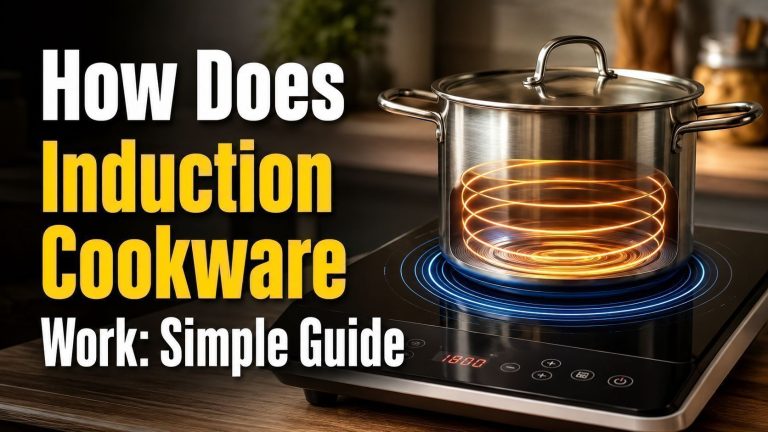
How induction cooking works
Induction cooking uses electromagnetic energy to heat the pan directly. That means the cookware itself must have a magnetic base. If the pan does not respond to a magnet, it usually will not work on an induction cooktop.
This is why cookware material matters so much. Stainless steel can work if it has the right magnetic layer, while aluminum and copper need an induction-ready base or bonded disk. Cast iron is naturally magnetic, so it works well.
A simple magnet test is often the easiest way to check. If a magnet sticks firmly to the bottom of the pan, there is a good chance the pan is induction compatible. If it barely sticks or slides off, the pan may not heat properly on induction.
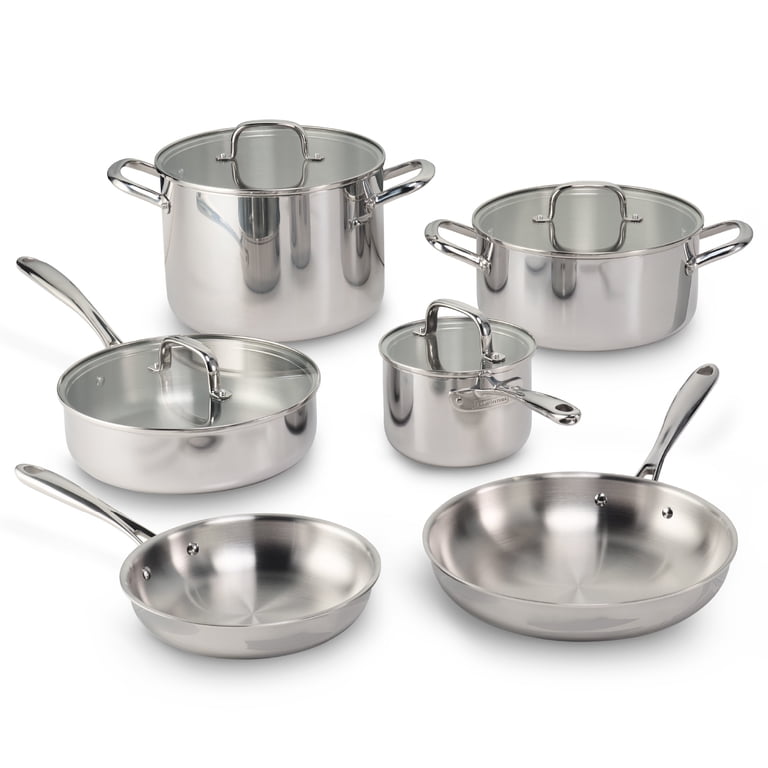
Is Tramontina cookware induction compatible?
Tramontina cookware is induction compatible in many of its stainless steel and tri-ply lines, but not in every collection. The biggest clue is the construction of the pan. Tramontina often makes both induction-ready and non-induction versions of similar-looking cookware, so you cannot assume based on appearance alone.
In my experience, this is where many buyers get tripped up. A pan can look premium, feel solid, and still fail the magnet test if the base is not designed for induction. I always tell people to check the product listing, packaging, or the underside of the pan before buying.
Look for terms like:
- Induction compatible
- Induction ready
- Magnetic stainless steel base
- Tri-ply construction
- Encapsulated stainless steel bottom
If you already own a Tramontina pan, the magnet test is the fastest check. If a strong magnet clings to the bottom, the pan should work on induction. If not, it may still work on gas or electric stoves, just not induction.
Which Tramontina cookware lines usually work on induction?
Several Tramontina collections are commonly made for induction use. The exact lineup can change by country and store, but these types are often induction friendly:
- Tri-ply stainless steel cookware
- Stainless steel cookware with a magnetic base
- Some professional and commercial-grade lines
- Certain hard-anodized collections with induction plates
- Cast iron pieces
The most reliable induction performers are usually stainless steel tri-ply pieces. These pans heat evenly and tend to be more durable for everyday use. They are also less likely to warp compared with thinner cookware.
Cast iron is another easy win. It is magnetic by nature, so it works on induction very well. The tradeoff is weight, which some people love and others avoid.
Which Tramontina cookware may not work on induction?
Some Tramontina cookware is not induction compatible, especially pieces made mainly from:
- Aluminum without a magnetic base
- Copper without an induction layer
- Non-magnetic stainless steel
- Lightweight cookware with no induction disc
I’ve seen people buy a full set because the finish looked the same across every pan. Then one skillet works beautifully, while another sits cold on the cooktop. That happens because the line can include mixed materials, even under the same brand umbrella.
Always check each piece, not just the set name. That small habit can save you a lot of frustration later.
How to tell if your Tramontina cookware is induction compatible
You can usually verify induction compatibility in a few simple ways:
-
Check the product details
The box, website listing, or manual often says “induction compatible” or “works on all cooktops.” -
Look at the bottom of the pan
Many induction-ready pans have a magnetic stainless steel base or a marked induction symbol. -
Use a magnet
If a magnet sticks strongly to the bottom, the pan is likely induction compatible. -
Read the material description
Tri-ply stainless steel and cast iron are usually safe bets. -
Test on the cooktop
If the burner does not recognize the pan, your cookware may not be compatible or may not be sitting flat enough.
One thing I learned the hard way is that a weak magnet response can still cause bad cooking results. The burner may detect the pan, but heating can be uneven. So for best results, I prefer cookware with a strong magnetic base and a flat, stable bottom.
Why some Tramontina cookware works better on induction than others
Induction cooking is picky in a very practical way. It needs a pan that makes solid contact and contains enough magnetic material to respond well. That is why heavier, bonded, and tri-ply cookware tends to perform better.
Here are the main reasons performance varies:
- Base thickness affects heat distribution
- Magnetic layer strength affects burner detection
- Flat bottoms improve contact with the cooktop
- Pan size must match the burner size
- Warped cookware can heat unevenly
If you cook eggs, sauces, or delicate dishes, even small differences matter. A pan that heats in hot spots can ruin texture fast. That is why good induction cookware feels a little like a reliable partner: steady, predictable, and not prone to drama.
Benefits of using induction-compatible Tramontina cookware
When Tramontina cookware is induction ready, it can offer several real advantages:
- Faster heating
- Better energy efficiency
- More precise temperature control
- Less kitchen heat
- Easy cleanup in many stainless steel models
- Strong durability in tri-ply and cast iron options
Induction cooking is often faster than gas or traditional electric cooking because the pan heats directly. That means less wasted energy and quicker response when you lower the heat. For busy weeknights, that speed can make a real difference.
I also like the control induction gives you. It feels more immediate, almost like turning a dimmer switch instead of waiting for a flame or coil to catch up.
Common mistakes people make when buying Tramontina for induction
A few mistakes come up again and again:
- Assuming all Tramontina cookware is induction compatible
- Buying by looks instead of checking materials
- Forgetting to test individual pans in a set
- Using a warped or uneven-bottom pan
- Choosing cookware that is too small for the burner
- Ignoring the product description
The biggest mistake is trusting the brand name alone. Tramontina makes a wide range of cookware, and not every piece is built the same way. Always verify each item before purchase if induction compatibility matters to you.
Best types of Tramontina cookware for induction
If you want the safest choices, focus on these:
- Tri-ply stainless steel cookware for even heat and strong induction response
- Cast iron for strong magnetic performance
- Stainless steel cookware clearly labeled induction compatible
- Heavy-gauge cookware with a magnetic base
For everyday use, tri-ply stainless steel is usually the sweet spot. It balances performance, durability, and ease of use. Cast iron is excellent too, but it may feel too heavy for some cooks.
How to care for induction-compatible Tramontina cookware
Good care helps your cookware perform well for years. I always recommend these basics:
- Let pans cool before washing them
- Avoid harsh metal scrubbers on polished surfaces
- Dry cookware after washing to prevent water spots
- Use the right burner size for the pan
- Keep the bottom clean and flat
Induction cooktops work best with smooth, clean cookware bottoms. Even a greasy film can affect contact a little. That may sound minor, but over time small habits make a big difference.
When Tramontina may not be the best induction choice
Tramontina is a solid brand, but it may not be the best fit if you want:
- Ultra-light cookware
- A nonstick pan with no induction base
- The cheapest possible induction option
- A fully matched set without checking each piece
Some shoppers want a very specific feel, like super lightweight pans or very thick restaurant-style construction. In that case, it is worth comparing Tramontina to other induction-safe brands and checking the exact line carefully. The best cookware is the one that fits both your cooktop and your cooking style.
Frequently Asked Questions of Is Tramontina Cookware Induction Compatible
Does all Tramontina stainless steel cookware work on induction?
No, not all stainless steel Tramontina cookware is induction compatible. It must have a magnetic base or induction-ready construction, so always check the product details or test it with a magnet.
Can I use Tramontina nonstick pans on induction?
Some Tramontina nonstick pans work on induction, but only if they are specifically made with an induction-compatible base. Many nonstick pans are not automatically induction safe, so verify the label before buying.
How do I know if my Tramontina pan is induction ready?
The easiest way is to test the bottom with a magnet. If the magnet sticks firmly, the pan is likely induction compatible, and you should also confirm the product listing if possible.
Are Tramontina cast iron pans induction compatible?
Yes, cast iron Tramontina cookware is generally induction compatible because cast iron is naturally magnetic. It usually performs very well on induction cooktops.
Why does my Tramontina pan work on one burner but not another?
This can happen if the pan is too small for the burner, warped, or only partly magnetic. Induction cooktops are sensitive, so burner size and pan contact both matter.
Conclusion
Tramontina cookware can be a great match for induction cooking, but only when the piece is built with a magnetic, induction-compatible base. The safest choices are usually tri-ply stainless steel, cast iron, and clearly labeled induction-ready lines. A quick magnet test and a close look at the product details will save you from buying the wrong pan.
If you’re shopping for induction cookware, take a few extra seconds to verify each Tramontina piece before you buy. That small step can turn a good kitchen purchase into a great one. If this guide helped, keep exploring cookware specs carefully and share your own experience with Tramontina in the comments.