Best Way To Clean A Cooktop: Easy Pro Tips 2026

The best way to clean a cooktop is to use the right cleaner, a soft cloth, and gentle daily care.
A clean cooktop makes the whole kitchen feel calmer, and I say that from experience. Over the years, I’ve seen how the best way to clean a cooktop is less about scrubbing hard and more about cleaning smart, based on the surface type, the kind of mess, and how long the spill has been there. If you want a spotless finish without scratches, streaks, or damaged burners, this guide walks you through the safest and most effective method from start to finish.
What Makes the Best Way to Clean a Cooktop Different?
The best way to clean a cooktop depends on what kind you have. A glass cooktop, gas cooktop, electric coil cooktop, and induction cooktop all need different care. Using the wrong method can leave scratches, cloudy film, or stuck-on residue that gets harder to remove later.
From my own kitchen cleanups, the biggest mistake people make is reaching for the harshest product first. That usually creates more work. A gentle routine, done often, keeps the surface looking new and saves time in the long run.
Here’s the simple rule I follow:
- Match the cleaner to the surface
- Remove loose debris first
- Treat stuck-on food with patience, not force
- Finish with a dry wipe for shine and no streaks

Know Your Cooktop Before You Clean It
Before you start, check what kind of cooktop you have. This matters because different materials react differently to water, heat, and cleaners.
Glass and Ceramic Cooktops
These are smooth and easy to wipe, but they scratch fast. A razor scraper made for cooktops can help with burnt-on food, but only when used carefully and on the right surface.
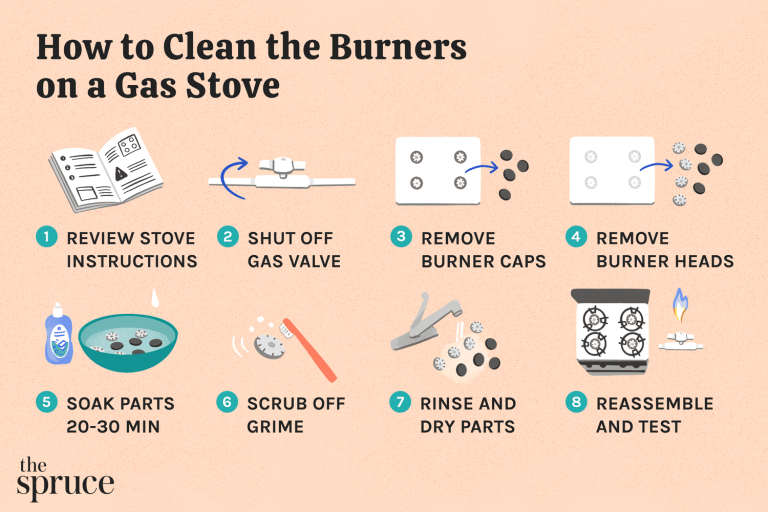
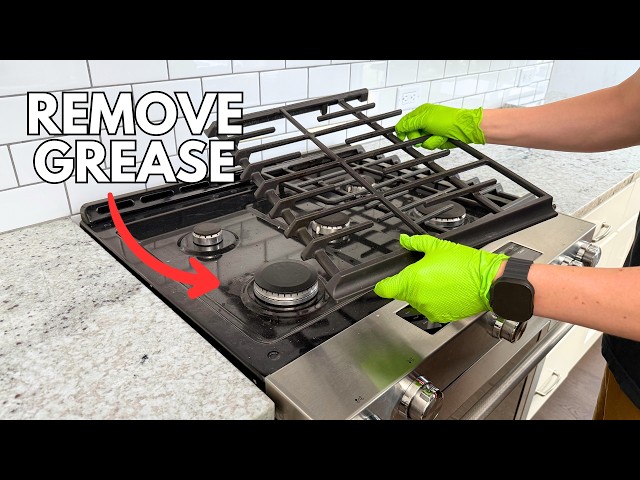
Gas Cooktops
Gas cooktops have grates, burner caps, and burner heads. Food often falls into small gaps, so cleaning takes a little more time and detail.
Electric Coil Cooktops
These are sturdy, but spills can collect under and around the coils. You usually need to lift or remove the coils before cleaning the drip pans.
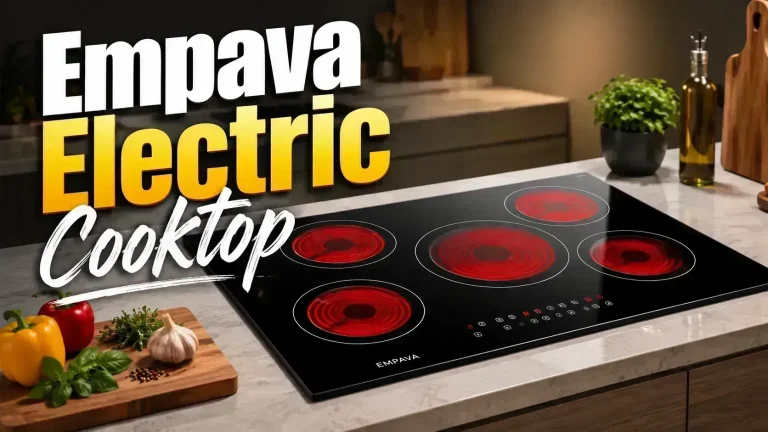
Induction Cooktops
Induction cooktops look like glass tops, but they often need the same gentle care. Soft tools and nonabrasive cleaners work best.
The Best Way to Clean a Cooktop Step by Step
The best way to clean a cooktop is to clean it in layers. Start with the easy stuff, then move to the stubborn spots. This keeps you from spreading grease around and makes the job much easier.
1. Let the Surface Cool
Never clean a hot cooktop unless the manufacturer says it is safe. A cool surface protects your hands and helps prevent cleaner from evaporating too fast.
2. Remove Loose Debris
Use a dry microfiber cloth or soft paper towel to pick up crumbs and dried bits. This small step matters more than people think because loose grit can scratch the surface during wiping.
3. Apply a Gentle Cleaner
Use a cleaner made for your cooktop type. For many glass and ceramic tops, a nonabrasive cooktop cleaner works well. For gas cooktops, warm soapy water is often enough for daily cleaning.
4. Let the Cleaner Sit Briefly
If food is stuck on, give the cleaner a minute or two to loosen it. I learned this the hard way after trying to wipe everything immediately. Waiting a little often means far less scrubbing.
5. Wipe With a Soft Cloth
Use a microfiber cloth or soft sponge. Wipe in small circles or straight lines, depending on the surface, until the grime lifts away.
6. Tackle Burnt-On Spots Carefully
For stuck-on spills, use a cooktop scraper on glass or ceramic surfaces if the manufacturer allows it. Hold it at a low angle and move slowly. On gas parts, use a soft brush or toothbrush instead of a scraper.
7. Rinse and Dry
Wipe away any cleaner residue with a damp cloth, then dry the surface fully. This helps prevent streaks, especially on black glass cooktops where every mark shows.
Best Cleaning Methods by Cooktop Type
The best way to clean a cooktop is never one-size-fits-all. Surface type changes everything, and using the right method helps keep the cooktop looking polished.
Glass or Ceramic Cooktop Method
- Sprinkle a small amount of cooktop cleaner or use a damp cloth with mild soap
- Rub gently with a microfiber cloth
- Use a scraper only for hardened spills
- Buff dry with a clean cloth for shine
This method works well for everyday spills, grease, and light baked-on spots.
Gas Cooktop Method
- Remove grates and burner caps
- Wash removable parts in warm, soapy water
- Wipe the main surface with a damp cloth and mild dish soap
- Use a toothbrush for burner holes and small corners
- Dry every part completely before reassembling
This is the best way to clean a cooktop if you cook often and get sauce splatter or grease buildup.
Electric Coil Cooktop Method
- Turn off and cool the unit fully
- Remove the coils carefully if the model allows
- Wipe the surface and drip pans with soapy water
- Scrub pans gently if food is baked on
- Reassemble only when all parts are dry
This method keeps grime from building up in hidden spots.
Induction Cooktop Method
- Use a soft cloth and nonabrasive cleaner
- Avoid rough pads or powdered cleaners
- Wipe spills soon after the surface cools
- Dry completely to prevent streaks
Induction tops are durable, but they still need gentle care to stay clear and smooth.

What to Use and What to Avoid
The best way to clean a cooktop includes using safe tools, not just safe cleaners. A few simple products do most of the work.
Good Tools and Cleaners
- Microfiber cloths
- Soft sponges
- Mild dish soap
- Cooktop cleaner made for glass or ceramic
- Plastic or cooktop-safe scraper
- Soft toothbrush for small parts
What to Avoid
- Steel wool
- Abrasive pads
- Harsh oven cleaners on glass tops
- Too much water around electric parts
- Sharp blades not made for cooktops
- Bleach on sensitive finishes unless the manual allows it
I once saw a shiny glass cooktop ruined by a scouring pad in just a few minutes. The scratch looked small at first, but under light it showed up like a road map. That is why the safest cleaning method is usually the smartest one.
How to Remove Common Cooktop Problems
Different messes need different fixes. The best way to clean a cooktop depends on whether you are dealing with grease, burnt food, streaks, or cloudy film.
Grease
Grease lifts best with warm water and a little dish soap. Let it sit briefly, then wipe with a clean cloth. For stubborn grease, repeat instead of scrubbing harder.
Burnt-On Food
For glass and ceramic surfaces, use a cooktop scraper if allowed. For gas parts, soak removable pieces and scrub gently with a soft brush.
Streaks
Streaks usually come from too much cleaner or not enough drying. Wipe again with a clean damp cloth, then buff dry.
White Film
White film often comes from hard water or cleaner residue. A fresh microfiber cloth and a proper rinse usually fix it.
Sticky Build-Up
Sticky spots often mean old grease mixed with dust. Warm, soapy water is usually enough if you catch it early.
How Often Should You Clean a Cooktop?
A little cleaning each day is the best way to clean a cooktop without feeling overwhelmed. Wipe spills after the surface cools, then do a deeper clean once a week if you cook often.
A simple schedule works well:
- Daily: wipe spills and crumbs
- Weekly: deep clean the entire surface and removable parts
- Monthly: inspect burner caps, drip pans, and edges for hidden buildup
This kind of routine keeps mess from turning into a weekend project.
Expert Tips That Make a Big Difference
The best way to clean a cooktop is often about small habits. These are the things I’ve found make the biggest difference over time.
- Clean spills early before they harden
- Use less cleaner than you think you need
- Always dry the surface to avoid streaks
- Keep a microfiber cloth near the stove for quick wipe downs
- Read the manufacturer’s care guide before using new products
- Do not clean hot enamel or glass unless the manual says it is safe
These tips save time and help the cooktop last longer. They also make the surface easier to maintain, which is a huge win on busy days.
Why Gentle Cleaning Works Better Than Heavy Scrubbing
A cooktop is a high-use surface, but it is also a delicate finish in many kitchens. Harsh scrubbing can damage protective coatings and make future cleanup harder.
Gentle cleaning works because it removes residue without scratching the surface. It also protects the look of the cooktop, which matters if you want your kitchen to feel clean and cared for. Think of it like washing a good car: soft cloths and patience usually beat brute force.
Frequently Asked Questions of Best Way to Clean a Cooktop
What is the safest cleaner for a cooktop?
The safest cleaner is usually a nonabrasive cleaner made for your cooktop type, along with a soft microfiber cloth. For many daily messes, mild dish soap and warm water also work well.
Can I use vinegar on a cooktop?
Yes, diluted vinegar can help with streaks or light residue on some cooktops. But do not use it on every surface without checking the care guide, since some finishes may react badly.
How do I clean burnt-on food from a glass cooktop?
Let the surface cool, then use a cooktop-safe scraper at a low angle for stuck-on bits. Follow with a nonabrasive cleaner and a soft cloth to remove the rest.
How do I keep my cooktop from getting streaky?
Use a small amount of cleaner, wipe with a microfiber cloth, and dry the surface right away. Streaks usually happen when too much product is left behind.
Is it okay to clean a cooktop every day?
Yes, daily light cleaning is actually one of the best ways to maintain a cooktop. It prevents buildup and makes deep cleaning much easier later.
Conclusion
The best way to clean a cooktop is to clean gently, match the method to the surface, and stay consistent. When you remove spills early, use the right tools, and avoid harsh scrubbing, your cooktop stays cleaner and lasts longer.
A simple routine can turn a messy, frustrating chore into something quick and easy. Start with one habit today, like wiping spills after cooking, and you will notice the difference fast. If you want a cleaner kitchen and less stress at cleanup time, put these tips into practice and share your own cooktop cleaning tricks in the comments.