Is Cast Iron Cookware Safe: The Real Truth

Yes, cast iron cookware is safe for most people when used and cared for properly.
If you’ve ever wondered whether that heavy skillet on your stove is a healthy kitchen choice, you’re not alone. Cast iron cookware has been used for generations, and for good reason: it cooks well, lasts for years, and can even add a little dietary iron to your food. Let’s take a close look at when cast iron cookware is safe, when it needs extra care, and how to use it with confidence.
What Makes Cast Iron Cookware Safe or Unsafe?
Cast iron cookware safety depends on how the pan is made, how it is seasoned, and how you use it. Plain cast iron is very stable at high heat, which is one of its biggest strengths. It does not have the same chemical coating concerns as some nonstick pans.
That said, a cast iron pan can become less safe if it is rusty, chipped, poorly maintained, or made with low-quality coatings. I’ve seen people keep using a pan with flaky seasoning, thinking it is just “character.” In reality, that can affect both cooking quality and food safety.
A safe cast iron pan usually has:
- A smooth, intact cooking surface
- A strong seasoning layer or enamel coating
- No deep rust spots
- No cracks or structural damage
When those basics are in place, cast iron cookware is generally safe for daily use.
Is Cast Iron Cookware Safe for Everyday Cooking?
Yes, cast iron cookware is safe for everyday cooking for most healthy adults. In fact, many people use it for eggs, vegetables, meat, cornbread, and even baking. It performs especially well for high-heat cooking because it holds heat evenly.
I’ve used cast iron for years, and one lesson learned early was this: the pan likes consistency. When you preheat it correctly and keep it lightly oiled, it behaves beautifully. When you rush it, food sticks and people start thinking the pan is the problem.
Everyday use is usually safe if you:
- Preheat the pan before adding food
- Use enough fat or oil for the dish
- Avoid soaking it in water
- Dry it fully after washing
For most kitchens, cast iron cookware is not only safe but also practical.
Does Cast Iron Cookware Add Iron to Food?
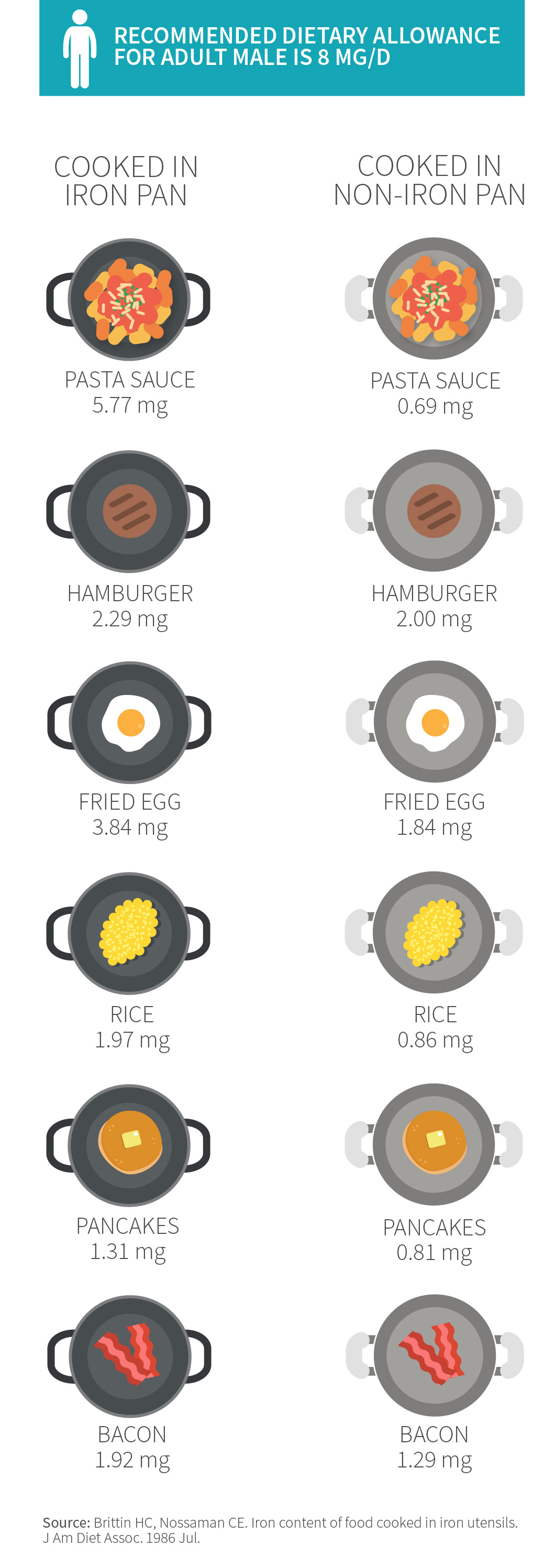
Yes, cast iron cookware can add a small amount of iron to food, especially when cooking acidic foods like tomato sauce. This is often seen as a benefit, since iron is an essential mineral. The amount transferred can vary based on the recipe, cooking time, and the condition of the pan.
This is why some people with low iron levels appreciate cast iron cookware. Still, it should not replace medical treatment or iron supplements when those are needed. Think of it as a helpful bonus, not a cure.
Foods that may pick up more iron include:
- Tomato-based sauces
- Chili
- Braised dishes
- Foods cooked for longer periods
- Slightly acidic recipes
For most people, this extra iron is modest and not harmful.
When Can Cast Iron Cookware Be a Problem?
Cast iron cookware can be a problem if it is damaged, poorly maintained, or used by someone who needs to limit iron intake. People with hemochromatosis, for example, may need to avoid extra iron exposure. That does not mean cast iron is dangerous for everyone, but it does mean safety is personal.
Other common problems come from neglect. Rust, burnt-on residue, and weak seasoning can make cooking unpleasant and may affect food quality. I once rescued a skillet from a friend who had left it wet in the sink. It cleaned up, but it took patience, scrubbing, and a full re-seasoning cycle.
Watch out for these issues:
- Rust buildup from moisture
- Flaking seasoning from overheating or bad care
- Cracks from sudden temperature shock
- Heavy acidic cooking in unlined cast iron for long periods
- Excess iron intake for sensitive individuals
Cast iron cookware is safe, but it rewards good habits.
Seasoned Cast Iron vs. Enameled Cast Iron
Both seasoned cast iron and enameled cast iron can be safe, but they work differently. Seasoned cast iron has a natural nonstick layer made from baked-on oil. Enameled cast iron has a glass-like coating that protects the metal underneath.
Seasoned cast iron is great for high heat and regular stove use. Enameled cast iron is easier for some people because it does not need seasoning and handles acidic food better. I often recommend enameled cast iron to beginners who want less maintenance.
Here is a simple comparison:
- Seasoned cast iron: best for searing, frying, baking, and long-term durability
- Enameled cast iron: best for stews, soups, sauces, and easier cleanup
Both can be safe. The better choice depends on how you cook.
Is Cast Iron Cookware Safe for Acidic Foods?
Cast iron cookware is safe for acidic foods in short cooking times, but long simmering can strip seasoning and increase iron transfer. Foods like tomato sauce, wine-based sauces, and lemon-heavy dishes can react with bare cast iron. That can affect taste and the pan’s surface.
If you cook acidic food once in a while, that is usually fine. But if you make tomato sauce every week, enameled cast iron may be the better fit. I learned this the hard way after making a long tomato braise in a new skillet and finding the seasoning looked dull afterward.
Best practice for acidic foods:
- Use enameled cast iron for long simmers
- Keep acidic cooking short in seasoned cast iron
- Re-oil and dry the pan after use
- Avoid storing food in bare cast iron
That keeps both the pan and the meal in good shape.
Health Concerns About Cast Iron Cookware
For most people, cast iron cookware poses no major health risk. The main concern is iron overload for people who already have too much iron in their body. In those cases, the extra iron from cookware can be something to discuss with a doctor.
Some people also worry about “toxins” in cast iron. Plain cast iron does not contain the same synthetic chemicals found in some nonstick coatings. That makes it a popular choice for people who want a simpler, more natural cooking tool.
Main health considerations include:
- Extra iron exposure for certain medical conditions
- Food contamination from rust or residue if the pan is neglected
- Burns from the pan’s high heat retention
For most households, cast iron cookware is a safe and sensible option.
How to Use Cast Iron Safely
Using cast iron safely is mostly about basic care. Once you get the rhythm, it becomes easy. A well-kept skillet can last for decades and still cook like a champ.
Here are the most useful habits:
- Preheat the pan slowly
- Add a thin layer of oil before cooking
- Use wooden, silicone, or metal utensils carefully
- Wash with warm water and a gentle scrub if needed
- Dry immediately after cleaning
- Add a light coat of oil after drying
A small amount of care goes a long way. I like to think of cast iron like a cast-iron bridge: strong, reliable, and built to last, but only if you respect the structure.
How to Clean and Maintain Cast Iron
Good cleaning is a big part of cast iron cookware safety. You do not need harsh soap every time, but you also do not need to baby it like glass. The goal is to remove food, dry it well, and protect the surface.
A simple routine works best:
- Let the pan cool slightly
- Scrape out food while it is still warm
- Wash with warm water and a soft brush or sponge
- Dry completely on the stove or with a towel
- Rub in a very thin layer of oil
If rust appears, clean it off right away. Mild rust can usually be removed and the pan re-seasoned. A pan with deep cracks or severe damage may need to be replaced.
When to Avoid Cast Iron Cookware
There are times when cast iron cookware may not be the best choice. If you have a medical reason to limit iron, ask a doctor before using it often. If you want low-effort cleanup, enameled cookware or stainless steel may suit you better.
You may want to avoid bare cast iron if:
- You have hemochromatosis or another iron overload condition
- You need to cook acidic dishes for long periods
- You do not want to maintain seasoning
- You prefer lightweight cookware
That does not mean cast iron is unsafe. It just means the right tool depends on the cook.
Frequently Asked Questions
Is cast iron cookware safe for nonstick cooking?
Yes, cast iron cookware is safe for nonstick-style cooking when it is well seasoned and properly heated. The surface may not be as slick as factory nonstick pans, but it can still release food well with enough oil and patience.
Can cast iron cookware make you sick?
Not usually. Cast iron cookware is safe for most people, but it can cause issues if the pan is rusty, dirty, or used by someone who should limit iron intake.
Is enameled cast iron safer than regular cast iron?
Both are safe, but enameled cast iron is easier for acidic foods and does not require seasoning. Regular cast iron is also safe, but it needs more care to stay in good condition.
Can cast iron cookware be used every day?
Yes, cast iron cookware is safe for daily use if it is cleaned, dried, and maintained properly. Many people use it every day for frying, baking, and searing.
Does cooking in cast iron increase iron too much?
For most people, no. Cast iron cookware may add a small amount of iron to food, but that is usually not enough to cause problems unless you already have a condition that increases iron levels.
Conclusion
Cast iron cookware is safe for most people, and it can be one of the most dependable tools in the kitchen. When it is seasoned well, cleaned properly, and used with care, it offers great heat control, long life, and even a small iron boost.
The real secret is simple: use the right pan for the right job, keep it dry, and stay on top of basic maintenance. If you do that, cast iron cookware can serve you beautifully for years. If this guide helped, explore more kitchen safety tips, share it with a friend, or leave a comment with your own cast iron experience.