How To Restore Cast Iron Cookware: Easy Step-By-Step

You can restore cast iron cookware by removing rust, cleaning it well, and re-seasoning it properly.
If you’ve got a skillet that looks beyond saving, don’t toss it yet. I’ve brought old cast iron back from orange rust, sticky buildup, and years of neglect more times than I can count, and it usually comes down to a patient reset. With the right steps, how to restore cast iron cookware becomes less of a mystery and more of a practical, rewarding fix that gives you a better pan than the one you started with.

What Cast Iron Restoration Really Means
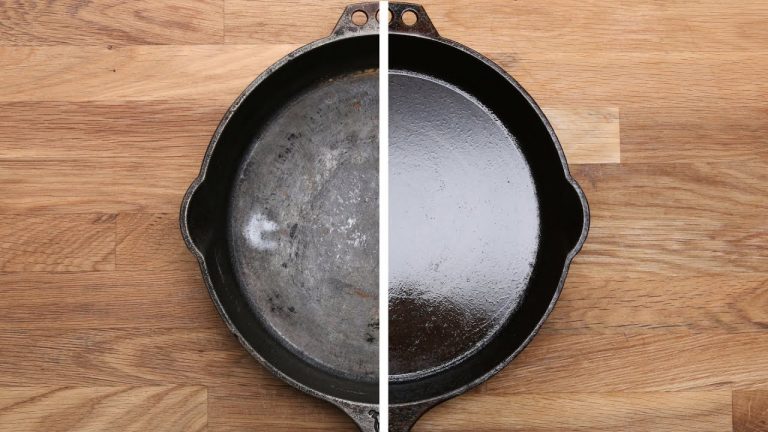
Restoring cast iron cookware is not the same as just washing it. It means removing rust, old food residue, and damaged seasoning so you can rebuild the surface from scratch. The goal is simple: get the pan clean, dry, protected, and ready for cooking again.
Cast iron is tough, but it is not invincible. Moisture, soap misuse in the past, poor storage, and acid-heavy foods can strip the seasoning and lead to rust. When that happens, how to restore cast iron cookware becomes a matter of cleaning, drying, oiling, and heating in the right order.
A good restoration can bring back:
• A smooth cooking surface
• Better nonstick performance
• Even heat retention
• Longer cookware life
• Less food sticking
I’ve seen pans that looked like garage-sale junk turn into reliable daily cooks after one careful restoration. The biggest lesson is this: cast iron usually does not need to be replaced. It just needs a reset.
Signs Your Cast Iron Cookware Needs Restoration
Not every pan needs a full strip-down. Sometimes it just needs a light refresh. But if you know the warning signs, you can decide how to restore cast iron cookware before the damage gets worse.
Common signs include:
• Rust spots on the surface
• Flaky brown or orange patches
• Sticky, gummy seasoning that never dries right
• Black residue coming off on towels
• Food sticking more than usual
• Uneven color or dull finish
• A sour or burnt smell after storage
Rust is the most obvious clue. But sticky seasoning can be just as bad because it often means too much oil was used during seasoning, or the pan was heated too low. That sticky layer does not protect well and can make cooking frustrating.
One mistake I made early on was thinking dark color always meant good seasoning. It does not. A pan can look black and still be soft, sticky, or uneven underneath. Good cast iron should feel dry and smooth, not tacky.
What You Need Before You Start
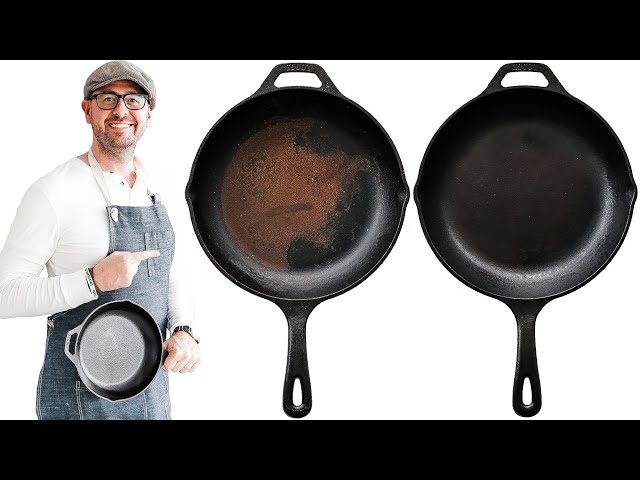
Before you restore cast iron cookware, gather the right tools. Having everything ready makes the process easier and safer. You do not need fancy products, but you do need the basics.
Use this simple supply list:
• Warm water
• Mild dish soap
• Stiff brush or nonmetal scrubber
• Chainmail scrubber or steel wool for heavy rust
• Paper towels or lint-free cloth
• Cooking oil with a high smoke point, such as canola, grapeseed, or vegetable oil
• Oven or stovetop
• Baking sheet or aluminum foil to catch drips
• Gloves, if you want to protect your hands
For badly rusted pans, white vinegar can help loosen rust. Use it carefully and briefly, because long soaking can damage cast iron. In my experience, short vinegar contact is enough. Leave it too long and you can create more work for yourself.
:max_bytes(150000):strip_icc()/__opt__aboutcom__coeus__resources__content_migration__serious_eats__seriouseats.com__images__2014__11__20141121-cast-iron-pan-restoration-daniel-gritzer-edit-27-468df3ad74404edabd52537bd0184aae.jpg)
How to Restore Cast Iron Cookware Step by Step
This is the core process. If you follow it patiently, how to restore cast iron cookware becomes very manageable.
1. Wash the pan well
Start with warm water and a bit of dish soap. The old myth that soap ruins cast iron is outdated. Mild soap is fine for restoration because you are stripping the pan anyway.
Scrub off dirt, loose food bits, and old grease. If the pan still feels rough, keep going until the surface is as clean as possible.
2. Remove rust and old buildup
For light rust, use a stiff brush, scrub pad, or chainmail scrubber. For heavier rust, use steel wool or a rust loosening soak.
If you use vinegar, mix equal parts vinegar and water, then check the pan often. Soak only for a short time, usually minutes rather than hours. Rinse right away when the rust lifts.
3. Rinse and dry completely
Drying matters more than many people think. Even a little water can bring rust back fast. Towel-dry the pan, then place it on low heat for a few minutes until every bit of moisture is gone.
I always do this extra drying step, even when the pan looks dry. Cast iron hides water in tiny pores and corners. Skipping this is like closing a window during a rainstorm and hoping the floor stays dry.
4. Apply a thin layer of oil
Use just a small amount of oil. Wipe it on, then wipe most of it off. The pan should look barely coated, almost dry.
Too much oil can leave a sticky finish. That is one of the most common restoration mistakes. Thin layers build stronger seasoning than thick, greasy ones.
5. Bake or heat to season the pan
Place the pan upside down in a preheated oven, usually around 450°F to 500°F. Put foil or a baking sheet underneath to catch drips. Bake for about an hour, then let it cool in the oven.
This process helps turn the oil into a hard protective layer. That layer is what makes the restored pan smoother, darker, and more resistant to rust.
If you do not want to use the oven, you can season on the stovetop, but the oven usually gives more even results. For deep restoration, oven seasoning is my go-to choice.
6. Repeat if needed
A very damaged pan may need two or three seasoning rounds. Each layer helps create a stronger surface. If the pan still looks dull or patchy, repeat the oil-and-heat step.
Most people want instant perfection. Cast iron usually rewards patience instead. Think of seasoning like painting a wall. One thin coat is okay, but several thin coats make the finish hold up better.

How to Restore Cast Iron Cookware with Heavy Rust
If the rust is severe, a basic scrub may not be enough. In that case, you may need a deeper restoration approach. This is still safe for most cast iron cookware as long as the pan is not cracked or badly pitted.
Try this method:
• Scrub with steel wool to break up loose rust
• Use a short vinegar bath for stubborn spots
• Rinse thoroughly
• Dry immediately on low heat
• Oil and season in the oven
If the rust has eaten into the metal deeply, the pan may still be usable, but the surface may never become perfectly smooth again. Even then, it can often cook beautifully after repeated seasoning.
A pan I once restored had orange rust on nearly the whole cooking surface. It looked hopeless at first. After a full scrub, two oven seasonings, and a few greasy skillet meals, it became one of the most reliable pans in the kitchen.
Common Mistakes to Avoid During Restoration
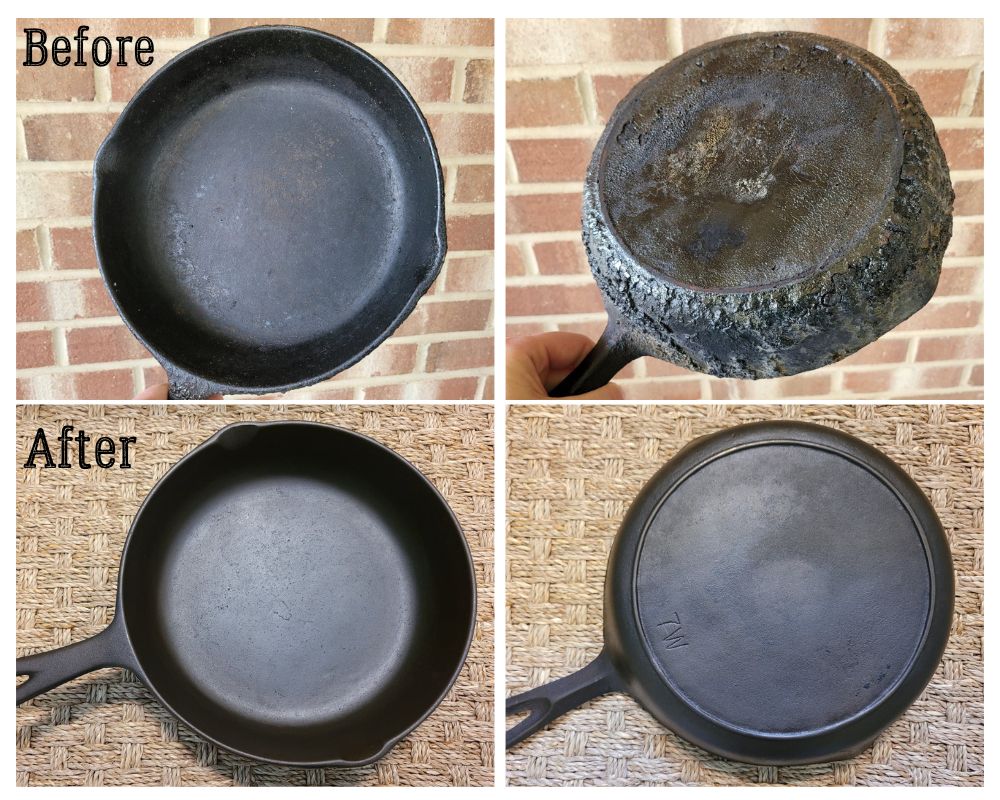
Learning how to restore cast iron cookware also means learning what not to do. These mistakes can undo your progress fast.
Avoid these common problems:
• Leaving the pan wet after washing
• Soaking in vinegar too long
• Using too much oil during seasoning
• Heating at too low a temperature
• Storing the pan before it is fully dry
• Scrubbing so hard that you damage the surface
• Cooking acidic foods too early after restoration
Another issue is impatience. If the pan does not look perfect after one round, that does not mean you failed. Cast iron often improves gradually. The best results usually come from steady care, not one dramatic fix.

How to Maintain Cast Iron After Restoration
Once you restore cast iron cookware, the goal is to keep it in good shape. Maintenance is much easier than restoration.
Follow these habits:
• Wash after cooking, then dry right away
• Use a small amount of oil after cleaning if the pan looks dry
• Avoid long water soaks
• Store in a dry place
• Place a paper towel inside the pan if stacking it
• Re-season when the surface starts to look dull or sticky
You do not need to baby cast iron, but you do need to respect moisture. Water is the enemy. A little oil and a little heat go a long way.
I like to think of cast iron like a good leather belt. It gets better with care, but it dislikes neglect. The more consistent your routine, the longer it lasts.

Best Foods to Cook After Re-Seasoning
After you restore cast iron cookware, start with foods that help build and protect seasoning. These foods often contain some fat and do not demand a perfect nonstick surface.
Good first meals include:
• Fried eggs with oil or butter
• Bacon
• Roasted potatoes
• Cornbread
• Pan-seared chicken thighs
• Grilled cheese
Try to avoid tomato sauce, wine sauces, or highly acidic dishes right away if the seasoning is still new. A mature cast iron pan handles more, but a freshly restored one needs time to settle in.
The first few cooks are part of the process. Every meal helps strengthen the pan’s surface a little more.

Benefits of Restoring Cast Iron Cookware
Restoring old cast iron has real benefits beyond saving money. In many cases, a restored pan performs just as well as a new one, and sometimes better.
Benefits include:
• Lower cost than replacing cookware
• Less waste
• Better heat retention
• Longer usable life
• A smoother cooking surface over time
• Stronger kitchen skills and confidence
There is also something satisfying about reviving a tool that looked finished. It feels practical, but it also feels personal. You are not just fixing a pan. You are preserving something useful and durable.
When Restoration Is Not the Right Choice
Not every pan is worth saving. Sometimes the damage is too serious, or the cookware is not actually cast iron.
A pan may be beyond repair if:
• It has deep cracks
• The handle is broken in a way that affects safety
• The metal is warped beyond use
• It is extremely thin from corrosion
• It is not cast iron at all
If you are unsure, check the weight and structure. Real cast iron is heavy and solid. When in doubt, compare it with a known cast iron pan or have a cookware expert inspect it.
Trust matters here. You do not want to spend hours restoring something unsafe or fake. Knowing the limits is part of good care.
Frequently Asked Questions of How to Restore Cast Iron Cookware
How long does it take to restore cast iron cookware?
Light restoration can take less than an hour of hands-on work, plus seasoning time. Heavily rusted pans may take longer if you need multiple rounds of cleaning and seasoning.
Can I use soap to clean cast iron before restoring it?
Yes, mild dish soap is fine during restoration. You are removing old buildup and rust, so a proper wash helps start with a clean surface.
What oil is best for seasoning restored cast iron?
Use a neutral oil with a high smoke point, like canola, vegetable, grapeseed, or flaxseed oil. The main thing is to apply it in a very thin layer so it bakes into a hard coating.
How do I know if the cast iron is fully dry?
The pan should feel completely dry to the touch and look free of moisture. A few minutes on low heat after towel-drying is the safest way to make sure no water is hiding on the surface.
Can I restore cast iron that has a lot of rust?
Yes, most rusted cast iron can be restored if the pan is structurally sound. You may need steel wool, a short vinegar soak, and several seasoning rounds to bring it back.
Conclusion
Restoring cast iron cookware is one of those kitchen skills that pays you back for years. Once you understand how to remove rust, dry the pan fully, apply thin oil layers, and season it correctly, the whole process becomes much less intimidating.
The best part is that cast iron usually forgives mistakes if you keep going. Start with one pan, take your time, and build up the seasoning slowly. If this guide helped, try it on a skillet you have been meaning to fix, and share your results or questions in the comments.