How To Repair Rusted Cast Iron Cookware: Easy Fix

You can remove rust, restore the seasoning, and bring cast iron back to life.
Rust on cast iron looks bad, but it is usually fixable. I have brought back pans that looked ready for the trash, and most of the time, the repair is simpler than people expect. If you want to know how to repair rusted cast iron cookware the right way, this guide will walk you through the full process with clear steps, practical tips, and a few hard-earned lessons.
What Rust on Cast Iron Really Means
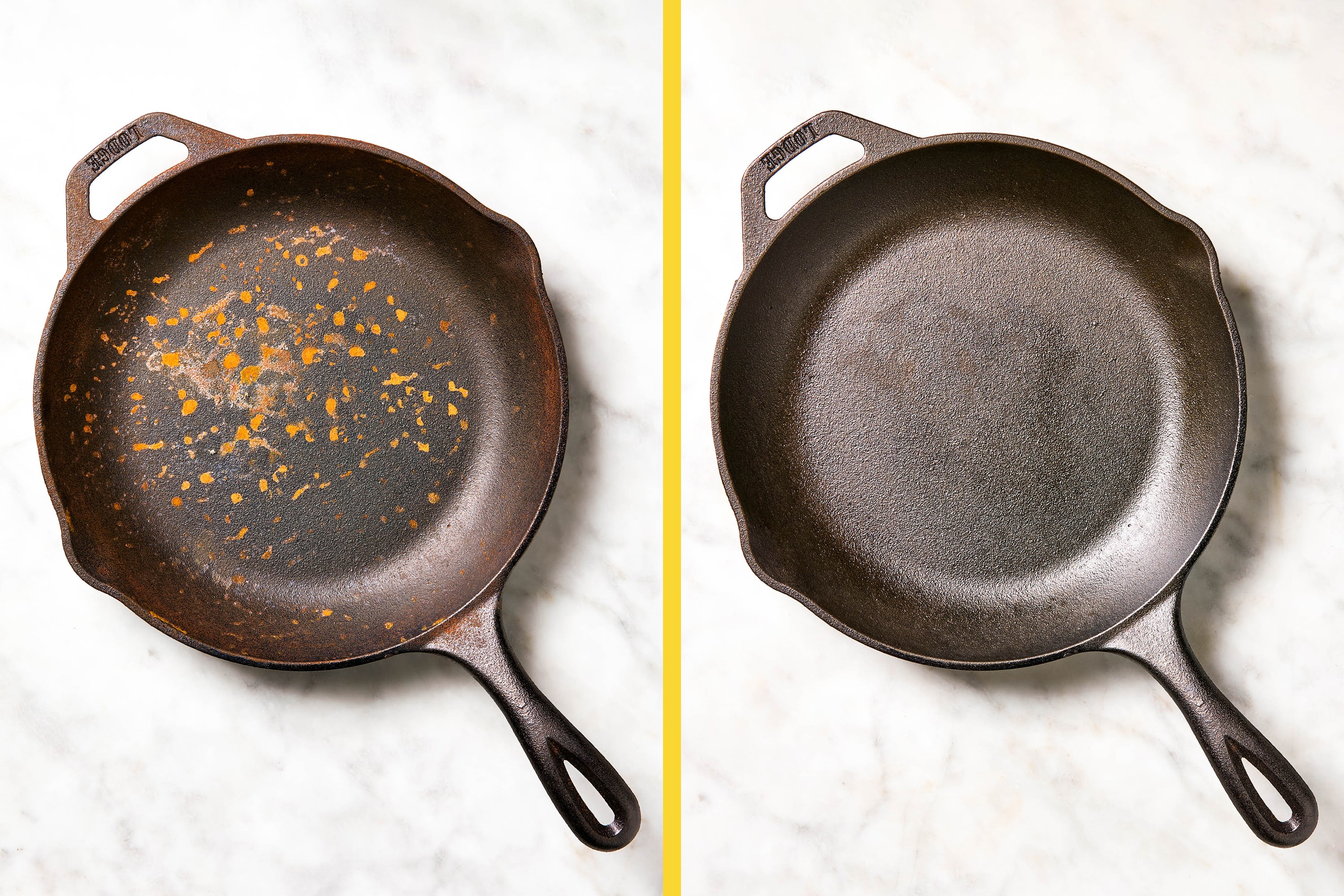
Rust is just iron reacting with moisture and oxygen. On cast iron cookware, it usually means the protective seasoning has worn away, or the pan was left wet for too long. The good news is that surface rust is common and often reversible.
What matters is the depth of the damage. Light orange rust is usually easy to fix. Heavy rust, flaking, or pitting takes more time, but even then, many pans can still be saved.
Cast iron is durable because it is thick and simple. That also makes it forgiving. If the metal is still solid, you can often clean it up and start again.
What You Need Before You Start
Before you repair rusted cast iron cookware, gather the right tools. A little prep saves a lot of frustration later. I learned that lesson after trying to rush a badly rusted skillet and ending up with uneven cleanup.
Use these basic supplies:
- Hot water
- Mild dish soap
- Stiff brush or scrub pad
- Steel wool or a chainmail scrubber
- White vinegar
- Baking soda
- Clean towels or paper towels
- Cooking oil with a high smoke point, like canola, grapeseed, or vegetable oil
- Oven or grill for seasoning
- Gloves, if you want extra hand protection
You do not need fancy products. In most cases, simple household items work just fine. The key is patience and a clean, dry finish.

Step-by-Step: How to Repair Rusted Cast Iron Cookware
1. Wash the pan first
Start with warm water and a small amount of dish soap. This removes grease, dirt, and loose debris before you tackle the rust. Contrary to old myths, a little soap is safe when you are restoring cast iron.
Scrub the pan well, inside and out. If the rust is light, this first wash may remove more than you expect. Dry it fully before moving on.
2. Remove loose rust
Use steel wool, a scrub pad, or a stiff brush to remove the rust from the surface. Work in circles and focus on the orange areas first. If the rust is stubborn, use a little more pressure, but do not gouge the metal.
For rough spots, I like to check the surface with my fingertips. If it still feels gritty, keep scrubbing. A smooth surface is a sign you are making real progress.
3. Use vinegar for heavier rust
If the rust is thicker, a short vinegar soak can help. Mix equal parts white vinegar and water, then submerge only the rusty part of the pan for a limited time. Check it often, because vinegar is acidic and can damage cast iron if left too long.
A good rule is to keep the soak brief, often no more than 30 minutes at a time. After soaking, scrub again. Repeat only as needed.
4. Rinse and neutralize
Once the rust is gone, rinse the pan well with warm water. If you used vinegar, sprinkle in a little baking soda or wash with a mild baking soda solution to help neutralize any leftover acid.
This step matters more than many people think. If vinegar stays on the surface, it can keep eating at the metal. I learned to rinse twice after one pan developed a dull, blotchy finish from leftover acid.
5. Dry immediately and completely
Dry the cookware right away with a towel. Then place it on a warm burner or in a low oven for a few minutes to remove hidden moisture. Rust loves tiny water droplets, especially in rivets, corners, and handle seams.
Do not skip this step. A pan can look dry and still hold moisture in small pores. Heat is your friend here.
6. Re-season the cast iron
Seasoning is what protects cast iron from future rust. Rub a very thin layer of oil over the entire surface, including the outside and handle. Wipe off all excess oil so the pan looks almost dry.
Then heat it in the oven upside down at around 450°F for about an hour. Let it cool inside the oven if possible. A thin, even coat works better than a thick, sticky one.
If the pan still looks dull or patchy, repeat the seasoning process a few times. A strong seasoning layer builds over time, like coats of paint.
When Vinegar Works Best and When to Avoid It
Vinegar is useful for rusted cast iron cookware, but it is not always the best first move. It works best on light to moderate rust and on pans that need a deeper clean before seasoning. It is less ideal for delicate restoration jobs where the metal is already thin or badly pitted.
Avoid long vinegar soaks. Too much acid can eat into the iron and create a rough surface. If you notice the pan looking gray, chalky, or overly etched, stop right away and rinse it well.
How to Tell If Your Cast Iron Is Beyond Surface Rust
Not all rust means the pan is ruined. Still, there are signs that help you judge the damage. I always tell people to look at the feel of the surface, not just the color.
Watch for these warning signs:
- Deep pits that stay after cleaning
- Crumbling edges
- Cracks in the metal
- A warped cooking surface that no longer sits flat
- Rust that keeps returning fast even after proper seasoning
If you see cracks, the pan may not be safe for cooking. But most surface rust, even if ugly, is repairable. Cast iron is tough in a way that surprises people.
Re-seasoning Tips That Actually Help
A lot of people clean rust off cast iron, then stop too soon. The real protection comes from seasoning. This is where the pan gets its smooth, dark, nonstick-like finish.
Here are a few practical tips:
- Use very thin layers of oil
- Heat the pan long enough for the oil to bond
- Repeat the process several times for stronger protection
- Store the pan in a dry place
- Place a paper towel inside the pan to absorb moisture
- Avoid cooking wet food right away if the seasoning is still weak
I have found that better seasoning is often the difference between a pan that lasts and one that rusts again in a month. Think of it like a raincoat. Without it, the metal is exposed.
Common Mistakes to Avoid
A lot of rust repair fails because of small mistakes. The process is simple, but the details matter. I have made a few of these mistakes myself, especially early on.
Avoid these problems:
- Leaving the pan wet after washing
- Soaking in vinegar for too long
- Using too much oil during seasoning
- Skipping the final dry heat step
- Storing the pan in a damp cabinet
- Scrubbing so hard that you damage the surface
The biggest one is moisture. If you remember only one thing, remember this: cast iron hates being left wet.
How to Prevent Rust From Coming Back
Once you repair rusted cast iron cookware, the next job is keeping it that way. Prevention is much easier than restoration. A few habits make a big difference.
Try these steps:
- Dry the pan completely after every wash
- Rub on a light oil coating after use if needed
- Store it in a dry spot with good airflow
- Use it regularly, since regular cooking helps maintain seasoning
- Avoid long water soaks
- Check older pans after humid weather or seasonal storage
In my kitchen, the pans that get used the most stay in the best shape. Regular use helps build a stronger surface over time.
Can You Cook With a Rusted Cast Iron Pan?
If the rust is light, you should clean it first before cooking. Cooking on a rusty surface is not the best idea, because rust affects the seasoning and the cooking surface. It may also leave food tasting metallic.
If the rust is heavy, clean and restore the pan first. Once the surface is smooth and re-seasoned, it is ready again. That is the beauty of cast iron: with care, it often comes back better than before.
Benefits of Restoring Rusted Cast Iron Cookware
Repairing old cast iron is worth the effort for several reasons. It saves money, reduces waste, and preserves cookware that can last for decades. Some of the best pans I have used were old thrift-store finds that only needed a little care.
The main benefits include:
- Lower cost than replacing cookware
- Better durability than many nonstick pans
- Improved cooking performance after seasoning
- Less waste going to landfills
- A long lifespan with proper care
There is also something satisfying about it. Restoring cast iron feels a bit like fixing a good tool and giving it another chance.
Frequently Asked Questions of How to Repair Rusted Cast Iron Cookware
How do I know if rusted cast iron can be saved?
Most surface rust can be saved with scrubbing, drying, and re-seasoning. If the pan has cracks or severe structural damage, it may not be safe to use.
Can I use steel wool on cast iron?
Yes, steel wool is one of the most effective tools for removing rust from cast iron. Use it with care and stop once the rust is gone so you do not scratch the metal more than needed.
Is vinegar safe for rusted cast iron cookware?
Yes, but only for short soaks and only when needed. Too much vinegar can etch the surface and cause more harm than good.
Why does my cast iron keep rusting after I clean it?
This usually means the pan is not being dried or seasoned well enough. Moisture is the main cause, so complete drying and a proper oil finish are essential.
How many times should I season cast iron after removing rust?
For a lightly rusted pan, one to three seasoning rounds may be enough. For heavier restoration, several coats often create a stronger, more reliable finish.
Conclusion
Repairing rusted cast iron cookware is not hard when you follow the right steps. Clean the rust, dry the pan fully, season it with thin layers of oil, and store it the right way. Once you understand the process, even an ugly old skillet can become a dependable kitchen tool again.
If you have a rusted pan sitting in a cabinet, this is your sign to bring it back. Start with one small step, take your time, and give it a fresh finish. If you found this guide helpful, try it on your own cookware and share your results with someone who loves cast iron too.