How to Clean Cast Iron Cookware That’s Rusted: A Simple Guide

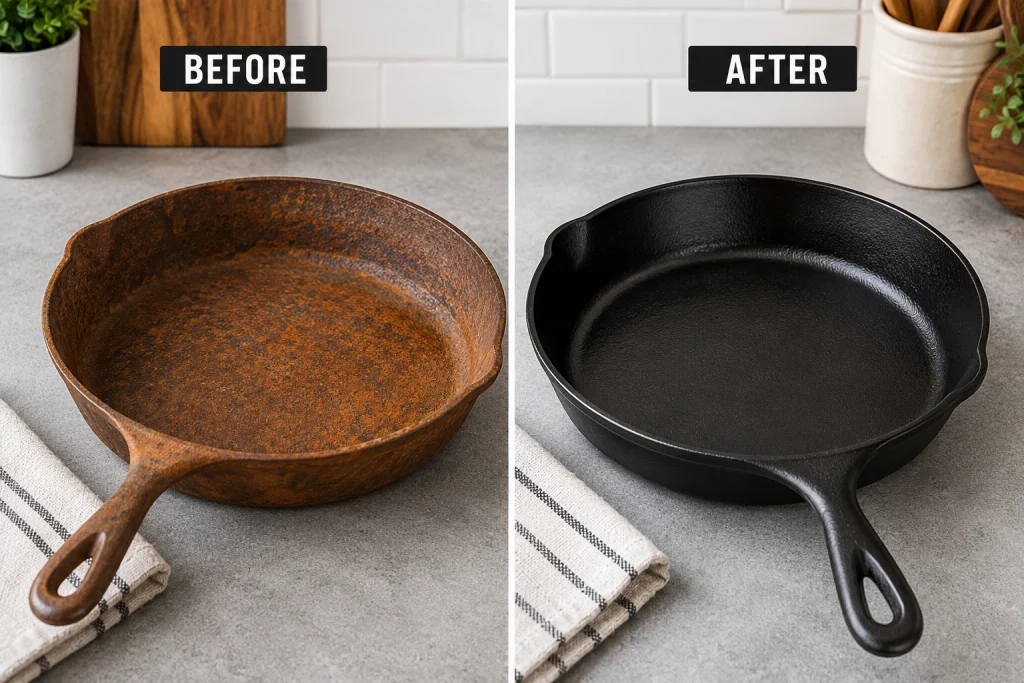
Hey there, Daniel Cross here. You pull your favorite heavy skillet out of the kitchen cabinet, ready to cook up some weekend breakfast, and your heart sinks. Instead of a smooth, black cooking surface, you see an ugly layer of orange rust. If you are like most everyday home cooks, your first thought might be to throw the pan in the trash and buy a new one.
Here’s the thing. You do not need to throw that rusted pan away. Cast iron is incredibly tough. It has been used in American kitchens, campsites, and family homes for generations specifically because it can take a beating and bounce right back. Unless the metal is physically cracked or warped, almost any rusted cast iron skillet can be brought back to life with a little bit of elbow grease and some basic kitchen supplies you probably already have under your sink.
Let me explain exactly how to tackle this problem. In this guide, we will walk through the exact steps to scrub away the rust, clean the pan safely, and build up a fresh layer of nonstick seasoning. We will also cover common mistakes to avoid so your cookware stays in great shape for years to come. Grab your cleaning supplies, and let’s get that skillet looking brand new again.
Quick Answer
To clean cast iron cookware that is rusted, start by scrubbing the rusted areas firmly with fine steel wool or a stiff wire brush until all the orange rust is gone. Next, wash the pan with warm water and mild dish soap to remove the rust dust. Dry the skillet immediately and completely using a towel, then heat it on the stove for a few minutes to remove hidden moisture. Finally, rub a very thin layer of high-heat cooking oil over the entire pan and bake it upside down in a 400-degree oven for one hour to rebuild the protective seasoning.
What Home Cooks Should Know About Cast Iron Rust
Before we start scrubbing, it helps to know why your pan rusted in the first place. Cast iron is made of raw, porous metal. Unlike modern stainless steel cookware or pans coated with chemical nonstick surfaces, raw iron reacts quickly when it is exposed to moisture and air. This chemical reaction creates iron oxide, which we know as rust.
In a healthy cast iron pan, the metal is protected by something called “seasoning.” Seasoning is not salt and pepper. In the kitchen cookware world, seasoning refers to layers of cooking oil that have been baked onto the iron at a high temperature. This process, called polymerization, turns the liquid oil into a hard, slick, plastic-like shell that protects the metal from water and keeps your food from sticking.
Your pan will rust when that protective seasoning layer breaks down. Here are the most common reasons this happens in everyday kitchens:
- Air drying: Leaving the pan on the counter or drying rack while still wet.
- Soaking in the sink: Letting the skillet sit in a sink full of soapy water to loosen stuck food.
- Acidic foods: Simmering tomato sauce, vinegar, or citrus juices for a long time, which can eat away the oil layer.
- The dishwasher: The harsh detergents and long moisture cycles in a dishwasher will completely strip cast iron and cause flash rust.
- Humid storage: Keeping the pan in a damp basement, a humid cabinet, or right next to the stove where boiling steam settles on it.
Signs You Should Adjust Your Kitchen Choice, Tool, or Method
Not all rust is the same. Sometimes, a quick wash is all you need. Other times, you need a full restoration project. It is important to know what you are dealing with before you start so you don’t waste time or, worse, use a pan that isn’t safe.
If you have an old pan from a garage sale or an antique shop, be careful. Always inspect vintage cookware for severe damage. If you are ever in doubt about the safety of an old piece of cookware, check the official manufacturer care instructions or consult resources like the Consumer Product Safety Commission (CPSC) for product safety guidelines and recall information regarding older items.

Here is a simple breakdown to help you decide what to do with your pan:
| Condition of the Cast Iron | What It Means | Recommended Action |
|---|---|---|
| Light, dusty orange rust spots | Minor surface moisture or incomplete drying. | Quick scrub with a sponge, dry well, and wipe with oil. |
| Solid orange layer across the cooking surface | Seasoning has worn off and iron was exposed to water. | Full scrub with steel wool and a complete oven re-seasoning. |
| Deep pitting, thick flakes of rust, and black crust | Years of neglect, heavy moisture damage, and burnt food. | Requires heavy restoration (vinegar soak) and multiple layers of seasoning. |
| Visible cracks in the metal walls or base | Structural failure from dropping or extreme temperature shock. | Do not use. The pan is unsafe and could break while hot. Discard it. |
| Strong chemical smell or strange residue on vintage pan | May have been used to melt non-food items (like lead). | Do not use for food. Test for lead or use only for display. |
Kitchen Safety Note: Never pour cold water into a screaming hot cast iron pan. The sudden temperature change, known as thermal shock, can cause the thick metal to warp permanently or even crack in half safely on your stove, creating a severe burn hazard. Always let your cookware cool down slightly before washing.
How to Clean Cast Iron Cookware That’s Rusted Step by Step
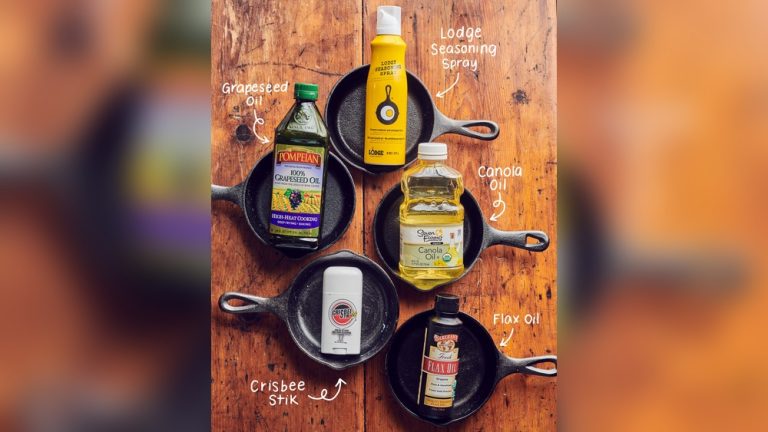
Ready to fix that pan? The good news is that the process is straightforward. You do not need expensive commercial cleaners. In fact, standard household items work best. Make sure you have fine steel wool, mild dish soap, dry microfiber cloths or paper towels, high-heat cooking oil (like canola, vegetable, or grapeseed), and some aluminum foil.
Follow these steps to safely restore your pan:
- Scrub the rust away: Take your dry pan to the sink. Using a piece of fine steel wool or a stiff wire brush, scrub the rusted areas firmly. You want to remove all the visible orange and red rust until you see the dull, raw, grayish-black iron underneath. If the rust is very thick, you can add a tiny bit of water to make a paste, but keep scrubbing until the rust flakes off.
- Wash the pan thoroughly: Once the rust is physically removed, squirt a small amount of mild dish soap into the pan. Use a standard sponge and warm water to wash the entire pan—inside, outside, and the handle. This washes away the fine metal dust and old grease. Yes, you can use soap here because we are preparing to completely rebuild the seasoning!
- Dry it immediately: This is the most important step. Cast iron can “flash rust” in minutes if left wet. Dry the pan completely with a clean towel. Then, place the pan on your stovetop over medium-low heat for 3 to 5 minutes. The heat will evaporate any microscopic moisture hiding in the pores of the metal.
- Apply a thin layer of oil: Turn off the stove and let the pan cool just enough so you can safely handle it. Pour a dime-sized drop of cooking oil into the pan. Using a paper towel, rub the oil all over the cooking surface, the outside walls, and the handle. Now, take a clean, dry paper towel and wipe the oil off. You want the pan to look dull, not shiny or wet. If you leave too much oil, your pan will become sticky.
- Bake the pan to set the seasoning: Preheat your oven to 400 degrees Fahrenheit (200 degrees Celsius). Place a sheet of aluminum foil on the bottom rack to catch any oil drips. Place your oiled cast iron pan upside down on the middle rack. Baking it upside down prevents oil from pooling in the center. Let it bake for one full hour.
- Cool and store: After an hour, turn the oven off. Leave the pan inside the oven to cool down slowly. Once it is completely cool, your pan is fully restored, protected, and ready to cook your next meal.
Common Mistakes to Avoid
Even well-meaning home cooks make mistakes when trying to clean up after dinner. Avoid these common traps to keep rust away permanently:
- Leaving the pan in the sink: Never let cast iron sit in water. Wash it as soon as you finish eating.
- Using the dishwasher: Dishwasher detergent is highly abrasive. Combined with a two-hour water cycle, it is the fastest way to ruin your pan’s seasoning.
- Applying too much oil: If you leave thick streaks of oil in the pan before baking, it will turn into a sticky, gummy mess rather than a smooth nonstick surface.
- Storing damp pans: Stacking a cast iron pan while it is still slightly damp will trap moisture and invite rust. Always use the stovetop drying method.
- Using harsh chemical cleaners: Stick to simple dish soap. Avoid bleach, oven cleaners, or heavy degreasers, unless you are following specific stripping instructions from the manufacturer. Mixing chemicals in the kitchen can be highly dangerous.
Practical Tips from Daniel
I have ruined my fair share of seasoning over the years, and I have had to scrub out plenty of rust. Here are a few practical habits I have picked up that make maintaining cast iron incredibly easy.Daniel’s Kitchen Tip: The Best Defense is Cooking
The absolute best way to keep rust away and build an amazing nonstick surface is to use the pan frequently. Frying bacon, roasting vegetables with olive oil, or baking cornbread are fantastic ways to naturally add micro-layers of seasoning to your skillet. A pan that sits in a cabinet for six months is far more likely to rust than a pan you use every Tuesday.
When you are done cooking, clean the pan while it is still warm. It is much easier to wipe out food residue when the pan hasn’t completely cooled down. If you have burnt-on food, don’t reach for the steel wool immediately. Instead, add a handful of coarse kosher salt to the warm pan and use a paper towel to scrub. The salt acts as a safe, natural abrasive that removes food without tearing up your good seasoning.

Also, think about how you store your cookware. If you stack your pots and pans to save space in a small kitchen, place a dry paper towel or a felt pan protector between your cast iron skillet and the pan sitting inside it. This simple trick prevents scratches and absorbs any lingering humidity in the air.Warning: If you ever experience heavy smoke, grease fires, or unusual chemical smells while re-seasoning a pan in the oven, turn off the heat immediately. Keep the oven door closed to starve a potential fire of oxygen. Always ensure your kitchen has proper ventilation and working smoke detectors when working with hot cooking oils.
Key Takeaways
- Cast iron rusts when its protective oil layer (seasoning) wears off and the bare iron is exposed to moisture.
- Light surface rust is easy to fix at home using fine steel wool, mild dish soap, and a little elbow grease.
- Always dry cast iron immediately with a towel and heat it on the stove to remove microscopic moisture.
- After stripping rust, you must re-season the pan by applying a very thin layer of oil and baking it at 400 degrees Fahrenheit for one hour.
- Never put cast iron cookware in the dishwasher, let it air dry, or leave it soaking in the sink.
Frequently Asked Questions
Can I use vinegar to remove rust from cast iron?
Yes, but only for heavy rust. A mixture of equal parts white vinegar and water can dissolve severe rust if you soak the pan for up to one hour. Do not soak it longer, or the acidic vinegar will begin to permanently pit and damage the raw iron beneath the rust.
Is it safe to cook with a cast iron pan that has a little rust?
While ingesting a tiny amount of rust (iron oxide) is generally not considered toxic, it will make your food taste metallic and unappetizing. It is best practice for general food safety and meal quality to scrub away all visible rust before preparing food.
Does washing with dish soap cause rust?
No, modern mild dish soap will not cause rust or ruin a properly seasoned pan. The myth that soap ruins cast iron comes from decades ago when soaps contained harsh lye. Today’s gentle dish soaps are safe for quick cleanups, as long as you dry the pan immediately afterward.
What is the best oil to season a cast iron pan?
You want an oil with a high smoke point that polymerizes well. Canola oil, vegetable oil, grapeseed oil, and melted shortening are excellent, affordable choices for everyday home cooks. Avoid using olive oil or butter for the oven seasoning process, as they have low smoke points and will burn.
Can I put my cast iron skillet in the dishwasher?
No, you should never put cast iron in the dishwasher. The intense water pressure, high heat, and abrasive dishwashing detergents will completely strip your seasoning and leave the pan covered in a layer of flash rust by the time the cycle ends.
Why is my pan sticky after I tried to season it?
A sticky or gummy pan happens when you leave too much oil on the surface before baking it. You must wipe the oil out with a dry paper towel until the pan looks almost dry. To fix a sticky pan, bake it again at 400 degrees Fahrenheit for another hour to help the excess oil harden.
Conclusion
Finding rust on your cast iron cookware is definitely frustrating, but as we have covered today, it is far from a disaster. By taking the time to scrub away the oxidation, wash the surface, and rebuild that protective layer of seasoning in the oven, you can bring almost any old pan back to life. Cast iron rewards you for taking care of it, and a well-maintained skillet will easily outlast almost everything else in your kitchen.
So what should you do next? Grab that rusty pan and get to work. Once you see that shiny, dark, nonstick surface return, you will feel a great sense of accomplishment. Remember, the best way to keep that rust away permanently is to simply keep cooking.
If you are looking to upgrade your cooking station after fixing up your pans, be sure to check out our complete kitchen tools buying guide for practical recommendations on spatulas, cutting boards, and meal prep gear. Happy cooking, and stay safe in the kitchen!