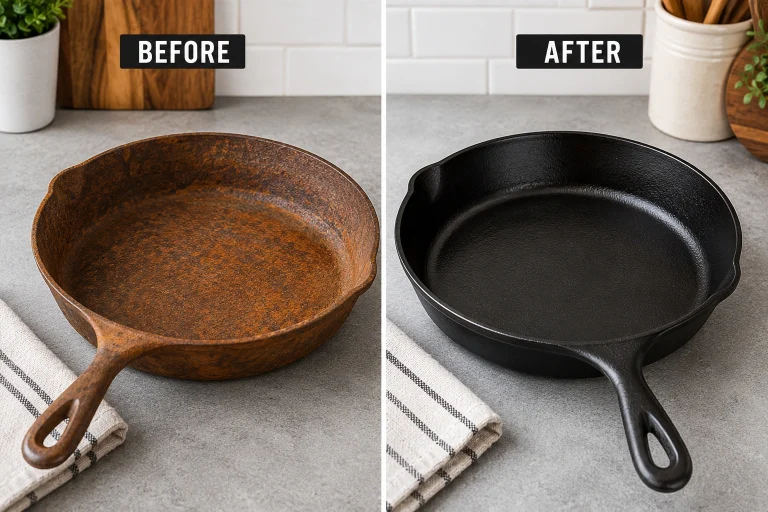
Is Cast Iron Good for Health? Surprising Benefits Explained

Is Cast Iron Good For Health
Cooking tools shape our daily meals. We use them without always thinking how they affect flavor, nutrition, or long-term health. One material stands out in kitchens worldwide: cast iron. Many home cooks and chefs praise cast iron for its durability and even heat. Others worry about health risks like excess iron or metal leaching. Is cast iron healthy, or should you be cautious? I cook with cast iron often, and in this article I walk through the facts, myths, and science so you can choose what fits your kitchen and your health.
What Is Cast Iron?
Cast iron is a simple metal alloy made mainly of iron with a small percentage of carbon (and sometimes trace elements). It is heavy, very strong, and holds heat well. Cast iron pans, skillets, and Dutch ovens usually look black or dark gray and feel heavier than stainless steel or aluminum pieces.
Manufacturers make cast iron by pouring molten iron into molds. The result: cookware that can last for decades. Many households hand down cast iron pans through generations. Because of its weight and heat stability, cast iron works well for frying, roasting, baking, and slow-simmering stews.
How Does Cast Iron Affect Food?
When you cook on bare or well‑seasoned cast iron, food touches metal. That contact can change taste, texture, and even the nutrient content of the food. Below I explain the most important ways cast iron interacts with food.
Iron Transfer To Food
One clear effect is that some iron transfers from the pan into food. Iron is an essential mineral. It helps carry oxygen in blood and supports energy and brain function.
Research shows that foods cooked in cast iron can pick up measurable iron. Acidic or high‑moisture foods — think tomato sauces, braises, and long stews — tend to absorb the most. For example, cooking tomato sauce in a seasoned cast iron skillet can increase its iron content by several times compared with stainless steel.
Cooking Performance
Cast iron warms slowly, but it keeps heat. That gives steady, even cooking. You get excellent browning on steaks, crisp edges on potatoes, and evenly baked cornbread. Its heat retention also helps reach and hold temperatures that kill bacteria, making some cooking tasks safer.
Non-stick Qualities
A well‑seasoned cast iron pan has a natural non-stick feel. Seasoning is a thin layer of polymerized oil baked onto the metal surface. It’s not a synthetic chemical coating. Good seasoning reduces sticking and lets you use less oil for cooking — a helpful trait for lower‑fat diets.
Health Benefits Of Using Cast Iron
Cast iron offers several practical health advantages. Below I highlight the main benefits and why they matter.
Boosts Dietary Iron
Many people do not get enough iron. This is common in women of childbearing age, young children, and some people on plant‑based diets. Iron deficiency causes tiredness, poor concentration, and can lead to iron deficiency anemia.
Cooking with cast iron is a simple, food‑based way to raise iron intake. It helps in these situations:
- Vegetarians and vegans — Plant foods usually provide non‑heme iron, which absorbs less well than animal iron. Cast iron can add useful extra milligrams.
- Pregnant women — Pregnancy raises iron needs. Small, steady increases from cookware can help, alongside prenatal supplements if advised by a doctor.
- Children — Growing kids need iron for development. Home‑cooked meals in cast iron can modestly boost intake.
- Athletes — Athletes, especially endurance athletes, can have higher iron needs for energy and muscle function.
No Chemical Coatings
Unlike some non‑stick pans, bare cast iron has no synthetic coating that can break down. Many non-stick surfaces use PTFE (Teflon). If overheated, older or damaged PTFE coatings can release fumes. Cast iron’s seasoning is oil‑based and much more stable at high heat.
Durable And Reusable
Cast iron lasts for decades with basic care. That longevity reduces waste. Fewer pans used and discarded is good for the environment. It also means you avoid risks from damaged or flaking coated pans.
Safer Cooking At High Temperatures
Cast iron tolerates very high heat — well above typical oven temperatures (500°F / 260°C or more). You can broil, sear, or use cast iron on grill and fire without worrying about melting or off‑gassing coatings.
Less Need For Extra Oil
When your pan is well seasoned, food releases more easily. This reduces the need for added fats. For people managing calories or heart health, that can help.
Possible Risks And Downsides
Cast iron has many positives, but it also has downsides. Know these so you can use cast iron safely and smartly.
Too Much Iron
Most people benefit from modest extra iron. But people with iron‑overload conditions such as hemochromatosis should be careful. Excess iron builds up in organs and can cause joint pain, fatigue, and organ damage. If you have a diagnosis or family history, discuss cookware choices with your doctor.
Rust And Maintenance
Cast iron can rust when left wet or stored improperly. Rust may affect flavor and, in some people, trigger stomach upset. Prevent rust by drying pans and keeping them oiled. If rust appears, you can scrub and re‑season the pan.
Heavy And Hard To Handle
Cast iron is heavy. Large skillets and Dutch ovens can be awkward to lift or pour from. Older adults or people with weak hands should choose lighter sizes or use helper handles and proper lifting technique.
Reacts With Acidic Foods
Acidic foods like tomatoes, wine‑based sauces, or vinegar can strip seasoning and increase iron transfer. That’s not always bad, but it can change flavor and require re‑seasoning afterward.
Potential For Metal Leaching
The main metal in cast iron is iron. Modern cast iron rarely contains harmful metals like lead. However, very old or poorly manufactured second‑hand pans might carry contaminants. Inspect used pans and, if in doubt, test them or avoid using them for acidic foods.
Credit: www.reddit.com
Comparing Cast Iron To Other Cookware
Here’s a quick comparison of how cast iron stacks up against other common cookware materials. This helps you pick the right tools for health and cooking style.
| Cookware Material | Health Impact | Durability | Heat Resistance | Maintenance |
|---|---|---|---|---|
| Cast Iron | May increase iron intake; no chemical coatings | Very durable | High | Needs seasoning; can rust |
| Stainless Steel | Safe; no iron transfer | Durable | High | Easy; no seasoning |
| Non-stick (PTFE) | Risk of chemical fumes at high heat | Moderate | Medium | Easy; coating can wear out |
| Ceramic | Safe if lead-free | Medium | Medium | Easy; coating can chip |
| Aluminum | Possible metal leaching | Medium | Medium | Easy; can warp |
Iron Absorption: How Much Is Too Much?
Iron is essential, but excess iron has risks. Below are common daily recommendations to give context.
| Group | Recommended Daily Iron (mg) | Upper Limit (mg) |
|---|---|---|
| Men (19+ years) | 8 | 45 |
| Women (19–50 years) | 18 | 45 |
| Pregnant Women | 27 | 45 |
| Children (1–13 years) | 7–10 | 40 |
Typical estimates say cooking in cast iron adds roughly 1–5 mg of iron per meal, depending on food type, cooking time, and pan seasoning. For most people, that is safe and useful. For those near the upper limits or with hemochromatosis, even small additions matter—so consult a clinician.
Real-life Examples: How Cast Iron Can Help
Many people report real benefits after switching to cast iron. A few common stories I hear and see:
- Vegetarian families using cast iron to boost iron in home meals, helping kids reach healthy iron levels.
- People with mild iron deficiency noticing improved energy and lab values after regular meals cooked in cast iron.
- Home cooks choosing cast iron to avoid non‑stick chemicals and for the better browning and texture.
- Food bloggers and chefs recommending cast iron for baking and roasting because of better crust and heat retention.
Practical Tips For Safe Cast Iron Use
Cast iron is straightforward if you follow a few habits. These tips help you keep the pan working well and avoid problems.
Season Your Pan Regularly
To keep a non-stick surface and prevent rust, season your pan. Rub a thin layer of oil over the surface and heat it until the oil bonds. Good choices include vegetable oil, canola, or flaxseed oil. I recommend multiple thin layers rather than a single thick coat.
Dry Thoroughly After Washing
Never leave cast iron wet. Wipe it dry and then warm it on the stove for a minute or two to drive off any remaining moisture.
Avoid Cooking Very Acidic Foods Often
Acidic dishes can wear seasoning and increase iron transfer. If you make tomato‑based sauces or dishes with lots of vinegar, try to limit the frequency or use an enameled cast iron pot for those meals. Re‑season the pan after such cooking.
Store In A Dry Place
Store your cast iron in a dry cabinet. If you stack pans, place a paper towel between them to absorb moisture and prevent scratching.
Use Wood Or Silicone Utensils
Metal tools can scratch seasoning. Use wooden, silicone, or heat‑resistant nylon utensils to protect the surface.
Check For Old Or Damaged Pans
When buying used cast iron, inspect for cracks, deep pitting, or strange discoloration. Pans made before the 1970s or from unknown sources may contain unsafe metals. If you suspect contamination, get the pan tested or avoid using it for food.
Myths And Misunderstandings About Cast Iron
There’s a lot of old advice and myths about cast iron. Let’s clear up common ones I hear from readers and friends.
Myth 1: Cast Iron Is Unsafe
Some people fear cast iron because it adds iron to food. For most people, that is safe and helpful. Only people with diagnosed iron‑overload conditions need to limit iron intake.
Myth 2: Cast Iron Is Hard To Clean
With the right methods, cast iron is easy to clean. You don’t need harsh soap or soaking. Use warm water, a stiff brush, or coarse salt as a scrub. Dry and oil the pan after cleaning.
Myth 3: Cast Iron Cannot Be Used For All Foods
While acidic foods can affect seasoning, cast iron is safe for most recipes. You may need to re‑season after acidic dishes, or use an enameled pan for frequent tomato cooking.
Myth 4: Cast Iron Is Always Non-stick
New pans can stick until they build up a good seasoning layer. Non-stick improves with use and care.
Myth 5: Cast Iron Is Bad For Vegetarians
On the contrary: vegetarians often benefit from the extra iron that cast iron adds to plant‑based meals.
How To Choose The Right Cast Iron Pan
Choosing the right pan matters. Here’s what I recommend looking for:
- Size and Weight: Pick a pan that fits your stove and strength. A 10‑inch skillet is a versatile starter size.
- Pre-seasoned vs. Unseasoned: Pre‑seasoned pans are ready to use. Unseasoned lets you build seasoning your way.
- Handles: Look for large main handles and a helper handle for lifting heavier pans.
- Brand Reputation: Buy from brands with reliable quality. Avoid extremely cheap or unknown makers.
- Smooth vs. Rough Surface: Smoother cast iron often develops non‑stick seasoning faster.
- Lid Compatibility: If you cook stews, a matching lid is useful.
- Country of Origin: Pans made in the US or Europe are often built to consistent standards and may be safer.
Cast Iron And Environmental Health
Cast iron benefits the environment as well as the home cook:
- Lasts a lifetime, lowering waste.
- Made from simple, often recyclable materials.
- Reduces the need to replace pans every few years.
- No chemical coatings reduce pollution and manufacturing emissions.
Scientific Studies: What Does Research Say?
Research supports many of the benefits discussed here.
- A study in the Journal of the American Dietetic Association found iron‑deficient children had higher blood iron after eating food cooked in cast iron for a few weeks.
- Other research shows cast iron increases iron in cooked rice, lentils, and tomato sauce — especially with longer cooking times and acidic ingredients.
- Studies generally report no significant leaching of harmful metals from modern cast iron cookware.
That said, the amount of iron added varies with cooking time, pan condition, acidity, and the food itself. For more on iron absorption and cookware safety, see this peer‑reviewed study.
Cast Iron In Different Cultures
Cast iron is a global kitchen tool. In India, the tawa is used to make flatbreads. In the US and Europe, cast iron skillets brown meats and bake cornbread. Across Africa and Asia, heavy cast pots simmer stews and soups.
Every culture values cast iron for even heat, durability, and the ability to cook large family meals. Traditional recipes often rely on how cast iron cooks and retains heat.
Common Mistakes When Using Cast Iron
Even seasoned cooks slip up. Avoid these common mistakes:
- Not drying the pan properly: This leads to rust.
- Using too much soap: Strong detergents can strip seasoning.
- Cooking only acidic foods: Repeated acid use damages seasoning.
- Storing wet or stacked pans: Causes scratches and rust if moisture is trapped.
- Ignoring cracks or chips: Damaged pans can be unsafe to cook with.
- Not re‑seasoning regularly: The non‑stick surface fades without upkeep.
Cast Iron For Special Diets
Cast iron can help certain diets:
- Low‑fat diets: Need less oil when the pan is well seasoned.
- Vegetarian or vegan diets: Adds modest extra iron to plant‑based meals.
- Gluten‑free diets: Cast iron is safe and easy to clean to prevent cross‑contamination.
If you have iron overload, kidney disease, or other medical concerns, check with your healthcare provider before relying on cast iron to adjust nutrient intake.
Caring For Your Cast Iron Pan
Good care keeps your pan safe and performing well. Do these steps:
- Clean after every use: Wipe with a cloth or scrub with coarse salt and warm water.
- Dry completely: Heat on the stove briefly to remove moisture.
- Apply a thin layer of oil: Rub a little oil on the surface to protect against rust.
- Store in a dry place: Keep away from damp or humid spots.
- Re‑season when food starts sticking: Restore the non‑stick layer as needed.
Comparing Iron Transfer In Different Foods
Iron transfer varies by food. Below is a rough guide to how much extra iron different foods can pick up from cast iron cookware.
| Food Type | Iron Added (mg per serving) | Notes |
|---|---|---|
| Tomato Sauce | 3–5 | High acidity increases iron transfer |
| Rice | 1–2 | Moist foods absorb moderate iron |
| Eggs | 0.5–1 | Lower iron transfer |
| Stews | 2–4 | Long cooking time raises iron transfer |
| Bread | 0.2–0.5 | Shorter baking time, less iron |
Cast Iron In Modern Kitchens
Cast iron is having a comeback. Many cooks pick it for health, performance, and its classic look. Social platforms and cooking shows have helped fuel interest.
Modern pans often arrive pre‑seasoned and ready to use. You can now find specialty cast iron for pizza, grill pans, and skillets designed to be lighter or smoother.
People use cast iron for outdoor cooking too — it handles open flame and charcoal well. It also serves nicely as oven‑to‑table cookware.

Credit: stahlkitchens.com
Final Thoughts: Is Cast Iron Good For Health?
Cast iron has served cooks for centuries, and for good reason. It can add helpful iron to diets, avoids synthetic coatings, lasts for decades, and produces great flavor and texture. For most people, cast iron is a healthy and practical choice—especially for those who need more iron.
That said, know your health needs. People with iron overload or other specific medical issues should be cautious. With routine care and sensible use, cast iron is a safe, eco‑friendly addition to most kitchens. From my own cooking, a well‑cared‑for skillet feels like a tool that improves dishes while giving peace of mind about chemicals and longevity.
Frequently Asked Questions
Is Cast Iron Safe For Cooking Every Day?
Yes. For most people, daily use of cast iron is safe. It does not release harmful chemicals like some non‑stick coatings and adds only a small amount of iron to meals. If you have iron overload, limit use and consult your doctor.
Can Cast Iron Pans Cause Iron Poisoning?
Iron poisoning from cast iron pans is very rare. Only people with disorders such as hemochromatosis are at real risk from small amounts of added iron. For the average person, the extra iron is usually beneficial.
How Do I Clean A Cast Iron Pan?
Clean with warm water and a brush or use coarse salt as a scrub. Avoid long soaking and heavy detergents. Dry immediately and season lightly with oil to protect the surface.
Can I Use Cast Iron For All Types Of Food?
Mostly yes. Acidic dishes like tomato sauce may wear the seasoning if cooked repeatedly. If you make many acidic recipes, consider an enameled cast iron pot or re‑season more often.
Is Cast Iron Better Than Non-stick Pans?
Cast iron offers advantages: it is safer at very high heat, more durable, and lacks synthetic coatings. However, it’s heavier and requires more care. For many cooks, cast iron and non‑stick both have roles: use cast iron for high‑heat searing, baking, and long‑cooks, and non‑stick for delicate eggs and easy cleanup.
Credit: www.thekitchn.com
Enameled Cast Iron vs Bare Cast Iron (Added Section)
A common choice is between bare cast iron and enameled cast iron. Both have pros and cons.
- Enameled Cast Iron: Coated with a glassy enamel. No iron transfer. Easier care for acidic foods. Often more expensive and slightly more fragile if the enamel chips.
- Bare Cast Iron: Offers iron boost to food, builds a natural seasoning, and is usually less costly. Requires regular seasoning and is sensitive to acidic dishes if used frequently.
If you cook a lot of tomato‑based sauces or frequently need easy cleanup, an enameled Dutch oven can be a great complement to a bare cast iron skillet.
Who Should Limit Cast Iron Use? (Added Section)
While cast iron is safe for most, these groups should take care:
- People with diagnosed hemochromatosis or iron overload.
- Those advised by a healthcare provider to limit iron intake.
- People using very old, unknown or damaged second‑hand pans that might contain contaminants.
If you suspect high iron levels, simple blood tests (serum ferritin, transferrin saturation) can guide choices. Always review results with a doctor before changing diet or cookware habits.
How To Track Iron Added By Cast Iron (Added Section)
If you want to estimate iron from cast iron cookware:
- Cook an acidic, moist food (tomato sauce, stew) for a longer time to see higher transfer.
- Well‑seasoned pans typically transfer less iron than newly seasoned or stripped pans.
- Conservative estimate: 1–5 mg of extra iron per serving, depending on food and method.
If you need precise numbers for medical reasons, a dietitian or lab tests can help measure dietary iron and blood iron markers.