
Best All-Clad Cookware Buying Guide 2026

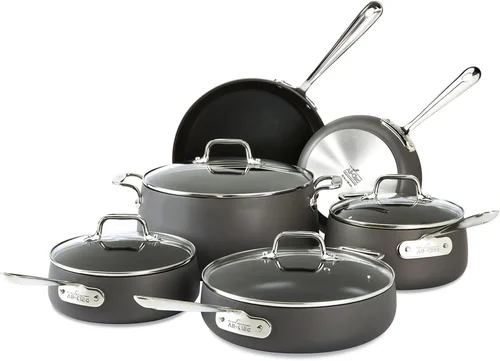
When it comes to investing in cookware, few brands spark as much debate as All-Clad. Known for their premium pricing and professional-grade construction, All-Clad pans have become a staple in both high-end kitchens and passionate home cooks’ collections. But with prices that often start in the hundreds—and can climb well into the thousands for full sets—many wonder: is All-Clad cookware truly worth the high price? This comprehensive buying guide aims to cut through the marketing noise and deliver an honest, expert-level evaluation of what you’re really paying for. Whether you’re upgrading from nonstick basics or considering your first serious cookware investment, this guide will help you make a confident, informed decision.
In the crowded cookware market, options abound—from budget-friendly nonstick sets at big-box retailers to artisanal cast iron and trendy ceramic-coated pans. Amid this variety, All-Clad stands out for its consistent use of tri-ply stainless steel construction, American craftsmanship, and a reputation built over decades in professional kitchens. But premium materials and heritage don’t automatically justify a premium price tag. This guide will walk you through the key factors that determine value in cookware, compare All-Clad’s offerings across different product lines, highlight common purchasing pitfalls, and offer actionable tips to ensure you get the best possible deal. By the end, you’ll understand not just whether All-Clad is worth it—but whether it’s worth it for you.

What to Look for When Buying Buying Guide
1. Budget & Price Range
All-Clad cookware is undeniably expensive. A single 10-inch fry pan can cost $150 or more, while full 10-piece sets often exceed $800. Before diving in, assess your cooking habits, kitchen needs, and long-term goals. Are you a weekend warrior who cooks occasionally, or do you prepare meals daily and entertain frequently? If you’re serious about cooking and plan to use your pans for years—even decades—the upfront cost may be justified. However, if you’re on a tight budget or still experimenting with your culinary style, starting with a single piece (like a sauté pan) can be a smart way to test the waters without overspending.
2. Performance Specifications
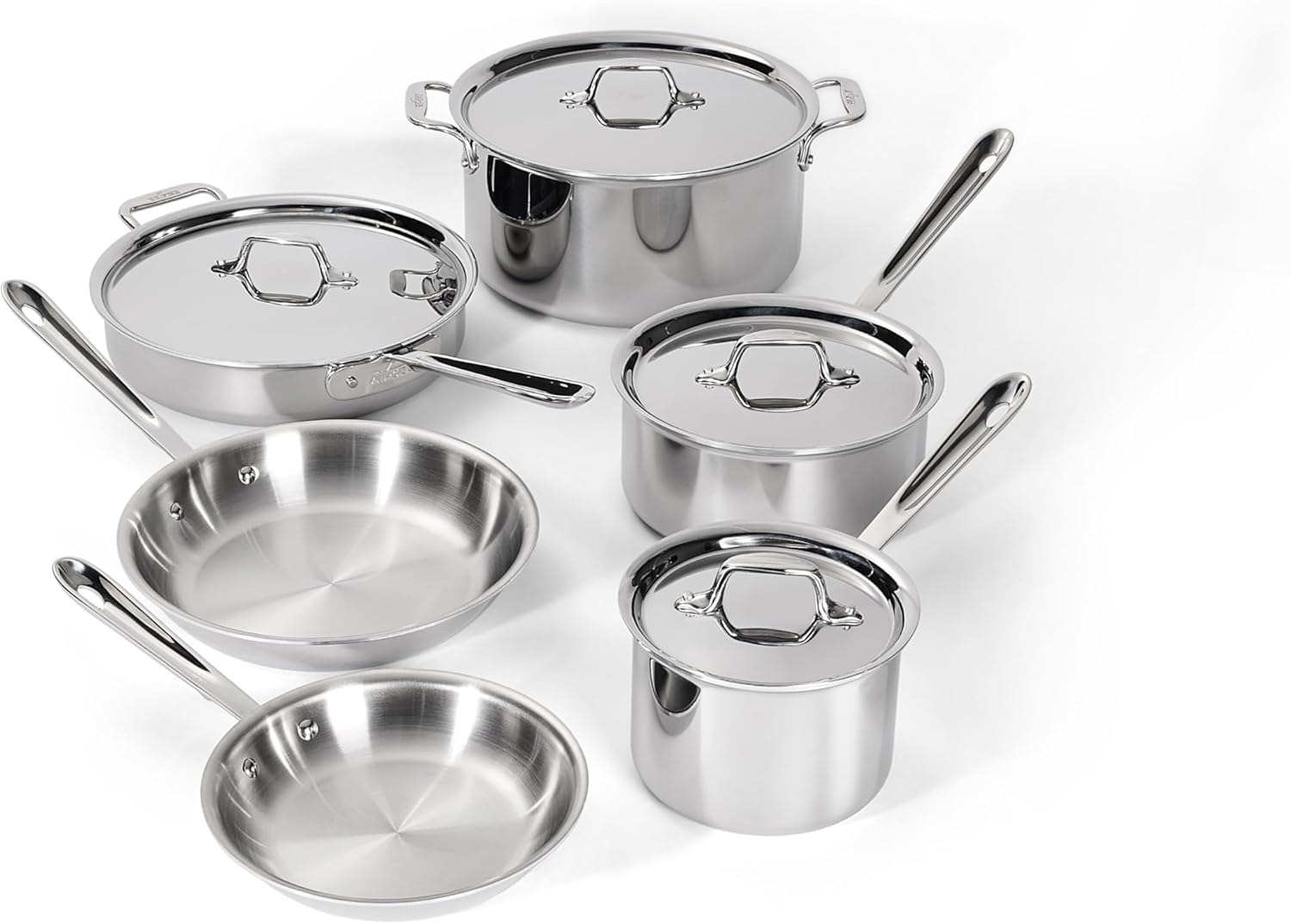
Performance is where All-Clad shines. Their signature tri-ply construction—layers of aluminum sandwiched between stainless steel—ensures even heat distribution, prevents hot spots, and allows for precise temperature control. This is critical for tasks like searing steak, deglazing pans for sauces, or simmering delicate reductions. Unlike cheaper stainless steel pans with thin or uneven bases, All-Clad heats consistently across the entire cooking surface. Additionally, their pans are oven- and broiler-safe up to 600°F (depending on the line), making them ideal for finishing dishes under the broiler or transferring from stovetop to oven seamlessly.
3. Build Quality & Durability
All-Clad is built to last. Made in the USA with rigorous quality control, their cookware features riveted handles, polished stainless interiors that resist sticking when used properly, and robust construction that withstands daily use. Unlike nonstick coatings that degrade over time, stainless steel doesn’t wear out—it only improves with seasoning and care. Many All-Clad owners report using the same pans for 20+ years. While no cookware is indestructible (dropping a pan can dent it, for example), All-Clad’s durability far exceeds that of most competitors in its class. For context, cheaper stainless sets often use thinner gauge steel or poorly bonded layers that warp or lose heat efficiency over time.
4. Features & Functionality
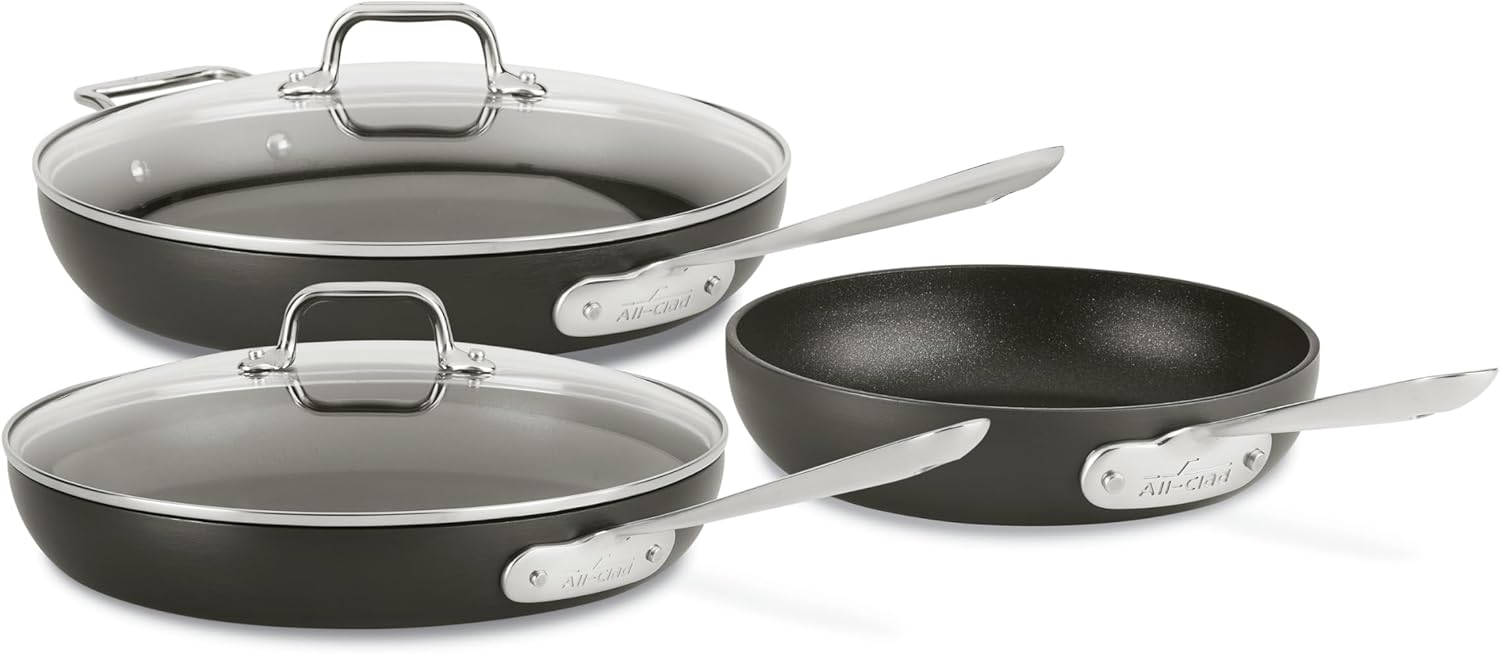
All-Clad offers several product lines, each tailored to different needs. The D3 line is their classic tri-ply stainless, offering excellent performance at a relatively accessible price point within the brand. The D5 line features five layers for even greater heat retention and reduced sticking—ideal for those who want maximum control. The Copper Core line includes a copper layer for superior responsiveness, favored by professional chefs. Then there’s the HA1 Hard Anodized nonstick line, which provides easy food release but lacks the longevity of stainless. Consider your cooking style: if you sear, braise, or make pan sauces often, stainless is superior. If you prioritize quick cleanup and eggs or fish that stick easily, a nonstick option might complement your collection.
5. Brand Reputation
All-Clad was founded in 1971 by metallurgist John Ulam, who pioneered bonded metal cookware. Their pans are used in Michelin-starred restaurants and recommended by top chefs like Thomas Keller and Jacques Pépin. This reputation isn’t just marketing—it’s backed by decades of consistent performance and innovation. While newer brands like Caraway and HexClad have gained popularity with modern aesthetics and hybrid coatings, they haven’t yet matched All-Clad’s track record in professional environments. That said, brand prestige shouldn’t override personal needs. A well-made pan from another reputable manufacturer might suit you better if it aligns with your cooking style and budget.
6. Warranty & Support
All-Clad backs its products with a limited lifetime warranty against defects in materials and workmanship. This covers issues like delamination of layers or handle failure—but not normal wear, scratches, or damage from misuse (like overheating an empty pan). The warranty is transferable, which adds resale value. Customer service is generally responsive, though some users report longer wait times during peak seasons. Compared to brands offering only 1–5 year warranties, All-Clad’s lifetime coverage reinforces their confidence in product longevity. Just remember: proper care is essential to maintaining performance and preserving your investment.
7. Size & Portability
All-Clad pans come in standard sizes (8″, 10″, 12″ skillets; 2-qt, 3-qt, 6-qt saucepans), but weight can be a consideration. Due to their multi-layer construction, these pans are heavier than nonstick or aluminum alternatives. While this adds stability and heat retention, it may be challenging for users with arthritis or limited strength. If portability matters—say, for camping or small apartments—consider lighter options. However, for everyday kitchen use, the weight is typically seen as a benefit, not a drawback.
8. User Reviews & Ratings
Across platforms like Amazon, Williams Sonoma, and Reddit, All-Clad consistently earns high marks for performance and durability. Common praises include even heating, elegant design, and longevity. Criticisms often center on price, weight, and the learning curve required to cook with stainless steel (e.g., proper preheating and oil use to prevent sticking). Importantly, negative reviews rarely cite manufacturing flaws—instead, they reflect mismatched expectations. Reading verified purchase reviews can help you understand real-world performance and identify potential fit issues for your specific needs.
Different Types of Buying Guide
Common Buying Mistakes to Avoid

❌ Mistake: Buying a Full Set Without Testing
Why it’s bad: Full sets often include pieces you’ll never use (like a 14-quart stockpot for a one-person household), leading to wasted money and cabinet clutter.
What to do instead: Start with a core trio: an 8″ or 10″ skillet, a 3-quart saucepan, and a 5- or 6-quart sauté pan. Add specialty pieces later based on actual need.
❌ Mistake: Ignoring Compatibility with Your Stovetop
Why it’s bad: All-Clad performs best on gas, electric, and induction (D3 and D5 are induction-compatible). Using incompatible cookware on induction can lead to poor heating or damage.
What to do instead: Verify your stovetop type and choose accordingly. Most All-Clad stainless lines work on induction, but always double-check product specs.
❌ Mistake: Expecting Nonstick Performance from Stainless
Why it’s bad: Stainless steel requires proper technique—preheating, using adequate fat, and not moving food too soon—to prevent sticking. New users often blame the pan instead of their method.
What to do instead: Learn basic stainless cooking techniques. Consider adding one nonstick pan (like All-Clad’s HA1) for delicate items while mastering stainless.
❌ Mistake: Overlooking Maintenance Requirements
Why it’s bad: All-Clad pans need proper cleaning to maintain shine and performance. Harsh scrubbers or dishwasher use can dull the exterior or damage handles over time.
What to do instead: Hand wash with warm soapy water and a soft sponge. For burnt-on food, soak or use a paste of baking soda and water. Avoid steel wool on the exterior.
❌ Mistake: Buying Based Solely on Brand Hype
Why it’s bad: While All-Clad is excellent, it may be overkill for casual cooks. You might be better served by a high-quality but more affordable brand like Made In or Tramontina.
What to do instead: Evaluate your cooking frequency, skill level, and long-term goals. Invest in All-Clad only if you’ll truly benefit from its performance and durability.
❌ Mistake: Skipping the Warranty Details
Why it’s bad: The lifetime warranty has limitations. Misunderstanding what’s covered can lead to frustration if something goes wrong.
What to do instead: Read the warranty terms carefully. Register your product online and keep receipts. Know that cosmetic damage isn’t covered, but structural defects are.
Budget Guidelines: How Much Should You Spend?
– Entry-Level ($80–$150): Consider a single All-Clad HA1 nonstick skillet or a used/vintage D3 piece. Great for testing the brand without major commitment. Expect good performance but less longevity than stainless.
– Mid-Range ($300–$600): The sweet spot for most home cooks. A 3- to 5-piece D3 set covers essential cooking tasks. Offers professional-grade performance at a manageable investment. Ideal for daily use and growing collections.
– Premium ($700–$1,200): For enthusiasts and serious home chefs. A full D3 or D5 set with specialty pieces (saucier, griddle) provides versatility and precision. Justified if you cook frequently and value craftsmanship.
– Luxury ($1,500+): Copper Core sets or custom configurations for professionals or collectors. Unmatched responsiveness and aesthetics, but diminishing returns for average users. Only recommended if you demand the absolute best.

Expert Tips for Getting the Best Deal
– Buy during seasonal sales: Look for discounts around Black Friday, Cyber Monday, and post-holiday clearance events. Williams Sonoma, Sur La Table, and All-Clad’s official site often run promotions.
– Consider open-box or refurbished: Retailers like Williams Sonoma sell open-box All-Clad at 20–30% off. These are inspected and typically like-new.
– Start with individual pieces: Instead of a full set, buy one or two high-use pans (e.g., 10″ skillet, 3-qt saucepan). This lets you evaluate performance before expanding.
– Check return policies: Ensure the retailer offers at least 30 days to return. This gives you time to test the pans in your own kitchen.
– Look for bundle deals: Some retailers include free utensils, lids, or cleaning kits with larger purchases—adding value beyond the pan itself.
– Join loyalty programs: Stores like Sur La Table offer points and exclusive discounts for members, which can stack with sales.
– Read the fine print on warranties: Understand what’s covered and how to file a claim. Keep documentation handy.
Common Aswer For Best All-Clad cookware
Q: Is All-Clad cookware safe to use?
A: Yes. All-Clad stainless steel cookware is made from 18/10 surgical-grade stainless steel, which is non-reactive and safe for cooking all types of food. It doesn’t leach chemicals when heated, unlike some nonstick coatings. For more details, see our guide on Is Stainless Steel Cookware Safe.
Q: Can I use All-Clad on induction stoves?
A: Yes—most All-Clad stainless lines (D3, D5, Copper Core) are induction-compatible due to their magnetic stainless steel exterior. The HA1 nonstick line is also induction-safe.
Q: Why does food stick to my All-Clad pan?
A: Sticking usually results from improper technique: insufficient preheating, too little fat, or moving food too soon. Ensure the pan is properly heated before adding oil and food. A well-seasoned stainless pan becomes naturally more nonstick over time.
Q: Is All-Clad dishwasher safe?
A: Technically yes, but hand washing is recommended to preserve the finish and handle integrity. Dishwashers can cause discoloration or weaken rivets over time.
Q: How does All-Clad compare to tri-ply from other brands?
A: All-Clad’s bonding process and consistent layer thickness set it apart. While brands like Demeyere and Mauviel offer similar construction, All-Clad strikes a balance of performance, availability, and American manufacturing. Learn more in our comparison of Tri-Ply vs. Sandwich Bottom Cookware.
Q: Does All-Clad contain nickel?
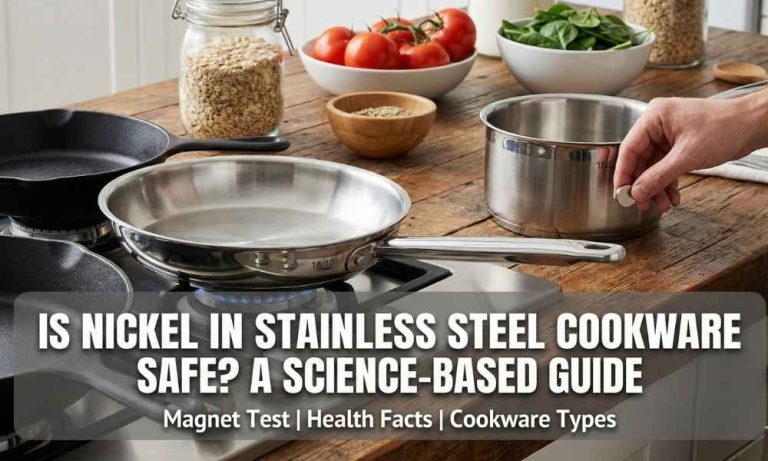
A: Yes, their 18/10 stainless steel contains nickel for corrosion resistance. While generally safe, those with severe nickel allergies should consult a doctor. Read our deep dive on Is Nickel In Stainless Steel Cookware Safe for details.
Q: Can I repair a damaged All-Clad pan?
A: Minor dents or scratches don’t affect performance. For structural issues like loose handles or delamination, contact All-Clad customer service—they may repair or replace it under warranty.
Q: Is All-Clad worth it for beginners?
A: It depends. Beginners may find stainless steel challenging at first. If you’re committed to learning proper techniques and plan to cook long-term, yes. Otherwise, start with a more forgiving nonstick pan and upgrade later.
Our Final Recommendations
– Best for Budget-Conscious Buyers: All-Clad HA1 10″ Nonstick Fry Pan ($80–$100). Offers brand quality at a lower entry point, ideal for eggs and fish.
– Best Overall Value: All-Clad D3 5-Piece Stainless Set ($400–$500). Covers all basics with legendary durability and performance.
– Best Premium Option: All-Clad D5 10-Piece Set ($900–$1,100). Five-layer construction delivers unmatched heat control for serious cooks.
– Best for Beginners: Start with a single D3 10″ Skillet ($130). Learn stainless techniques before investing in a full set.
– Best for Advanced Users: All-Clad Copper Core 3-Qt Saucier ($280). Perfect for sauces and reductions, with instant thermal response.
Conclusion: Making the Right Choice
All-Clad cookware isn’t for everyone—but for those who value performance, longevity, and professional-grade results, it’s one of the best investments you can make in your kitchen. The high price reflects superior materials, meticulous construction, and a legacy trusted by chefs worldwide. However, worth is ultimately personal. If you cook regularly, appreciate precision, and plan to keep your pans for decades, All-Clad delivers exceptional value. If you’re a casual cook or prioritize convenience over craftsmanship, more affordable alternatives may serve you better.
Before buying, reflect on your cooking habits, budget, and long-term goals. Start small if needed, prioritize quality over quantity, and never compromise on compatibility with your stovetop. And remember: the best cookware is the one you’ll actually use—and enjoy using—every day. Whether you choose All-Clad or another brand, equipping your kitchen with tools that inspire confidence is the true recipe for culinary success.

One Comment