Bundt Pan Vs Tube Pan Comparison Guide 2026

Choosing Between A Bundt Pan And A Tube Pan
Many home bakers face confusion when picking between a Bundt pan and a tube pan. Both pans look similar but serve different baking purposes. This choice can feel tricky because the differences are subtle yet important. Understanding these distinctions helps avoid baking mishaps. This article will clarify when to use each pan. It aims to guide you to a better baking experience.
Why Buyers Find This Choice Challenging
Marketing often blurs the lines by using terms like “Bundt” and “tube” interchangeably. This creates noise that makes it hard to understand the real differences. Buyers may end up choosing based on branding instead of function.
The specs can be confusing. Dimensions, material, and capacity matter, but they don’t always explain how the pan performs. Buyers may focus on numbers and miss important design features.
People often prioritize the wrong things. For example, they might look for the most nonstick surface instead of considering heat conduction or cake shape. This leads to mismatched expectations and results.
Who Benefits From Each Pan Type
If you bake decorative cakes with intricate patterns, a Bundt pan fits you well. Its cast aluminum build brings detailed shapes to life. Nordic Ware Original Bundt is ideal here.
If you bake airy angel food or pound cakes, a tube pan is your friend. The removable center tube helps cakes rise and cool evenly. Chicago Metallic Angel Food Cake Pan suits this need.
For casual bakers who want versatility, the tube pan offers more options for different cake styles. It can handle sponge cakes and Bundt-style desserts.
Those valuing durability and heat control often lean towards cast aluminum Bundt pans. They provide even browning and crisp details.
Beginners may prefer the tube pan for simpler shapes and easier cake removal with its two-piece design.
Where Nordic Ware Original Bundt Fits Naturally
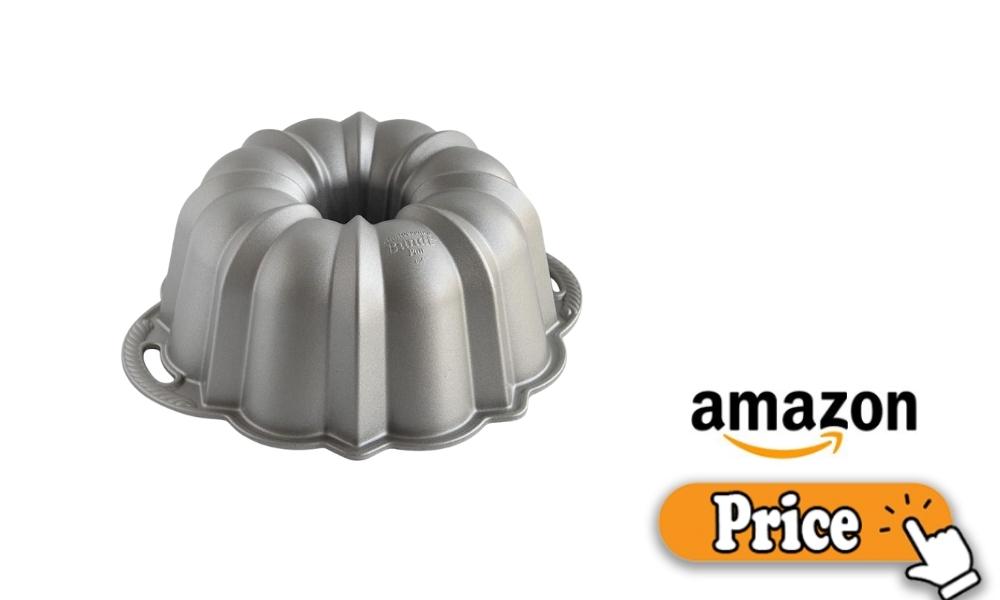
I use this pan regularly for family gatherings. It suits daily baking with its sturdy cast aluminum and clear cake patterns. It feels like a long-term kitchen companion.
The pan’s solid heat conductivity delivers consistent results. Over time, it remains reliable without warping or losing shape.
One limitation is the weight. At nearly two pounds, it requires careful handling especially when hot.
What works well over time
- Durable cast aluminum that lasts for years
- Even heat distribution for consistent browning
- Detailed cake shapes with crisp edges
- Nonstick silicone coating without harmful chemicals
- Made in America with quality materials
Things that may bother some users
- Heavier weight compared to other pans
- Requires careful cleaning to maintain silicone coating
- Not ideal for very light or delicate sponge cakes
Where Chicago Metallic Tube Pan Makes More Sense
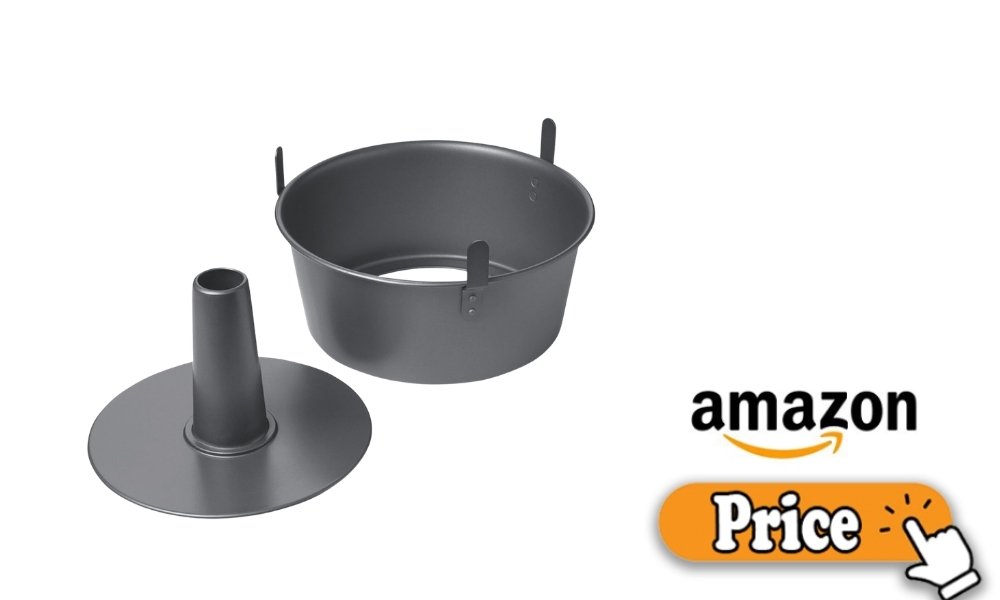
I prefer this tube pan when baking angel food or pound cakes. The two-piece design makes cake removal easier and faster. It fits well in my baking routine.
The carbon steel conducts heat efficiently and the nonstick coating helps with cleanup. Its built-in feet allow air circulation while cooling cakes upside down.
One drawback is the need for hand washing to preserve the coating. It’s less dishwasher friendly than some alternatives.
View Chicago Metallic Tube Pan
What works well over time
- Heavy carbon steel provides good heat conduction
- Two-piece design allows easy cake release
- Built-in cooling feet improve air circulation
- Nonstick coating simplifies cleaning
- Suitable for multiple cake styles
Things that may bother some users
- Requires hand washing to protect coating
- Smaller capacity compared to some Bundt pans
- Center tube is removable but can be fiddly
Early Signs That Guide Your Pan Choice
One early signal is the type of cake you bake most often. If you favor decorative, dense cakes, the Bundt pan stands out. For lighter, airy cakes, the tube pan is better.
Another sign is how important cake shape detail is to you. Bundt pans offer intricate designs, making them ideal for presentation.
Ease of cake removal matters early on. The tube pan’s removable center simplifies this process. It signals convenience for many users.
Material and weight affect handling. A heavier pan like the Nordic Ware Bundt signals durability but requires more care.
Finally, cleaning preferences can push the choice. Nonstick silicone in the Bundt pan eases release but needs gentle care. The tube pan’s coating demands hand washing but cleans up quickly.
Comparing Key Decision Signals
This table highlights the main factors buyers notice before deciding between these pans.
| Decision signal (before buying) | Nordic Ware Bundt Pan | Chicago Metallic Tube Pan |
|---|---|---|
| Learning curve | Simple once familiar with bundt shapes | Easy due to two-piece design |
| First impressions | Attractive detailed design | Functional and practical |
| Setup comfort | Single-piece, heavier to handle | Two-piece, lighter and easier to manage |
| Clarity of use | Best for decorative cakes | Best for angel food and pound cakes |
| Cleaning ease | Nonstick silicone, hand wash recommended | Nonstick, hand wash recommended |
| Capacity | 12 cups | 16 cups |
Living With These Pans Over Time
Maintenance for the Bundt pan involves careful cleaning to preserve the silicone nonstick. It requires gentle washing but rewards with long-term durability.
The tube pan needs hand washing to keep its coating intact. This can add a slight routine burden but avoids damage over time.
Both pans offer consistent baking results once users adjust to their shapes. The heat conduction quality supports even browning and texture.
Minor annoyances include the Bundt pan’s weight and the tube pan’s removable parts which require attention.
Trust builds as you use either pan regularly. Each becomes a dependable tool fitting specific baking needs.
Long-term Ownership Insights
Consider these factors after using the pans for weeks or months.
| Ownership reality (after weeks/months) | Nordic Ware Bundt Pan | Chicago Metallic Tube Pan |
|---|---|---|
| Reliability | Sturdy, holds shape well | Solid, parts fit securely |
| Habit fit | Good for regular decorative cakes | Great for frequent angel food baking |
| Mental load | Requires care in handling and cleaning | Simple but needs hand wash |
| Satisfaction | High when detail matters | High for easy release and versatility |
| Wear and tear | Minimal with proper care | Coating needs attention to avoid scratches |
| Storage | Single-piece, moderate space | Two-piece, slightly more space |
Common Buying Mistakes And How To Avoid Them
One mistake is confusing Bundt pans with tube pans due to marketing. Avoid this by focusing on pan design and intended use rather than just the name.
Ignoring material differences can cause disappointment. Choose a pan with heat conduction suited to your baking style.
Overlooking cleaning requirements leads to coating damage. Always check care instructions before buying.
Buying based only on size may not match cake recipes. Consider capacity alongside cake types you bake.
Not thinking about how easy cake removal is can cause frustration. Two-piece pans often ease this step.
Making The Right Choice For Your Baking Needs
If you bake decorative cakes with detailed shapes and want durable heat conduction, the Nordic Ware Bundt pan is a solid choice. It fits those who appreciate intricate results and long-lasting pans.
For those who prioritize easy cake removal and bake angel food or pound cakes often, the Chicago Metallic tube pan is a better fit. Its two-piece design and cooling feet support these needs well.
Ultimately, the best choice depends on your baking style and priorities. Matching the pan to your habits matters more than specs alone. Both pans serve different but valuable purposes in the kitchen.
Faqs About Bundt Pan Vs Tube Pan
What is the main difference between a Bundt pan and a tube pan?
A Bundt pan usually has intricate shapes and is made from cast aluminum for detailed cakes. A tube pan has a removable center tube and is often used for airy cakes like angel food.
Can I use a Bundt pan to bake angel food cake?
Bundt pans are not ideal for angel food cakes because they lack the removable tube and cooling feet needed for proper rising and cooling.
Is it easier to remove cakes from a tube pan?
Yes, tube pans often have two pieces, allowing easier cake release compared to many Bundt pans which are single-piece.
Do both pans require special cleaning?
Both pans typically need hand washing to protect their nonstick coatings and maintain longevity.
Which pan is better for dense cakes?
Bundt pans excel with dense, decorative cakes due to their solid construction and heat distribution.
Are tube pans suitable for pound cakes?
Yes, tube pans work well for pound cakes, providing even baking and easy removal.
Does pan weight affect baking?
Heavier pans like cast aluminum Bundt pans provide stable heat but require careful handling. Lighter pans may be easier to manage but vary in heat conduction.
Can I bake Bundt-style cakes in a tube pan?
You can bake Bundt-style cakes in a tube pan, but they won’t have the detailed pattern typical of Bundt pans.