
Which is Better 18/8 or 18/10 Stainless Steel Cookware? Elitecomparison 2026

If you’ve ever flipped a nice saucepot or a fork, you’ve probably spotted those tiny numbers: 18/8 or 18/10. They look like a math fraction from school. They aren’t. They tell you what’s inside the steel. I’ll break it down in plain terms and share what I’ve learned from years in a busy kitchen and from testing pans at home.
The Numbers Decoded: What 18/8 and 18/10 Actually Mean
Think of stainless steel as a recipe. Pure iron rusts and is soft. So we add other metals to make it tougher and rust-resistant. The numbers are the percentages in that recipe.
- The 18: This means Chromium. Both 18/8 and 18/10 have 18% chromium. Chromium forms a thin oxide layer. That layer keeps the metal from rusting and gives stainless its name.
- The 8 or 10: This is the Nickel percentage. That’s the only difference between the two. Nickel improves shine and some corrosion resistance. It also affects cost.
These mixes aren’t random. Metallurgists landed on the 304 grade (the technical name for 18/8 and 18/10) because it balances strength, shine, and resistance to food acids. It’s the standard for cookware and flatware for a reason.
What That Extra 2% Nickel Actually Does
Why make 18/10 if 18/8 already works? That extra 2% is like paying for a small upgrade. It gives practical, visible benefits—though they are subtle.
- Enhanced Luster: Nickel adds a brighter, whiter shine. An 18/10 spoon often keeps that “new” look longer than 18/8.
- Corrosion Resistance: That extra nickel helps resist pitting—small dark spots that can appear after salt or long exposure to moisture.
- Price Premium: 18/10 usually costs more. Expect roughly a 20% price markup on comparable products. In my experience, most people don’t notice the difference at a glance.
Real-World Performance Comparison: Does 2% Nickel Matter?
I’ve put a lot of pans through real kitchen abuse—dishwashers, burnt tomato sauce, and overnight soaks. Here’s how 18/8 and 18/10 perform in everyday life.
Corrosion and Heat Distribution
In labs, they run salt-spray tests for hundreds of hours. 18/10 fares a bit better there. But in a normal home kitchen, where you rinse and dry pots, 18/8 is very durable. A key point: Nickel does not help your food cook. Nickel is a poor conductor of heat. So whether a pan is 18/8 or 18/10 makes no difference to how evenly your steak browns. If food sticks, the problem is usually thin metal, a poor core, or the pan’s construction—not the missing 2% nickel.
Durability Testing vs. Home Use
Lab tests show small differences. Home use shows small differences too. But which matters more? Your routine. If you dry your pots and avoid leaving salty water in them, both grades last a long time.
Aesthetic Durability
After a year of daily use, both metals pick up fine scratches and a soft patina. 18/10 tends to stay a little “whiter” over many years. 18/8 may warm up a touch to a faint grey or warm tone. Both respond well to cleaning. I use Bar Keeper’s Friend a lot. A quick scrub will bring back the shine on 18/8 just as fast as on 18/10.
The Factors That Matter More Than the Numbers
If you take one thing away: The alloy is the skin, but the construction is the soul.
1. Gauge Thickness
A lower gauge number means thicker metal. Thicker cookware holds heat better and warps less. A heavy 18/8 pan will beat a thin 18/10 pan in performance every time. If a pan feels light and “tinny,” walk away. You’ll save money in the long run by buying something with substance.
2. Construction Method (Multi-Ply vs. Single Layer)
Stainless steel alone conducts heat poorly. Makers fix that by building a metal “sandwich.” That sandwich changes how the pan heats and performs.
- Disk-Bottom: A heavy puck of aluminum is bonded to the base. It’s cheaper. It improves bottom heat but leaves the sides cooler.
- Full-Clad (3-ply, 5-ply): This is the gold standard. Layers of aluminum or copper run from the base up the sides. Heat spreads evenly across the whole pan. It prevents hot spots and gives better temperature control.
My Rule: I’d pick a 3-ply 18/8 pan over a single-ply 18/10 pan every time. The construction wins over a tiny alloy difference.
3. Handle, Lid, and Build Details
Good cookware is more than just metal. Look for secure rivets or welded handles. Check lid fit. A heavy, tight-fitting lid keeps heat and moisture in. Even a well-made flared rim helps with pouring. These small details matter for day-to-day use.
Stainless Steel Grades for Cookware
You’ll see a lot of grade names when shopping. Here’s a clear breakdown to guide a smart choice.
- Grade 304 (18/8 or 18/10): The industry standard. It’s what most home cookware uses. It balances price, shine, and corrosion resistance well.
- Grade 316 (Marine Grade): Contains molybdenum. It resists salt and pitting better. Think of it as the “Rolls Royce” of stainless. You’ll see it in premium cookware and marine hardware.
- Grade 430 (18/0): No nickel. It’s more affordable and is naturally magnetic. That makes it great for induction cookware bases. It’s less shiny than 18/8 or 18/10 and can rust more if not dried.
- Grade 201: A budget option that replaces some nickel with manganese. It’s cheaper but more prone to rust and pitting over time. I don’t recommend it for long-term use.
The Nickel Question: Health and Sensitivity
If you have a nickel allergy, the difference between 18/8 and 18/10 is small. Both release similar, very low amounts of nickel during normal cooking. Acidic foods like tomatoes can increase metal migration slightly, but levels remain low for most people.
If you are highly sensitive, switching to 18/0 (Nickel-Free) is the safer move. 18/0 limits nickel exposure. It does need more care. Dry it immediately after washing to avoid rust spots. For severe allergies, consider coated cookware or non-reactive materials like ceramic or stainless 18/0 that is kept dry.
Making Your Decision: A Strategic Framework
When to Choose 18/10:
- You live in a coastal environment with salt air exposure. The extra nickel helps resist pitting.
- You use a commercial dishwasher or have very hard water. The extra corrosion resistance helps with repeated cycles and mineral-heavy water.
- You want the highest luster for formal flatware. 18/10 stays bright longer and looks premium on a table.
- It’s an heirloom purchase you plan to pass down. The small extra durability and shine can add value over decades.
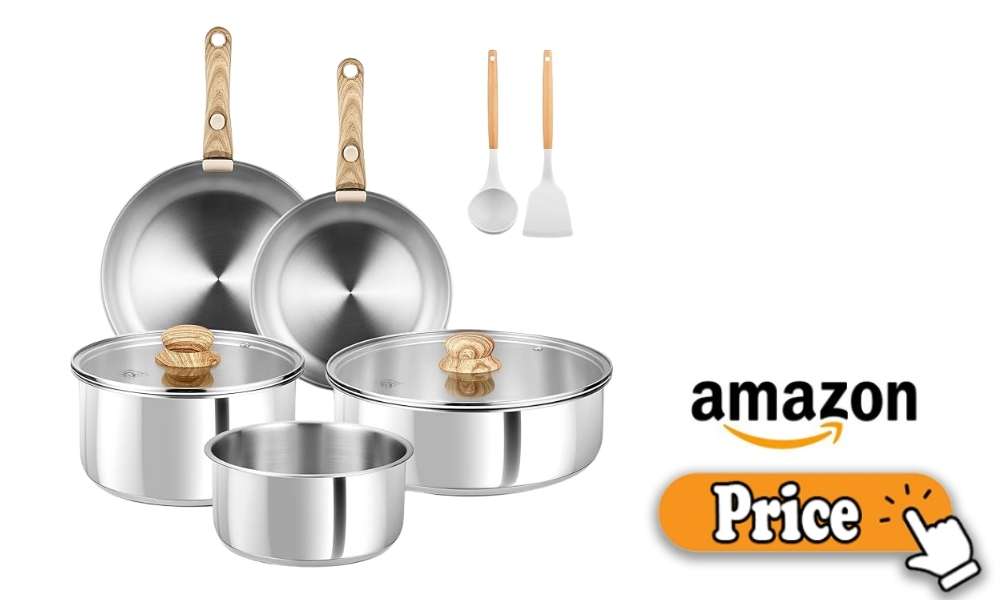
When to Choose 18/8:
- You want the best value. You can get excellent performance for less money with 18/8.
- You prioritize multi-ply construction over small alloy differences. A thick, well-clad 18/8 pan will cook better than a thin 18/10 pan.
- You’re buying commercial/restaurant supply gear. Many pro kitchens favor heavy-duty 18/8 for its balance of durability and cost.
- You want a workhorse that handles 99% of kitchen tasks perfectly. 18/8 is a practical, everyday choice.
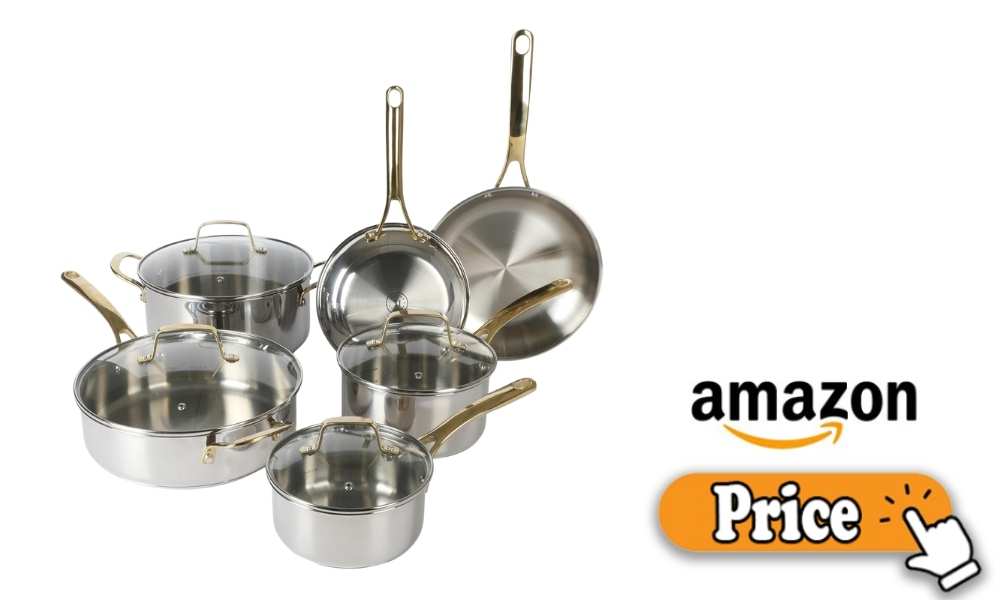
Final Verdict
In the 18/8 vs 18/10 debate, the real winner is the cook who focuses on construction over chemistry. A thick, fully-clad 18/8 pan will outperform a thin 18/10 pan every time. Buy well-made cookware. Look for full-clad construction, solid handles, and the right thickness. That’s what will help you cook better food and keep your pots and pans for years.




2 Comments