What Is Induction Ready Cookware: Easy Guide

induction-ready cookware has a magnetic base that an induction cooktop heats through an electromagnetic field.
Induction ready cookware may look like ordinary pots and pans, but its base has a key feature: it can react with magnetic energy. This guide explains how it works, which materials are compatible, how to test your cookware, and what to check before you buy. You will also learn about heat control, safety, care, and common mistakes that can reduce cooking performance.

What Is Induction Ready Cookware?
Induction ready cookware is cookware designed to work on an induction cooktop. It contains a magnetic material in the base, often magnetic stainless steel, cast iron, or carbon steel.
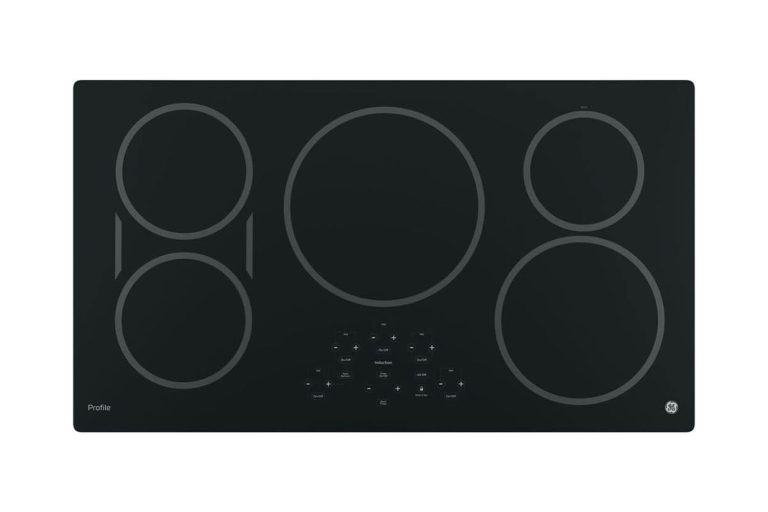
An induction cooktop does not heat a pan with a flame or a glowing electric coil. Instead, it creates a magnetic field below the cooking zone. This field causes the pan itself to heat. The pan becomes the heat source, while the glass cooktop stays much cooler than a traditional electric surface.
For cookware to work well, it needs two main features:
• A magnetic base that can react with the cooktop’s magnetic field
• A flat bottom that makes steady contact with the cooking surface
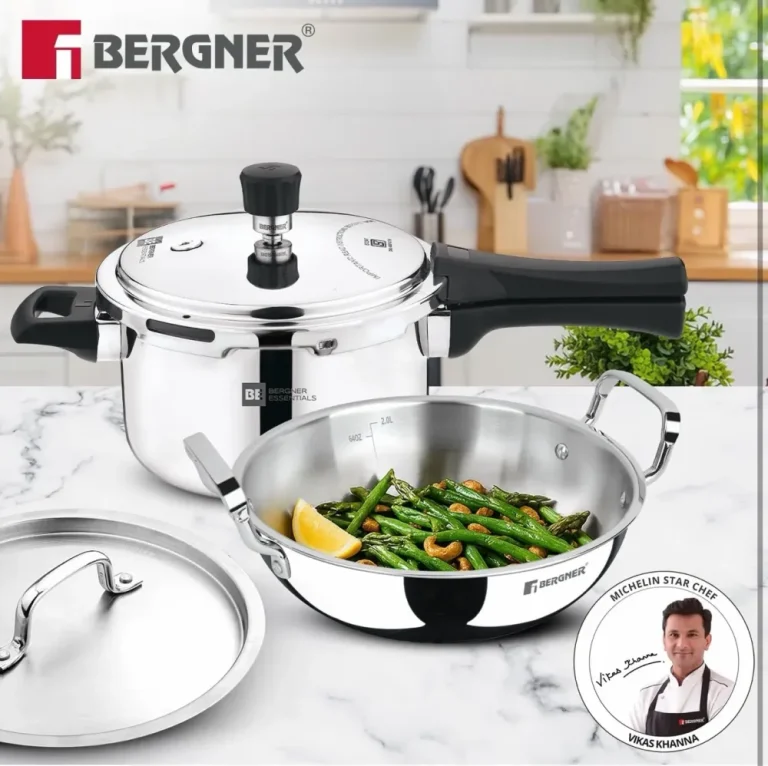
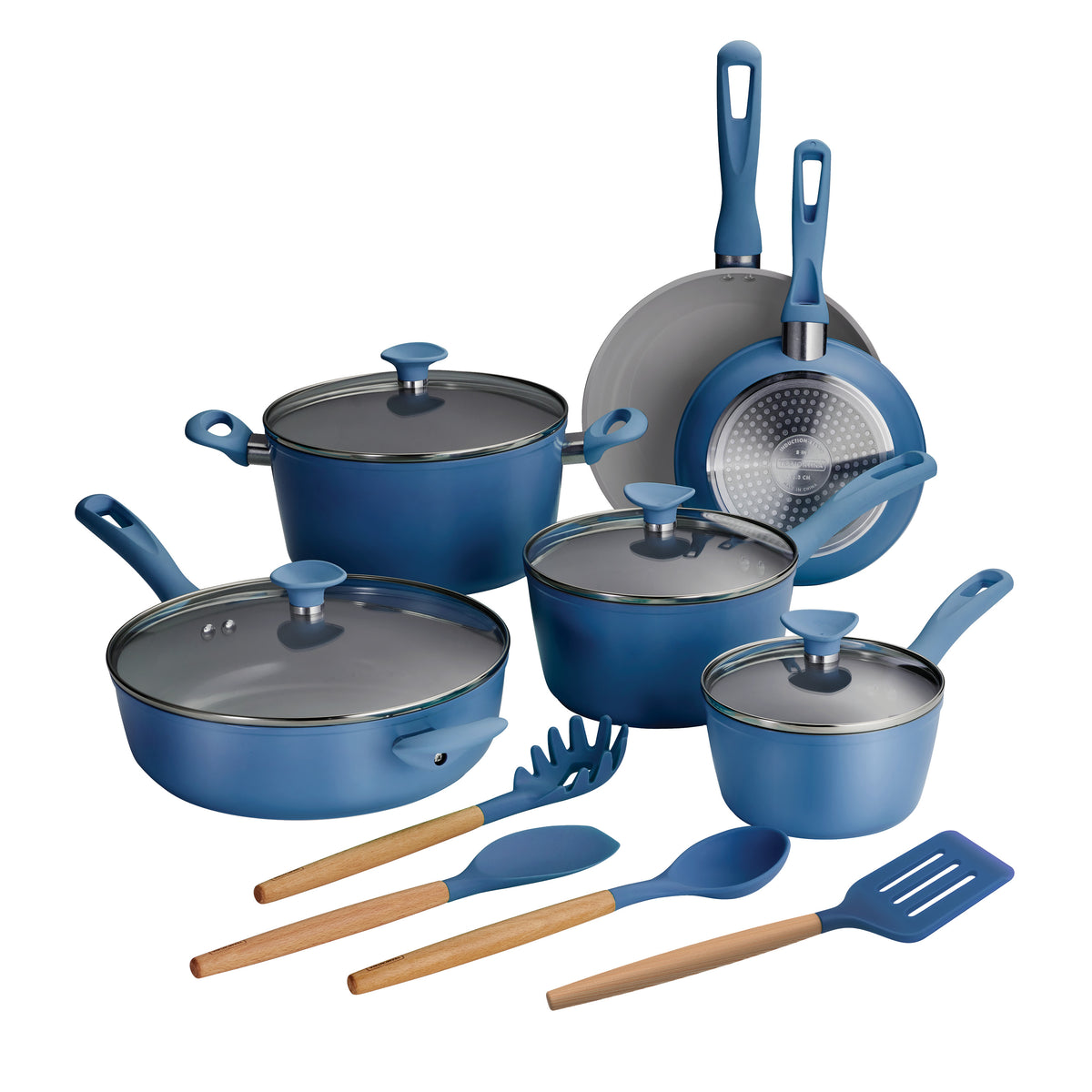
Induction ready cookware can include frying pans, saucepans, Dutch ovens, stockpots, griddles, and pressure cookers. Some cookware works only on induction, while other pieces work on gas, electric, ceramic, and induction stoves.
A simple way to understand the process is to think of the cooktop as a wireless charger. The cooktop sends energy through a magnetic field, and the compatible pan receives that energy and turns it into heat.
How Induction Cooking Works
Under the glass surface of an induction cooktop sits a copper coil. When you turn on a cooking zone, electricity moves through this coil and creates a changing magnetic field.
If induction ready cookware is placed on the zone, the magnetic field moves through its base. This creates small electrical currents inside the metal. The resistance of the metal changes those currents into heat.
The heat then moves from the pan to the food. This process is different from gas and standard electric cooking:
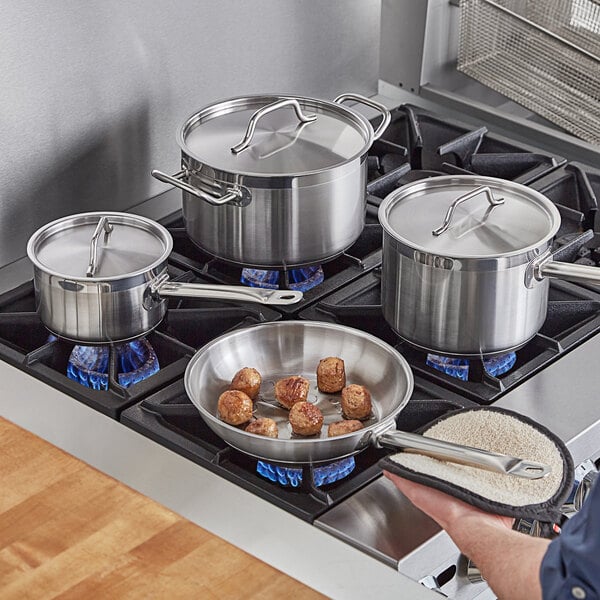
• Gas heats the bottom and sides of a pan with a flame.
• Traditional electric stoves heat a coil, which then heats the pan.
• Induction heats the compatible pan directly.
This direct heating can make induction cooking fast and precise. Many induction cooktops also stop heating when you remove the pan because the magnetic connection is broken.
The cookware must still be suitable for the cooktop. A pan that is magnetic but badly warped may heat unevenly. A pan with a very small base may also fail to activate a large cooking zone.
Why the pan base matters
The base is the most important part of induction ready cookware. Some pans have a magnetic core hidden between layers of aluminum or stainless steel. Others use a bonded steel plate attached to the bottom.
A thick, flat base often spreads heat more evenly. It can also reduce hot spots when you sear meat, simmer sauce, or cook delicate foods.

Which Materials Work on an Induction Cooktop?
The material alone does not always tell you whether cookware is induction ready. The base must contain enough magnetic metal for the cooktop to detect it.
Cast iron
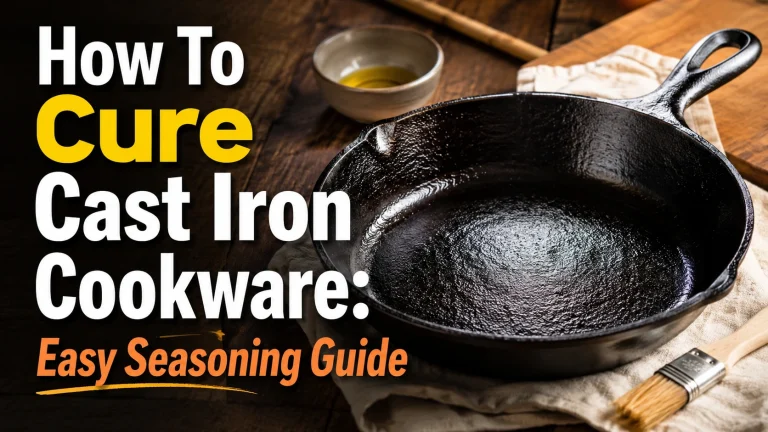
Cast iron is naturally magnetic and usually works well on induction cooktops. It holds heat for a long time, which makes it useful for searing, frying, and baking.
However, cast iron can scratch a glass cooktop. Lift the pan instead of sliding it. Some cast iron cookware also has a rough underside that may damage the surface over time.
Carbon steel
Carbon steel is another strong choice. It heats faster than cast iron and can develop a natural nonstick surface when seasoned.
Carbon steel pans are often lighter than cast iron. They work well for stir frying, eggs, steaks, and high heat cooking. They need proper drying and seasoning to prevent rust.
Magnetic stainless steel
Many stainless steel pans work with induction, but not all stainless steel is magnetic. Stainless steel is a broad category with several grades and formulas.
A pan may have an aluminum body and a magnetic stainless steel plate on the bottom. This design can offer fast heating, good heat spread, and induction compatibility.
Enameled cookware
Enameled cast iron usually works on induction because the cast iron core is magnetic. The enamel coating does not stop the magnetic field from reaching the base.
Use care when moving enameled cookware. A heavy pot can chip or scratch the glass surface if you drag it.
Aluminum and copper
Pure aluminum and pure copper do not normally work on induction. They are not magnetic enough to activate most induction burners.
Some aluminum and copper pans include a magnetic stainless steel plate. These hybrid pans can work well, but you should confirm compatibility on the label.
Glass and ceramic
Glass and ceramic cookware are generally not induction ready. They do not contain the magnetic metal needed to create heat.
An induction adapter plate can sometimes allow nonmagnetic cookware to heat. However, adapter plates often reduce speed and efficiency. They may also make temperature control less precise.
How to Tell If Cookware Is Induction Ready
You can check cookware compatibility in several simple ways. The first method is the most useful for home cooks.
Use a magnet test
Place a refrigerator magnet on the outside bottom of the pan. If the magnet sticks firmly, the cookware is likely compatible with induction.
If the magnet barely sticks or falls away, the pan may not work well. A weak magnetic connection can lead to slow heating or prevent the cooktop from turning on.
A magnet test is helpful, but it is not perfect. The cooktop may require a certain base size or shape. Always check the cookware label and your appliance manual when possible.
Look for the induction symbol
Induction compatible cookware may show a symbol that looks like a small coil or series of loops. The exact design can vary by manufacturer.
You may also see terms such as:
• Induction compatible
• Induction ready
• Suitable for induction
• Works with all cooktops
The phrase “works with all cooktops” often includes induction, but it is still wise to confirm the product details.
Check the base
The bottom should be flat and stable. A warped pan may not heat evenly or may fail to connect with the cooking zone.
Look for a smooth, solid base with no large gaps. A heavy base often performs better than a very thin metal plate, especially for frying and searing.

Benefits of Induction Ready Cookware
Choosing induction ready cookware offers several practical benefits. These advantages become clearer when you use an induction cooktop for daily meals.
Fast heating
Induction can heat compatible cookware very quickly. Water may boil faster than it does on many gas or standard electric stoves.
Fast heating is useful when you cook pasta, rice, soup, or stir fry after a long workday. It can also shorten the time needed to preheat a pan.
Precise temperature control
Many induction cooktops offer fine power settings. You can lower the heat quickly when a sauce begins to boil or when chocolate needs gentle melting.
The pan responds faster because the cooktop is not waiting for a separate heating coil to cool down.
Better energy transfer
Because the pan receives energy directly, less heat escapes into the kitchen. This may make the cooking area feel more comfortable, especially during warm weather.
Actual energy use depends on the cooktop, pan, cooking method, and power setting. Induction is efficient, but it is not automatically the best choice for every recipe or every kitchen.
Improved safety
The cooking surface does not become the main heat source in the same way as a traditional electric coil. Many models also shut off when they detect no cookware.
Still, the pan and food can become very hot. A recently used induction zone may also remain warm from heat transferred by the cookware.
Easy cleanup
Most induction cooktops have a smooth glass surface. When spills happen, you can often wipe them away after the surface cools.
Flat cookware helps prevent spills and improves contact with the cooking zone. Avoid using rough or damaged pans that can scratch the glass.
Limitations and Common Problems
Induction ready cookware has clear benefits, but it is not perfect. Knowing the limits can help you avoid frustration.
Not every pan will work
Many older aluminum, copper, glass, and ceramic pans are not magnetic. You may need to replace them or use an adapter plate.
Even some stainless steel pans fail the magnet test. Stainless steel describes a family of metals, not one single material.
Noise can occur
Some induction cookware may hum, buzz, or click during use. This can happen when the magnetic field interacts with the pan or when the cooktop changes power levels.
A mild sound is usually normal. A sudden loud noise, error code, or burning smell calls for stopping the cooktop and checking the appliance manual.
Warped cookware may heat poorly
A pan with a curved bottom may not sit evenly on the cooking zone. It may heat in a small central area while the edges stay cooler.
This problem is common with thin pans that have been overheated or cooled too quickly. A thick, flat base usually gives more stable results.
Cast iron may scratch the surface
Cast iron is excellent for heat retention, but it is heavy and rough. Lift it carefully, and consider using a smooth enameled version if you are concerned about scratches.
Cookware size matters
A pan that is too small may not activate a large cooking zone. Some cooktops detect the pan automatically, while others require the cookware to cover a specific area.
Check the minimum pan diameter in the cooktop manual. This detail is easy to miss when buying a new skillet.

How to Choose the Best Induction Ready Cookware
Start with the type of food you cook most often. A person who makes eggs and vegetables may prefer a nonstick induction skillet. Someone who sears steaks may prefer stainless steel, cast iron, or carbon steel.
Use these checks before buying:
• Confirm that the product clearly says it is induction ready.
• Test the base with a magnet when shopping at a store.
• Choose a flat bottom that matches your burner size.
• Look for a thick base or layered construction for even heat.
• Check whether the handle stays cool and feels secure.
• Review the care instructions for the coating and metal.
• Make sure the pan is not too heavy for your cooking habits.
• Confirm that the cookware fits inside your oven if you plan to bake with it.
A complete cookware set may look like a bargain, but it can include pieces you rarely use. In my experience with cookware selection, buying two or three well-made pans often gives better results than purchasing a large set with weak bases.
A practical starter collection might include:
• A 10-inch induction ready skillet
• A two or three-quart saucepan
• A five or six-quart Dutch oven or stockpot
• A larger sauté pan for family meals

Tips for Using Induction Ready Cookware
Good technique improves both cooking results and cookware life.
-
Place the pan in the center of the cooking zone before turning on the heat.
-
Start with a medium power setting until you learn how quickly the pan heats.
-
Preheat stainless steel gradually to reduce sticking.
-
Lift cookware instead of sliding it across the glass surface.
-
Use wooden, silicone, or plastic tools when required by the coating instructions.
-
Let the pan cool before washing it with cold water.
-
Dry cast iron and carbon steel right after cleaning.
-
Avoid heating an empty nonstick pan for a long time.
-
Keep the cookware base clean and free from trapped food particles.
-
Follow the care guide from the cookware maker.
One mistake many new induction users make is choosing a high setting because the pan heats so fast. Medium heat is often enough for frying, sautéing, and simmering. High heat is best used with care for boiling water or searing food.
Cleaning and Maintaining Induction Cookware
The best cleaning method depends on the cookware material.
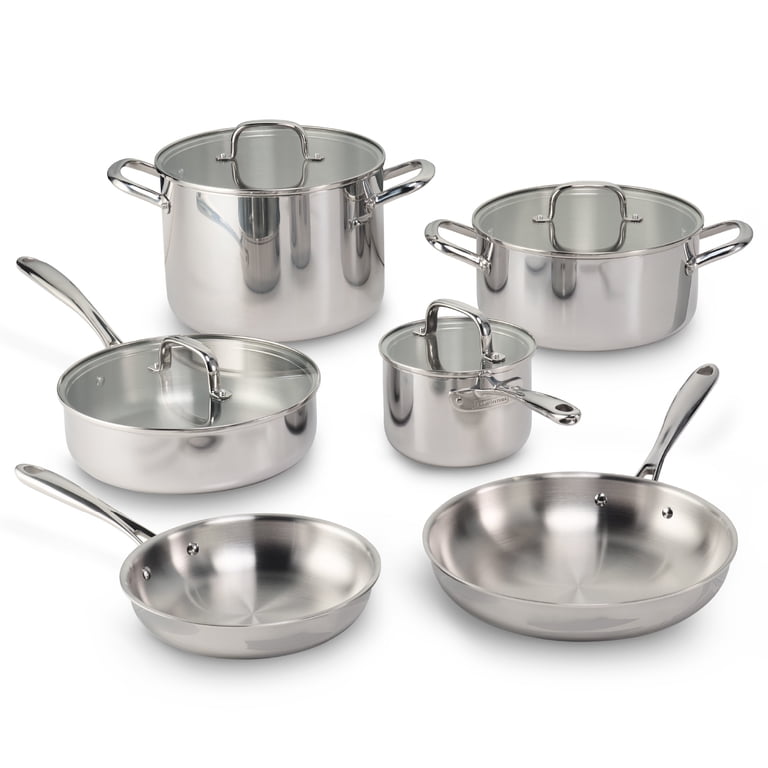
Stainless steel can usually be washed with warm water, mild dish soap, and a soft sponge. For stuck food, soak the pan first instead of scraping hard.
Nonstick cookware needs gentle cleaning. Avoid steel wool, harsh powders, and metal tools unless the manufacturer says they are safe.
Cast iron should not sit in water for long periods. Clean it, dry it fully, and apply a thin layer of oil when needed. Carbon steel requires similar care.
The cooktop also needs attention. Wipe away crumbs from the pan bottom before cooking. Small particles can act like sand between the pan and glass surface.
Do not place a hot lid or wet towel over a hot induction zone. Sudden temperature changes may damage some glass surfaces.
Induction Ready Cookware vs. Induction Compatible Cookware
The terms “induction ready” and “induction compatible” usually mean the same thing. Both describe cookware that can heat on an induction cooktop.
Manufacturers may use different wording for marketing reasons. The important details are the magnetic base, flat bottom, correct size, and tested compatibility.
“Induction ready” does not always mean the pan is high quality. A low-cost pan may work on induction but heat unevenly or warp over time. Compatibility tells you that the pan can work; it does not guarantee excellent cooking performance.
For that reason, consider both the induction label and the construction quality. Read product specifications, check the warranty, and look for clear care instructions.
Frequently Asked Questions About Induction Ready Cookware
What makes cookware induction ready?
Induction ready cookware has a magnetic material in its base. This material reacts with the cooktop’s magnetic field and produces heat inside the pan.
Can I use stainless steel cookware on induction?
Some stainless steel cookware works on induction, but some does not. Place a magnet on the bottom of the pan or look for an induction compatibility symbol.
Does cast iron work on an induction stove?
Yes, most cast iron cookware works on induction because cast iron is magnetic. Lift it carefully to avoid scratching the glass surface.
How can I test cookware for induction compatibility?
Hold a magnet against the outside bottom of the cookware. A firm connection suggests that the pan may work, but the pan should also have a flat base and suitable size.
Can nonstick pans work on induction?
Yes, a nonstick pan can work on induction if it has a magnetic base. The nonstick coating itself does not make a pan compatible.
Is induction ready cookware safe to use?
Induction ready cookware is generally safe when used according to the cookware and cooktop instructions. The pan, handles, and food can still become very hot, so normal cooking safety is necessary.
Can I use an induction adapter plate?
An adapter plate may let some nonmagnetic cookware work on an induction cooktop. However, it can heat more slowly and reduce temperature control, so induction ready cookware is usually the better option.
Conclusion
Induction ready cookware has a magnetic base that lets an induction cooktop heat the pan directly. Cast iron, carbon steel, and many stainless steel pans work well, while pure aluminum, copper, glass, and ceramic usually need a magnetic layer.
Use a magnet test, check the induction symbol, and inspect the base for a flat and stable design. Choose cookware that matches your cooking style, burner size, and care habits. With the right pans and gentle handling, induction cooking can be fast, clean, precise, and easy to enjoy.
Check your current cookware today, replace only what is needed, and explore trusted cookware guides before making your next purchase.