How To Clean Ge Cooktop: Easy Steps For Shine

Clean a GE cooktop by cooling it first, then wiping with gentle cleaner, soft cloth, and nonabrasive care.
A clean cooktop makes the whole kitchen feel calmer, and GE surfaces are no different. Over the years, I’ve found that the best results come from matching the cleaning method to the cooktop type, whether it is glass, ceramic, or gas. If you want your GE cooktop to look good, heat evenly, and stay protected for the long run, this guide walks you through the safest and most effective way to do it.

How to Clean a GE Cooktop Safely
The first rule is simple: let the cooktop cool completely before you touch it. I learned that the hard way early on, when I rushed in after dinner and smeared grease across a warm surface. Heat makes spills harder to lift and can also make cleaners evaporate too fast.
For everyday cleaning, use a soft cloth or sponge, warm water, and a mild dish soap. GE cooktops are designed to handle regular use, but they are not fans of rough pads, razor blades, or harsh powders unless the manual specifically allows them. The goal is to remove food and grease without scratching the surface or dulling the finish.
A good cleaning routine also helps with performance. Built-up debris can cause burners to sit unevenly, leave stains, or make the glass look cloudy over time. If you clean your GE cooktop often, the job stays small and easy instead of turning into a weekend project.
Know Your GE Cooktop Type Before You Clean
Not every GE cooktop should be cleaned the same way. GE makes gas, electric coil, radiant, and induction cooktops, and each one has its own needs. The wrong cleaner or tool can do more harm than good.
Here is the basic difference:
- Glass and ceramic cooktops need a gentle, nonabrasive cleaner and a soft cloth.
- Gas cooktops need burner grates, caps, and drip pans cleaned separately.
- Coil cooktops need careful cleaning around the elements and removable parts.
- Induction cooktops usually have a smooth glass surface, so they need the same care as glass tops.
When I worked around busy kitchens, the most common mistake was using one “all-purpose” habit on every cooktop. That usually meant streaks on glass, rust on grates, or residue around burner parts. The safest approach is always to check the GE user manual for your exact model before using any cleaner.

How to Clean a GE Glass or Ceramic Cooktop
GE glass and ceramic cooktops look sleek, but they show every smear and speck. The good news is that they clean up well when you use the right method. Think of the surface like a polished mirror. You want to lift the mess, not scrub it into the finish.
Follow these steps:
- Turn off the cooktop and let it cool fully.
- Remove loose crumbs with a dry soft cloth or paper towel.
- Mix a few drops of mild dish soap with warm water.
- Wipe the surface with a damp sponge or microfiber cloth.
- For stuck-on food, use a cooktop cleaner made for glass or ceramic surfaces.
- Rinse with a clean damp cloth.
- Dry with a lint-free towel to prevent streaks.
For dried spills, I usually let a warm, damp cloth sit on the spot for a minute or two. That softens the mess and keeps me from pressing too hard. If the stain still stays, a manufacturer-approved cooktop scraper may help, but only on glass and ceramic surfaces and only at the angle recommended by the manual.
Avoid these common mistakes:
- Do not use steel wool.
- Do not use abrasive powders.
- Do not use knives or sharp metal tools.
- Do not clean while the surface is hot.
How to Clean a GE Gas Cooktop
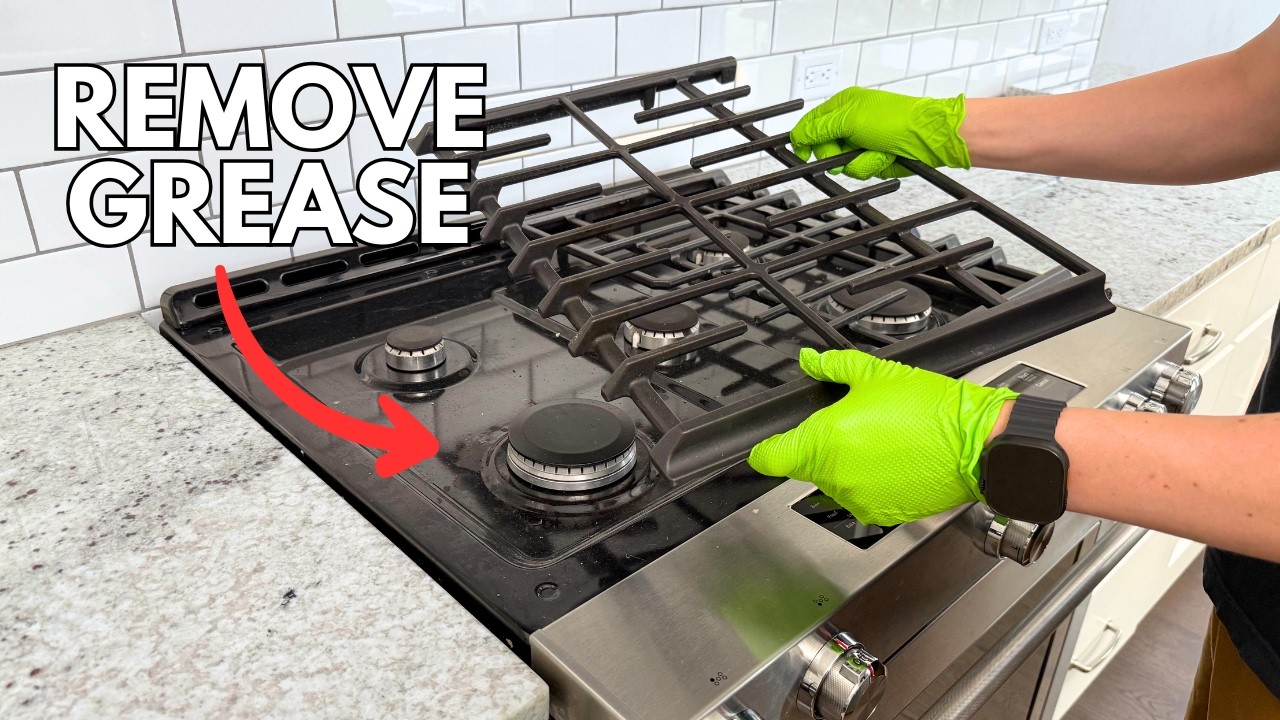
GE gas cooktops need a little more detail because you are cleaning more than one part. The grates, burner caps, and knobs all collect grease in different ways. If you clean them one piece at a time, the whole process feels much easier.
Start with these steps:
- Make sure all burners are off and completely cool.
- Remove the grates and burner caps.
- Wash removable parts in warm, soapy water.
- Use a soft sponge to remove grease and cooked-on food.
- Rinse and dry each part fully before putting them back.
- Wipe the cooktop surface with a damp cloth and mild soap.
- Clean around the igniters carefully so moisture does not build up.
In my experience, drying is the part people rush most often. That is a mistake. If burner caps or grates go back on damp, you can end up with rust, poor ignition, or uneven flames. I always let parts air-dry fully before reassembling, even if that takes a bit longer.
For stubborn grease, a degreaser that is safe for kitchen surfaces can help, but keep it away from burner openings and follow the label directions closely.

Best Cleaners and Tools for a GE Cooktop
The best cleaning tools are usually the simplest ones. A soft microfiber cloth, a nonabrasive sponge, and warm water solve most daily messes. For deeper cleaning, choose products made for cooktops instead of random heavy-duty cleaners from under the sink.
Useful tools include:
- Microfiber cloths for streak-free drying
- Soft sponges for daily wipe-downs
- Cooktop cleaner for glass and ceramic tops
- Mild dish soap for light grease
- Plastic scraper made for cooktops, if allowed by your GE manual
- Soft brush for burner grates and small edges
Some cleaners promise a “deep shine,” but I’ve found that less is often better. Strong chemicals can leave residue, and that residue can bake on the next time you cook. A cleaner that is gentle and consistent will usually keep your GE cooktop looking newer for longer.
Always read the label. If a product says it is safe for glass, ceramic, stainless steel, or enamel, that still does not mean it is safe for your exact GE model. When in doubt, the manual wins.

How to Remove Common GE Cooktop Stains
Different stains need different patience. A fresh spill is like a loose thread; catch it early and it is easy. Wait too long, and it becomes a knot.
Here are the most common issues:
- Grease spots: Wipe with warm soapy water, then use a safe degreaser if needed.
- Boil-overs: Let the area cool, then soften the spill with a damp cloth before wiping.
- Burnt-on sugar or syrup: Use care, since these can damage glass if left too long. On glass tops, use a GE-approved scraper only when the surface is cool.
- Water spots: Dry with a clean microfiber cloth after each cleaning.
- Cloudy film: Use a cooktop cleaner, then buff with a dry cloth.
One lesson I learned is that repeated light cleaning beats aggressive scrubbing every time. A little routine care keeps the surface from reaching that stubborn stage in the first place. That is the real secret to an easy-clean GE cooktop.

What Not to Do When Cleaning a GE Cooktop
A lot of cooktop damage happens during cleaning, not cooking. That sounds strange, but it is true. The wrong tool can scratch, discolor, or even weaken parts that still work fine.
Avoid these mistakes:
- Do not spray cleaner directly into burner openings.
- Do not soak electrical parts or igniters.
- Do not use bleach unless the GE manual allows it.
- Do not use abrasive pads on glass, ceramic, or coated surfaces.
- Do not leave wet parts sitting overnight.
- Do not restart the cooktop until every part is dry and secure.
I have seen people scrub so hard that they created permanent swirl marks on glass tops. Once that happens, the cooktop still works, but it never quite looks the same again. Gentle care protects both the appearance and the life of the appliance.
How Often Should You Clean a GE Cooktop
The best schedule depends on how often you cook, but a simple routine works well for most homes. Light cleaning after cooking keeps spills from hardening. A deeper clean once a week helps remove buildup before it becomes a problem.
A practical routine looks like this:
- Daily or after use: Wipe away crumbs, splatters, and fresh spills.
- Weekly: Do a fuller clean with the right cleaner for your cooktop type.
- Monthly: Check burner parts, knobs, and edges for hidden grease or food buildup.
This kind of schedule saves time in the long run. Instead of facing a heavy cleanup after a big weekend meal, you deal with tiny messes before they turn sticky and stubborn. That is one of the easiest habits to build for any GE cooktop.
Extra Care Tips to Keep Your GE Cooktop Looking New
Good maintenance is not only about cleaning. It is also about treating the cooktop like a daily tool that deserves a little respect. Small habits can make a big difference.
Try these tips:
- Wipe spills as soon as the surface cools.
- Use cookware with flat, stable bottoms.
- Lift pans instead of dragging them across glass.
- Keep burner grates lined up properly.
- Dry all parts completely before reassembly.
- Use the cooktop lock if your GE model has one and kids are around.
A cooktop that is cleaned often usually lasts longer and looks better. That matters if you plan to keep your appliance for years or if you care about resale value. A well-kept GE cooktop also makes the whole kitchen feel more inviting, like a room that is ready for real life, not just special occasions.
Frequently Asked Questions of How to Clean Ge Cooktop
What is the safest way to clean a GE glass cooktop?
The safest method is to let it cool completely, then wipe it with warm soapy water and a soft cloth. For stuck-on food, use a cooktop cleaner made for glass or ceramic surfaces and follow your GE manual.
Can I use vinegar on my GE cooktop?
Yes, diluted vinegar can help with light residue and streaks on some surfaces, but it is not always the best choice for every finish. I prefer mild soap first because it is gentler and less likely to leave a smell or film.
How do I clean burnt-on food from a GE cooktop?
Soften the spot with a damp cloth first, then use a cleaner made for your cooktop type. On glass or ceramic tops, a GE-approved scraper may help, but only when used exactly as directed.
Can I put GE burner grates in the dishwasher?
Some GE burner grates may be dishwasher-safe, but not all models are the same. Check your model’s manual before doing that, since dishwasher heat and detergent can affect coatings or finishes.
Why does my GE cooktop look cloudy after cleaning?
Cloudiness usually comes from leftover cleaner, hard water, or a greasy film that was not fully removed. A clean damp cloth followed by a dry microfiber towel usually fixes it, and using less cleaner often prevents the problem.
How often should I deep clean my GE cooktop?
For most homes, a weekly deep clean is enough, with quick wipe-downs after each use. If you cook often or make oily meals, you may want to clean it more often to prevent buildup.
Conclusion
Cleaning a GE cooktop does not have to be a big chore. Once you know your cooktop type, use the right tools, and clean small messes before they harden, the whole process becomes much easier. The biggest wins come from gentle products, dry finishes, and a regular routine that keeps grease from taking over.
If you start using these steps today, you will protect the finish, improve the look of your kitchen, and make future cleanup faster. Try the routine after your next meal, and see how much easier it feels when the mess is still fresh.