Caraway Navy Cookware Set: Stylish Kitchen Upgrade

Introduction
The Caraway Navy Cookware Set is a ceramic-coated cookware collection made for home cooks in the United States who want a coordinated set with a dark blue finish. The standard set usually includes a fry pan, saucepan, sauté pan, Dutch oven, and matching lids, along with storage accessories. Exact pieces, prices, colors, and promotions can change, so check the current U.S. product listing before you buy.
The set may suit cooks who want easy food release, induction compatibility, and a clean look. It may not suit people who need metal-utensil durability, dishwasher convenience, or the long service life of traditional stainless steel or cast iron.
What Comes in the Caraway Navy Cookware Set?
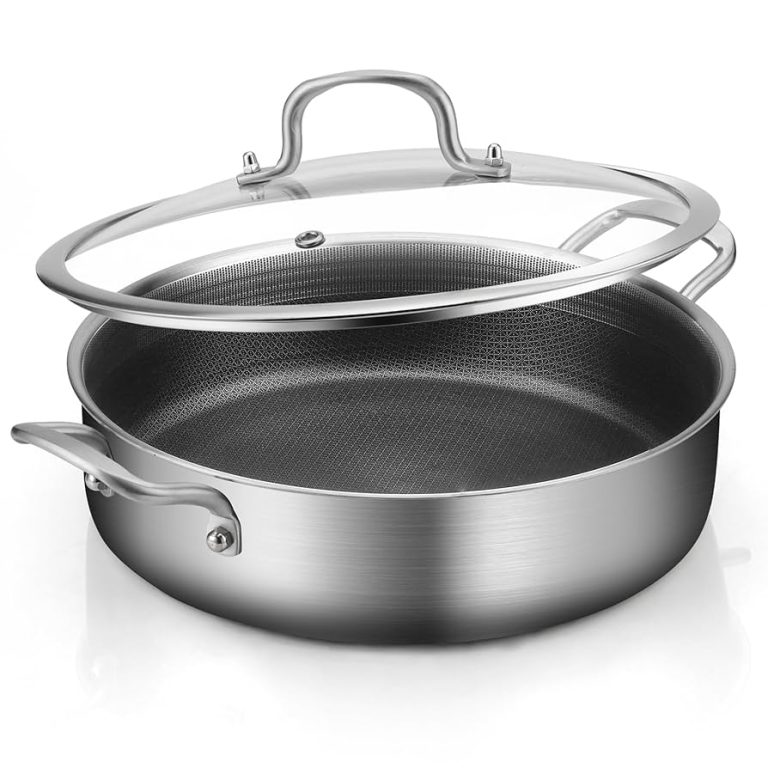
The standard Caraway cookware set is built around four main pans and three lids. The navy color changes the look, not the pan shape or cooking function.
| Piece | Common use | What to know |
|---|---|---|
| Fry pan | Eggs, vegetables, fish, burgers | Wide surface for quick cooking |
| Saucepan | Rice, oats, sauces, soup | Useful for small-batch meals |
| Sauté pan | Stir-fries, braises, one-pan meals | More depth than a fry pan |
| Dutch oven | Soup, pasta, chili, stews | Largest vessel in the set |
| Three lids | Covering the cooking pans | Lids may fit more than one pan |
| Storage organizers | Holding pans and lids | Included items can vary by package |
Caraway also sells individual cookware pieces and other sets. The exact contents of a package may change by region or promotion. Read the current U.S. listing carefully if you need a certain pan size or storage item.
What does “ceramic nonstick” mean?
Caraway uses a ceramic-based nonstick coating over an aluminum pan body. The coating helps food release with less oil than an uncoated pan often requires.
Ceramic nonstick is not the same as bare ceramic. The cooking surface is a coating, so it can wear if exposed to high heat, abrasive tools, rough cleaning, or repeated thermal shock.
The brand states that its cookware is made without PFAS, PTFE, PFOA, lead, and cadmium. These are manufacturer statements about the product materials. They should not be treated as proof that the pans will remain nonstick forever.
Is the Caraway Navy Cookware Set Worth It?
The set can be worth it for a U.S. home cook who values appearance, easy cleanup, and a full group of matching pans. Its strongest benefit is convenience: one purchase covers many common stovetop and oven tasks.
The main trade-off is coating life. Ceramic nonstick cookware can lose food-release performance before the pan body becomes unusable. If you want cookware that can tolerate metal tools, very high heat, or years of heavy use, stainless steel or cast iron may be a better fit.
Main advantages
- The navy finish gives the set a distinctive, coordinated look.
- The four-pan layout covers most daily cooking tasks.
- Ceramic coating supports easy food release.
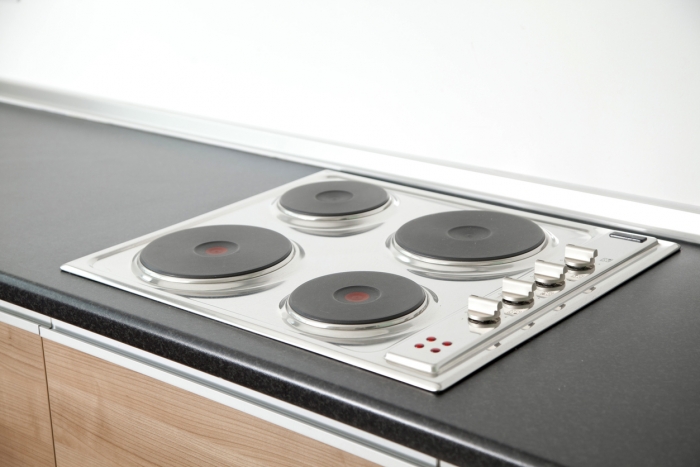
- The pans are designed for gas, electric, and induction cooktops.
- The aluminum body heats faster than thick cast iron.
- The set includes storage tools in many U.S. packages.
- The cookware is oven safe within the limits stated by the manufacturer.
Main limits
- Hand washing is the safer care choice, even if a listing says the cookware is dishwasher safe.
- Metal utensils can scratch or shorten the life of the coating.
- High heat may reduce nonstick performance.
- The dark exterior can show oil marks, stains, or heat changes.
- Large pans may feel heavy when full.
- A cookware set may include pieces you rarely use.
- A ceramic coating is a consumable surface, not a permanent finish.
Caraway Navy Cookware: Materials and Compatibility
The Caraway cookware body is generally made from aluminum with a stainless steel base or induction-compatible construction. Aluminum spreads heat well and keeps the pans lighter than many cast-iron alternatives. The coating provides the nonstick surface.
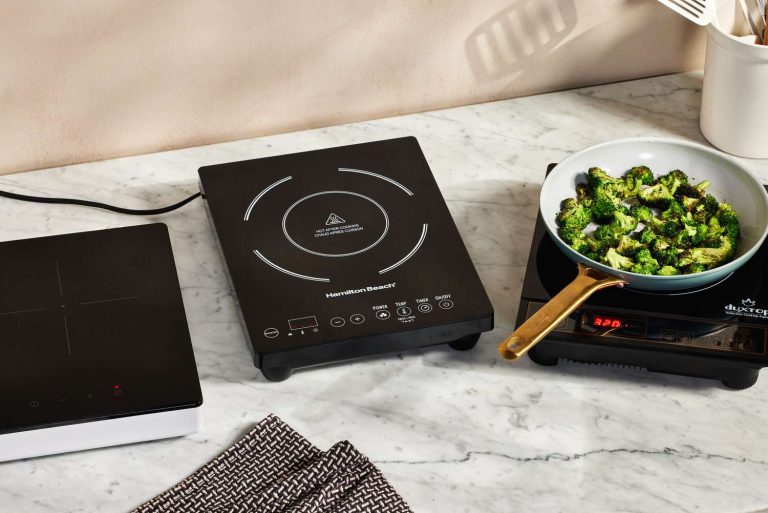
The set is designed for gas, electric, and induction stovetops. On an induction range, the pan must sit flat against the cooking zone. A pan that rocks, has a damaged base, or is too small for the burner may heat unevenly.
The cookware is also oven safe within the temperature limits listed by Caraway. Check the current manual before placing a pan or lid in the oven. The pan and lid may have different heat limits. Handles can become hot, so use a dry oven mitt when removing cookware.
What the set does not replace
The Caraway set does not replace every type of cooking tool. You may still want:
- A small skillet for one egg or a single grilled sandwich.
- A stainless steel pan for browning meat at high heat.
- A baking sheet for roasting.
- A stockpot for large batches.
- A cast-iron pan for searing and outdoor cooking.
This matters because a four-pan set can look complete but still leave gaps for large families or specialized cooking.
How to Use the Caraway Navy Cookware Set
Use low to medium heat for most cooking. Ceramic nonstick cookware does not need extreme heat to cook food well.
Before first use
- Remove all packaging, labels, and protective materials.
- Wash each pan with warm water, mild dish soap, and a soft sponge.
- Dry the pans fully.
- Review the current care guide for your exact set.
- Place the pans on the storage racks only after they are cool and dry.
A separate seasoning step is usually not needed for a ceramic nonstick surface. Adding a small amount of oil before cooking can still help with food release.
During cooking
- Preheat the pan briefly over low or medium heat.
- Add oil or food after the pan warms.
- Use wood, silicone, or soft plastic utensils.
- Keep the pan on a burner that matches its base.
- Lift the pan instead of sliding it across a glass cooktop.
- Let the pan cool before washing it.
Avoid heating an empty pan for a long time. Excess heat can stress the coating and make stains harder to remove.
After cooking
Wash the pan by hand with mild soap and a soft sponge. Do not use steel wool, scouring powder, or rough scrub pads.
For stuck food, soak the pan in warm soapy water. A soft nylon brush can help loosen residue. Do not scrape hard food with a knife or metal spatula.
Dry the pan before storing it. If pans touch during storage, use the supplied racks or a soft barrier to reduce surface contact.
How to Clean and Protect the Coating
Good care has a direct effect on the useful life of ceramic nonstick cookware. Most damage comes from repeated high heat, sharp utensils, abrasive cleaning, or stacking.
Recommended care
- Hand wash with mild dish soap.
- Use a soft sponge or cloth.
- Cook mainly on low or medium heat.
- Use silicone, wood, or nylon tools.
- Remove food soon after cooking.
- Store pans with space between them.
- Wipe the exterior after use to reduce oil buildup.
Care to avoid
- Do not use metal whisks or metal spatulas.
- Do not cut food inside the pan.
- Do not place a hot pan under cold running water.
- Do not use oven cleaner or abrasive powder.
- Do not leave an empty pan over a hot burner.
- Do not stack pans without protection.
- Do not use cooking sprays that can leave a sticky residue unless the care guide allows them.
A cooking spray may contain additives that build up over time. Liquid oil, added in a small amount, is often easier to control.
What if food begins to stick?
Sticking does not always mean the pan is defective. Check the cooking method first:
- The heat may be too high.
- The pan may need a small amount of oil.
- The food may have been moved too soon.
- The surface may have residue from earlier cooking.
- The coating may be worn.
Clean the pan gently and try again at lower heat. If food sticks across the whole surface after careful use, the coating may have reached the end of its useful life.
Caraway Navy vs. Other Cookware Types
The best cookware depends on what you cook, how you clean, and how long you expect the pan to last.
| Cookware type | Best feature | Main weakness |
|---|---|---|
| Caraway ceramic nonstick | Easy food release and coordinated design | Coating can wear |
| Traditional nonstick | Easy cooking and low oil use | Coating also needs careful care |
| Stainless steel | Strong, versatile, and durable | Food may stick without good technique |
| Cast iron | Heat retention and high-heat searing | Heavy and needs special care |
| Carbon steel | High-heat cooking with a natural surface | Requires seasoning and maintenance |
Choose the Caraway set if convenience and design matter more than maximum surface durability. Choose stainless steel if you want a pan that tolerates metal tools and high heat. Choose cast iron or carbon steel if searing and heat retention are central to your cooking.
The navy color should not drive the whole decision. It is an appearance choice. The more important questions are coating care, pan sizes, stove type, oven use, and replacement expectations.
Common Problems and Simple Fixes
Food sticks in the fry pan
Use less heat, add a small amount of oil, and allow food to release before turning it. Eggs and fish often stick when the pan is too cool, too hot, or not lightly oiled.
The exterior has brown or dark marks
Oil can polymerize on the outside of a pan after repeated heating. Wash with mild soap and a soft sponge. Avoid abrasive cleaners that may dull the finish.
The pan moves on the cooktop
Check whether the base is clean and whether the pan is sitting on a level burner. Do not use cookware with a badly warped base.
The lid becomes hot
This is normal during stovetop or oven cooking. Use a dry mitt and lift the lid away from your face so steam can escape.
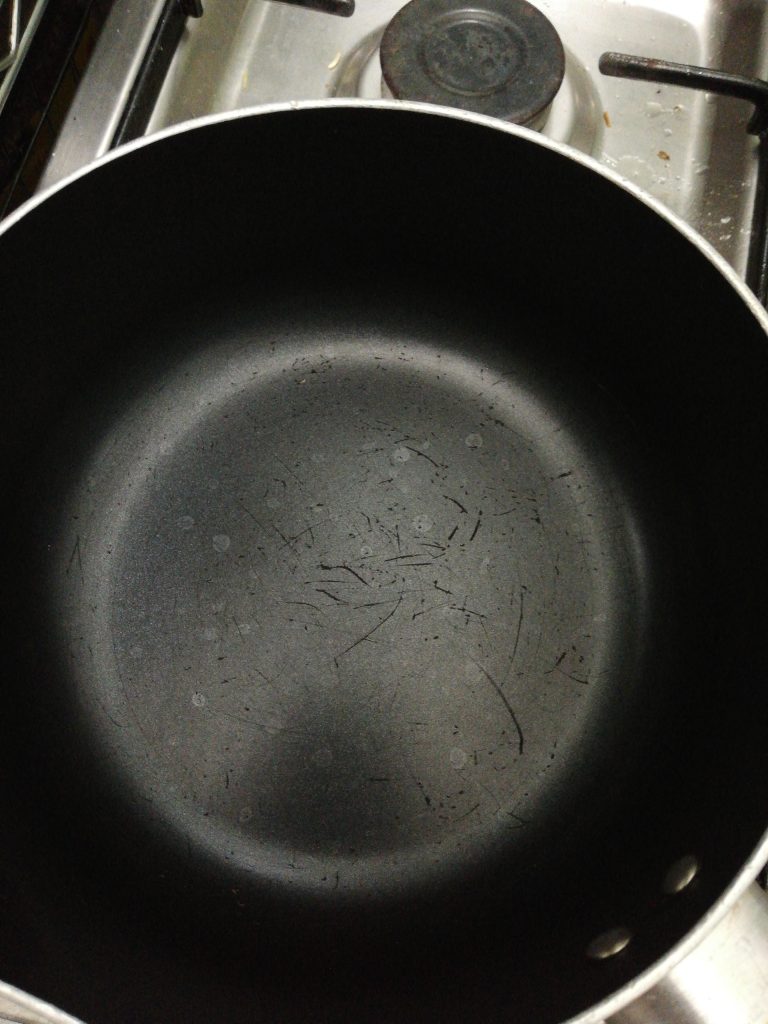
The pan has scratches
Stop using metal tools and inspect the surface. Light marks may affect appearance only, but deep scratches, peeling, or exposed pan material are signs to contact the manufacturer about warranty or replacement options.
The pan smells during first use
A mild manufacturing odor may occur after unpacking. Wash the pan, ventilate the room, and follow the care instructions. If a strong odor continues during normal cooking, stop use and contact Caraway support.
What to Check Before Buying the Navy Set
Before ordering, confirm these points on the current U.S. product page:
- Current contents: Make sure the listed pans match your cooking needs.
- Pan dimensions: Confirm diameter and capacity, especially for the Dutch oven.
- Cooktop compatibility: Check induction compatibility if you use an induction range.
- Oven limits: Verify the temperature rating for both pans and lids.
- Care instructions: Confirm whether hand washing is recommended.
- Warranty terms: Read what is covered and what may void coverage.
- Return window: Check the current return period and condition rules.
- Storage space: Measure your cabinet before buying the full set.
- Replacement availability: See whether individual pans and lids are sold separately.
- Total cost: Include tax, shipping, and any accessories not included in the package.
A set is not automatically cheaper than buying individual pans. If you only need a skillet and saucepan, compare the combined individual prices with the full set price.
Key Takeaways
- The Caraway Navy Cookware Set is a ceramic-coated cookware collection for common home cooking.
- Its standard layout usually includes a fry pan, saucepan, sauté pan, Dutch oven, and lids.
- It works with gas, electric, and induction cooktops when used within the manufacturer’s limits.
- Low to medium heat and soft utensils can help protect the coating.
- Hand washing is the safest routine for long-term care.
- The set fits cooks who value easy cleanup and design.
- Stainless steel, cast iron, or carbon steel may be better for high heat and maximum durability.
Frequently Asked Questions
Is the Caraway Navy Cookware Set safe to use?
The manufacturer states that its cookware is made without PFAS, PTFE, PFOA, lead, and cadmium. Use the pans only within the stated temperature and care limits. Replace cookware if the coating is badly peeling, deeply damaged, or no longer performs as intended.
Can Caraway Navy cookware go in the dishwasher?
Some product listings may describe the cookware as dishwasher safe, but hand washing is generally the gentler option for a coated surface and exterior finish. Always follow the care guide for the exact model you own.
Is Caraway cookware good for induction?
Yes, Caraway designs its cookware for induction compatibility. Check that your specific pan has an induction-ready base and sits flat on the cooking zone.
Can I use metal utensils with Caraway cookware?
Avoid metal utensils. Silicone, wood, and nylon tools are less likely to scratch the ceramic coating.
How long does Caraway ceramic cookware last?
There is no single service life for every household. Heat level, cleaning, utensils, storage, and cooking frequency all affect the coating. With careful use, it may last for years, but it should not be expected to perform like uncoated stainless steel or cast iron indefinitely.
Does the navy finish change cooking performance?
No. Navy is a color choice. Cooking performance depends more on the pan design, heat source, coating condition, and cooking method.
Conclusion
The Caraway Navy Cookware Set is a practical match for U.S. cooks who want a full, coordinated cookware group with a ceramic nonstick surface. Its benefits are easy food release, broad cooktop compatibility, and simple daily use.
Its limits are just as clear: the coating needs gentle care, high heat is not ideal, and long-term durability may not match stainless steel or cast iron. Before buying, compare the current U.S. contents, care rules, oven limits, warranty, and replacement options. If those trade-offs fit your kitchen, the navy set can cover most everyday meals without requiring a large collection of separate pans.