Caraway Essential Cookware: Best Buying Guide

Introduction
For cooks in the United States, Caraway Essential Cookware is a ceramic-coated cookware option designed for daily meals such as eggs, pasta, rice, roasted vegetables, and one-pan dinners. Its main appeal is simple: the pans are light, easy to clean, and made without PTFE-based nonstick coating, according to Caraway’s product information.
The line can be a good fit if you want low-stick cooking without traditional Teflon-style coating. It may not be the best choice if you need very high-heat searing, dishwasher-safe pans, or cookware that can take years of heavy metal-utensil use.
This guide explains what Caraway cookware is, what it includes, how to use it, how long the coating may last, and which buyers should consider another option.
What Is Caraway Essential Cookware?
Caraway cookware uses an aluminum body with a ceramic nonstick cooking surface. The aluminum helps the pan heat quickly, while the coating helps food release with less oil.
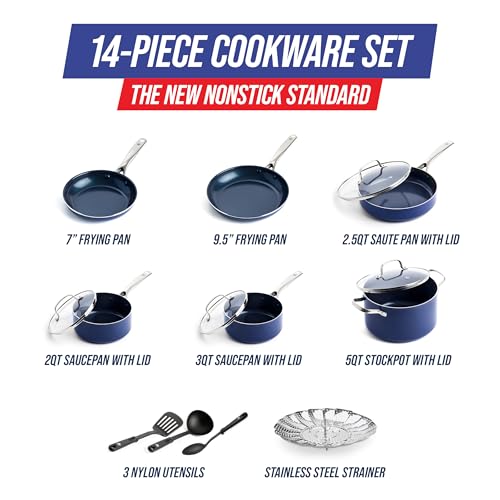
Caraway sells cookware as individual pieces and as bundled sets. Product names, colors, package contents, and prices can change, so check the current US product page before buying. A typical full set may include:
- Fry pan
- Sauce pan
- Sauté pan
- Dutch oven
- Lids
- Pan storage organizers
- Lid storage organizers
The storage pieces are useful in small kitchens. They help separate pans and reduce scratches when cookware is stacked.
What “ceramic nonstick” means
Ceramic nonstick cookware does not usually contain a PTFE coating. Instead, it uses a silica-based coating that creates a smooth cooking surface.
“Ceramic” does not mean the pan is made entirely from ceramic. In Caraway cookware, the core is generally metal, with a ceramic-based coating on the cooking surface.
The coating is the part that needs the most care. It can lose its easy-release performance faster when exposed to high heat, cooking spray residue, abrasive cleaners, or metal utensils.
Caraway’s material claims
Caraway states that its cookware is made without:
- PTFE
- PFOA
- Other PFAS
- Lead
- Cadmium
These are manufacturer claims. They describe the materials Caraway says it uses, but they do not prove that every pan will perform the same way in every kitchen.
For any product bought in the United States, read the current packaging and care instructions. Product specifications can change by model and over time.
What Comes in a Caraway Cookware Set?
The best set depends on how many people you cook for and which meals you make most often. A large set can look like a bargain, but unused pans still take up space and add cost.
| Piece | Best use | Main limitation |
|---|---|---|
| Fry pan | Eggs, fish, pancakes, vegetables, small portions | Not ideal for large batches |
| Sauce pan | Oatmeal, rice, sauces, soup, boiling small amounts | Narrow shape may limit browning |
| Sauté pan | Stir-fries, pasta dishes, shallow braises | Larger and heavier than a fry pan |
| Dutch oven | Soup, chili, braises, bread, large meals | Takes longer to heat and is heavier |
| Lids | Steaming, simmering, and retaining heat | Glass lids may need separate temperature care |
| Storage organizers | Vertical storage and stacking protection | Uses cabinet or counter space |
A two-person household may need only a fry pan and sauce pan. A family that cooks large one-pot meals may get more value from a sauté pan or Dutch oven.
Essential pieces for most kitchens
If you are building a basic cookware collection, these three pieces cover many daily meals:
- 10.5-inch fry pan: Useful for breakfast foods, vegetables, fish, and small meat portions.
- 3-quart sauce pan: Useful for grains, sauces, soup, and reheating.
- Sauté pan or Dutch oven: Useful for larger meals and recipes that move from stovetop to oven.
A full set makes more sense when you regularly use all of its pieces. Otherwise, buying individual pans can lower clutter and reduce the amount of coating exposed to wear.
Is Caraway Cookware Safe to Use?
Caraway cookware is generally safe when used according to its care instructions. The main safety risks are overheating, burns, sudden temperature changes, and damage to the nonstick surface.
Caraway states that its cookware does not use PTFE, PFOA, or other PFAS. The company also provides oven-safety limits for its cookware. Those limits can vary by item, so confirm the instructions for your exact pan and lid before using an oven.
Heat safety
Do not leave an empty ceramic-coated pan over high heat. An empty pan can heat very quickly, which may damage the coating or create a burn risk.
Use low to medium heat for most cooking. Ceramic nonstick pans often perform well at moderate temperatures, and high heat is not needed for many foods.
The following habits are safer:
- Add food or liquid before heating an empty pan.
- Use medium heat for frying and sautéing.
- Keep handles turned away from the front edge of the stove.
- Use oven mitts when moving hot cookware.
- Let the pan cool before washing it.
- Do not pour cold water into a very hot pan.
- Check the pan and lid oven ratings before baking.
Metal utensils and coating damage
Metal utensils can scratch ceramic coatings. Use wood, silicone, nylon, or other utensils marked safe for nonstick cookware.
A scratch does not mean that the pan will fail at once. It can, however, make food stick more easily and create rough spots that are harder to clean. Replace a pan if the cooking surface is badly chipped, peeling, or shedding material.
Oven use
Caraway cookware is designed for stovetop and oven use, but the temperature limit matters. Do not assume that the pan, lid, knob, and handle all share the same rating.
Before oven use:
- Check the care guide for the exact model.
- Confirm the maximum temperature for the pan.
- Confirm the separate limit for the lid.
- Remove storage organizers and any parts not rated for oven use.
- Use thick oven mitts when removing the pan.
Induction and other stovetops
Caraway lists its cookware as compatible with common stovetops, including gas, electric, and induction, for models designed with an induction-ready base.
If you have an induction cooktop, confirm that the exact pan has magnetic compatibility. A magnet should attach firmly to the base, but the product listing remains the best source for model-specific information.
How to Use Caraway Ceramic Cookware
Good technique can extend the useful life of ceramic nonstick cookware. The goal is to reduce heat stress, surface scratches, and baked-on oil.
First-use setup
Before the first use:
- Remove all packaging and labels.
- Wash the pan by hand with warm water and mild dish soap.
- Dry it with a soft towel.
- Check the surface for shipping damage.
- Follow the current care guide for any recommended first-use step.
Caraway does not require a traditional cast-iron seasoning process. Avoid treating it like bare cast iron or carbon steel.
Cooking method
Use this basic method for most meals:
- Place the pan on the correct burner.
- Add a small amount of oil or butter.
- Set the heat to low or medium.
- Add the food once the pan is warm.
- Let the food cook before trying to move it.
- Use a soft utensil to turn or stir the food.
- Lower the heat if food browns too quickly.
- Let the pan cool before cleaning.
Ceramic nonstick does not mean food can never stick. Eggs, sugar, cheese, and starchy foods may still leave residue when cooked at high heat or left unattended.
Choosing oil
Use a small amount of cooking oil when needed. Oil can improve browning and reduce friction between food and the cooking surface.
Avoid letting oil spray build up on the pan. Aerosol cooking sprays may leave a thin residue that becomes sticky over time. Pouring a small amount of oil into the pan gives you better control.
Best foods for the pan
Caraway ceramic cookware is well suited to:
- Eggs and omelets
- Pancakes
- Fish
- Vegetables
- Grilled cheese
- Rice and grains
- Sauces
- Pasta
- Shallow braises
- One-pan meals
For hard searing, very high-heat stir-frying, or cooking over an open flame, stainless steel, carbon steel, or cast iron may be a better match.
How to Clean and Maintain Caraway Cookware
Hand washing is the safest cleaning method for Caraway cookware. Even when a product is described as dishwasher safe, frequent dishwasher cycles can shorten the life of a ceramic coating through heat, detergent, and contact with other items.
Daily cleaning steps
- Allow the pan to cool.
- Remove loose food with a soft sponge or cloth.
- Wash with warm water and mild dish soap.
- Rinse away all soap.
- Dry the pan before storing it.
- Store it without placing sharp cookware directly on the cooking surface.
Do not use steel wool, scouring powder, harsh degreasers, or abrasive scrub pads.
Removing stuck food
For stuck food, fill the pan with warm water and let it soak for a short time. Then use a soft sponge.
If residue remains, add a small amount of baking soda to the wet surface and rub gently. Do not scrape hard. The aim is to soften the residue, not grind it away.
Never use a knife or metal spatula to remove burned food from the coating.
Preventing stains
Ceramic cookware may develop discoloration from oil, heat, and mineral deposits. A stain does not always mean the pan is unsafe, but it can signal that the pan has been exposed to too much heat or residue.
To reduce staining:
- Use moderate heat.
- Clean oil residue after each use.
- Avoid heating the pan while empty.
- Do not stack unprotected cookware.
- Wipe the exterior after cooking.
Storage
Use pan separators or soft cloth between stacked pieces. Store lids so they do not press against the cooking surface.
Caraway’s storage organizers can help, but they are not required. A cabinet divider, soft towel, or vertical rack can also reduce contact damage.
How Long Does Caraway Cookware Last?
Caraway cookware does not have one guaranteed lifespan for every kitchen. Its useful life depends on heat, cleaning, utensils, frequency of use, and the condition of the coating.
A pan used twice a week on low heat may stay easy to clean longer than a pan used several times each day over high heat.
Signs that the coating is wearing out
Watch for these changes:
- Food sticks despite normal cooking methods.
- The surface feels rough.
- Scratches become deep or widespread.
- The coating chips or peels.
- Cleaning takes much longer than before.
- Oil no longer spreads evenly.
- The pan develops areas that cook differently.
A small mark may be cosmetic. Peeling, flaking, or broad damage is a stronger reason to replace the pan.
How to extend its life
The most useful habits are simple:
- Keep heat at low or medium.
- Use silicone, wood, or nylon tools.
- Wash by hand.
- Avoid cooking spray residue.
- Do not stack bare pans.
- Do not heat the pan empty.
- Let the pan cool before washing.
- Replace damaged cookware rather than continuing to scrape it.
Ceramic coatings are wear items. They are not the same as bare stainless steel, which can often be scrubbed more aggressively and refinished through use.
Caraway vs. Stainless Steel, Cast Iron, and Other Cookware
Caraway is best understood as a convenience-focused ceramic nonstick option. It is easy to use, but its coating places limits on heat and cleaning.
| Cookware type | Main strength | Main trade-off |
|---|---|---|
| Caraway ceramic nonstick | Easy food release and simple cleaning | Coating can wear with heat and abrasion |
| Stainless steel | Durable, high-heat cooking, no coating | Food may stick without good technique |
| Cast iron | Strong heat retention and long service life | Heavy and needs seasoning care |
| Carbon steel | High-heat cooking with a naturally developing surface | Requires seasoning and maintenance |
| Traditional PTFE nonstick | Very low food sticking | Must follow product heat limits and replace when damaged |
Choose Caraway if you want
- Easy release for eggs and delicate foods
- A pan without PTFE-based coating
- A lighter alternative to cast iron
- A coordinated cookware set
- Simple cleaning
- Storage accessories that reduce cabinet clutter
Consider another material if you need
- Frequent high-heat searing
- Dishwasher use after every meal
- Metal-utensil durability
- Open-fire cooking
- A pan that can last for decades with surface renewal
- Very low-cost replacement when the coating wears out
No one material wins at every cooking task. Many kitchens work best with a mix: ceramic nonstick for eggs, stainless steel for browning, and cast iron or carbon steel for high-heat cooking.
Common Caraway Cookware Mistakes
The most common problems come from heat and care errors rather than a defect in the pan.
Mistake 1: Cooking everything on high
High heat can shorten the life of ceramic nonstick coatings. It can also burn oil onto the surface.
Better approach: Start at low or medium heat and increase it only when the recipe needs more heat.
Mistake 2: Using aerosol cooking spray
Spray residue can become sticky and difficult to remove.
Better approach: Use a small amount of liquid oil, butter, or cooking fat.
Mistake 3: Putting hot cookware under cold water
A rapid temperature change can stress the pan and make cleaning harder.
Better approach: Let the pan cool before washing.
Mistake 4: Using metal tools
Metal edges may scratch the coating.
Better approach: Use soft, nonmetal utensils.
Mistake 5: Treating ceramic cookware like cast iron
Ceramic cookware does not need aggressive scrubbing or repeated seasoning.
Better approach: Use mild soap, a soft sponge, and moderate heat.
Mistake 6: Assuming every piece has the same oven rating
The pan, lid, handle, and knob may have different limits.
Better approach: Check the instructions for each part before oven use.
Is Caraway Essential Cookware Worth It?
Caraway Essential Cookware can be worth the cost for US shoppers who want a stylish, easy-to-clean ceramic nonstick set and who will use moderate heat and careful tools.
It is less compelling for cooks who want maximum durability, regularly sear at high heat, or expect to put every pan in the dishwasher. In those cases, stainless steel, cast iron, carbon steel, or a mixed cookware collection may offer better long-term value.
A simple buying test
Before buying a full set, answer these questions:
- Do you cook eggs, fish, pancakes, or other foods that benefit from easy release?
- Will you hand wash the pans?
- Can you avoid high heat and metal utensils?
- Will you use most of the pieces in the set?
- Do you have a safe place to store the cookware?
- Do you need induction compatibility?
- Are you comfortable replacing a pan when its coating wears out?
If the answer is yes to most of these questions, Caraway may fit your kitchen. If several answers are no, buy one individual piece first or choose a different material.
Frequently Asked Questions
Is Caraway cookware made with Teflon?
Caraway says its cookware is made without PTFE, the material commonly associated with Teflon-style nonstick coatings. It uses a ceramic-based nonstick surface instead. Check the current product information for the exact model before buying.
Can Caraway cookware go in the dishwasher?
Caraway recommends hand washing its cookware. Even if a specific item has different instructions, hand washing is usually the better choice for extending the life of a ceramic coating.
Can I use metal utensils with Caraway pans?
It is best to avoid metal utensils. Use wood, silicone, nylon, or other tools labeled safe for nonstick cookware.
Is Caraway cookware safe for induction stoves?
Caraway offers models designed for induction cooktops. Confirm induction compatibility for the exact pan because product lines and bases can vary.
Why is food sticking to my Caraway pan?
Common causes include high heat, too little cooking fat, burned-on residue, coating wear, and cooking spray buildup. Clean the pan gently, lower the heat, and use a small amount of oil. If food continues to stick and the surface is scratched or peeling, replace the pan.
Final Recommendation
Caraway Essential Cookware is a practical choice for moderate-heat cooking and buyers who value easy cleanup, coordinated design, and a ceramic nonstick surface without PTFE. It works best when treated gently.
For the longest service, hand wash the pans, avoid metal tools, skip high heat, and follow the oven limits for the exact model. If your cooking style centers on hard searing, open-fire cooking, or years of abrasive use, stainless steel, cast iron, or carbon steel will likely serve you better.