Caraway Cookware Alternative: Best Non Toxic Options

Introduction
For shoppers in the United States, the best Caraway cookware alternative depends on what you want to change: price, coating life, oven use, weight, or cooking performance. Caraway uses aluminum cookware with a ceramic nonstick coating. A good substitute may use another ceramic coating, stainless steel, cast iron, carbon steel, or traditional PTFE nonstick.
This guide compares those materials in plain terms. It also explains which options fit eggs, searing, baking, induction cooking, low-maintenance care, and long-term use.
Quick Takeaways
- Choose GreenPan if you want a similar ceramic nonstick experience.
- Choose Made In stainless steel if you want strong searing and no nonstick coating.
- Choose Tramontina stainless steel if you want a lower-cost, practical set.
- Choose Lodge cast iron if you want a durable pan that can last for decades.
- Choose carbon steel if you want a lighter alternative to cast iron that can build a natural release surface.
- Choose PTFE nonstick if easy egg and pancake cooking matter most and you follow low-to-medium heat rules.
- No cookware material wins in every category. Ceramic nonstick is easy to use at first, but its release often declines faster than bare metal cookware.
What Is a Caraway Cookware Alternative?
A Caraway cookware alternative is any cookware line that replaces Caraway for a similar cooking need. It does not have to use the same material.
Caraway cookware is generally made from an aluminum body with a ceramic nonstick cooking surface. The aluminum spreads heat well. The coating helps food release with little oil. The trade-off is that the coating needs gentle care and may lose its nonstick performance over time.
The right alternative depends on the feature you value most:
| Your main goal | Best material to consider | Main trade-off |
|---|---|---|
| Similar look and easy release | Ceramic nonstick | Coating life can be limited |
| Strong searing and browning | Stainless steel | Food can stick without good technique |
| Long service life | Cast iron | Heavy and needs seasoning |
| Lighter long-term pan | Carbon steel | Needs seasoning and care |
| Very easy eggs and pancakes | PTFE nonstick | Needs heat and utensil limits |
| Lower-cost everyday cooking | Stainless steel or cast iron | Less forgiving than coated pans |
“Ceramic cookware” can mean two different things. Solid ceramic cookware is made from ceramic material throughout. Most modern “ceramic nonstick” pans use a thin sol-gel coating over metal. That difference matters because the coating, not the whole pan, controls the nonstick life.
Best Caraway Alternatives by Cooking Style
Best similar option: GreenPan ceramic nonstick
GreenPan is one of the closest Caraway alternatives for shoppers who want ceramic-coated cookware. Its pans use a metal body with a ceramic nonstick coating. The cooking feel is familiar: quick heating, easy cleanup, and low-oil cooking.
GreenPan may suit you if you want:
- A ceramic nonstick surface
- A broad range of pan shapes and sizes
- Easy cooking for eggs, fish, and vegetables
- A brand with many US retail options
The same limits apply to most ceramic nonstick pans. Use low or medium heat, avoid metal tools, and wash by hand when the care guide recommends it. Do not assume that a new ceramic pan will stay slick forever.
Best stainless steel alternative: Made In or Tramontina
Stainless steel is the strongest choice when you want to avoid a nonstick coating. It handles browning, pan sauces, and high-heat cooking better than most coated pans.
Made In offers stainless steel lines aimed at home cooks who want responsive, multi-layer construction. Tramontina provides more budget-focused stainless steel options. Exact construction varies by model, so check whether a pan is fully clad or has a different base design.
Stainless steel works well for:
- Steak and chicken
- Roasted vegetables
- Pan sauces
- Deglazing
- High-heat stovetop cooking
- Long-term ownership
It requires a small technique change. Preheat the pan, add oil, then add dry food. Let the food brown before trying to move it. If food sticks, it may need more time to release rather than more force.
Best durable skillet: Lodge cast iron
Lodge cast iron is a strong Caraway alternative for people who want one tough pan instead of a matching cookware set. Cast iron holds heat well and works on the stove, in the oven, and over a fire when used correctly.
It is useful for:
- Steaks
- Cornbread
- Burgers
- Roasted vegetables
- Skillet meals
- Baking
Cast iron is heavy. It also needs seasoning care. Dry the pan after washing, apply a thin layer of oil when needed, and avoid leaving wet food or water in it for long periods.
A cast-iron skillet is not a direct replacement for a ceramic saucepan or lightweight fry pan. It is better viewed as a durable cooking tool that fills a different role.
Best lighter seasoned option: Carbon steel
Carbon steel offers a middle ground between cast iron and stainless steel. It is lighter than cast iron and can develop a dark, seasoned surface that releases food well.
Carbon steel is a good fit for:
- Stir-frying
- Searing
- Omelets after seasoning
- High-heat cooking
- Users who want a pan that improves with care
Acidic foods, such as tomato sauce and vinegar-heavy dishes, can weaken a young seasoning layer. The pan may also change color as it seasons. That is normal and does not mean the pan has failed.
Best easy-release option: PTFE nonstick
PTFE nonstick cookware remains one of the easiest choices for eggs, pancakes, delicate fish, and low-fat cooking. It is not the same as ceramic nonstick.
Modern PTFE cookware sold in the United States is regulated for food-contact use when manufactured and used as directed. The main care rule is to avoid extreme heat and never heat an empty nonstick pan for a long time. Follow the maker’s heat, oven, and utensil limits.
PTFE may be the better choice if easy release matters more to you than a ceramic coating. It may be a poor choice if you want cookware that can handle very high heat, metal tools, or years of rough use.
Ceramic Nonstick vs. Other Cookware Materials
The most useful comparison is not brand against brand. It is coating against bare metal.
Ceramic nonstick
Ceramic nonstick pans have a thin coating over an aluminum or another metal body. They often feel light and heat quickly.
Strengths:
- Easy food release when new
- Simple cleanup
- Good for eggs and fish
- Often marketed without intentionally added PFAS
Limits:
- The release can decline with use
- High heat can shorten coating life
- Rough scrubbers and metal tools can damage the surface
- “Ceramic” does not mean the pan is solid ceramic
Manufacturers may use terms such as “PFAS-free” or “free of PFOA.” These terms are not interchangeable. PFOA is one specific chemical. PFAS refers to a large family of chemicals. Read the exact claim and its scope.
Stainless steel
Stainless steel has no applied nonstick layer. It can tolerate higher heat and rougher use than coated cookware, although the handle and other parts may have separate limits.
Strengths:
- Excellent for browning
- Durable cooking surface
- Good for acidic foods
- Usually dishwasher safe, depending on the model
- No coating to wear away
Limits:
- Food may stick
- Requires preheating and oil control
- Burnt residue can take work to remove
- Quality varies by construction and thickness
Cast iron
Cast iron has a thick body and high heat retention. A seasoned surface can become fairly slick, but it will not behave exactly like factory nonstick.
Strengths:
- Very durable
- Strong heat retention
- Works on many cooktops
- Useful in the oven
- Often affordable for a single skillet
Limits:
- Heavy
- Slow to heat and cool
- Needs seasoning care
- Can react with long acidic cooking in some situations
Carbon steel
Carbon steel heats faster than cast iron and is usually easier to lift. It needs seasoning and can rust if stored wet.
Strengths:
- Lighter than cast iron
- Good for high heat
- Can develop a useful seasoned surface
- Suitable for searing and stir-frying
Limits:
- Needs regular care
- Seasoning can be uneven at first
- Not ideal for long acidic recipes
- Some models can warp if heated unevenly
How to Choose the Right Caraway Replacement
Use this five-step process before buying a replacement.
1. Identify the pan you use most
Do not replace a full cookware set by habit. List the pieces you use each week.
You may need only:
- A 10- or 12-inch skillet
- A 2- or 3-quart saucepan
- A stockpot
- A Dutch oven
- A baking sheet
Replacing one weak piece can cost less and create less waste than buying another full set.
2. Decide whether you want a coating
Choose ceramic or PTFE if easy release is your top need. Choose stainless steel, cast iron, or carbon steel if you want a cooking surface with no synthetic nonstick layer.
This is the key decision. A different brand with the same type of coating may feel more familiar, but it may not solve concerns about coating wear.
3. Match the pan to your cooktop
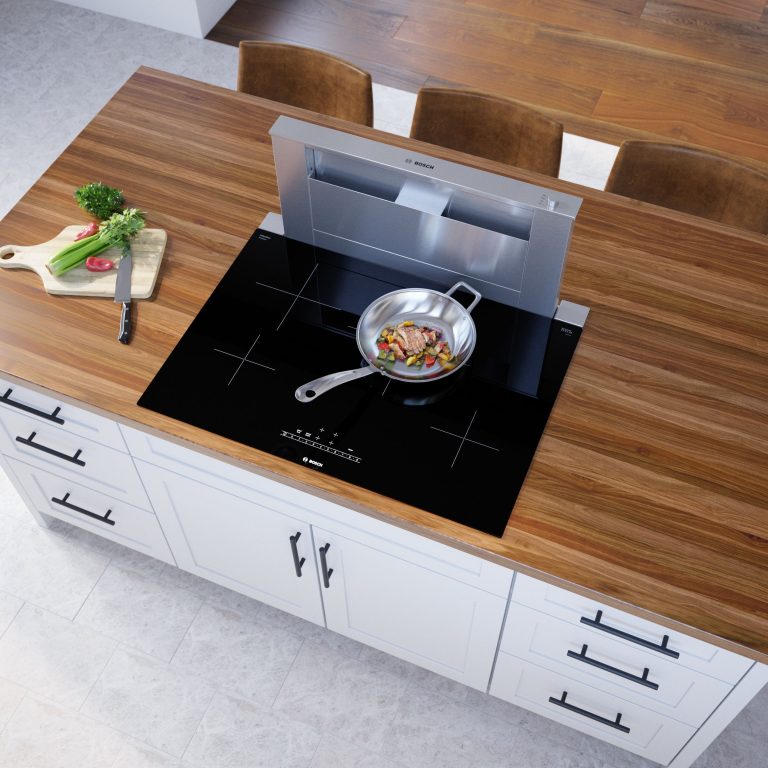
For an induction cooktop, the pan must have a magnetic base. A simple magnet test can help: place a magnet on the bottom of the pan. If it grips firmly, the pan may work with induction, but the manufacturer’s specifications are the final check.
For gas and electric coil stoves, most cookware materials work. Glass-top stoves require a flat base and careful lifting instead of sliding, especially with cast iron.
4. Check oven and dishwasher limits
Oven ratings can differ because of the pan body, coating, lid, handle, or knob. A lid may have a lower limit than the pan.
Look for these details before purchase:
- Maximum oven temperature
- Broiler use
- Induction compatibility
- Dishwasher guidance
- Safe utensil type
- Warranty terms
- Replacement parts for lids or knobs
Do not rely only on a product title. Check the manual for the exact model.
5. Buy the smallest useful set
Large sets often include pieces that sit unused. A two-pan setup may cover most meals:
- One coated skillet for eggs and delicate foods
- One stainless steel, cast-iron, or carbon-steel pan for browning
Add a saucepan or Dutch oven only when your recipes require one.
Best Caraway Alternatives at a Glance
The table below compares material types rather than promising that one brand is best for every cook.
| Alternative type | Best for | Care level | Heat use | Expected trade-off |
|---|---|---|---|---|
| GreenPan ceramic nonstick | Easy release with a Caraway-like feel | Medium | Low to medium is usually safest | Coating may lose release |
| Made In stainless steel | Browning and pan sauces | Low to medium | Medium to high, per model limits | Needs cooking technique |
| Tramontina stainless steel | Practical everyday cooking | Low to medium | Model dependent | Finish and construction vary |
| Lodge cast iron | Durability and heat retention | Medium | High and oven use, within limits | Heavy |
| Carbon steel skillet | High-heat cooking with less weight | Medium to high | High, after seasoning | Can rust or lose seasoning |
| PTFE nonstick | Eggs and delicate food | Low | Low to medium | Avoid overheating and sharp tools |
A product’s brand name does not tell the whole story. Two pans from the same company may use different coatings, bases, handles, or oven limits. Compare the exact model.
How to Make Ceramic Nonstick Cookware Last Longer
Ceramic nonstick cookware usually lasts longer when you treat it as a low- to medium-heat tool.
Follow these practices:
- Use low or medium heat. Ceramic coatings can lose performance when repeatedly exposed to intense heat.
- Do not preheat an empty pan for a long time. Add food or a small amount of cooking fat soon after heating begins.
- Use wood, silicone, or soft plastic tools. Metal edges can scratch or weaken the coating.
- Let the pan cool before washing. A sudden temperature change can stress the pan.
- Use a soft sponge. Avoid steel wool and harsh abrasive powders.
- Avoid cooking spray unless the manual allows it. Some sprays can leave a residue that is hard to remove.
- Store pans with protection between them. A cloth or pan divider can reduce scratches.
- Replace the pan when the coating is badly damaged. Peeling, deep scratches, or a rough surface are signs to stop treating it as nonstick.
A ceramic pan that no longer releases food well may still be usable for some tasks if the surface is intact. But it should not be sold as fully nonstick once that performance has clearly declined.
Is Ceramic Nonstick Safer Than PTFE?
Neither label alone proves that one pan is safer for every use. Safety depends on the material, manufacturing quality, temperature, condition, and instructions.
Ceramic nonstick coatings are often marketed as alternatives to PFAS-based nonstick coatings. PTFE is a fluoropolymer used in many traditional nonstick pans. The US Food and Drug Administration evaluates substances used in food-contact applications, while the US Environmental Protection Agency addresses PFAS through environmental and chemical programs.
The practical rules are simple:
- Follow the cookware maker’s heat limits.
- Do not heat an empty coated pan for a long time.
- Stop using a pan with severe peeling or damage.
- Use ventilation during high-heat cooking.
- Read the exact coating claim instead of assuming that “ceramic” describes the whole pan.
- Do not confuse “PFOA-free” with “free of all PFAS.”
For product-specific claims, check the current manufacturer documentation and FDA food-contact information. Marketing terms can change, and a claim may apply to a coating rather than every component of the product.
Common Mistakes When Replacing Caraway Cookware
Buying another ceramic set to solve a durability concern
If your main complaint is that the coating wore out, another ceramic set may not fix the root problem. A stainless steel skillet or seasoned cast-iron pan may be a better change.
Comparing prices without comparing pieces
A set may look cheaper per pan but include small pieces you do not use. Compare the cost of the exact skillet, saucepan, or pot you need.
Expecting stainless steel to act like nonstick
Stainless steel needs heat control and patience. Food often releases after browning. Adding more oil after food has already stuck may not solve the issue.
Using high heat with coated cookware
High heat is useful for some cooking jobs, but it is usually a poor match for ceramic and PTFE coatings. Use stainless steel, cast iron, or carbon steel for intense searing.
Ignoring the cooktop
A pan that works on gas may not work on induction. An induction-compatible pan may still heat differently from one used on a gas burner.
Treating a damaged coating as normal wear
A few light marks are different from deep scratches, flaking, or peeling. When the surface is failing, replacement is the safer and more practical choice.
Frequently Asked Questions
What is the closest alternative to Caraway cookware?
GreenPan is one of the closest alternatives because it offers ceramic-coated cookware with a similar easy-release cooking style. The exact coating, pan construction, care rules, and warranty differ by model, so compare those details before buying.
Is stainless steel better than Caraway cookware?
Stainless steel is better for high heat, browning, and long-term durability. Caraway-style ceramic nonstick is easier for eggs, fish, and quick cleanup. The better choice depends on whether convenience or a coating-free cooking surface matters more.
Is GreenPan better than Caraway?
Neither brand is automatically better for every cook. Both offer ceramic nonstick products, but individual models differ in design, coating, heat limits, and warranty terms. Compare the exact pan rather than the brand name alone.
What is the best Caraway alternative for induction?
Look for a model that the manufacturer clearly marks as induction compatible. Stainless steel, cast iron, carbon steel, and some ceramic-coated pans can work on induction, but the base must contain suitable magnetic material.
Can you use metal utensils with a Caraway alternative?
Use only the utensil type listed in the product manual. Wood and silicone are the safest general choices for ceramic and PTFE nonstick pans. Stainless steel, cast iron, and carbon steel usually tolerate metal utensils better.
How long does ceramic nonstick cookware last?
There is no reliable life span that applies to every pan. Use, heat, cleaning, utensils, and storage all affect performance. Ceramic nonstick may lose its easy release before the metal body becomes unusable.
Final Recommendation
Choose a ceramic nonstick alternative if you want the closest day-to-day feel to Caraway. Choose stainless steel if you want stronger browning and no nonstick coating. Choose cast iron or carbon steel if long service life and high-heat cooking matter most.
For many US kitchens, the most useful setup is not one complete replacement set. It is a small mix: one easy-release pan for delicate foods and one durable pan for browning. Before you buy, check the exact model’s coating, induction rating, oven limit, care instructions, and warranty.