How To Clean Induction Cookware: Easy Care Guide

Clean induction cookware with warm water, mild soap, baking soda, and a soft sponge.
If you want induction cookware to last, the cleaning method matters just as much as the cooking. I’ve seen great pans lose their shine because of harsh scrubbers, strong chemicals, or a rushed cleanup after dinner. In this guide, I’ll walk you through how to clean induction cookware the right way, so you protect the finish, keep heat performance steady, and make every pan look and work better for longer.
What Makes Induction Cookware Different
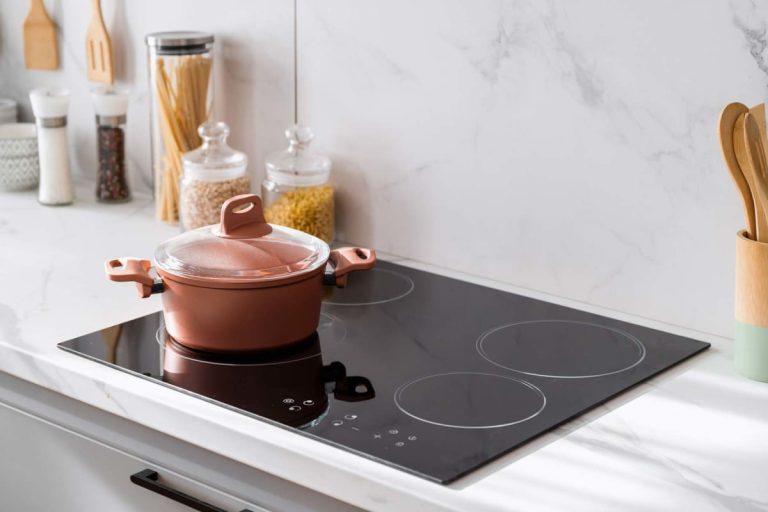
Induction cookware is built to work with magnetic fields. That means the base usually has a magnetic layer, often stainless steel or a bonded metal core, so the pan heats fast on an induction cooktop.
Because of that design, the bottom matters a lot. If the base gets warped, scratched badly, or covered in burnt residue, the pan may not sit flat or heat evenly. That is why how to clean induction cookware is not just about looks. It is about performance too.
A few common traits of induction cookware include:
• A flat, magnetic base
• Stainless steel, cast iron, or induction-ready nonstick construction
• Fast heat response
• Sensitivity to surface damage from harsh tools or cleaners
I learned this the hard way years ago with a stainless induction skillet. I used a steel wool pad on the base after a sauce spill, and while the pan still worked, the finish never looked the same. Since then, I stick to gentler methods, and honestly, the pans stay in better shape.
How to Clean Induction Cookware After Everyday Use
The best way to clean induction cookware is simple and gentle. Most of the time, you do not need heavy scrubbing at all.
Follow these steps:
-
Let the pan cool first
Never put a hot pan into cold water right away. The sudden temperature change can stress the metal and affect the shape over time. -
Wash with warm water and mild dish soap
Use a soft sponge or microfiber cloth. This removes grease without scratching the surface. -
Rinse well
Soap left behind can create dull spots, especially on stainless steel. -
Dry immediately
Use a clean towel to prevent water marks and mineral spots. -
Check the bottom before storing
Make sure the induction base is dry and clean so it stays flat and ready for the next use.
This routine works for most stainless steel, cast iron, and nonstick induction cookware. If you clean induction cookware this way after each meal, you will avoid most deep cleaning jobs later.

How to Remove Burnt Food From Induction Cookware
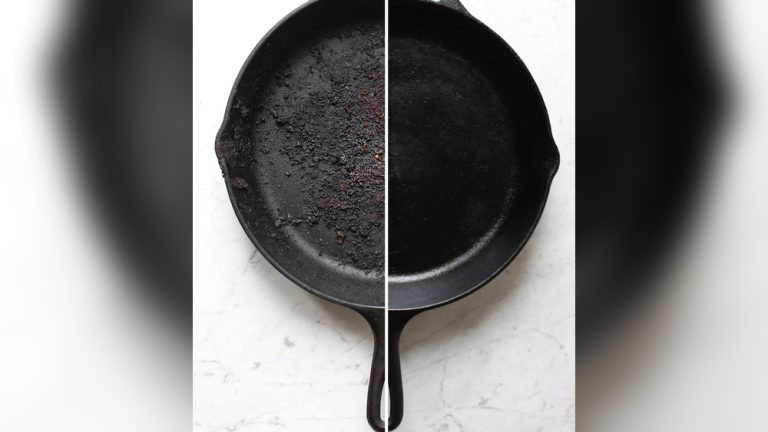
Burnt food is one of the most common problems people run into. I have had rice stick like glue and tomato sauce leave a dark ring that looked impossible to remove. The trick is not force. It is patience.
For stuck-on food, try this:
• Fill the pan with warm water and a few drops of dish soap
• Let it soak for 15 to 30 minutes
• Use a soft sponge or nylon scrub pad
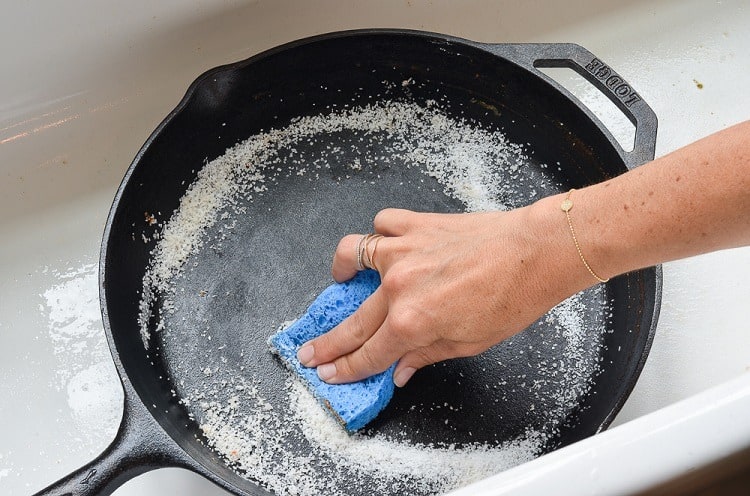
• For tougher residue, sprinkle baking soda on the spot and add a little water to make a paste
• Gently rub in circles, then rinse and dry
If the food is still stuck, simmer water in the pan for a few minutes. That often loosens the residue without damaging the finish. This method is especially useful when you clean induction cookware made of stainless steel.
Avoid scraping with metal tools. They can scratch the surface and make future cleanup harder.
How to Clean Different Types of Induction Cookware
Not all induction cookware is the same. The material changes the cleaning method a bit.
Stainless Steel Induction Cookware
Stainless steel is strong, but it can show stains, rainbow marks, and burned-on food.
Best cleaning tips:
• Use dish soap and warm water daily
• Remove discoloration with a baking soda paste
• For water spots, dry right away after washing
• For stubborn stains, use a cleaner made for stainless steel if needed
A soft cloth is usually enough. I have found that stainless steel looks best when you clean induction cookware soon after cooking, before food dries on.
Cast Iron Induction Cookware
Cast iron is durable, but it needs special care. Too much water can cause rust.
Best cleaning tips:
• Wipe out food while the pan is still warm
• Wash quickly with minimal soap if needed
• Dry fully right away
• Apply a thin layer of oil after drying if the pan is seasoned
Do not soak cast iron for long. That is one of the fastest ways to damage it.
Nonstick Induction Cookware
Nonstick induction cookware is easier to clean, but the coating is delicate.
Best cleaning tips:
• Use only soft sponges or cloths
• Avoid abrasive powders and steel scrubbers
• Wash by hand unless the maker clearly says it is dishwasher safe
• Do not use high heat when cooking, since burned coating is harder to clean
In my experience, nonstick pans stay in the best shape when cleaned right after use. Waiting overnight often turns a two-minute cleanup into a ten-minute problem.
How to Clean the Outside and Base of Induction Cookware
People often clean the cooking surface but forget the outside. That is a mistake, especially with induction cookware, because the bottom must stay flat and smooth for best performance.
To clean the outside and base:
• Wipe the exterior with a damp cloth and dish soap
• Use a baking soda paste for grease spots on stainless steel
• Clean the bottom gently to remove food splatter or oil
• Dry the base fully before putting the pan away
If the bottom has burned residue, use a soft scraper or soak the pan base in warm soapy water if the material allows it. Never use harsh abrasives on the magnetic base, because scratches can affect contact with the induction surface.
What to Avoid When You Clean Induction Cookware
Some cleaning habits can shorten the life of your cookware. These are the big ones to avoid:
• Steel wool on stainless steel or nonstick pans
• Long soaking for cast iron
• Harsh bleach or chlorine cleaners
• Sudden temperature changes, like cold water on a hot pan
• Dishwasher use unless the manufacturer says it is safe
• Sharp scrapers that can damage coatings or finishes
A good rule is this: if the cleaner feels strong enough to strip paint, it is probably too harsh for your pan.
The goal when you clean induction cookware is not to blast away every mark. It is to remove dirt while protecting the surface that makes the cookware work well in the first place.

Best Cleaning Products for Induction Cookware
You do not need a cabinet full of special products. In most kitchens, a few basics are enough.
Helpful items include:
• Mild dish soap
• Soft sponge or microfiber cloth
• Nylon scrub pad
• Baking soda
• White vinegar for mineral spots
• Stainless steel cleaner for tough stains
• Pan-safe oil for cast iron seasoning
I always keep baking soda near the sink. It is simple, cheap, and effective for many cleanup jobs. For hard water marks, vinegar can help, but use it carefully and rinse well.
If you want to clean induction cookware safely, stick with gentle products first. Save specialty cleaners for the rare times you really need them.
How Often Should You Clean Induction Cookware
The short answer is: after every use.
Daily cleaning prevents grease buildup, burnt residue, and odor transfer between meals. It also keeps the base in better condition, which matters when you use induction cooktops often.
A deeper clean may be needed:
• Once a week for frequent cooks
• After cooking sticky sauces or high-sugar foods
• When you notice dull spots, residue, or discoloration
• After seasoning cast iron, if the oil layer needs refreshing
The more often you clean induction cookware correctly, the less effort each cleanup takes. It is like brushing your teeth instead of waiting for a cavity.
Common Mistakes People Make
I have seen a few mistakes come up again and again.
• Scrubbing too hard too soon
Letting the pan soak first usually solves most of the problem.
• Using the wrong sponge
A rough pad can leave permanent marks, especially on nonstick surfaces.
• Ignoring the bottom
A dirty base can leave residue on the induction cooktop and affect contact.
• Storing cookware while damp
This can lead to rust, spots, or odor.
• Assuming all cookware is cleaned the same way
Stainless steel, cast iron, and nonstick each need their own care.
These mistakes are easy to fix once you know them. That is why learning how to clean induction cookware properly saves time, money, and frustration.
Expert Tips to Keep Induction Cookware Looking New
A few habits can make a big difference over time.
• Preheat on medium, not high, unless the pan needs it
• Use enough oil to prevent sticking
• Clean spills before they harden
• Dry pans completely after washing
• Store pans with soft liners if they stack
• Check manufacturer care instructions before using any cleaner
One thing I always tell people: treat the pan like a tool you want to keep, not a disposable item. That mindset changes how you cook and clean. It also helps your induction cookware last longer and perform better.
Frequently Asked Questions of How to Clean Induction Cookware
Can I put induction cookware in the dishwasher?
Some induction cookware is dishwasher safe, but not all of it. Always check the maker’s care instructions first, since repeated dishwasher cycles can dull finishes or damage nonstick coatings.
How do I remove white spots from induction cookware?
White spots are often mineral deposits from hard water. Try wiping the pan with a little vinegar, then rinse and dry it well.
Is baking soda safe for induction cookware?
Yes, baking soda is usually safe for stainless steel and many other induction-ready pans. Use it as a paste with water and a soft sponge, especially for stuck-on food or light stains.
Can I use steel wool on induction cookware?
Steel wool is not a good choice for most induction cookware. It can scratch stainless steel and damage nonstick coatings, so a nylon pad or soft sponge is much safer.
Why is the bottom of my induction cookware discolored?
Discoloration often comes from heat, oil buildup, or mineral residue. It is usually cosmetic, but cleaning it regularly can help keep the base flat, clean, and efficient.
Conclusion
Cleaning induction cookware does not have to be complicated. With warm water, mild soap, soft tools, and a little patience, you can remove grease, protect the finish, and keep your pans working the way they should.
The big takeaway is simple: match the cleaning method to the material, stay gentle, and clean soon after cooking when possible. If you want better results in the kitchen, start with better care at the sink. Try these tips the next time you clean induction cookware, and if you found this guide helpful, share your own cleanup tricks or explore more cookware care advice.